We are processing your request.
Please, don’t close or refresh the page.
Home Parque Nacional Del Teide

Teide National Park, Tenerife: Tickets and Info

This website offers official tickets for this venue. Please note, however, that it is not the official website of the venue.
Smartphone tickets

Everything you need, right in your pocket!

24/7 Customer Service

We’re here to help anytime.

Instant confirmation

Receive your tickets seconds after your purchase

100% Verified Reviews

Authentic feedback from real, verified users.

Thousands Book Monthly

Thousands trust us to book every month.

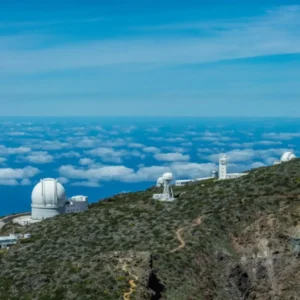
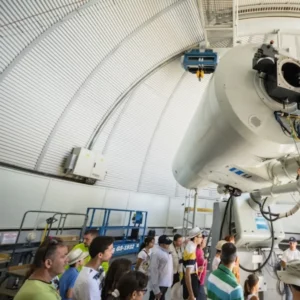
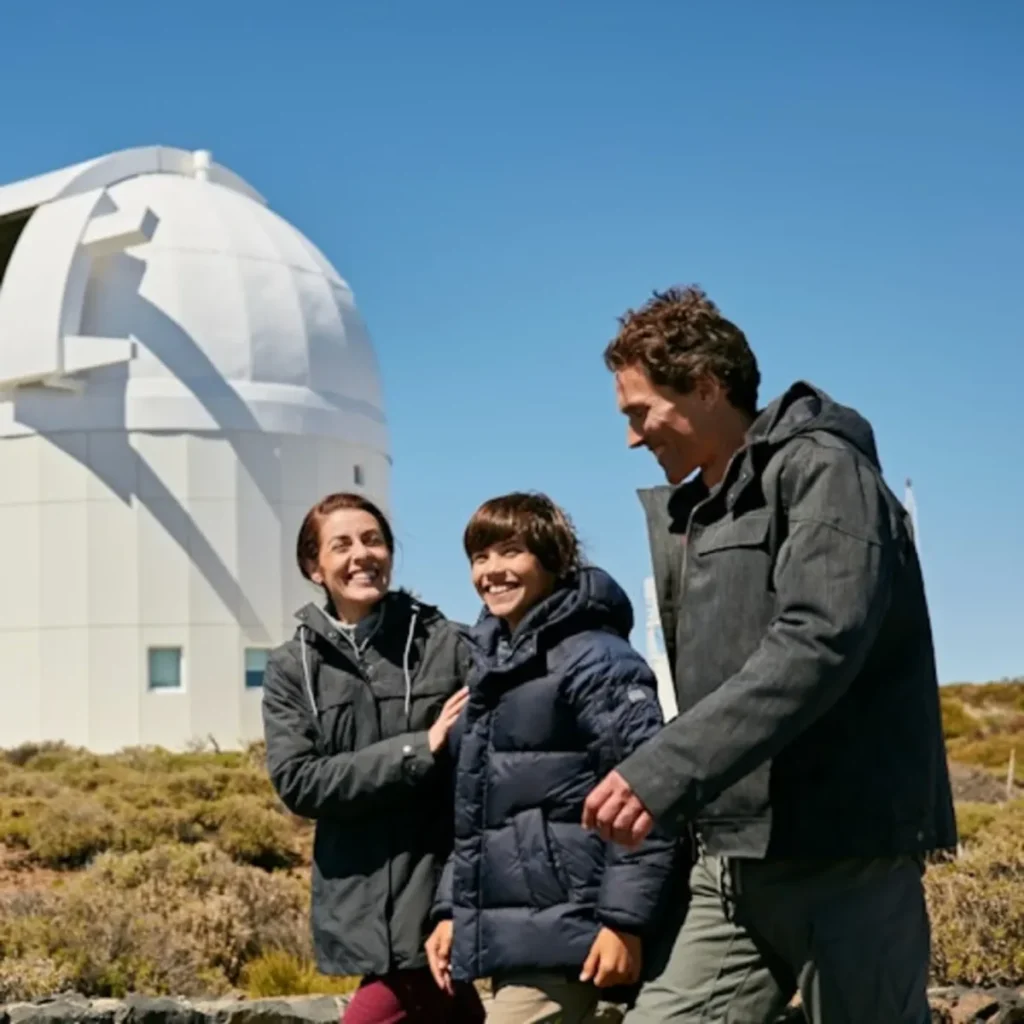
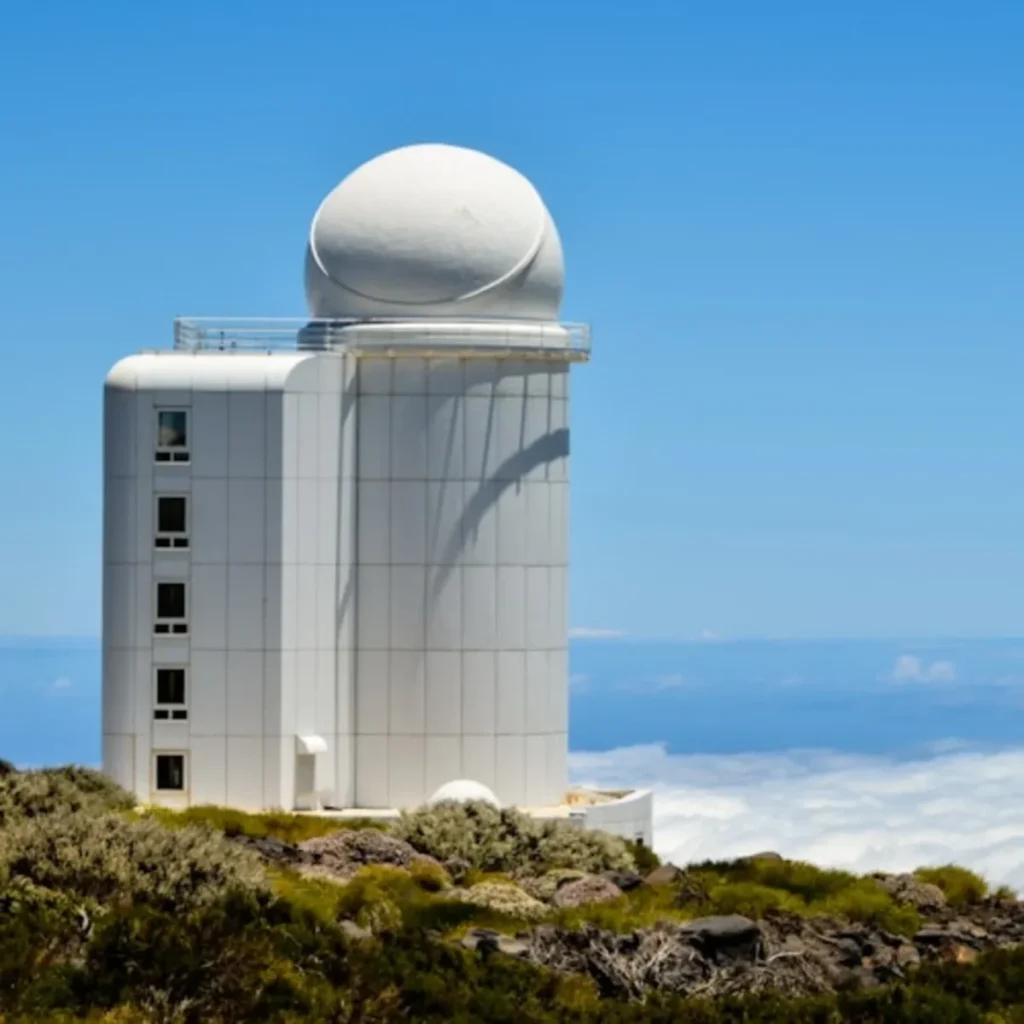
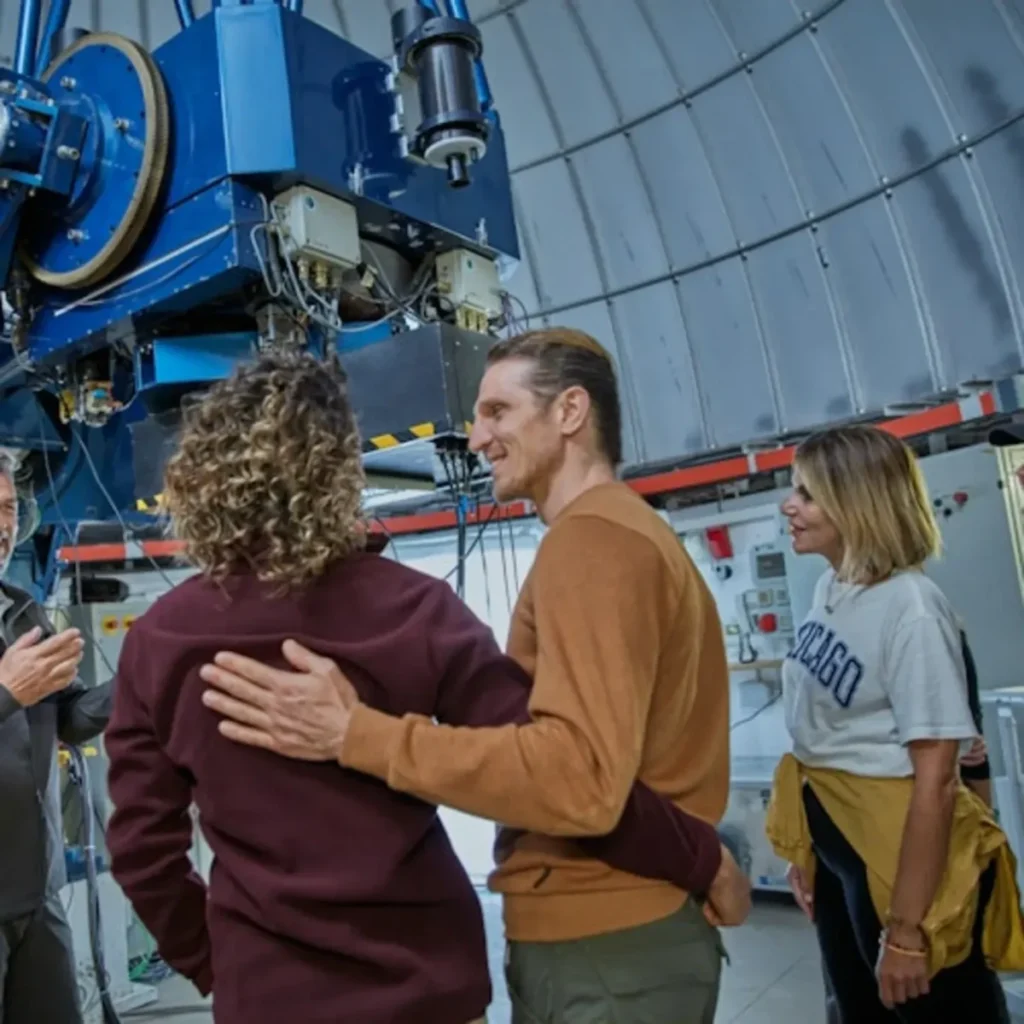
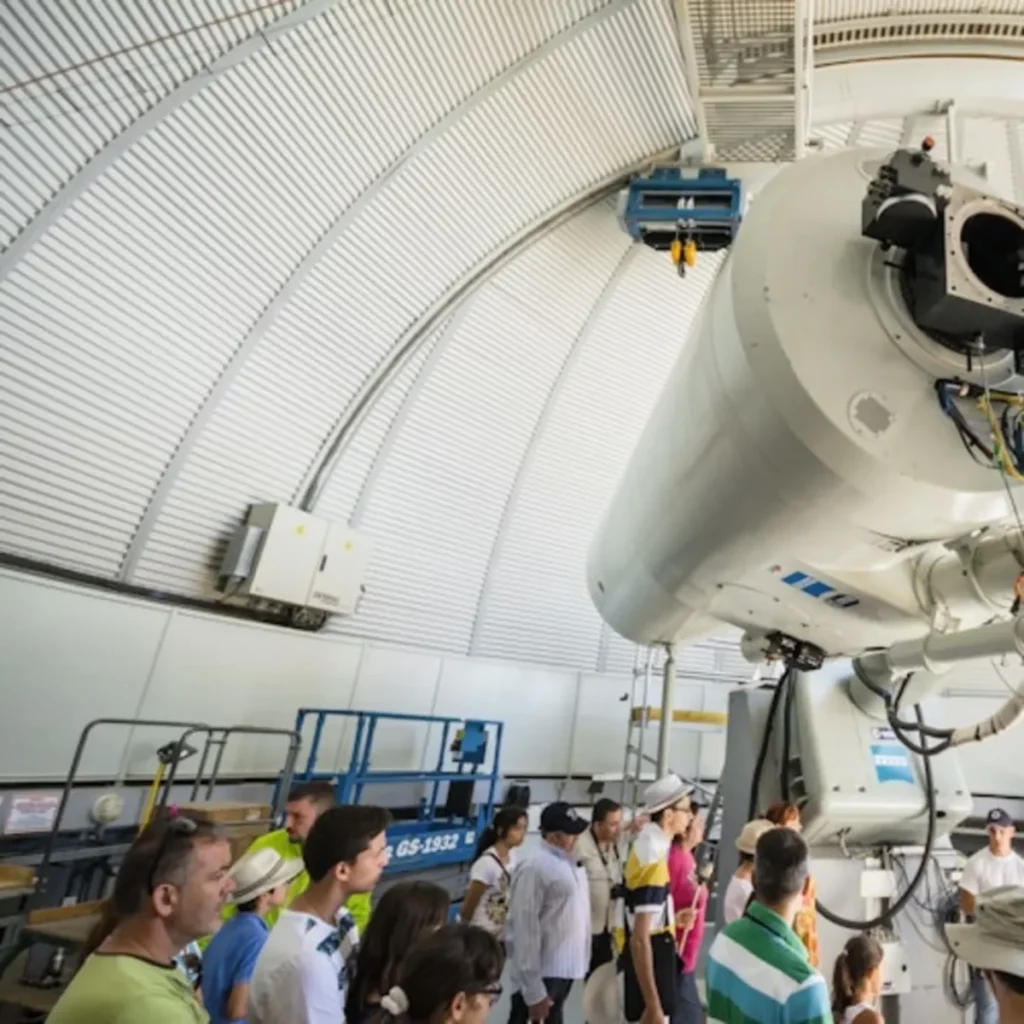
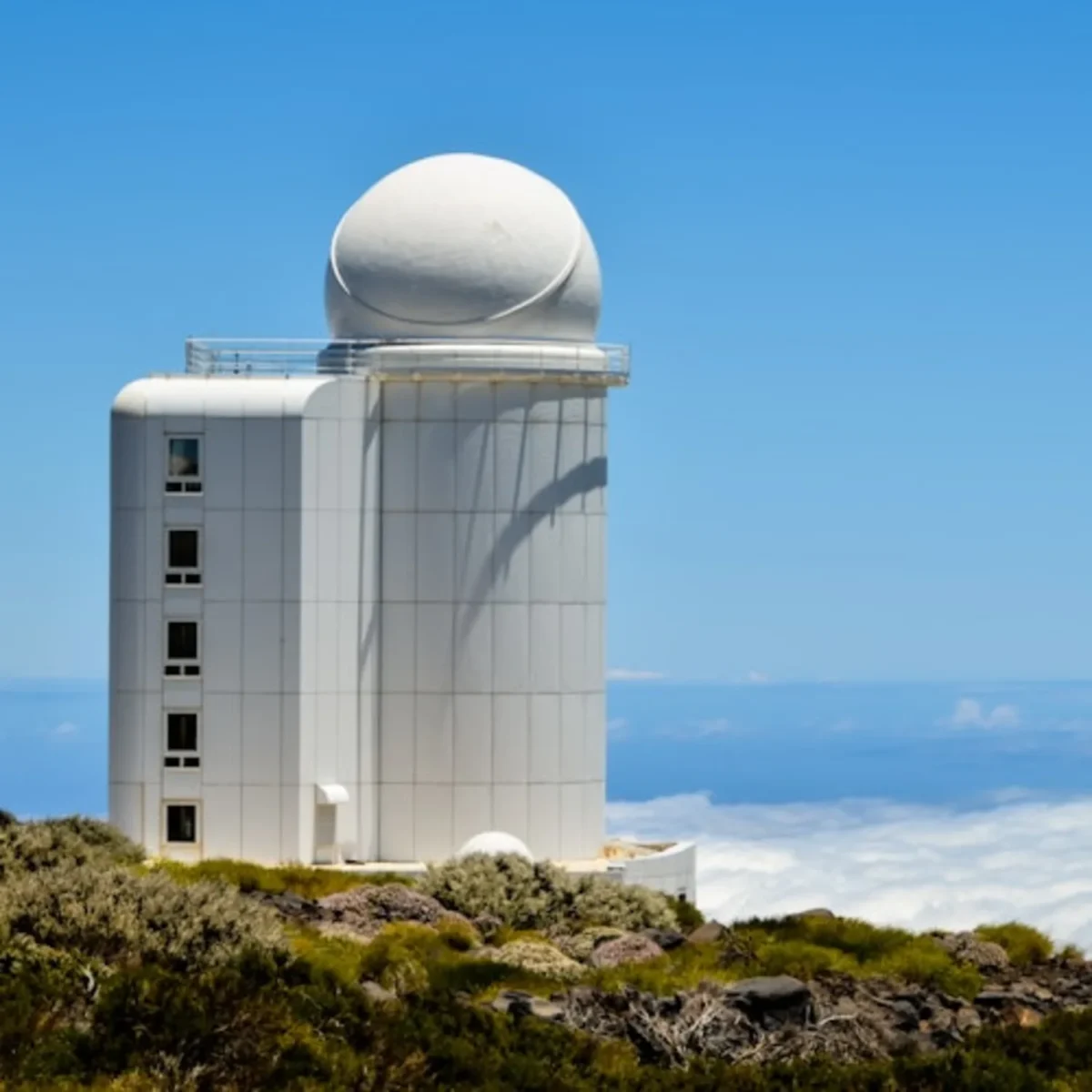
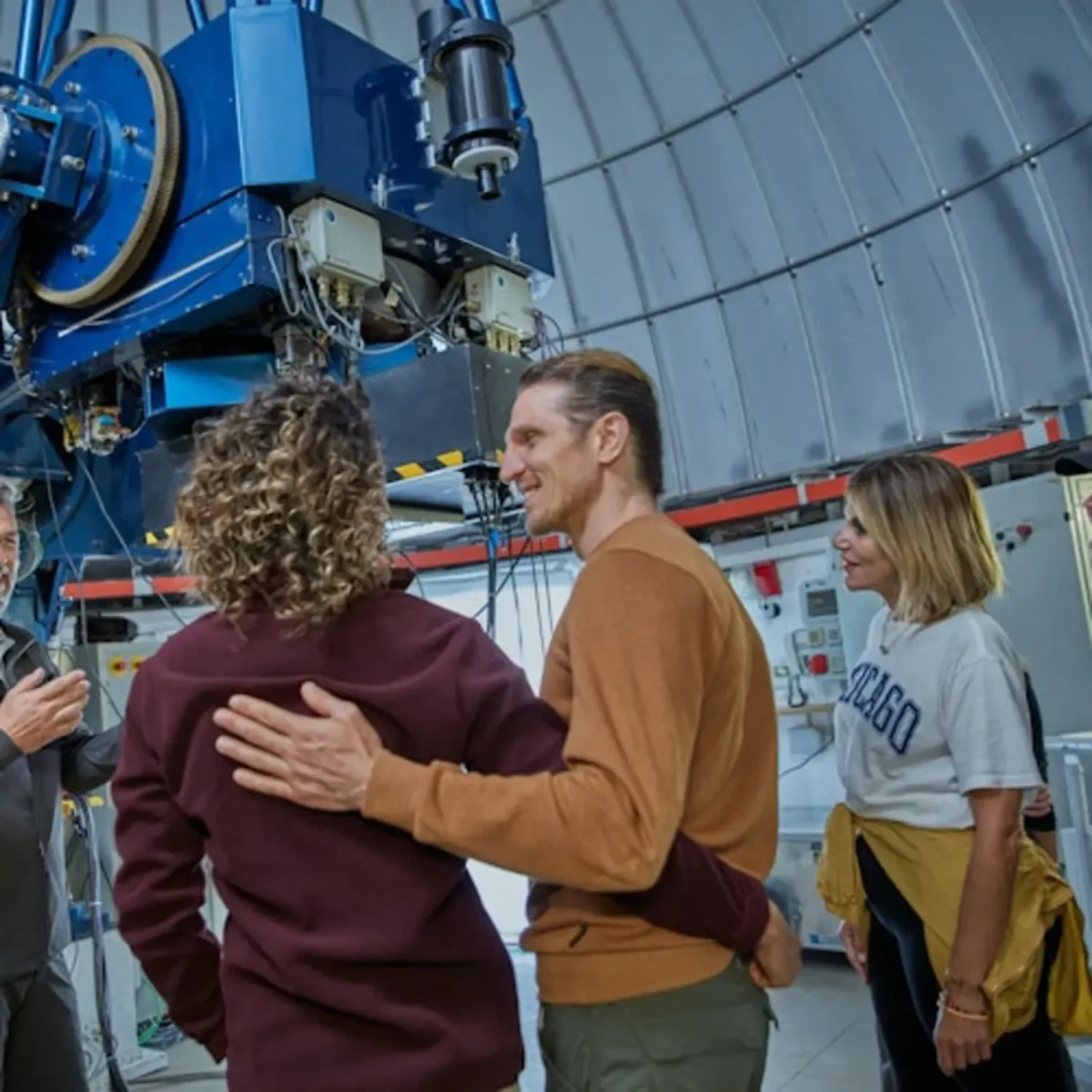
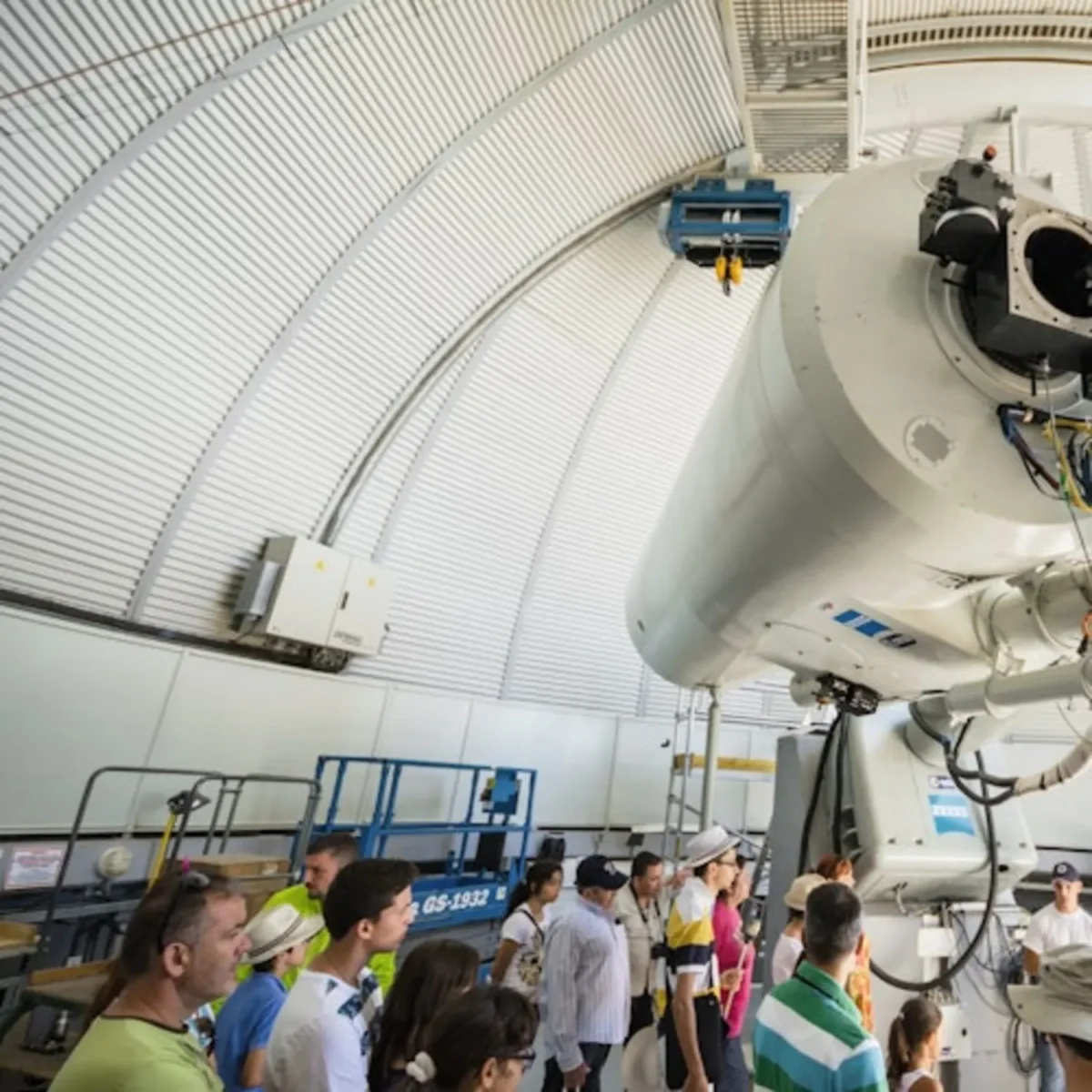
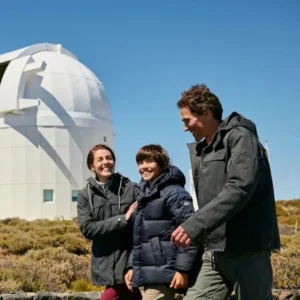
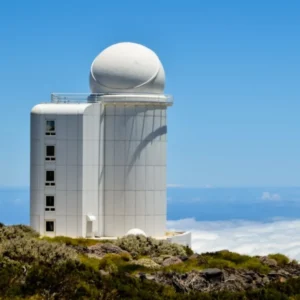
Teide Observatory: Guided Tour

Highlights

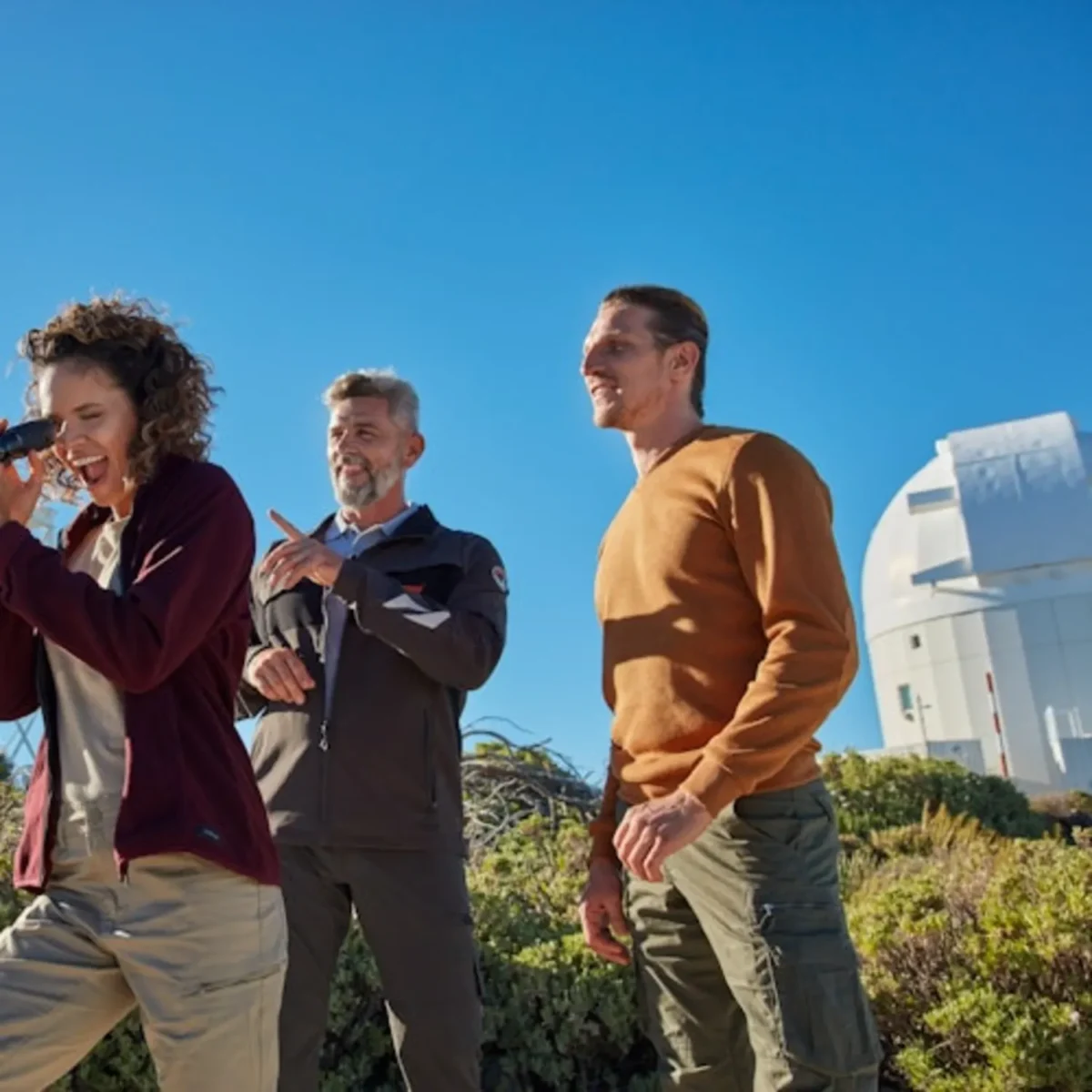
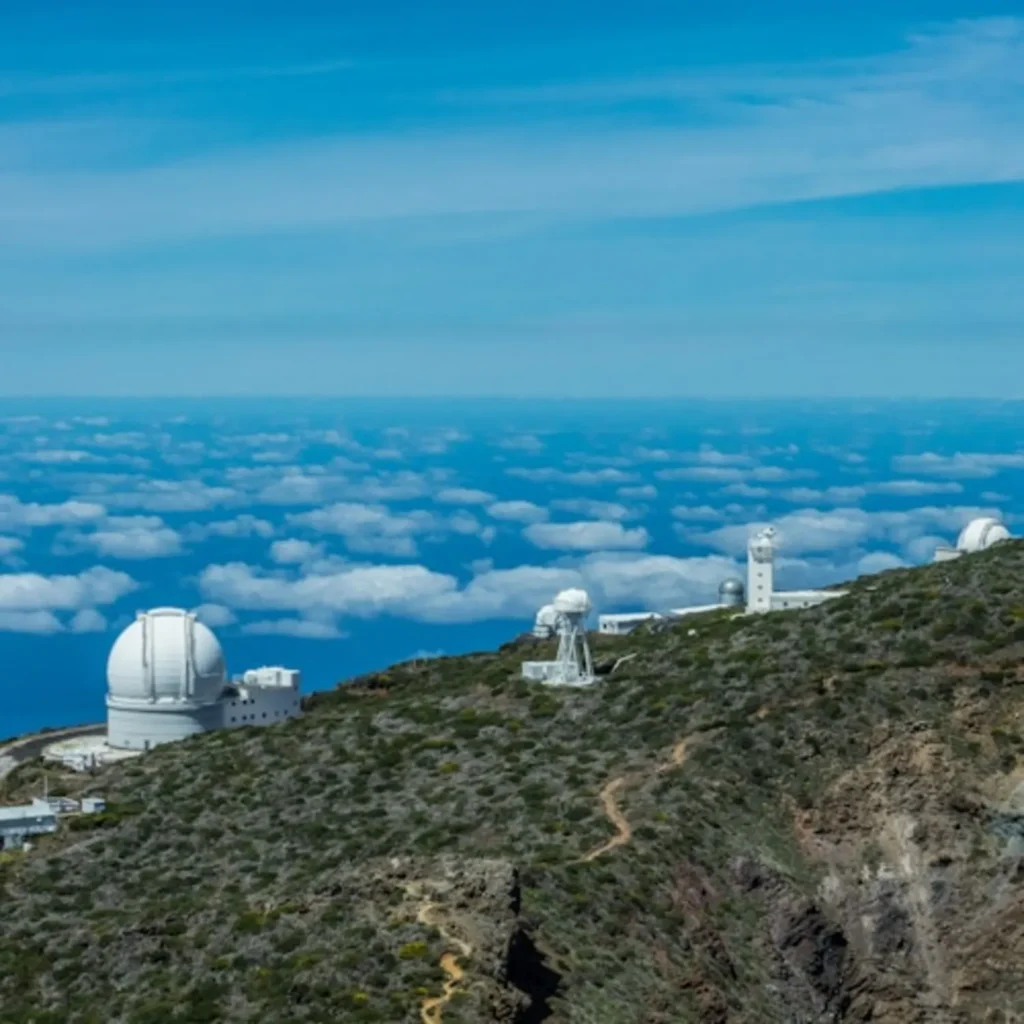
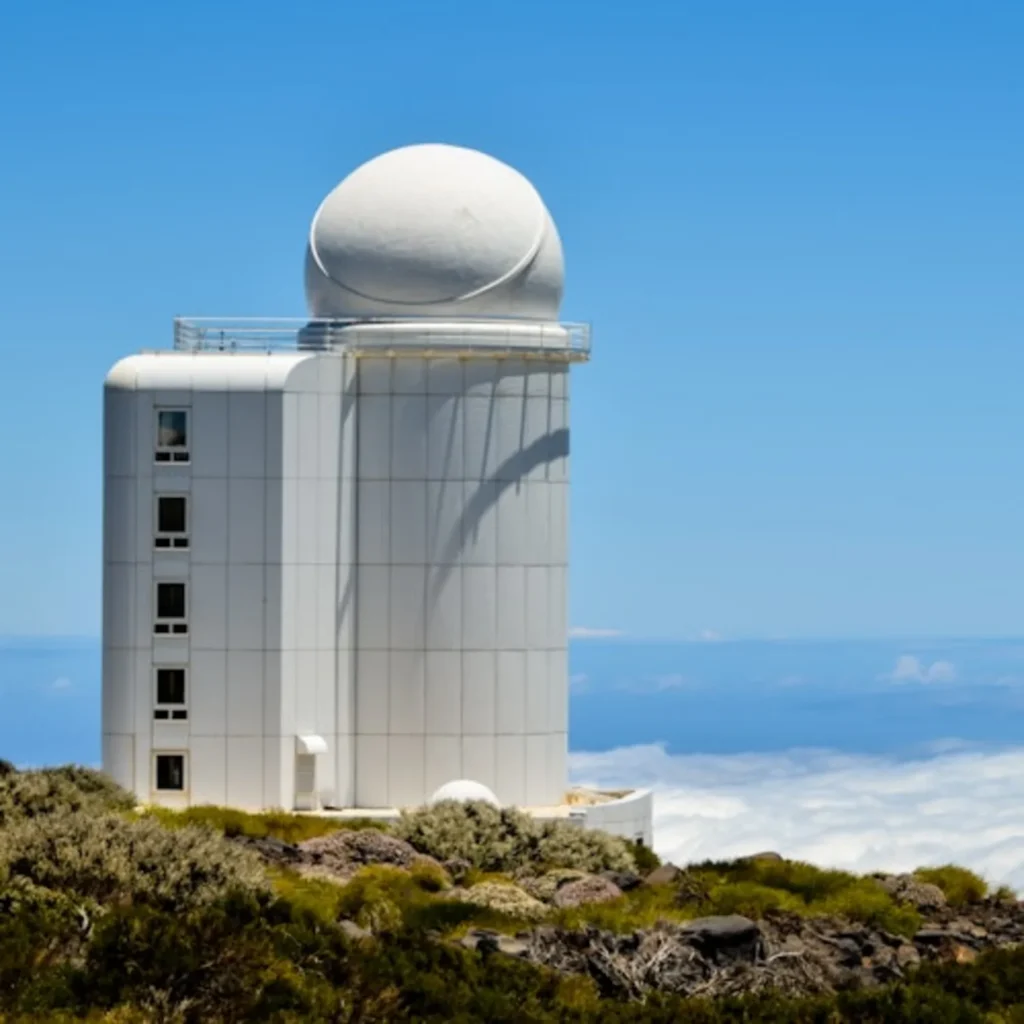
Explore the largest solar observatory on Earth.

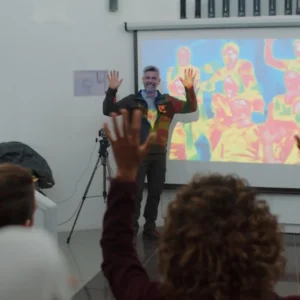
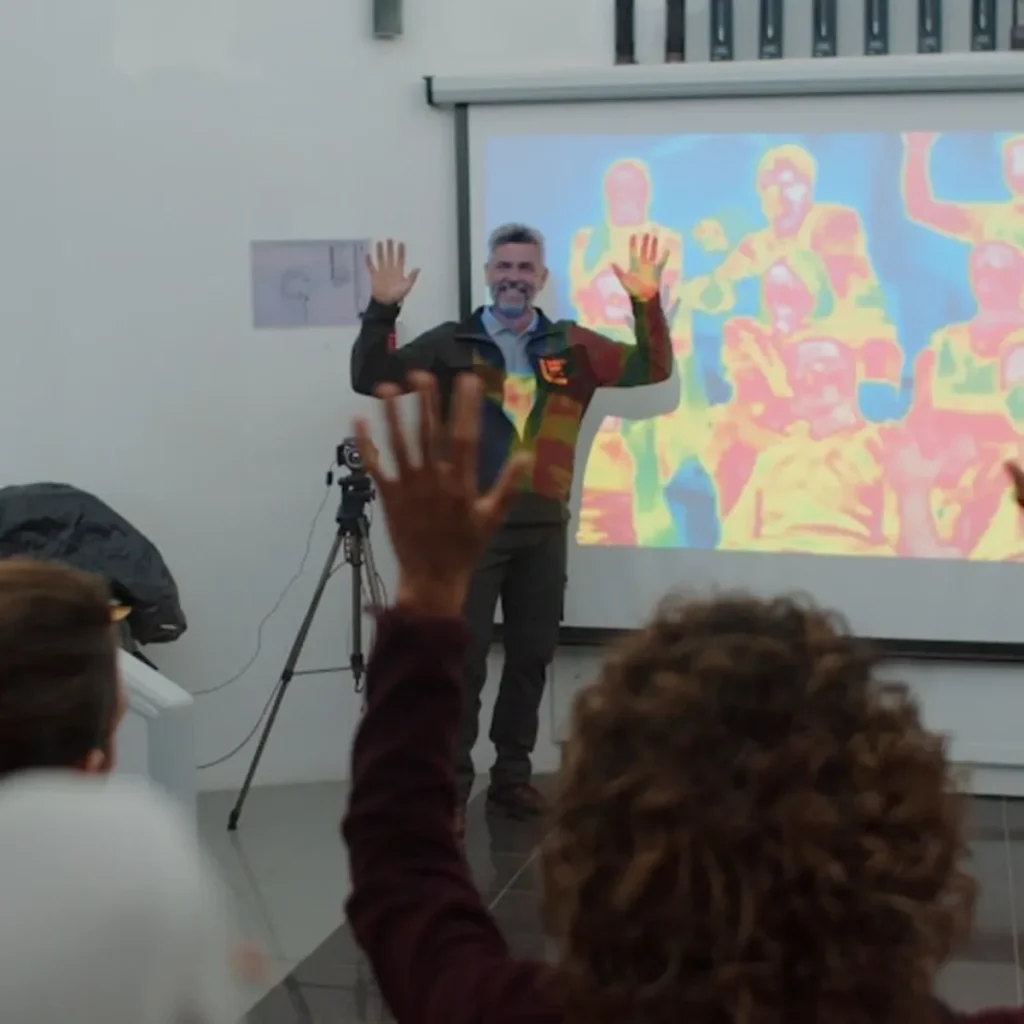
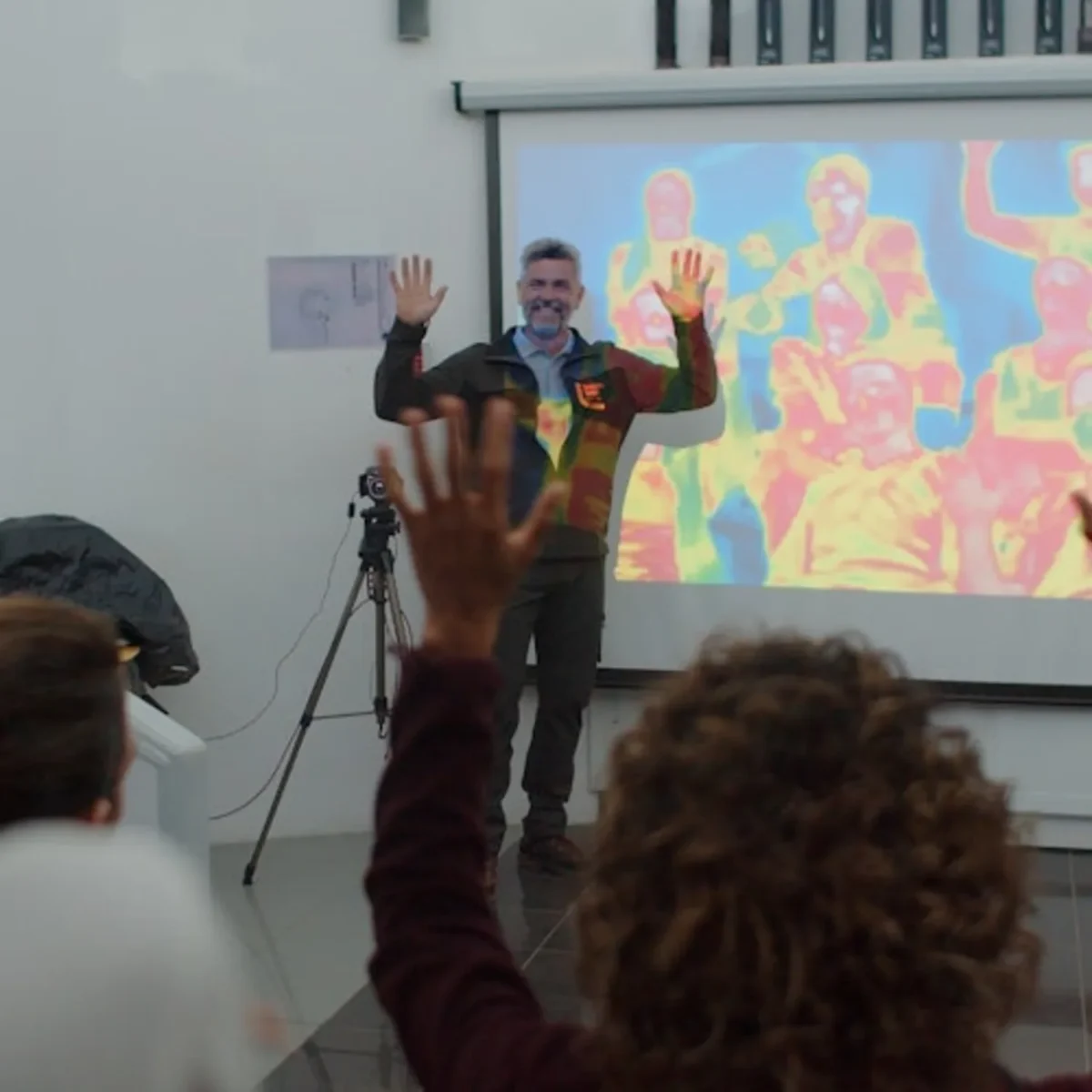
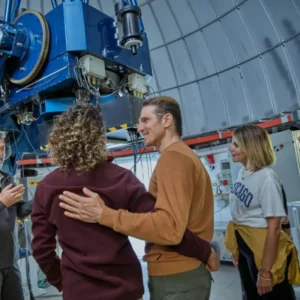
Attend an introductory astrophysics workshop.

Observe sunspots and solar flares through specialized solar telescopes.

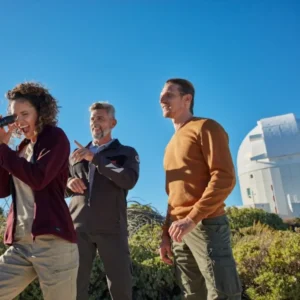
Benefit from the guidance of an expert astrophysics guide.

Enjoy priority access with a fast-track entry.

Choose from live tours available in English and several other languages.

Teide: Guided Tour, Summit Excursion + Cable Car

Highlights

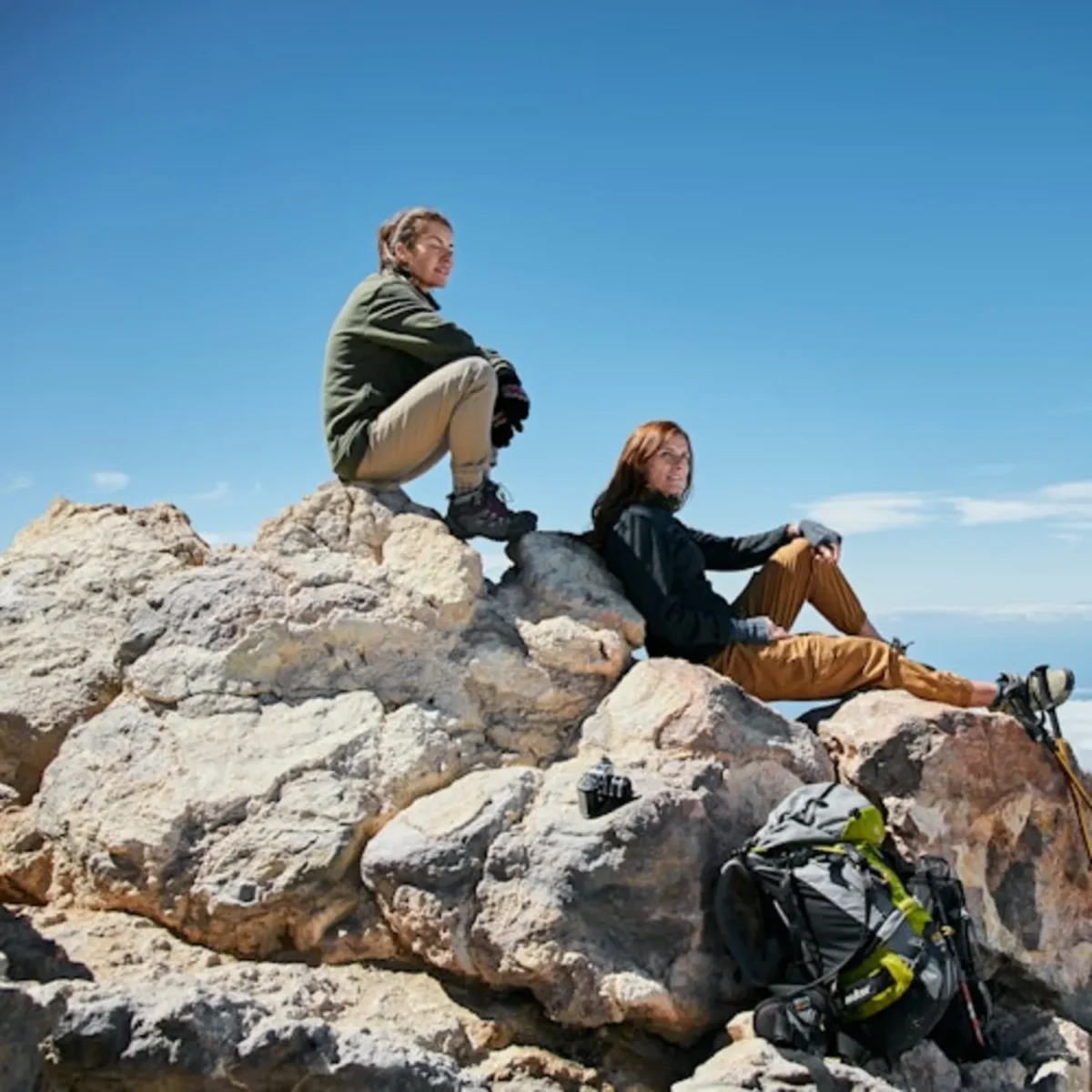
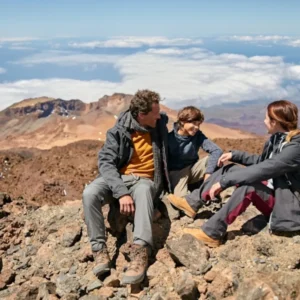
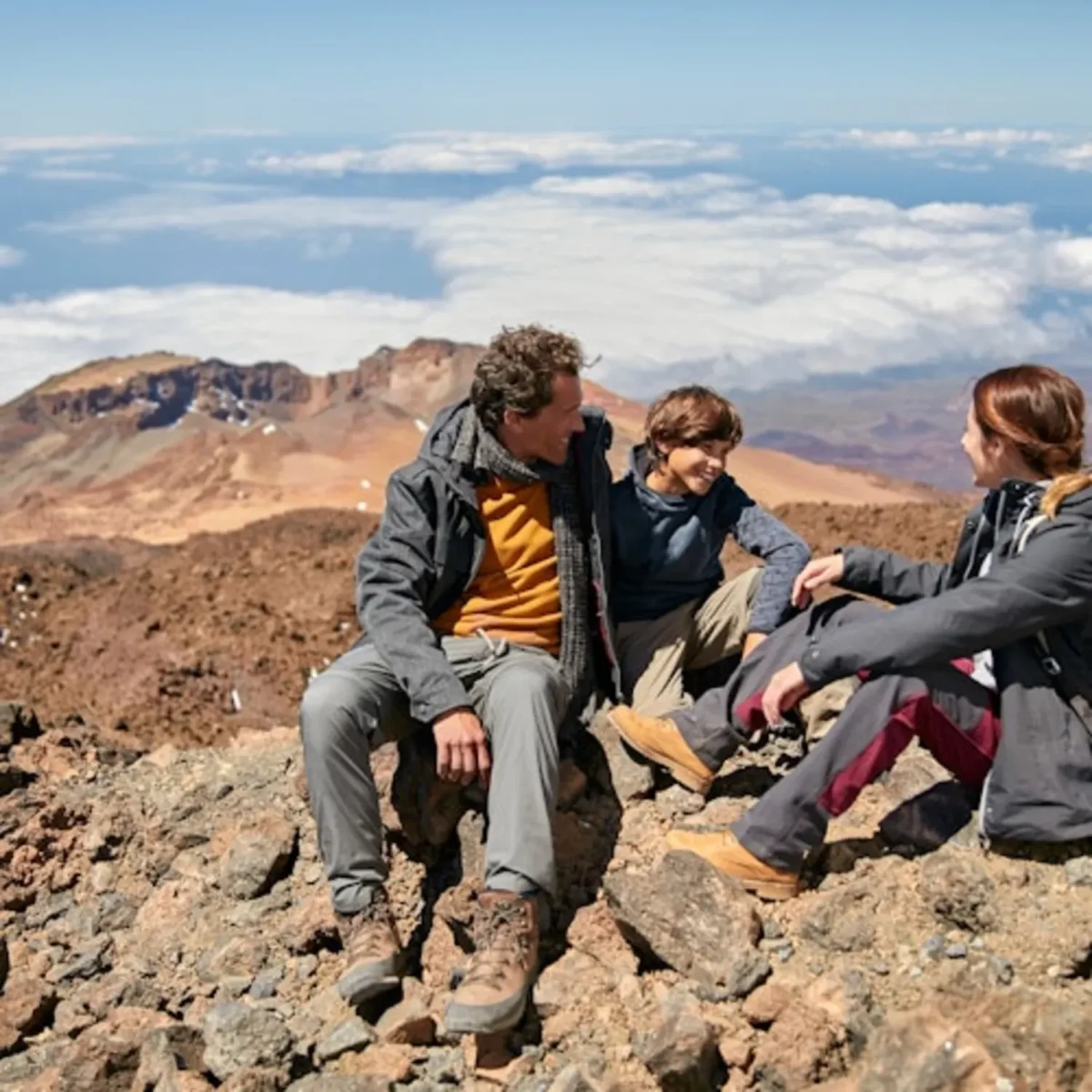
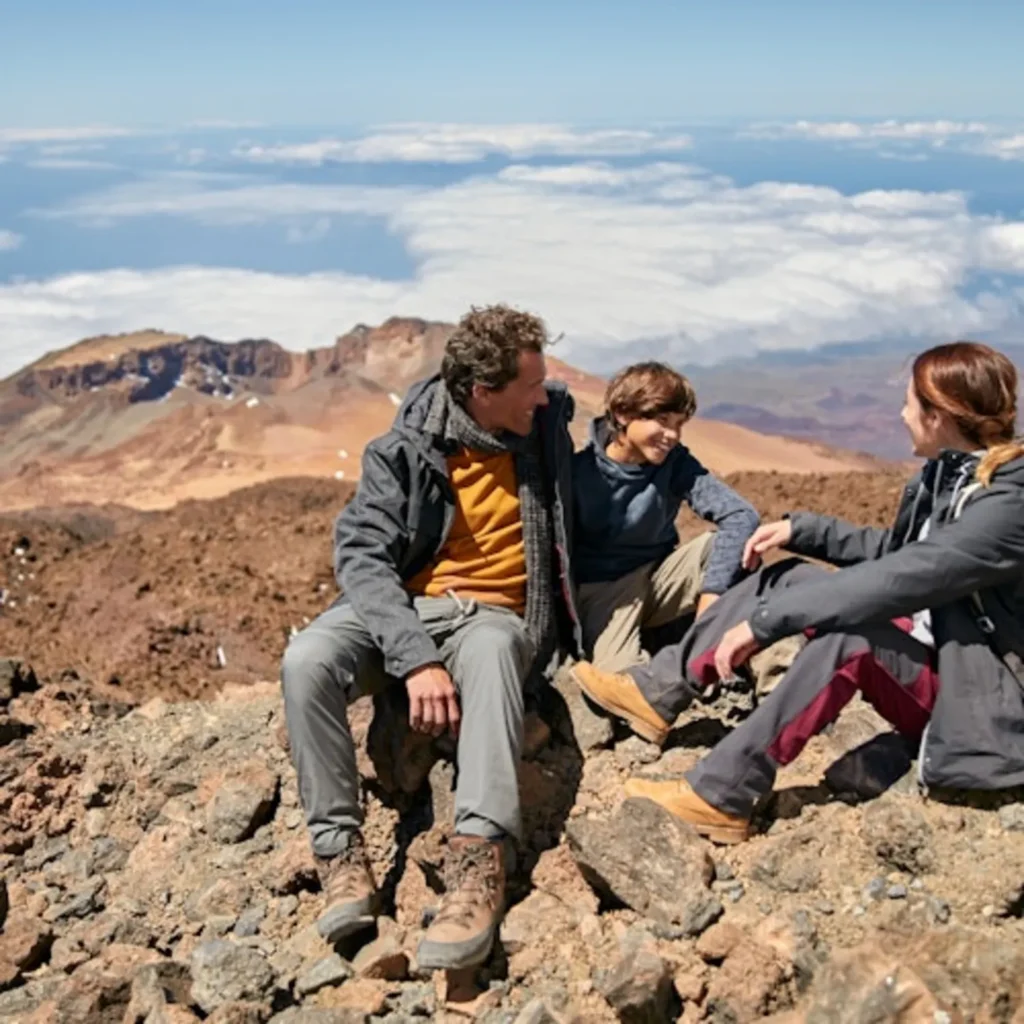
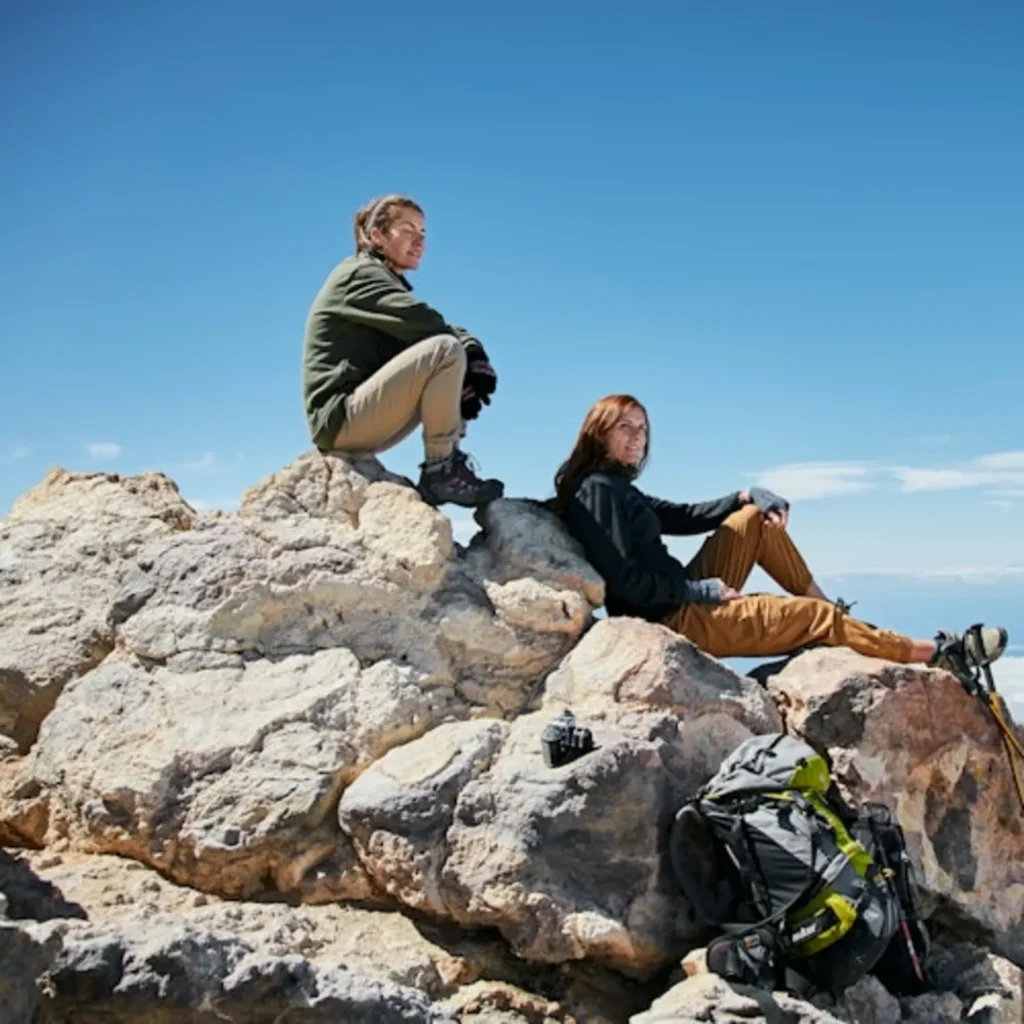
Explore the majestic Teide Crater located 3,718 meters above sea level.

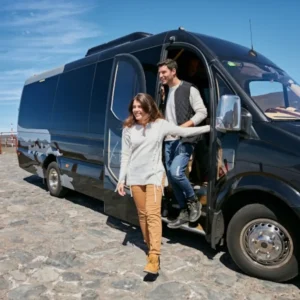
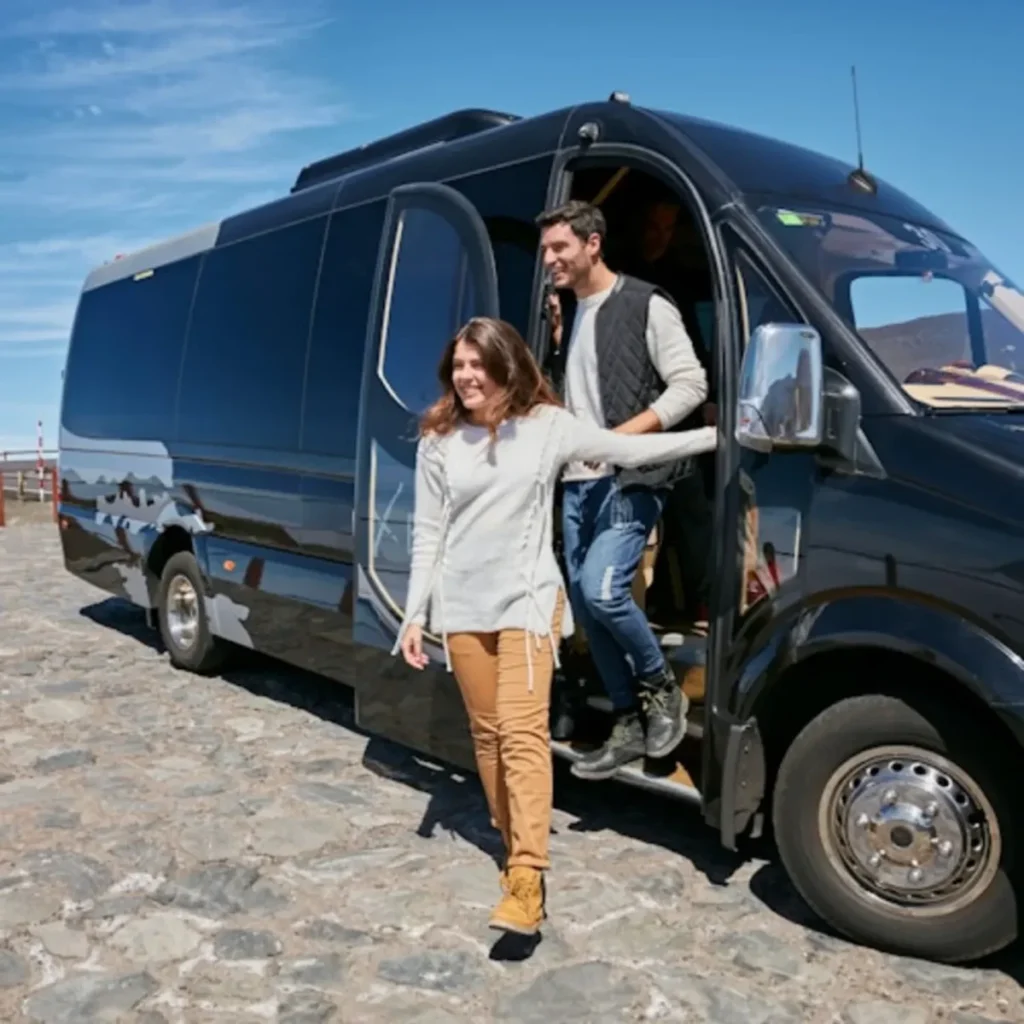
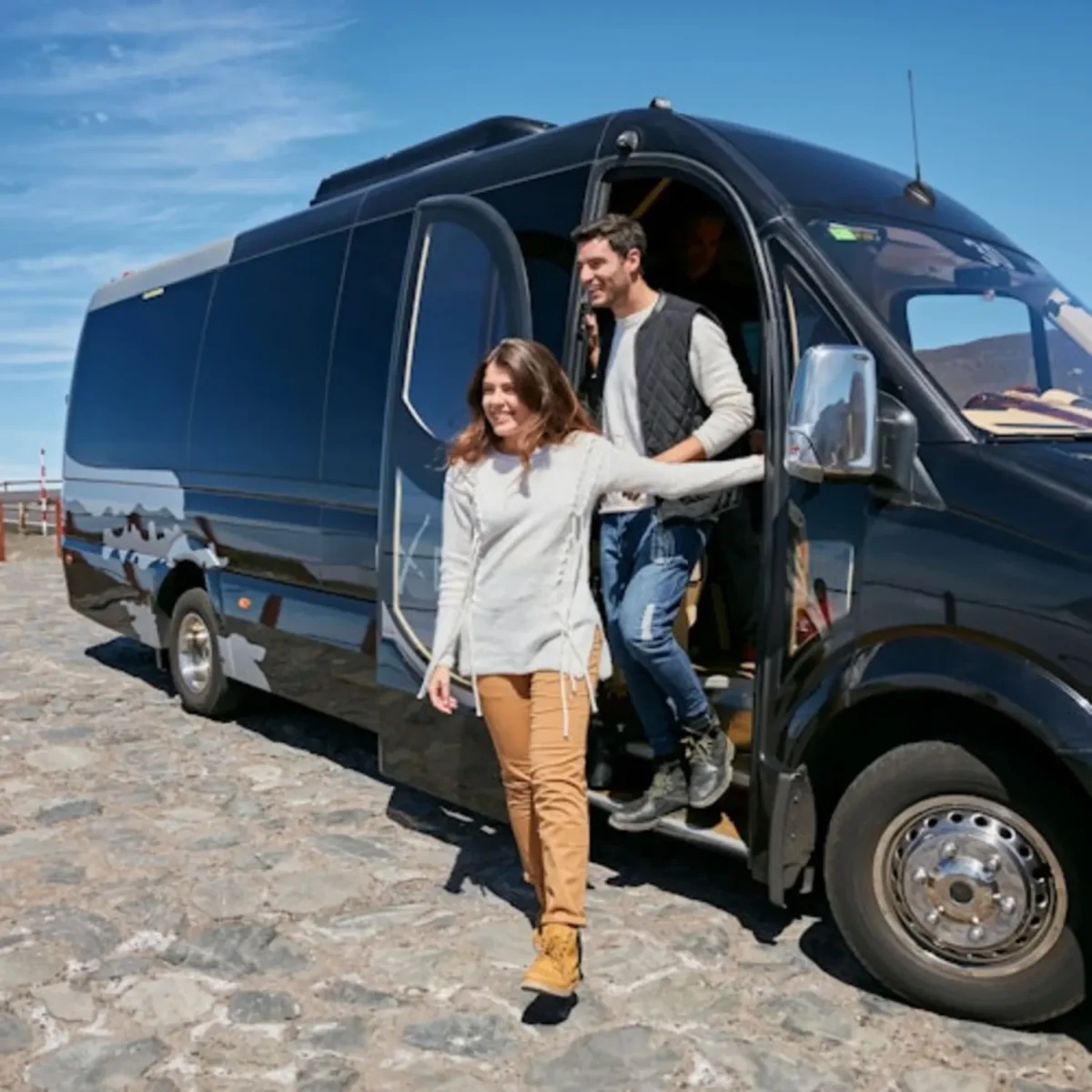
Enjoy the convenience of transportation with pick-up options.

Benefit from the expertise of a multilingual live guide speaking English, Spanish, and German.

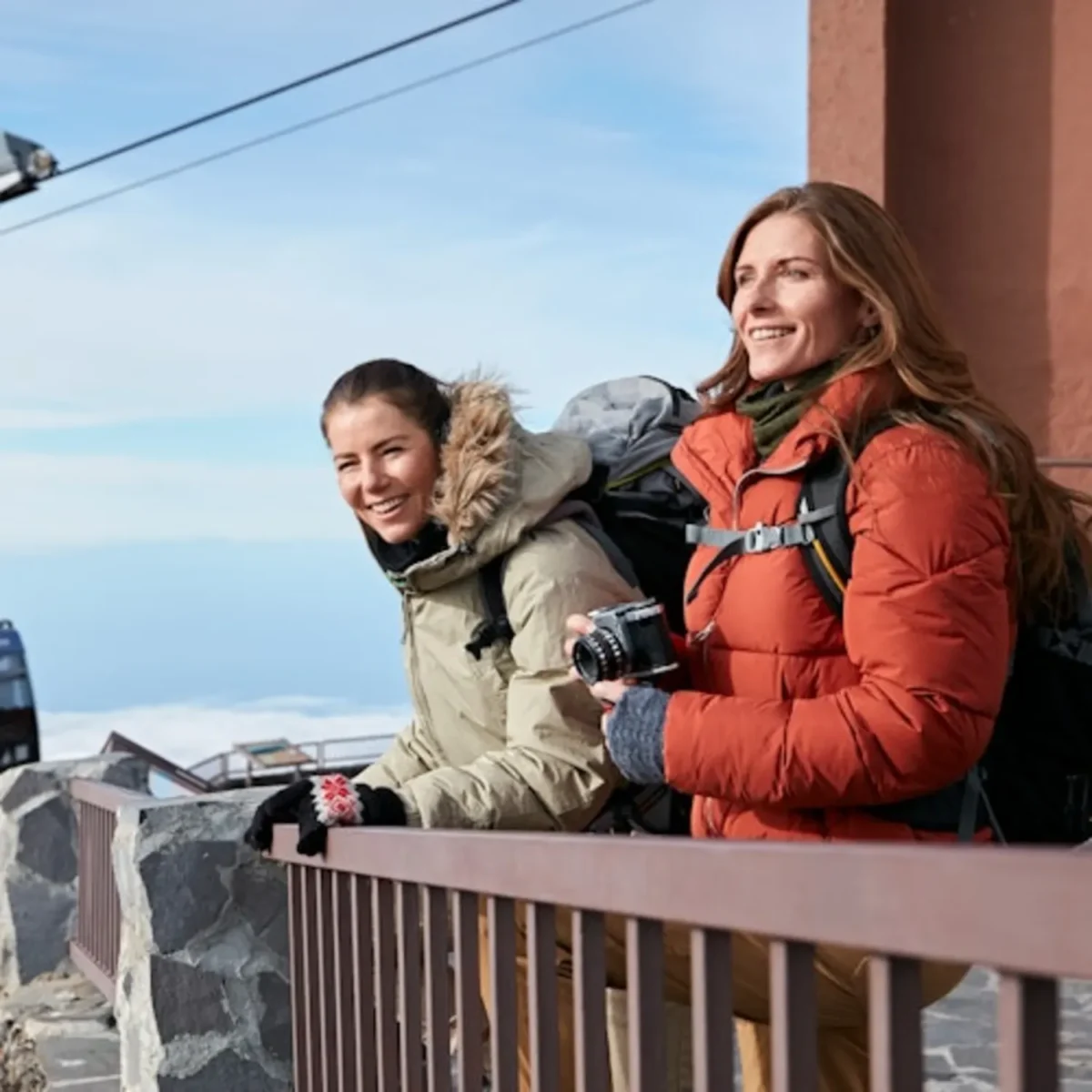
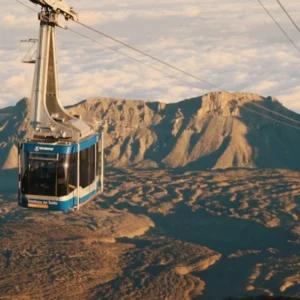
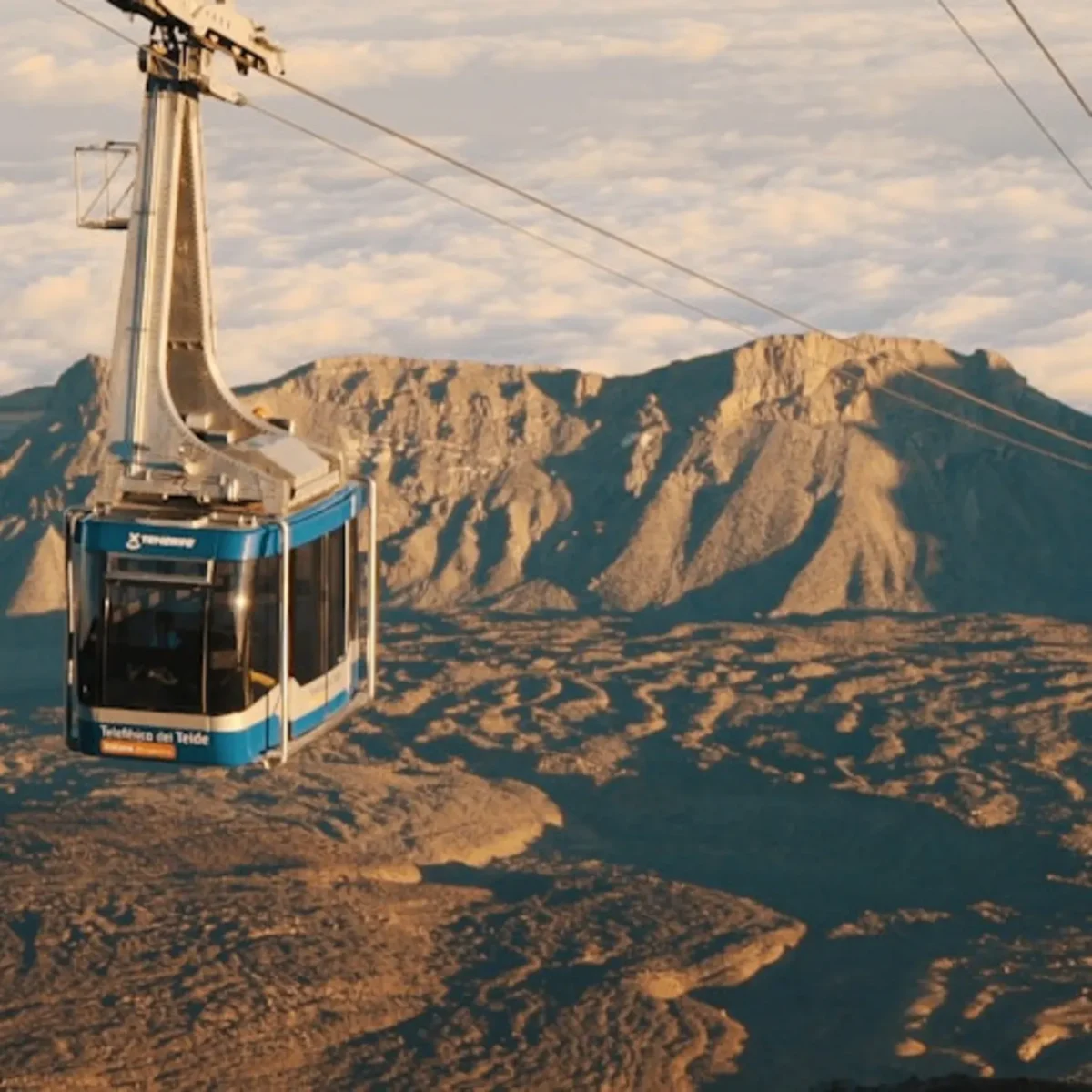
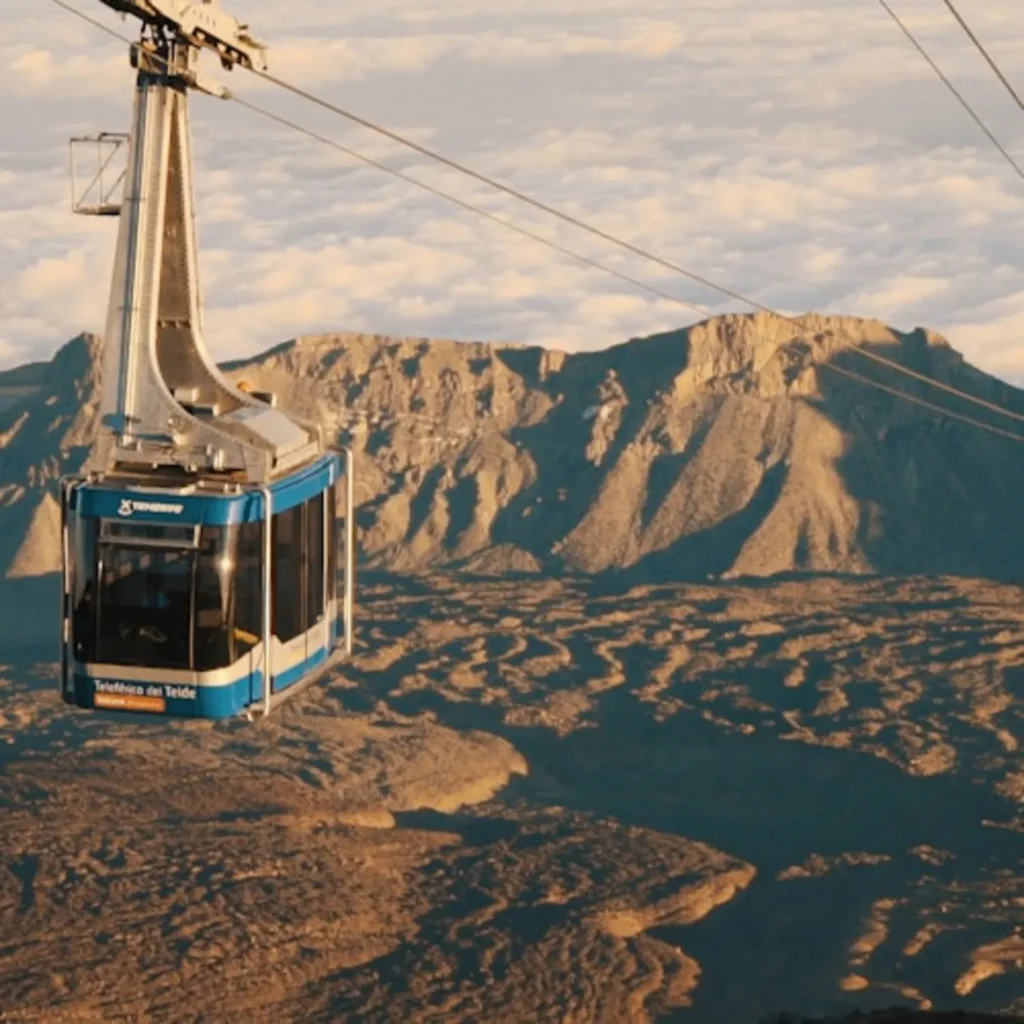
Experience the scenic cable car ride offering breathtaking views.

Receive all necessary permits for national park entry included in your booking.

Mount Teide: Cable Car Excursion

Highlights

Traverse through lush Canarian pine forests by coach.

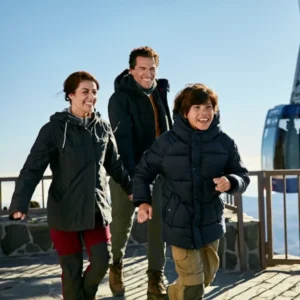
Ascend Mount Teide comfortably via a cable car.

Learn about hiking paths and regional insights with a live guide.

Marvel at spectacular panoramic views from the summit, including the northern coast, southern sunlit islands, and the striking Ucanca Valley.

Multilingual guide available in English, German, French, Italian, and Spanish.

Good to Know Before Visiting Teide National Park

A permit booked in advance through Tenerife ON, the Cabildo de Tenerife’s official platform, is mandatory to hike the final stretch to the peak of Mount Teide (trail PNT 10, Telesforo Bravo). Most visitors pay a fee for daytime slots, and a standard cable car ticket does not include the permit.

Because of the altitude, the cable car is not permitted for pregnant women, children under three and people with cardiovascular conditions.

Temperatures at the summit can be far lower than at the coast, so warm clothing and a windbreaker are essential even in summer.

The Teide Cable Car can close at short notice because of high winds or bad weather, so check its operational status online before you set off.

The base station car park has 220 spaces and often fills by mid-morning, so arrive early or take the bus.

Services inside the park are limited, so bring any medication, supplies and cash you may need before you head up.

High-factor sunscreen and UV-protection sunglasses are essential, because solar radiation is much stronger at altitude than at sea level.

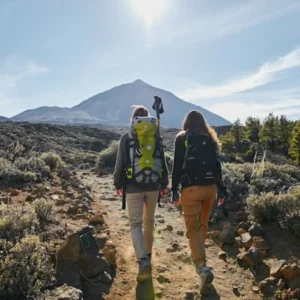
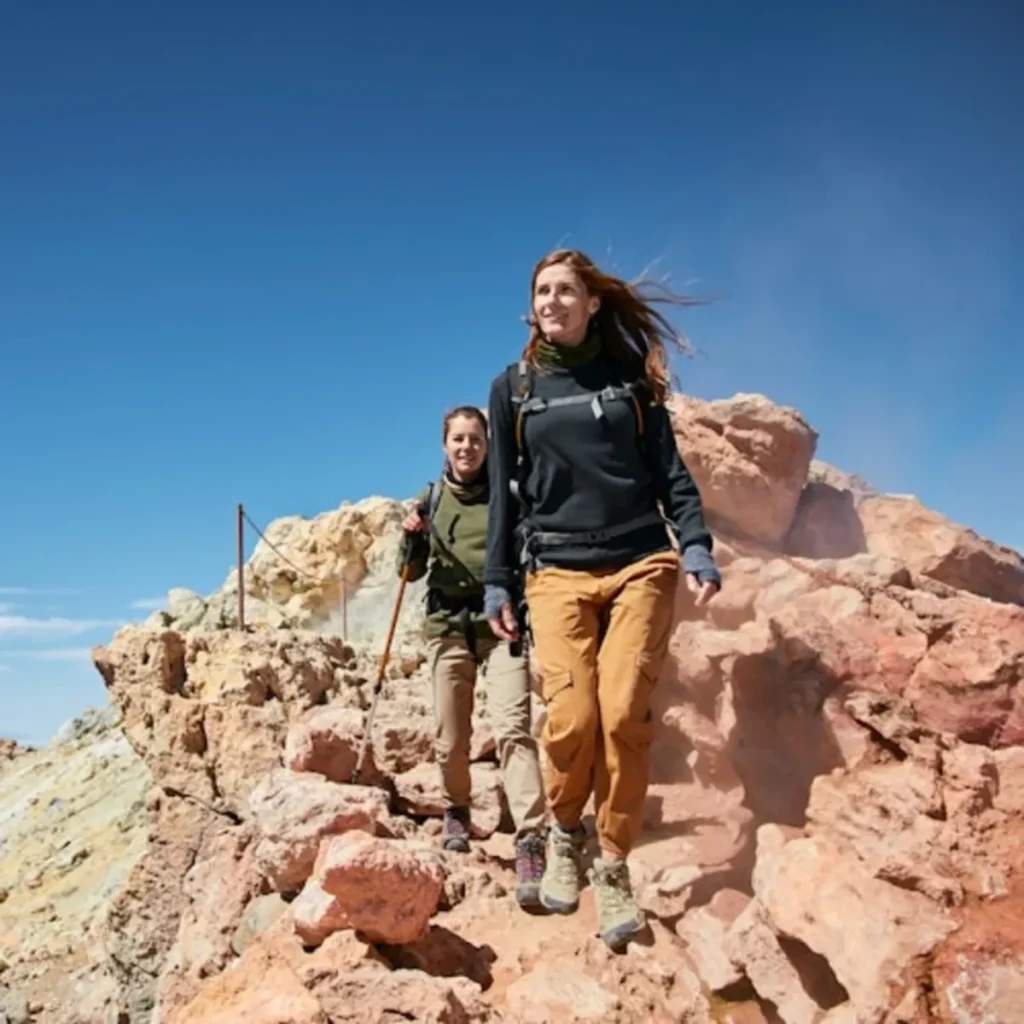
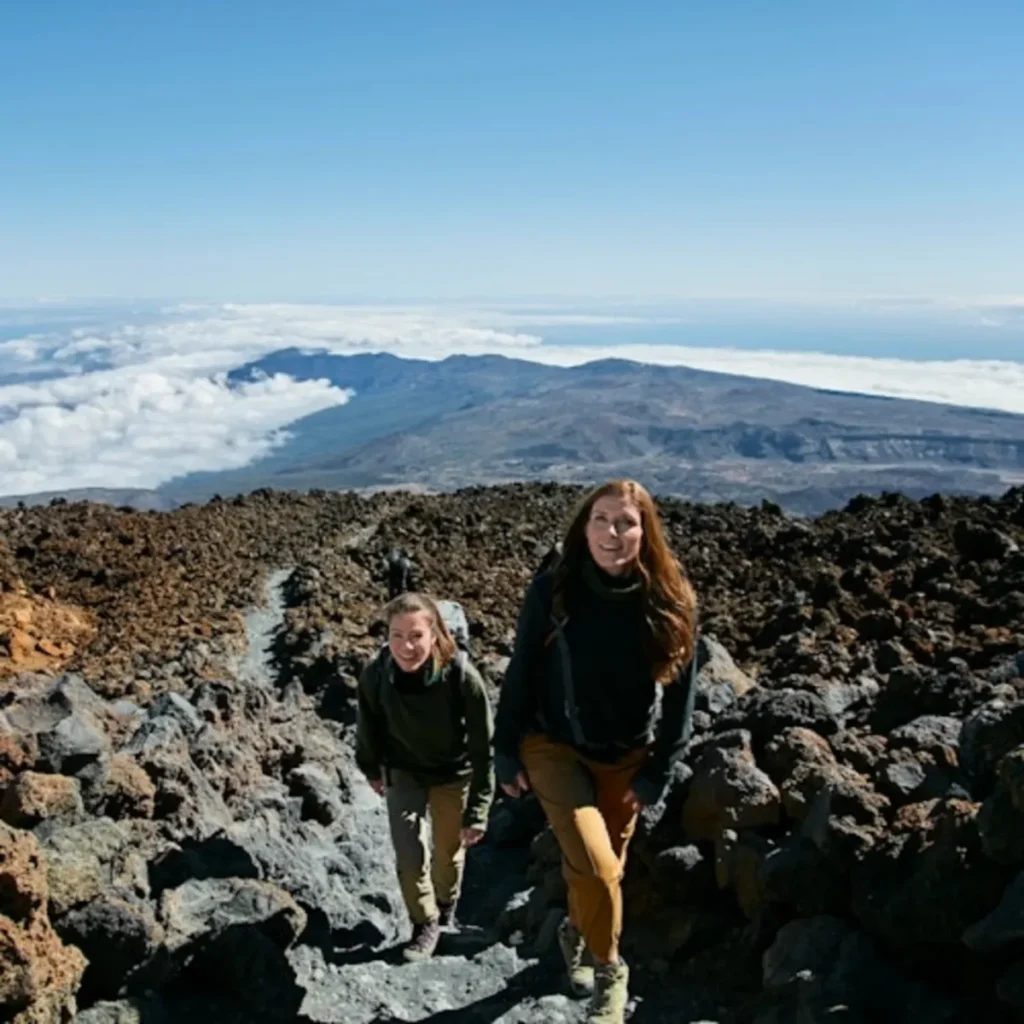
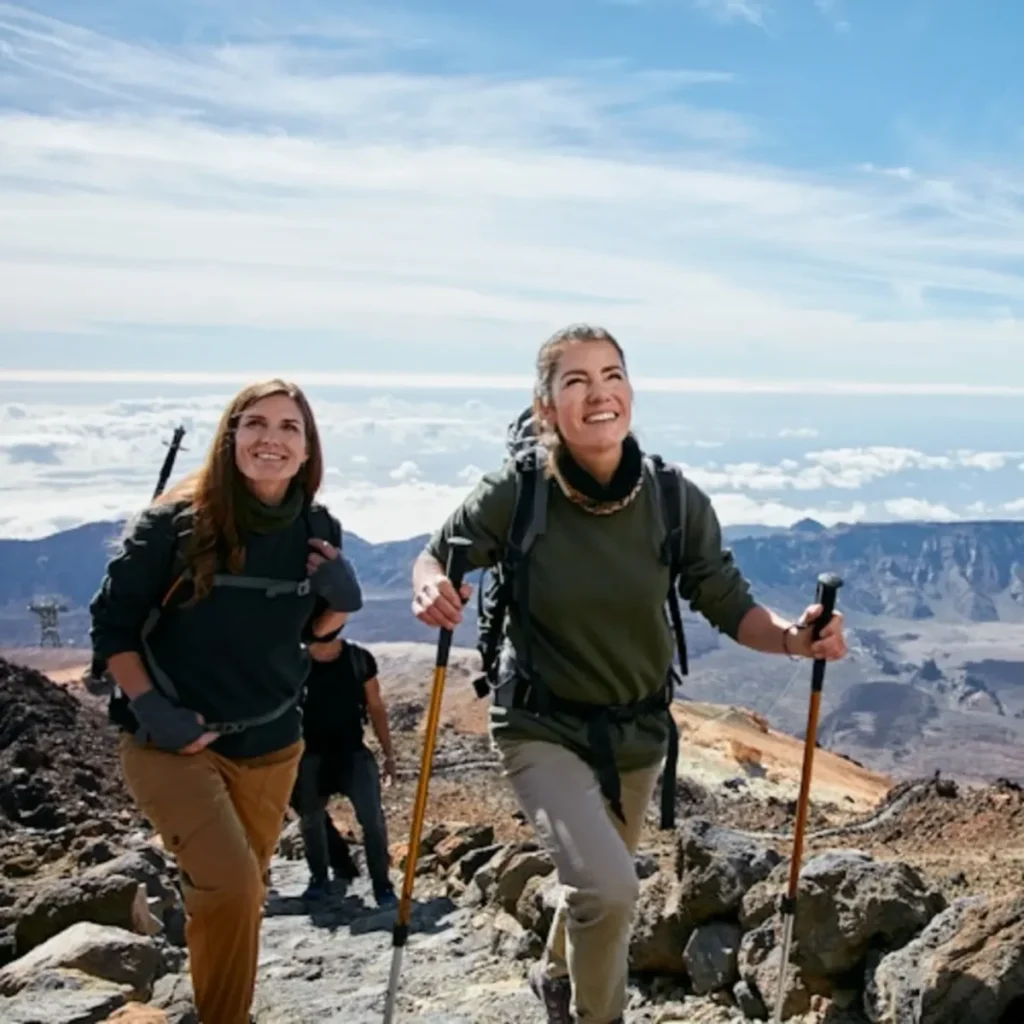
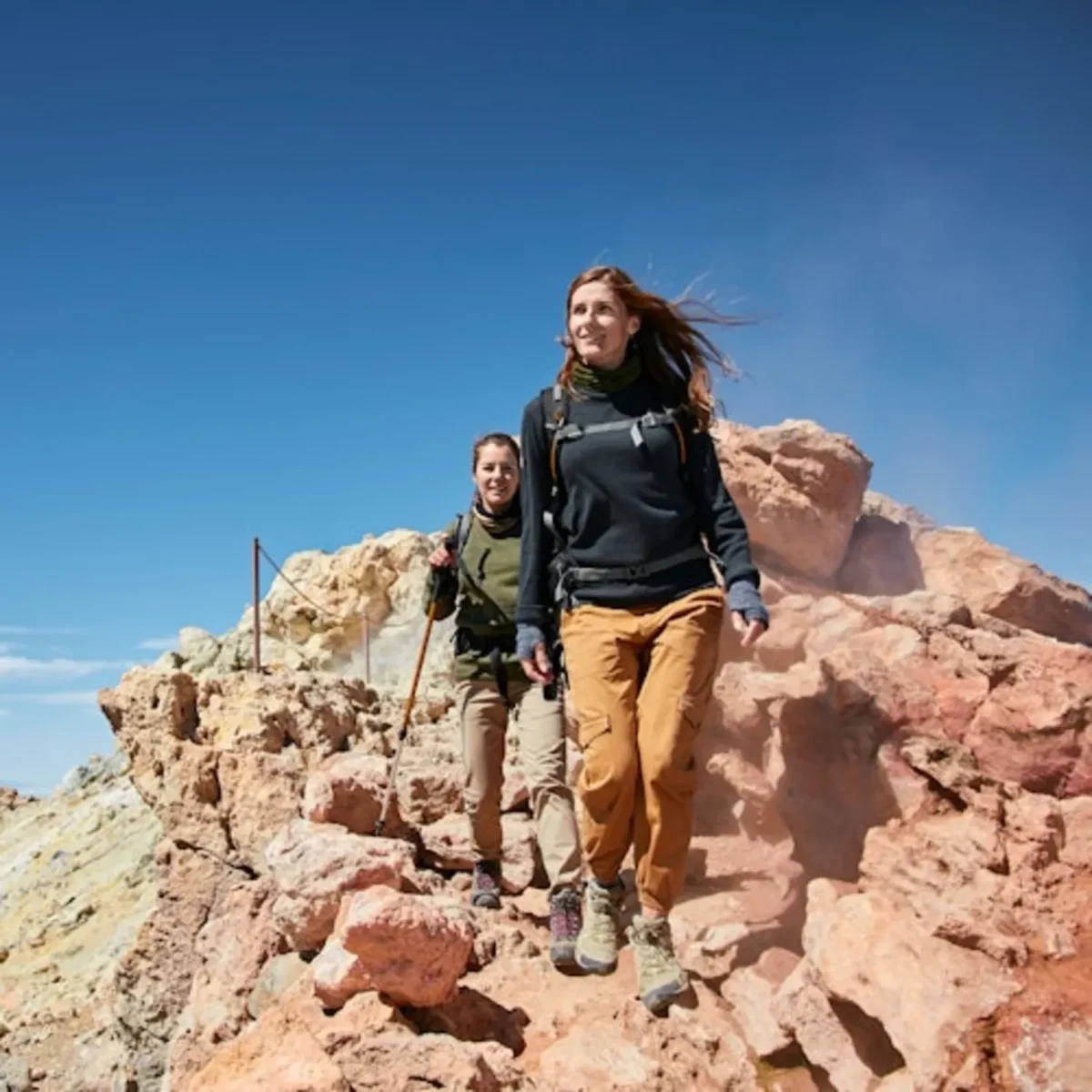
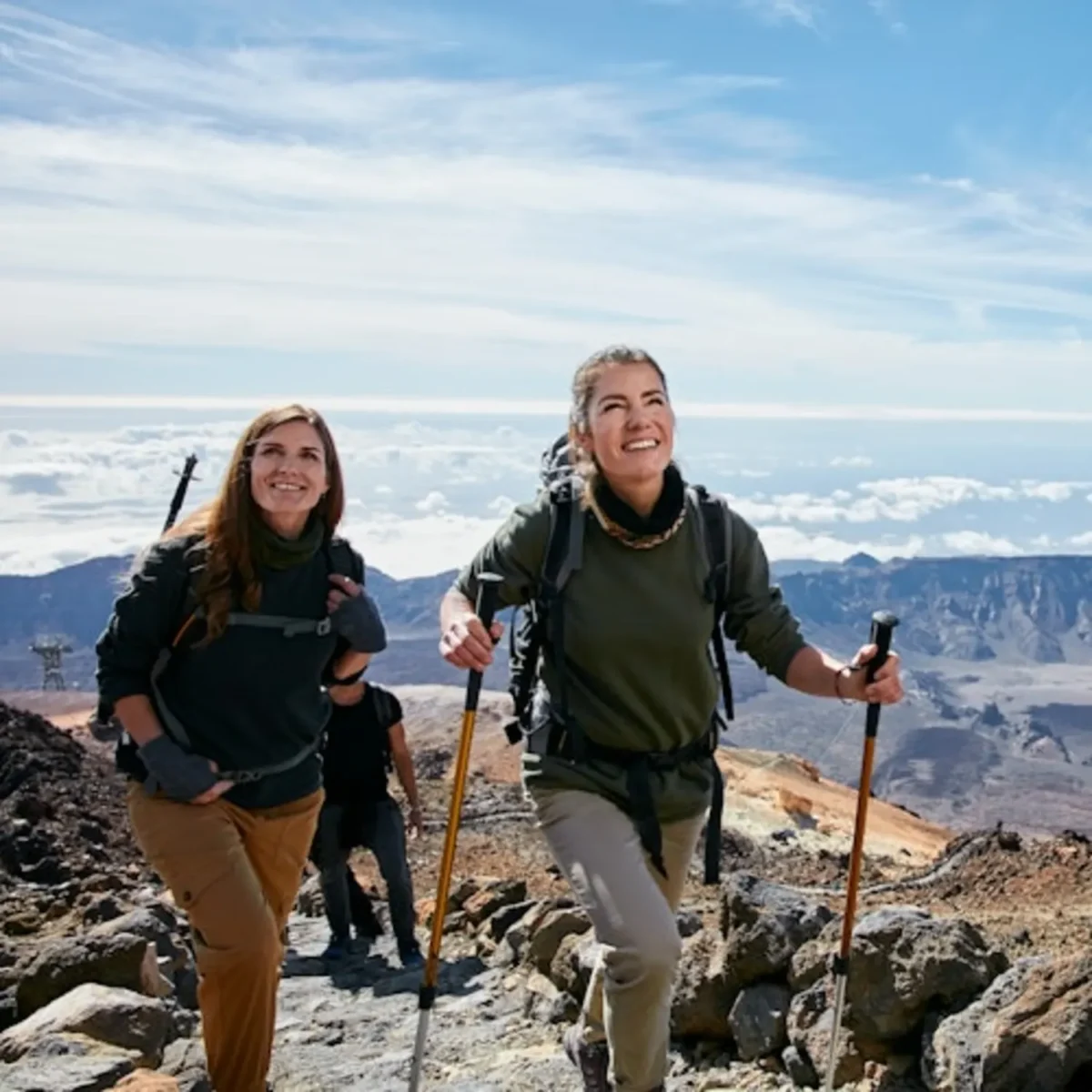
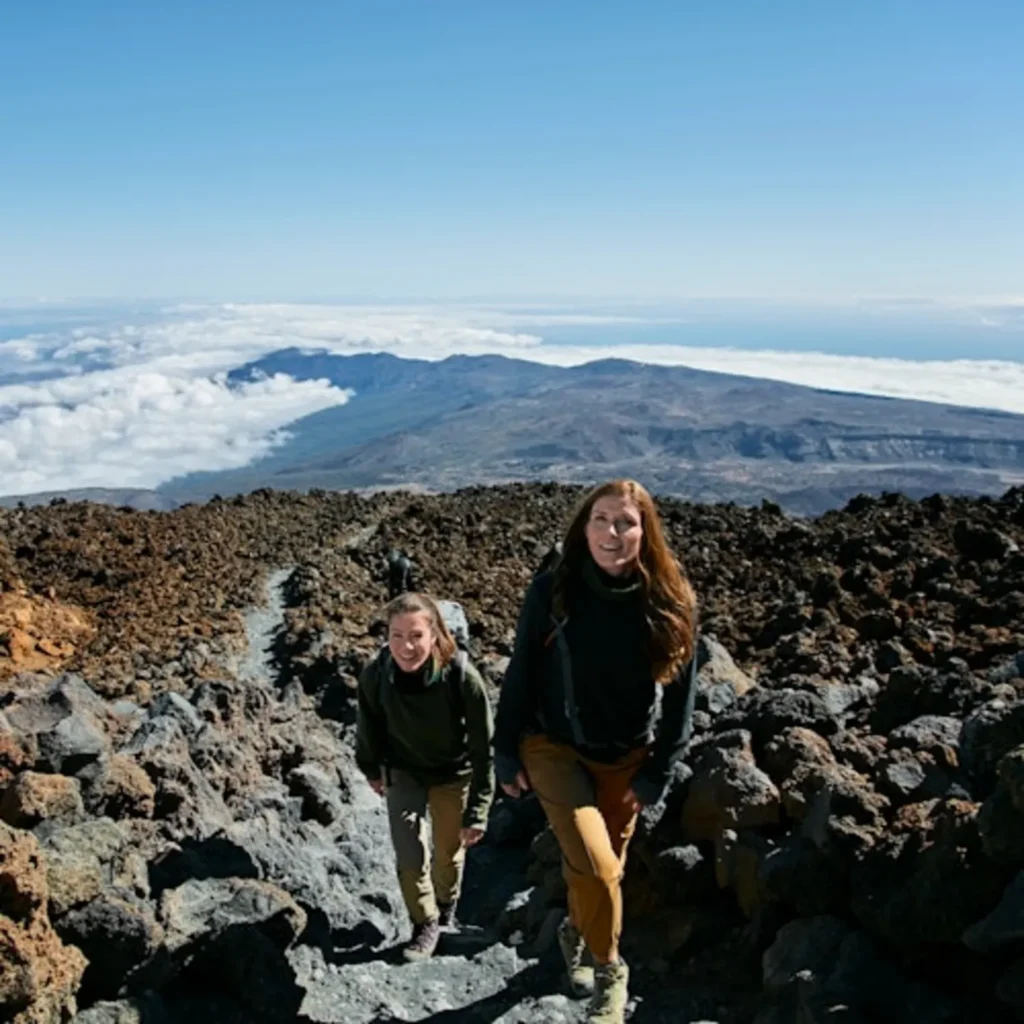
Sturdy hiking boots with good grip are strongly recommended, because the volcanic terrain is sharp and loose underfoot, and mountain footwear is mandatory on the summit trail.

It is forbidden to collect volcanic stones, plants or other natural material, because the park is a protected national park and UNESCO World Heritage Site. Smoking is also prohibited in the open-air areas of the park.

Carry enough drinking water for your whole visit. There are no natural water sources, and no shops or cafés, once you head onto the summit trails.

Essential Visitor Info

Teide National Park is open year-round, 24 hours a day, which allows for stargazing and sunrise hikes. The park itself never closes, but many of its facilities, some trails and several services keep set hours.

Facility and Service Hours

The main visitor services run on a daytime schedule:

Visitor Centers: El Portillo and Cañada Blanca are open daily from 9 AM to 4 PM, except 25 December and 1 and 6 January.

Teide Cable Car: Opens at 9 AM and usually closes at 5 PM, with later closing times in summer (up to 6:40 PM). The last ascent is one hour before closing, and time at the upper station is limited to one hour. The cable car can close at short notice because of high winds or ice.

Parking: The free car park at the cable car base station opens at 8 AM and closes between 6 PM and 7:40 PM, depending on the season.

Optimal Seasons for Hiking and Flora
Spring (April to June) and autumn (September to October) usually bring the most stable conditions for outdoor activity. The red bugloss (tajinaste rojo) flowers in late spring and is at its best in May. Autumn has mild temperatures and good visibility before the winter rains or snow arrive.

Morning and Afternoon Visits
The cable car opens at 9 AM and closes at 5 PM for most of the year, with later closing times in summer. Arriving for the first ascent at 9 AM helps you avoid the midday crowds and find a space in the base station car park, which has 220 spaces.

Sunset and the Shadow of Teide
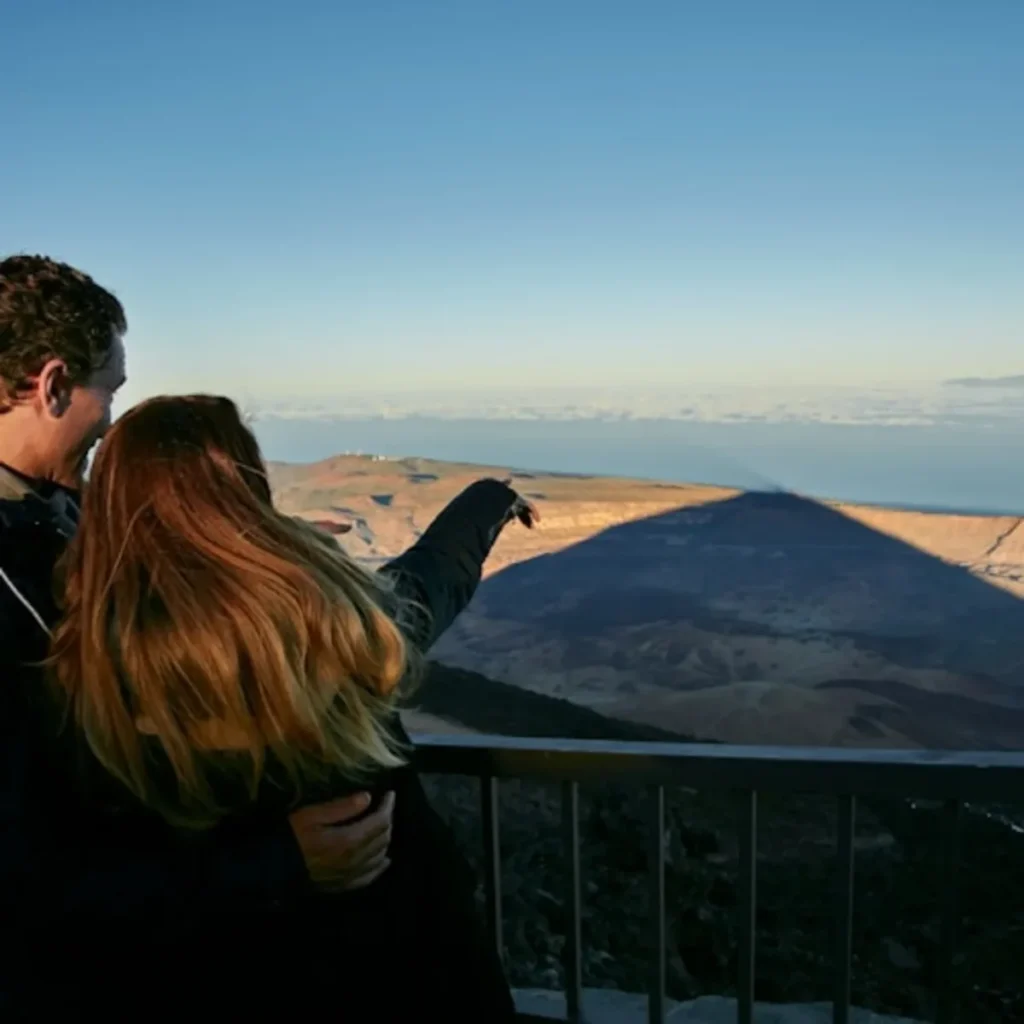
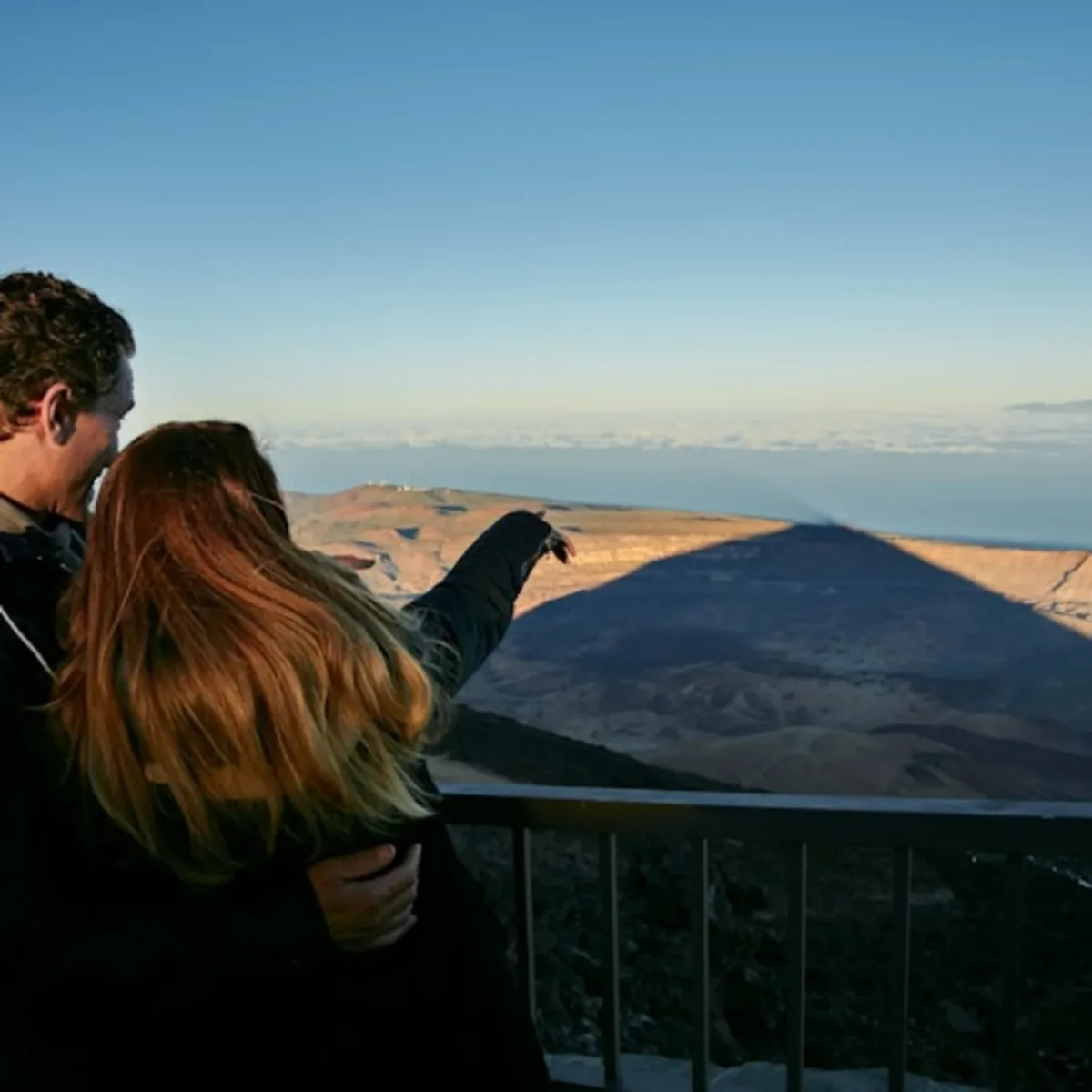
Late afternoon suits photographers and anyone who wants to see the shadow of Teide. As the sun goes down, the volcano casts an enormous shadow across the Atlantic Ocean, best seen from the higher trails or the Pico Viejo viewpoint.

Nighttime and Stargazing
The park stays open 24 hours a day, and its clear skies are certified as a Starlight Tourist Destination. If you plan to stay for stargazing, arrive before sunset so you can drive the mountain roads in daylight and give your eyes time to adjust. The cable car base station car park closes in the evening, so plan where to park.

Winter Considerations
Between December and February, snow and strong winds are common near the summit and can close the cable car and summit trails for a time. A snow-capped peak makes for a striking view, but check the weather forecast on the day and dress for temperatures that can fall below freezing at altitude.

About Teide National Park (Parque Nacional del Teide)

Teide National Park is in the center of Tenerife. It is the largest and oldest national park in the Canary Islands and a UNESCO World Heritage Site. The park is built around the Las Cañadas caldera and Mount Teide, which at 3,715 meters is the highest peak in Spain and, measured from the ocean floor, the third-tallest volcanic structure in the world. Its lava flows and colored mineral deposits shelter many endemic plants and animals, including the Teide violet and the red bugloss.

The park is an international reference for volcanic geology, and its clear skies are certified as a Starlight Tourist Destination.

Established: 1954
UNESCO World Heritage Status: Designated in 2007
Total Area: 18,990 hectares
Buffer Zone Area: 54,127 hectares
Highest Elevation: 3,715 meters
Cable Car Base Station Altitude: 2,356 meters
Cable Car Upper Station Altitude: 3,555 meters
Annual Visitor Count: More than 4 million
Number of Official Hiking Routes: 37
Number of Endemic Plant Species: 33 endemic to Tenerife, 6 of them found only in the park

Why Visit Teide National Park?

The Highest Peak in Spain

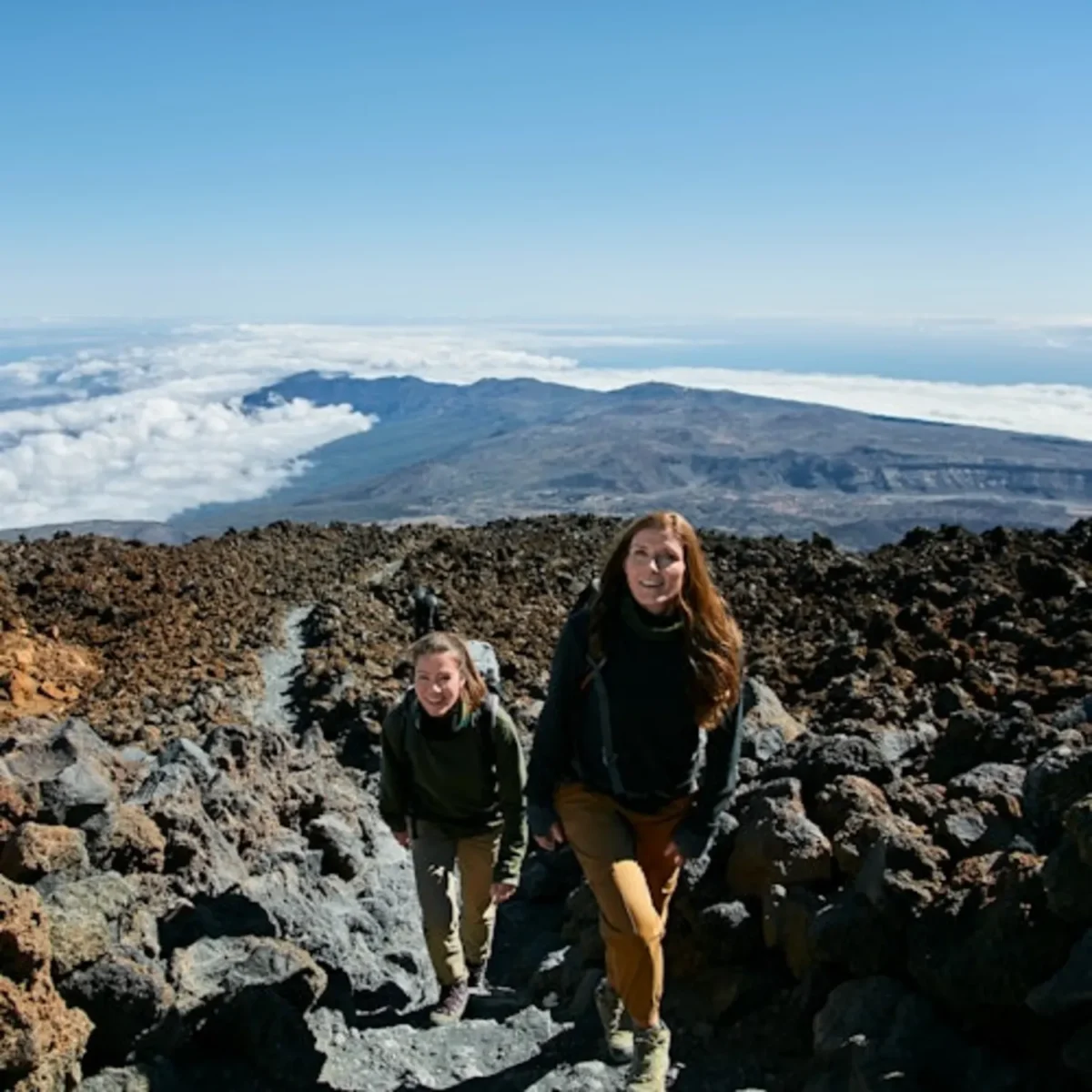
Mount Teide is the highest point in Spain, at 3,715 meters above sea level. The cable car climbs to 3,555 meters, and the last stretch to the summit is a walk on a permit-only trail. The views take in the Atlantic Ocean and, on clear days, the neighboring islands.

A Volcanic Landscape of Global Significance

UNESCO inscribed the park in 2007 for its geological features, including the Las Cañadas caldera. Visitors can walk across lava flows and past volcanic cones and mineral deposits in many colors, all of which show how the island was formed.

Exceptional Starlight Observation

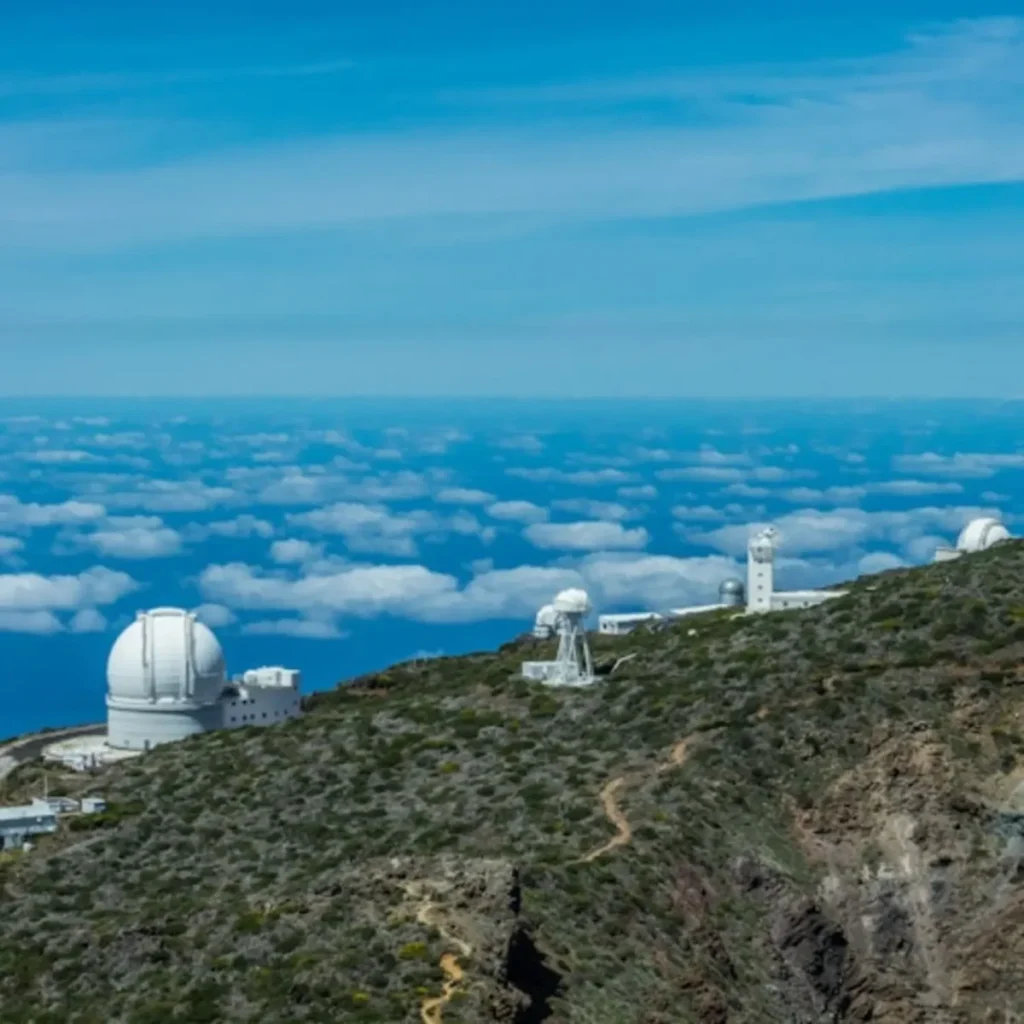
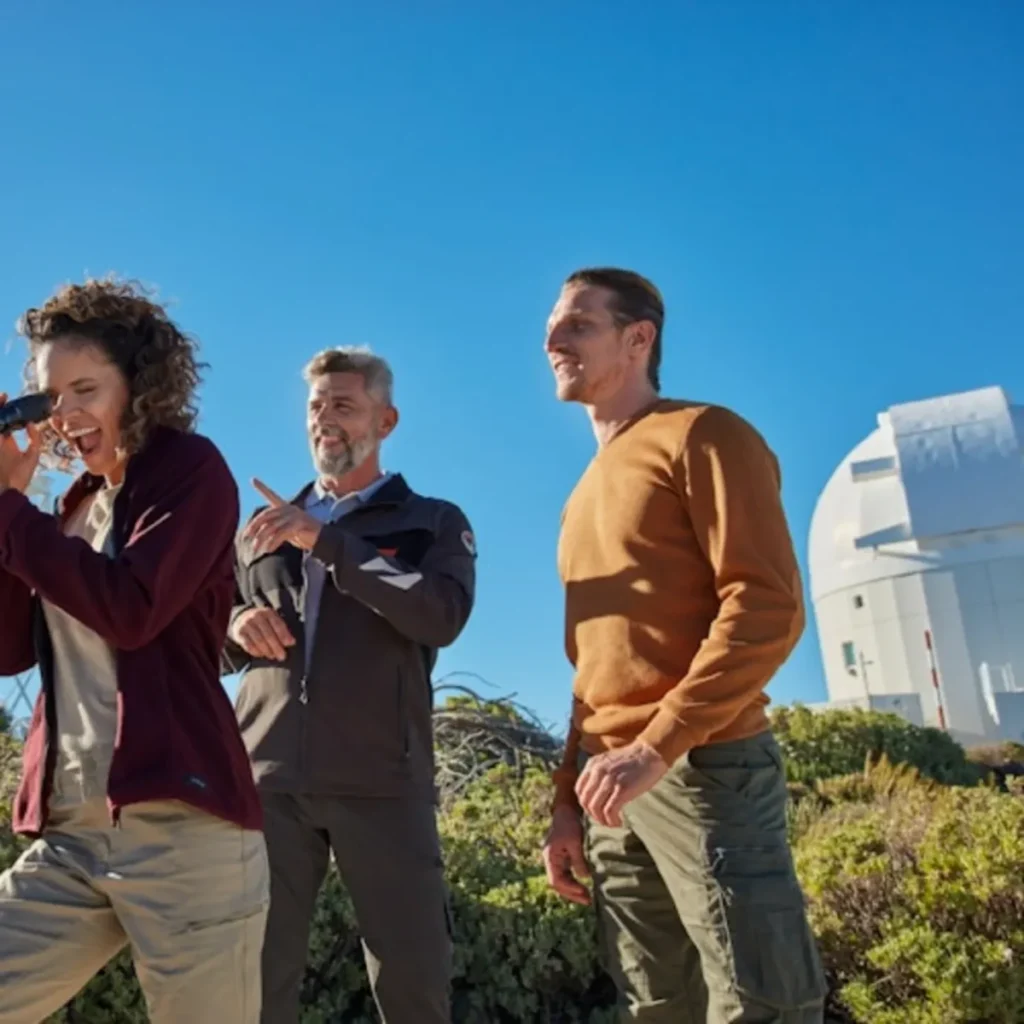
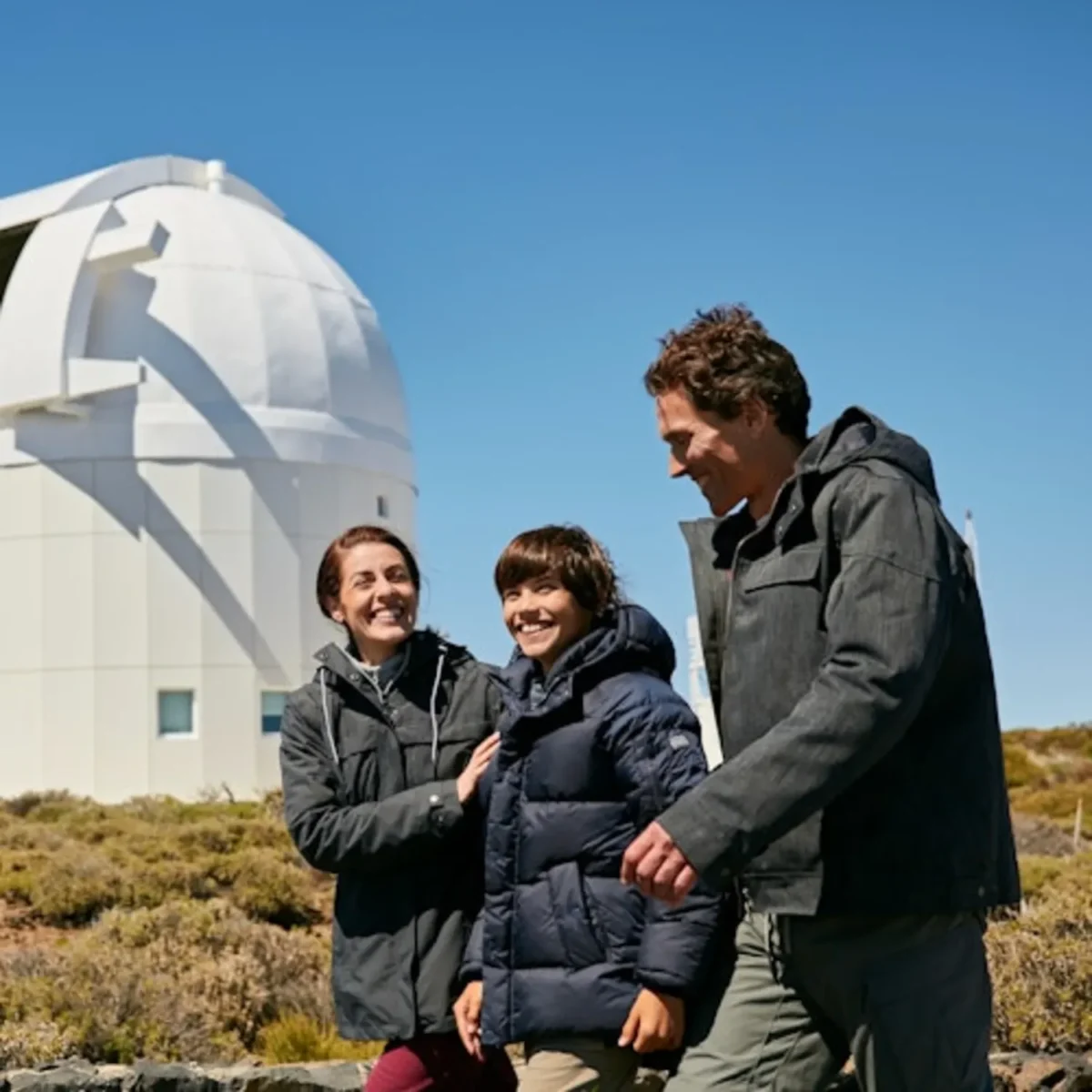
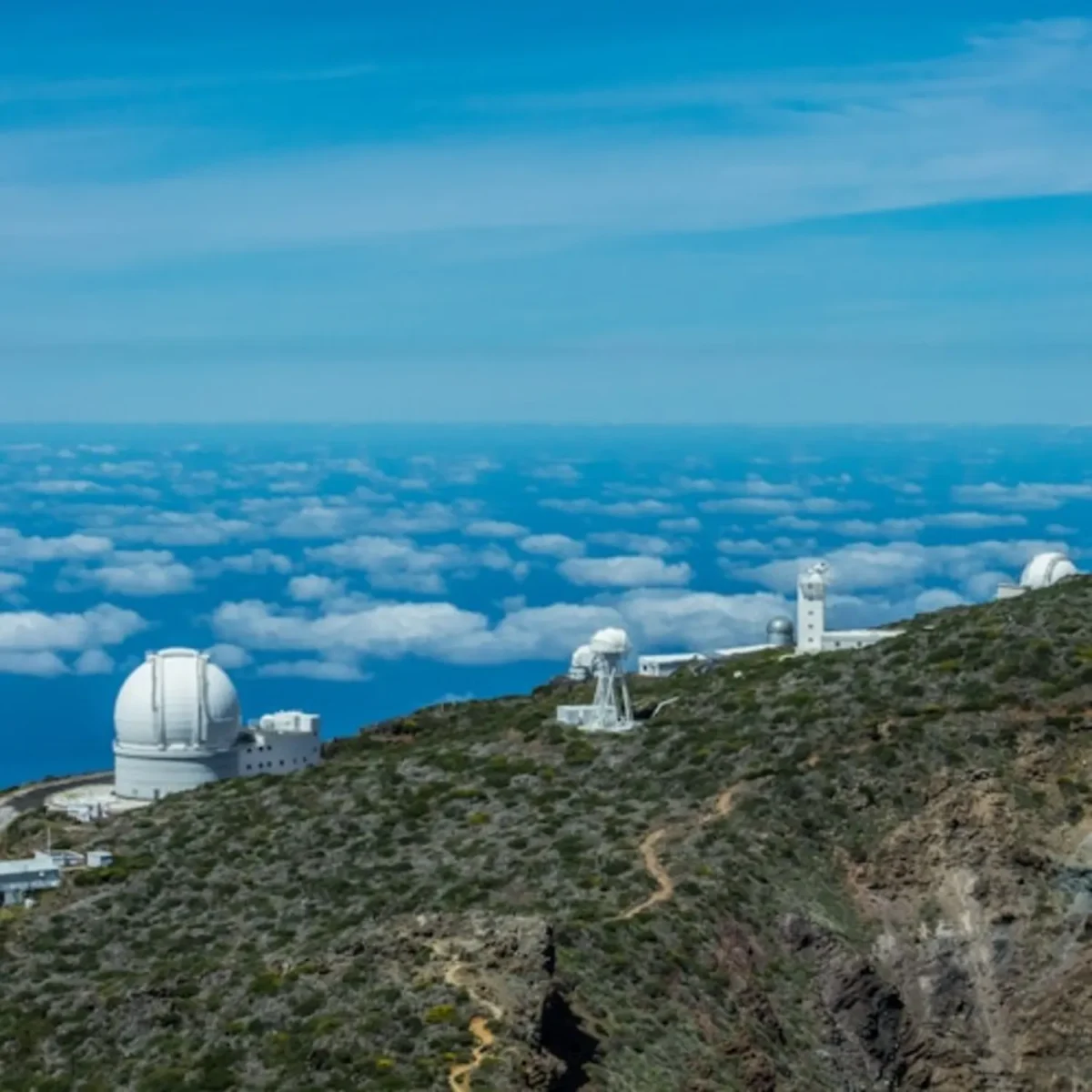
High altitude, dry air and low light pollution make the park a certified Starlight Tourist Destination. The Teide Observatory, run by the Instituto de Astrofísica de Canarias, stands nearby at Izaña, and the skies are used for professional astronomical research as well as stargazing.

Unique High-Mountain Flora and Fauna

Isolation and altitude have produced many endemic species. The Teide violet grows only on stony ground above 2,500 meters, and the towering red bugloss (tajinaste rojo) flowers in late spring.

Extensive Network of Hiking Trails

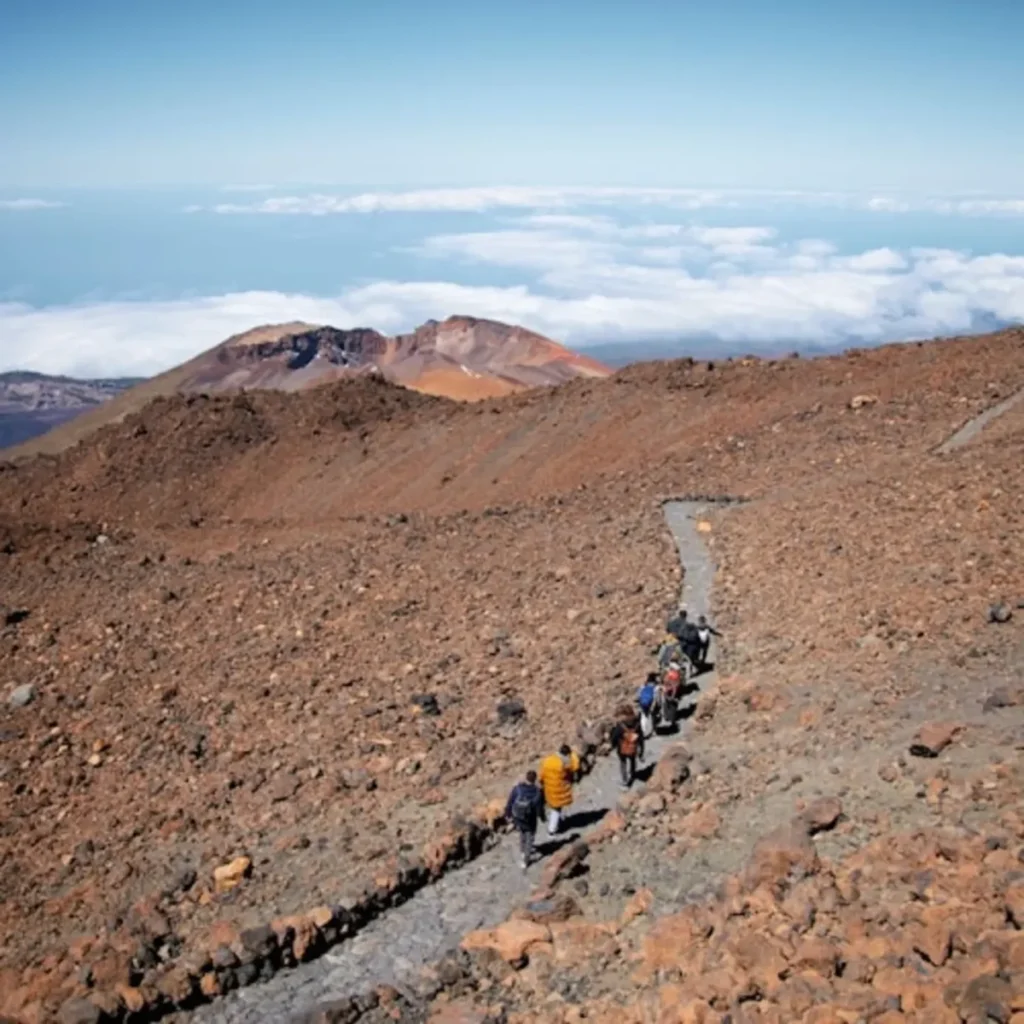
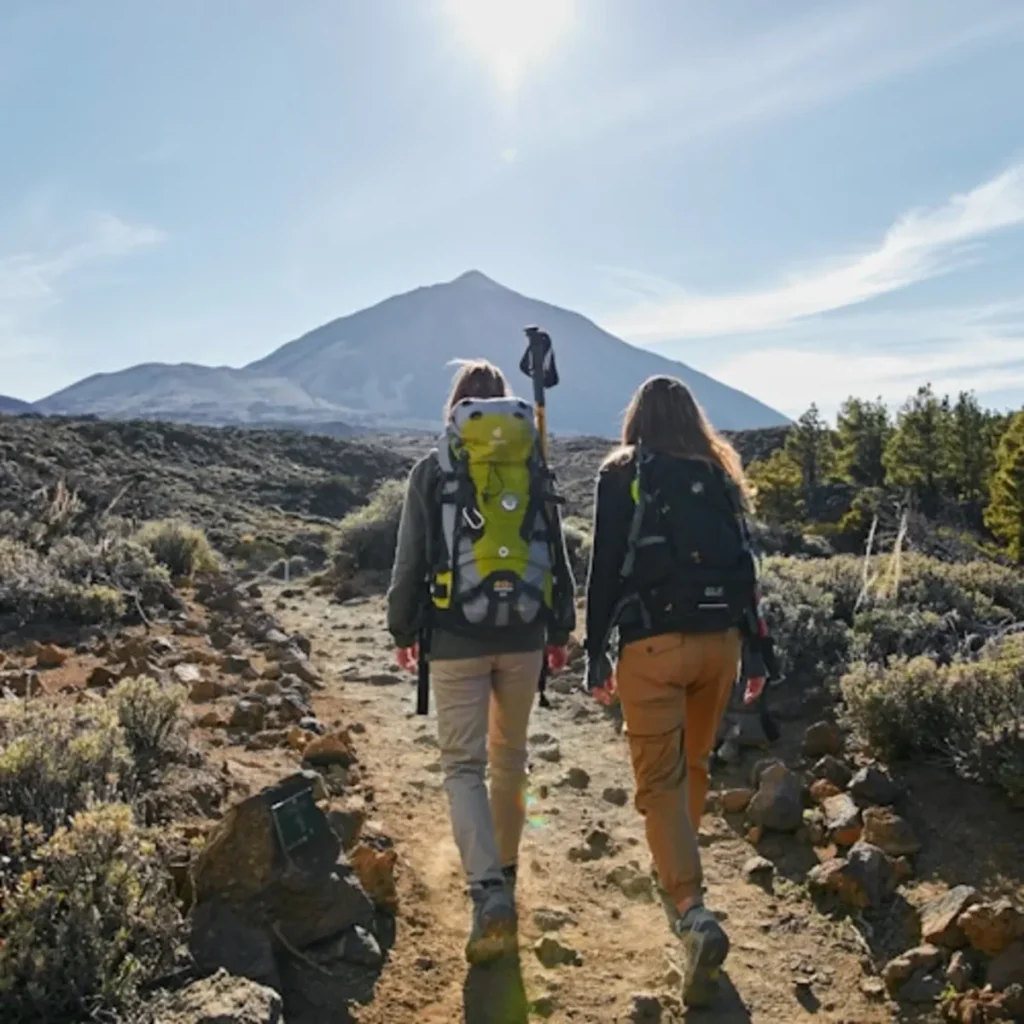
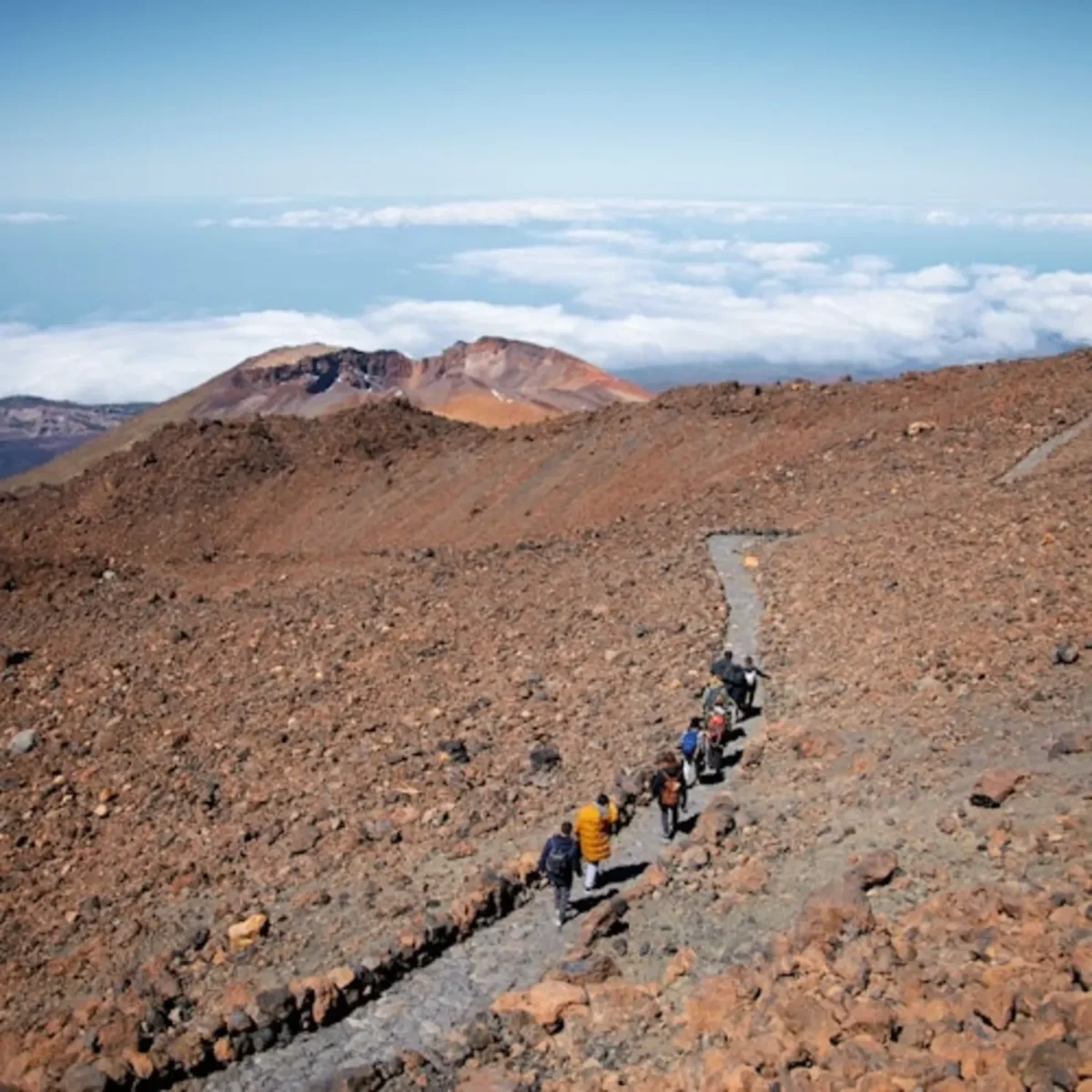
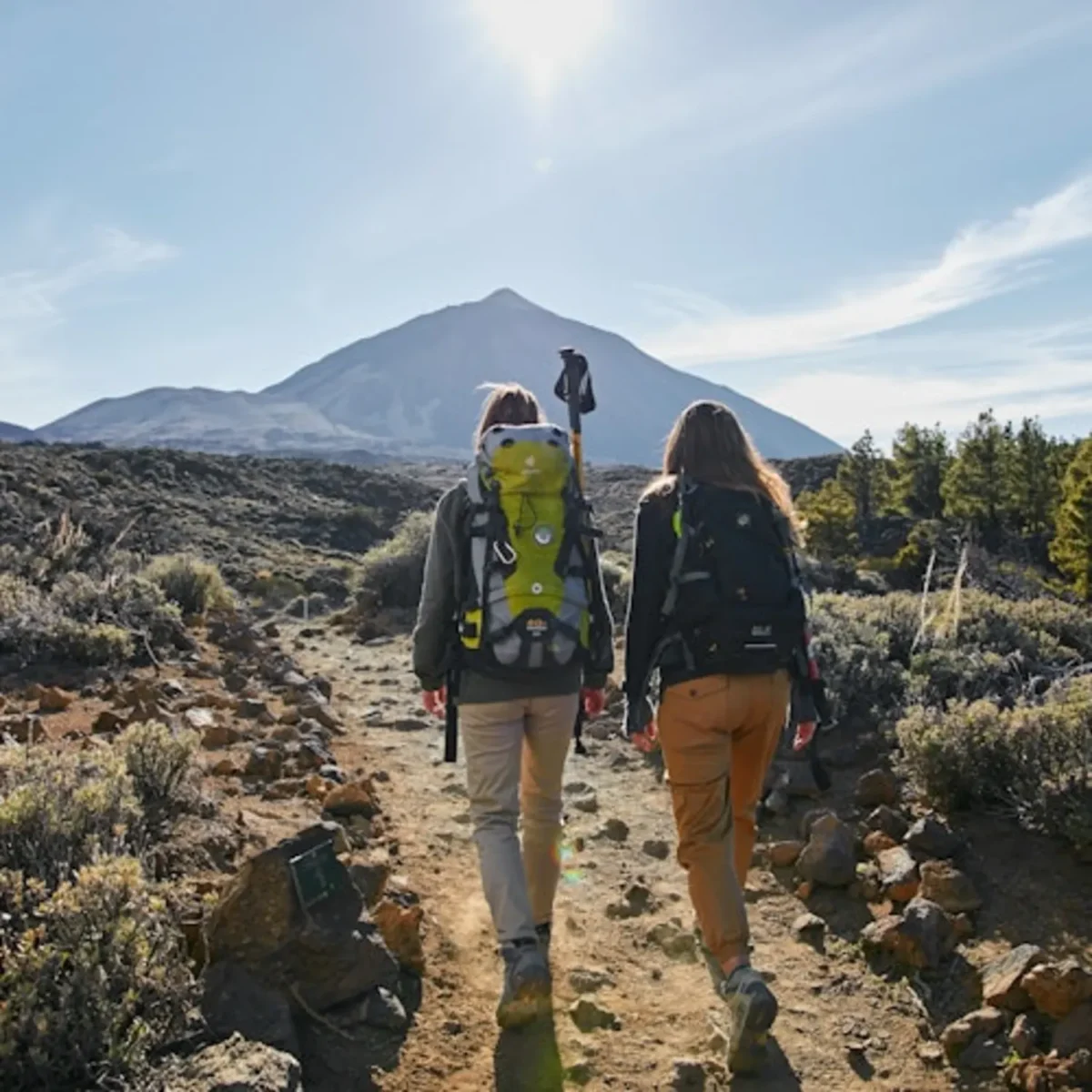
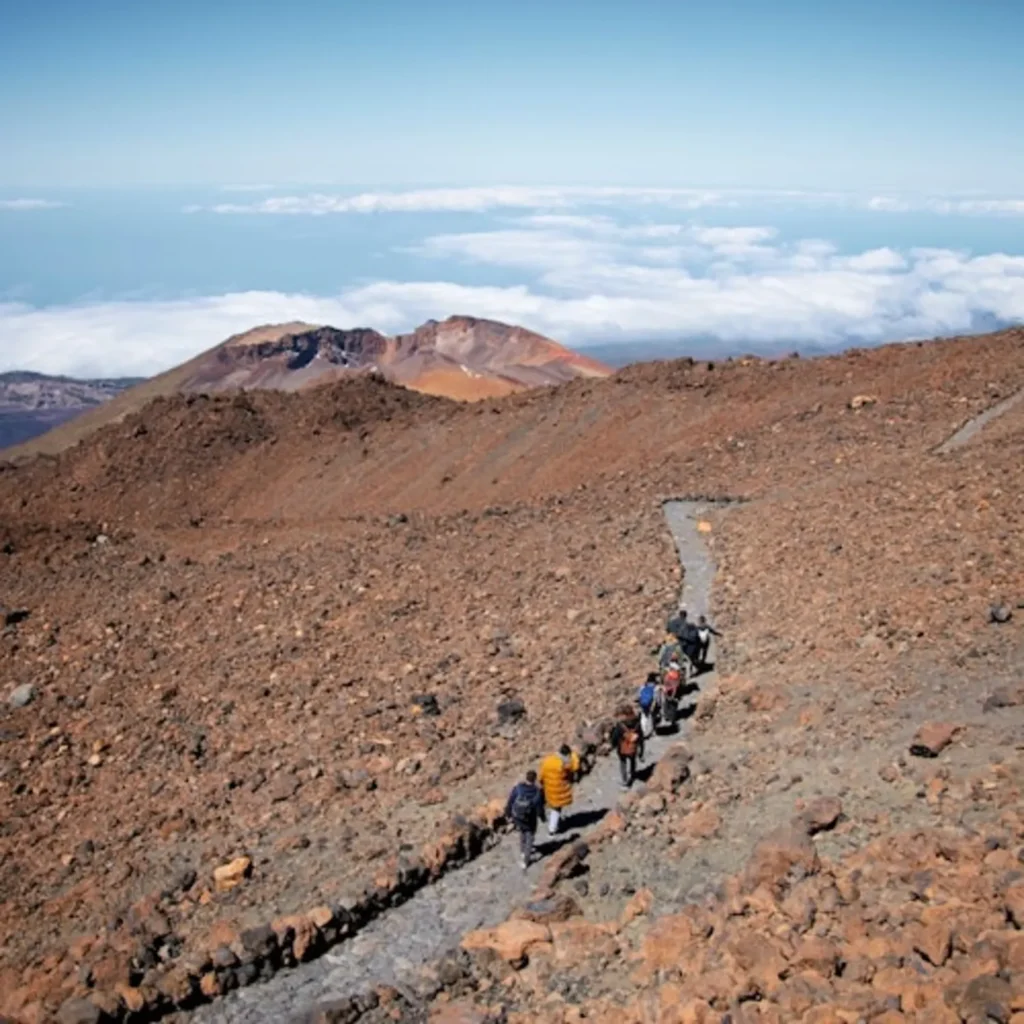
The park has a network of 37 marked trails covering more than 155 kilometers, suited to different fitness levels. They take visitors through the silence and scale of the volcanic landscape and past its main geological landmarks.

Teide National Park - Additional Info

Dining at the base station centers on a café and buffet restaurant with views over the national park. The food is traditional Canarian cuisine, and the restaurant is the highest café-restaurant in Spain.

The café offers quick-service snacks and drinks, which makes it a handy stop for hikers before or after the ascent.

Other options in the park include the restaurant at the Parador de Las Cañadas del Teide and the cafés and restaurants near El Portillo. Visitors can also bring their own food.

Interesting Facts about Teide National Park

At sunset, Mount Teide casts an enormous shadow across the sea, which is best seen from the higher trails.

Measured from its base on the ocean floor, Mount Teide is the third-tallest volcanic structure in the world.

The park's terrain and conditions resemble those of Mars, so it has been used to test instruments and rovers for Mars missions. The European Space Agency, for example, has tested rovers in the Las Minas de San José area.

The red bugloss, or tajinaste rojo, is a plant endemic to the Canary Islands. Its flower spikes can reach three meters in height in spring.

The last major eruption within the current boundaries of the national park took place in 1798, on the slopes of Pico Viejo, and formed the Narices del Teide.

The Guanches, the first inhabitants of the island, held the volcano sacred and called it Echeyde. In their beliefs it was the path that their native deity Guayota took to the center of the earth.

The park has a rich archaeological record, including the remains of Guanche shepherds' huts, which shows that the high plateau was used for grazing for centuries.

Snow often covers the summit in winter, even though the park is on a subtropical island close to the African coast.

The 2010 film Clash of the Titans and several other major productions used the park’s lunar landscapes as a filming location.

The Teide violet is a delicate flower and the highest-flowering plant in Spain.

A 1988 Spanish law known as the Ley del Cielo (Sky Law) protects the astronomical quality of the skies over Tenerife and La Palma from light, atmospheric and radio pollution.

The Las Cañadas caldera, the vast depression that surrounds the volcano, measures about 45 kilometers around.

About 70 invertebrate species, mostly beetles and spiders, are found only within the borders of this park.

The Pico Viejo crater, next to Teide, shows a striking range of colors from its mineral deposits.

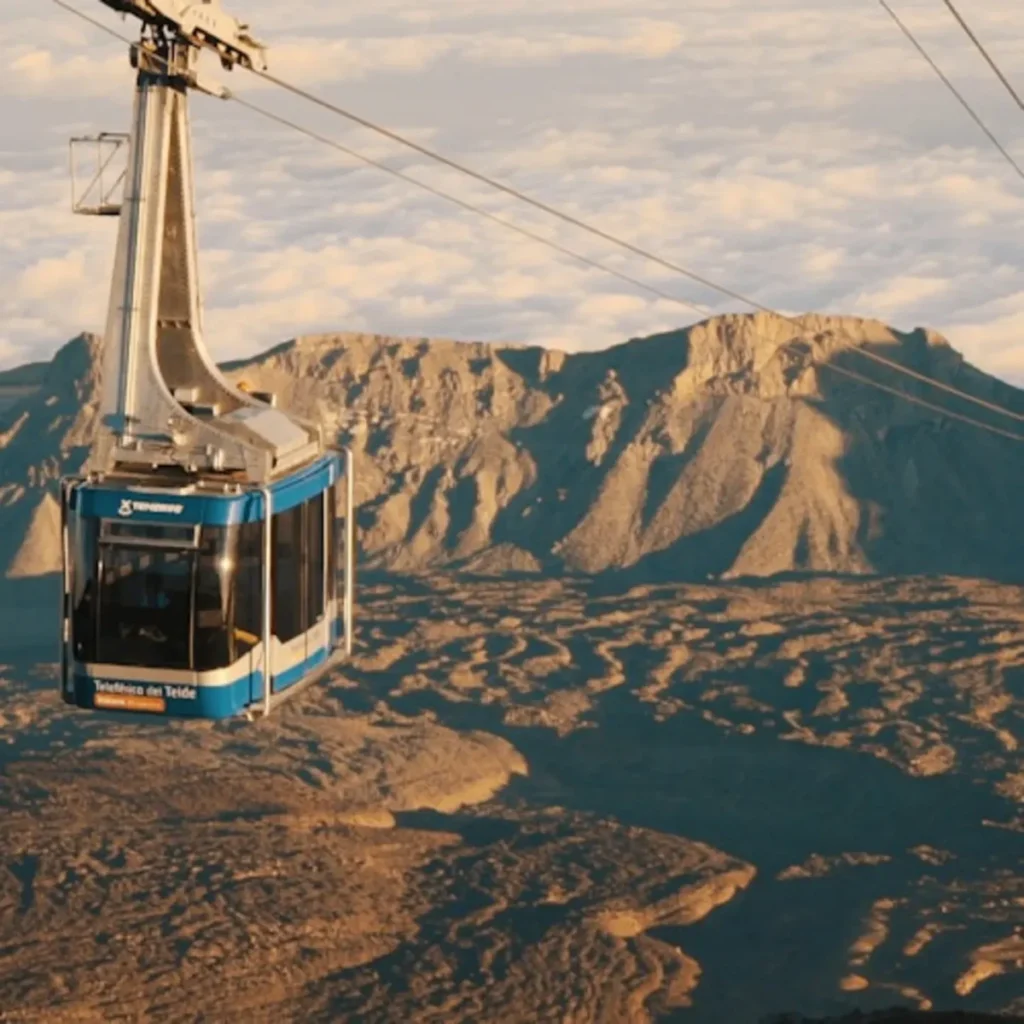
The cable car system covers a vertical distance of 1,199 meters in less than eight minutes of travel time.

FAQs about Teide National Park

What is the geological significance of the Las Cañadas caldera?

The caldera is a vast volcanic depression, about 45 kilometers around, that surrounds Mount Teide. It is one of the main reasons the park was named a UNESCO World Heritage Site.

How does Mount Teide rank among the world's tallest volcanoes?

Measured from its base on the ocean floor, it is the third-tallest volcanic structure in the world.

What is the unique phenomenon regarding the shadow of Mount Teide?

At sunset, the volcano casts an enormous shadow across the sea, which is best seen from the higher trails and viewpoints such as Pico Viejo.

Why is the park compared to the planet Mars?

The park's terrain and environmental conditions resemble those of Mars, so it has been used to test instruments and rovers for Mars missions. The European Space Agency, for example, has tested rovers in the Las Minas de San José area.

Are there plants in the park that exist nowhere else?

Yes. About 33 of the park's plant species are endemic to Tenerife, and six of them grow only inside the park. Notable examples are the Teide violet and the towering red bugloss.

What is the historical significance of the park to the Guanche people?

The Guanches, the first inhabitants of the island, held the mountain sacred and called it Echeyde. In their beliefs it was the path that their native deity Guayota took to the center of the earth.

How much elevation does the cable car gain during its trip?

The cable car climbs 1,199 meters, from the base station at 2,356 meters to the upper station at 3,555 meters, in under eight minutes.

Do I need a permit to reach the absolute summit of the volcano?

Yes. A permit booked in advance through Tenerife ON, the Cabildo de Tenerife's official platform, is mandatory for the final stretch on the Telesforo Bravo trail (PNT 10). Most visitors pay a fee for daytime slots, and a standard cable car ticket does not include the permit.

Are there any age or health restrictions for the cable car?

The ascent is not permitted for children under three, pregnant women and people with cardiovascular conditions, because of the altitude. It is also not permitted for people with physical or motor disabilities.

What kind of footwear is recommended for visiting the park?

Sturdy hiking boots with good grip are strongly recommended for the sharp, loose volcanic terrain, and mountain footwear is mandatory on the summit trail.

Can I visit the park at night for stargazing?

Yes. The park is open 24 hours a day and is a certified Starlight Tourist Destination. The cable car base station car park closes in the evening, so plan where to park.

What should I do if the cable car closes due to weather?

Check the operational status online before you set off, because high winds can close the cable car at short notice.

Is it possible to take public transport to the park?

Yes. The TITSA network runs two lines, 342 from the south and 348 from Puerto de la Cruz, each with one trip a day in each direction between the coast and the park.

Are there facilities for charging electric vehicles at the venue?

The cable car base station has charging points of 7 kW and 22 kW for visitors arriving in electric vehicles.

This website sells official tickets for this venue. Please note, however, that it is not the official website of the venue.
The images and videos on this website may contain visual elements that have been created or enhanced using AI technology. They are provided for illustrative purposes only.