Estamos tramitando tu solicitud.
Por favor, no cierres ni actualices la página.
Inicio Parque Nacional Del Teide

Teide National Park, Tenerife: Tickets and Info

Esta página web ofrece entradas oficiales para este recinto. Sin embargo, ten en cuenta que no se trata de la página web oficial del recinto.
Entradas para el móvil

Entradas para el móvil

¡Todo lo que necesitas, en tu bolsillo!
¿A qué esperas?

¿A qué esperas?

Evita las colas y disfruta de acceso prioritario
Confirmación inmediata

Confirmación inmediata

Recibe tus entradas segundos después de la compra
Condiciones de cancelación flexibles

Condiciones de cancelación flexibles

Cancelación gratuita hasta 24 horas antes del evento, disponible en determinadas experiencias

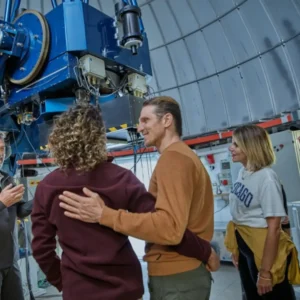
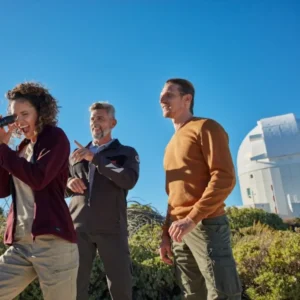
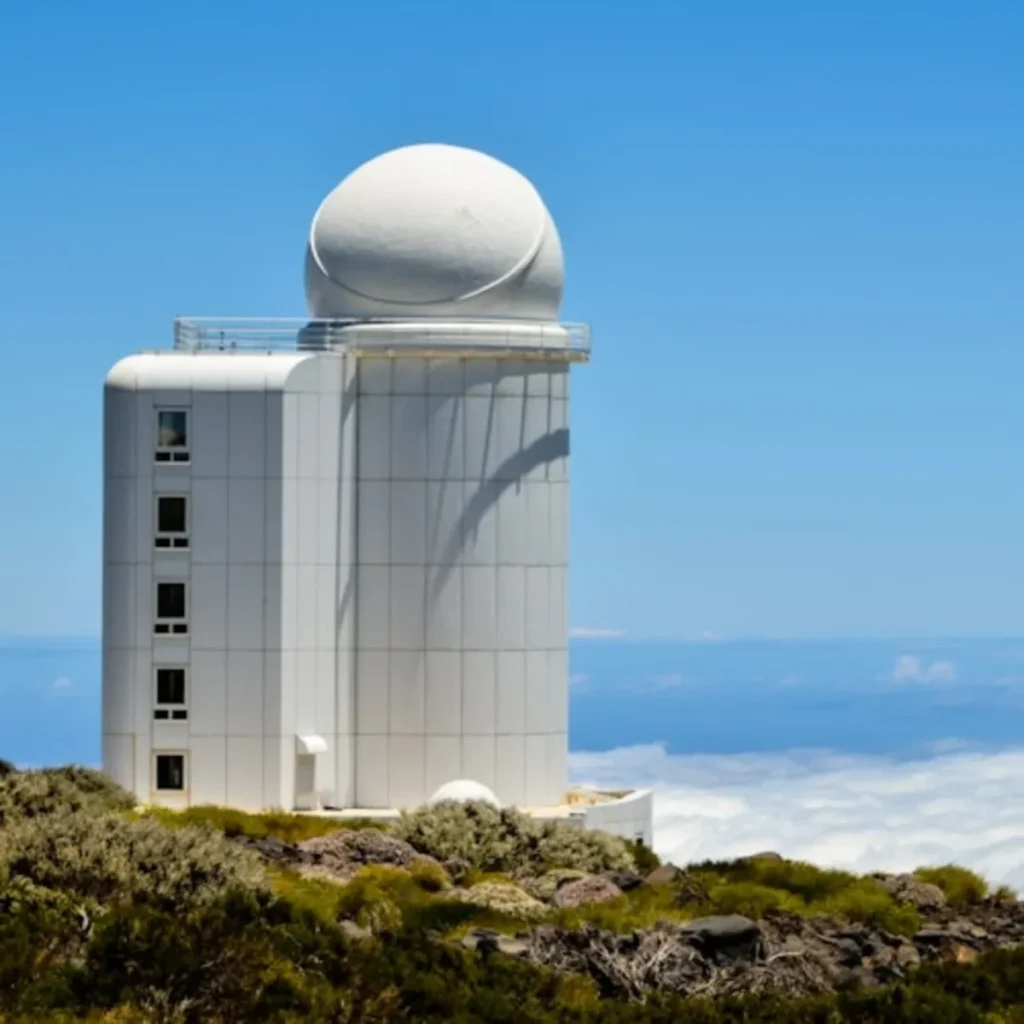
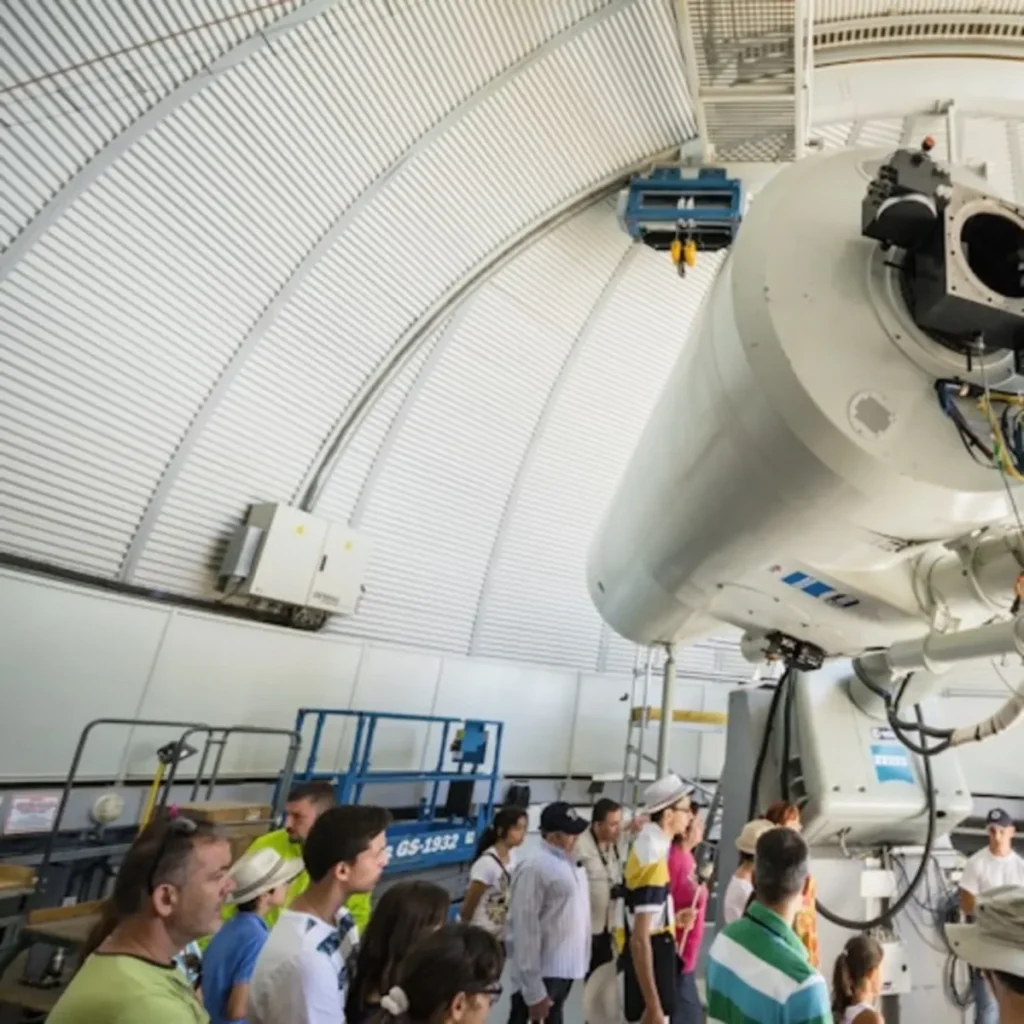
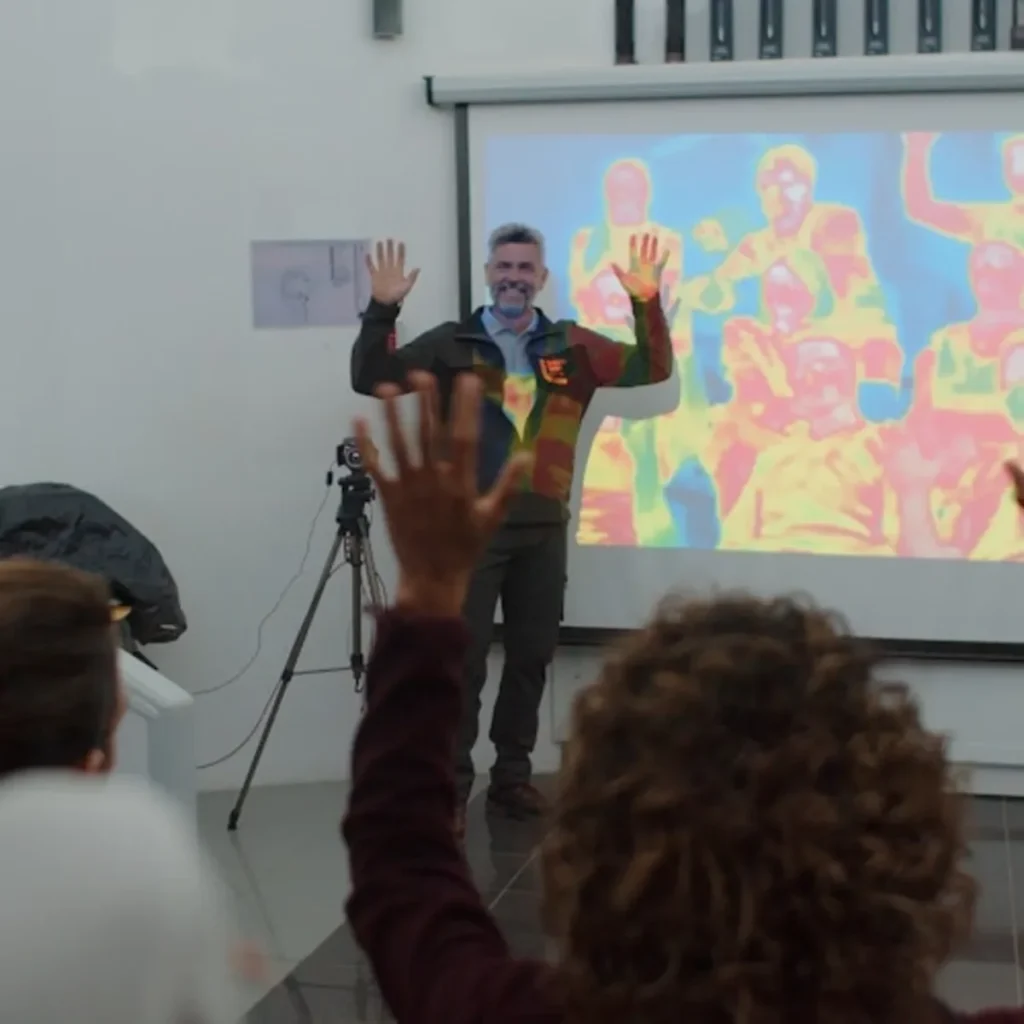
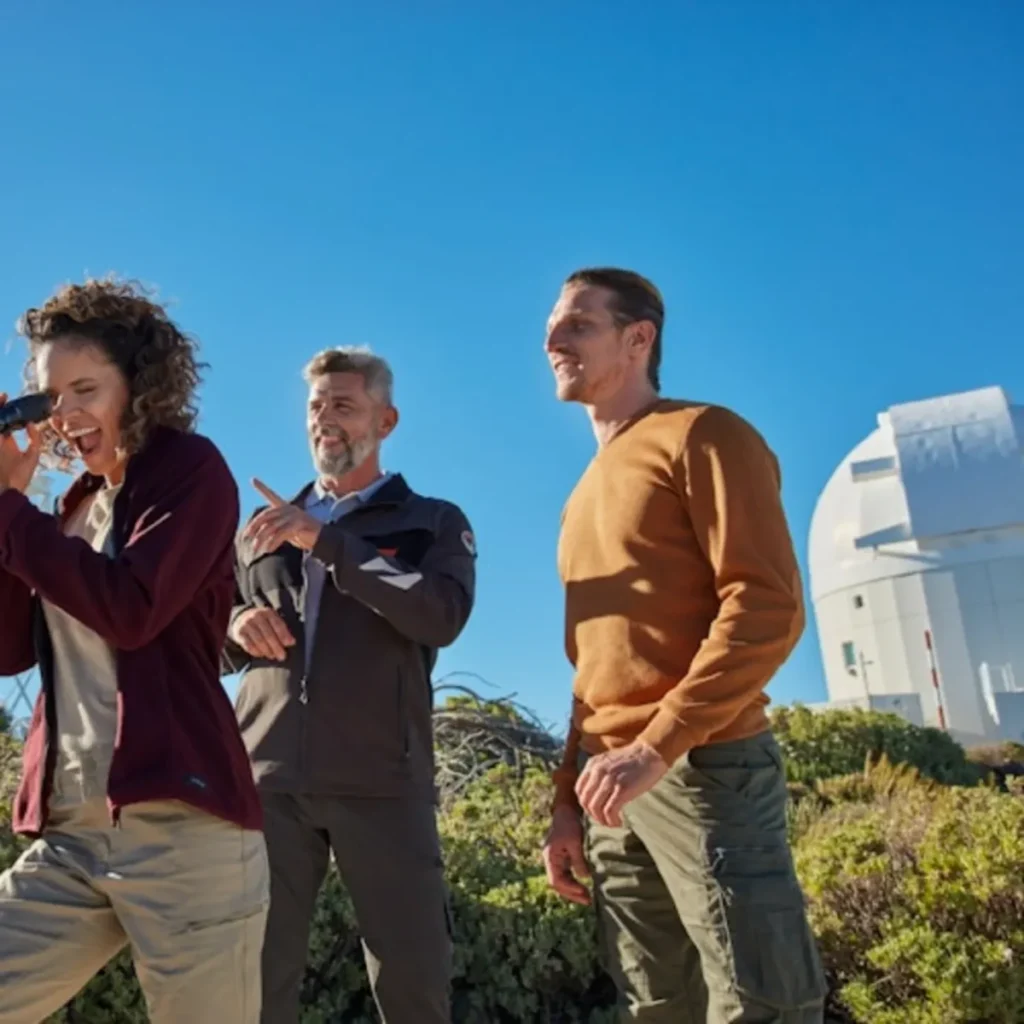
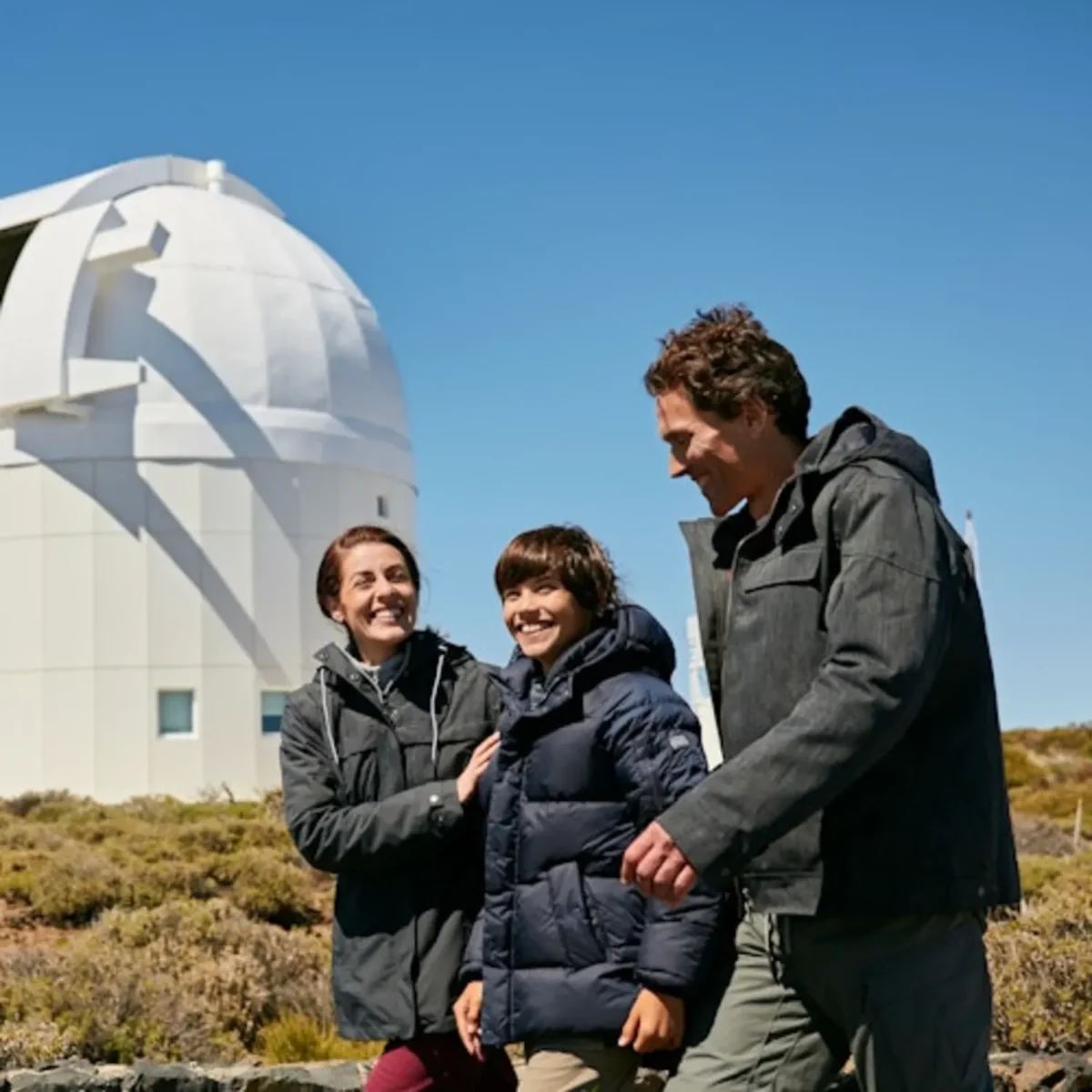
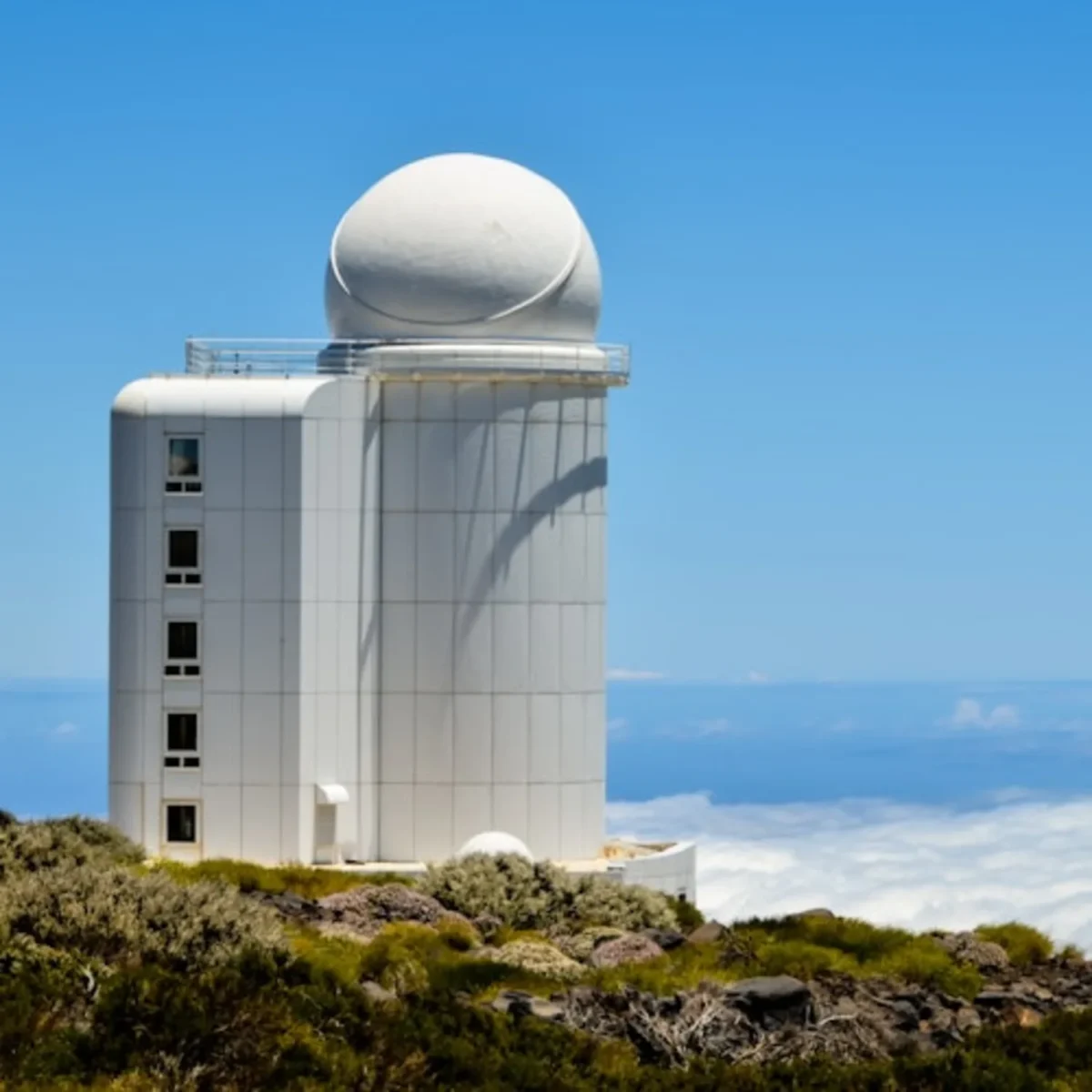
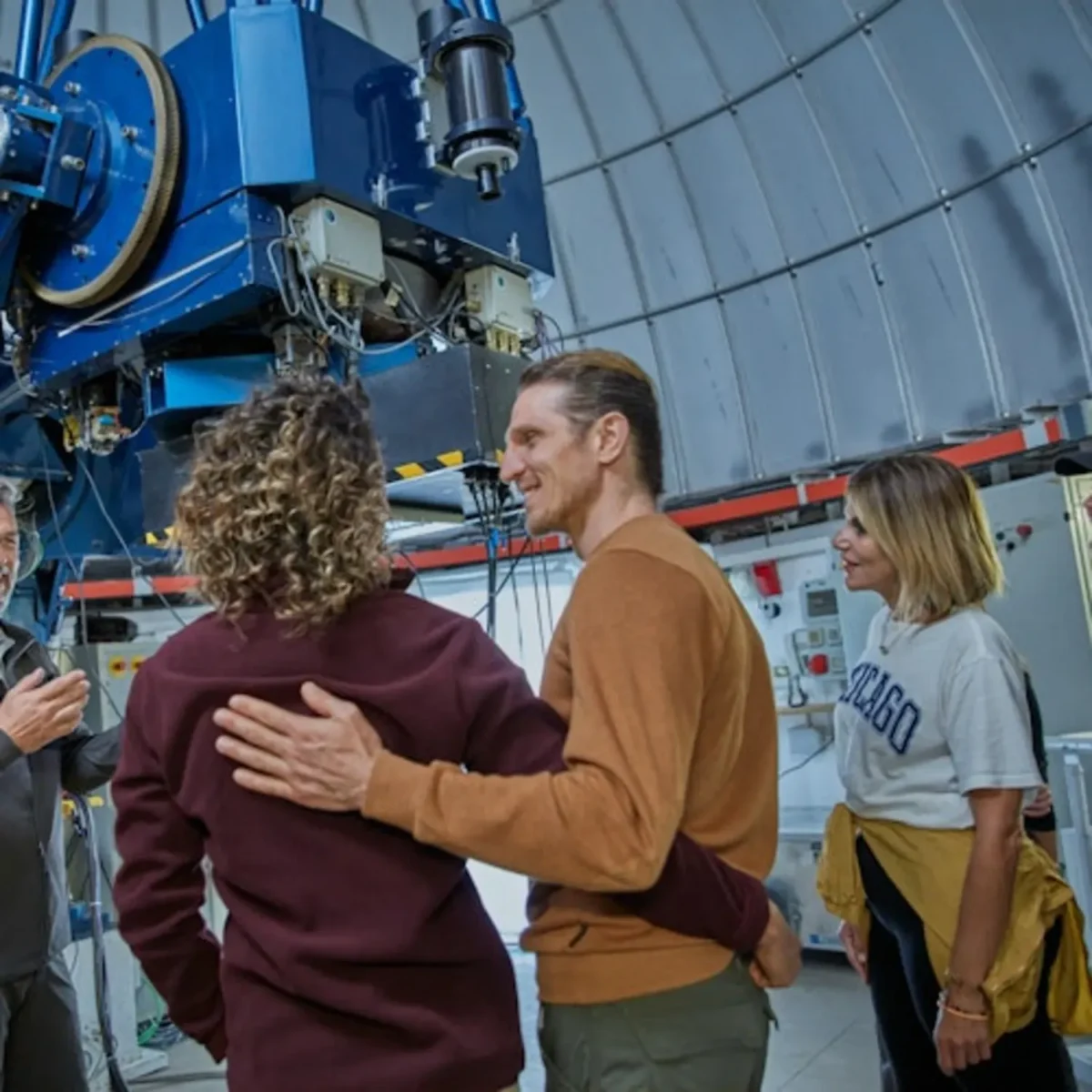
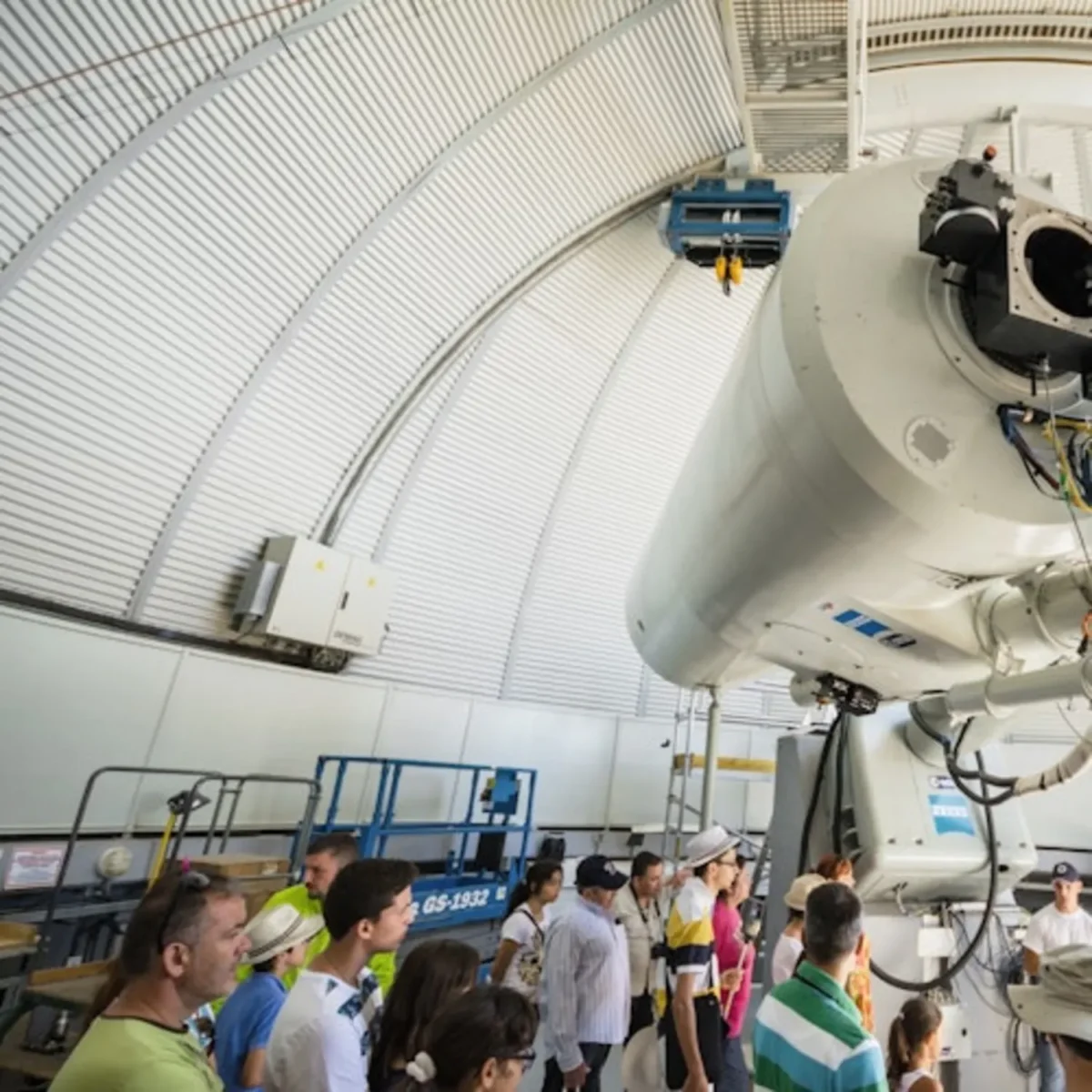
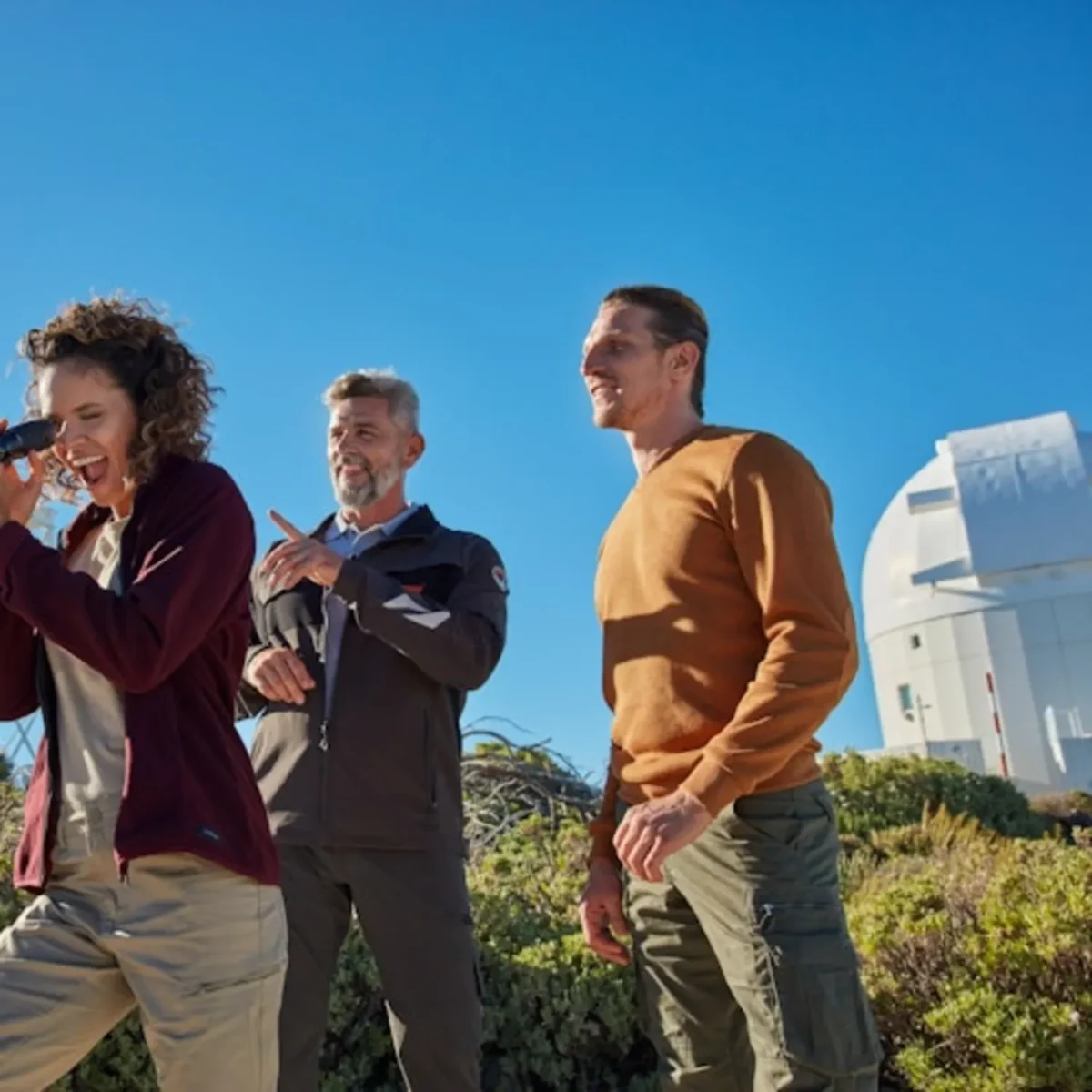
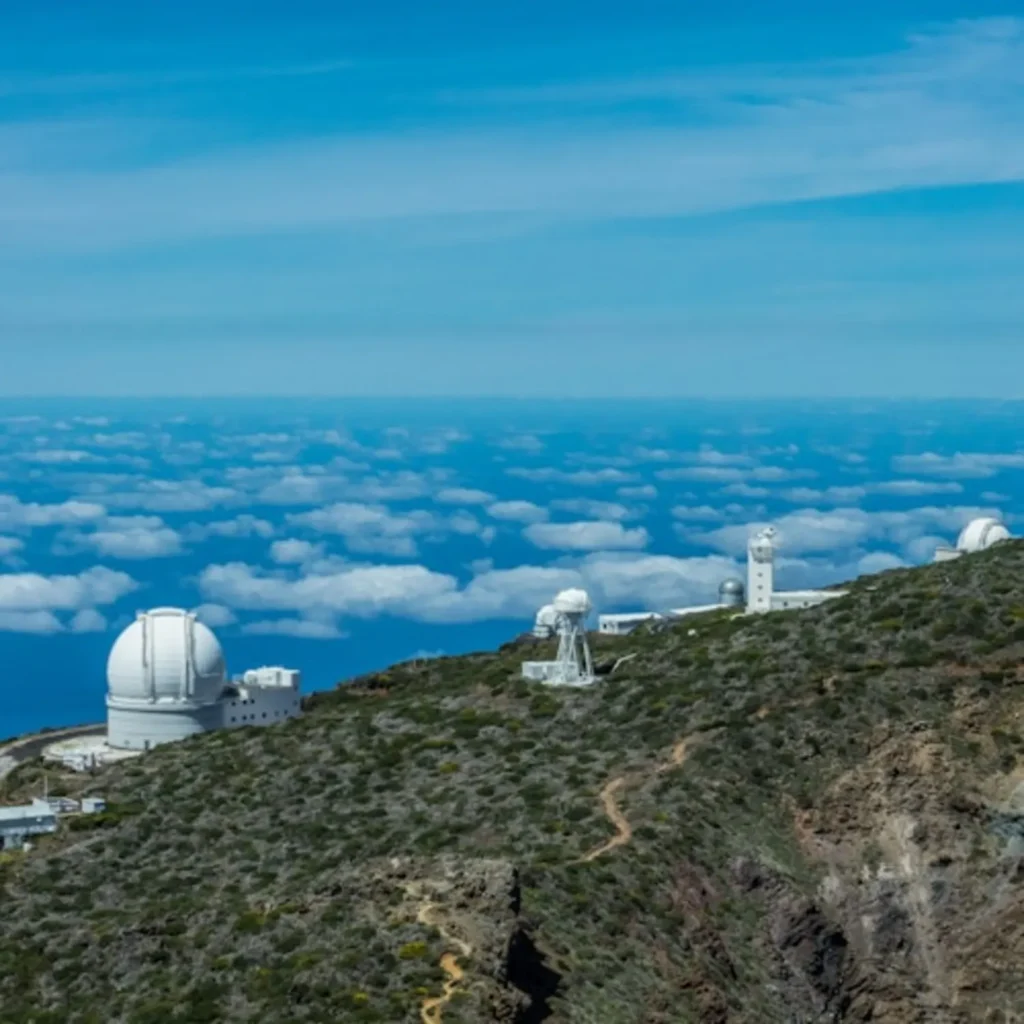
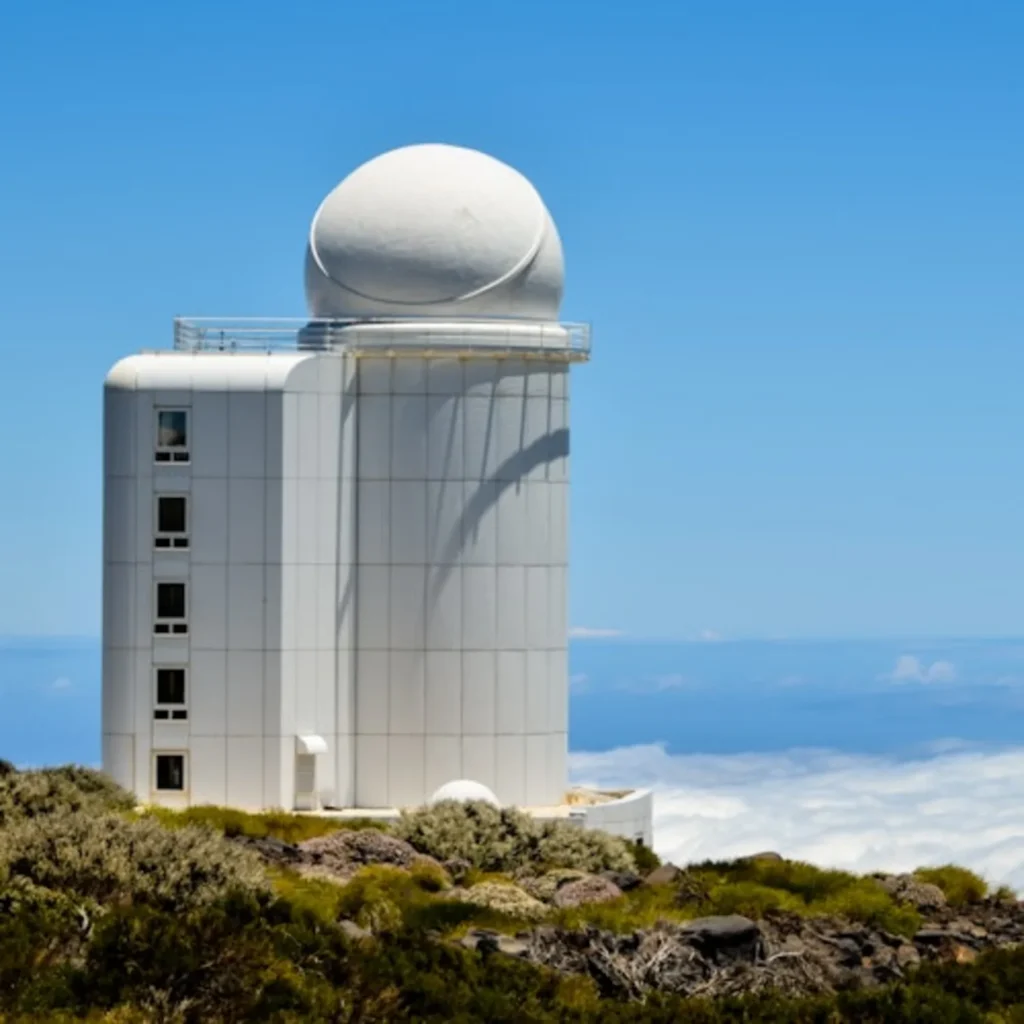
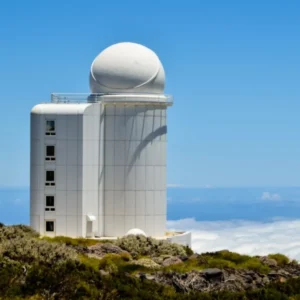
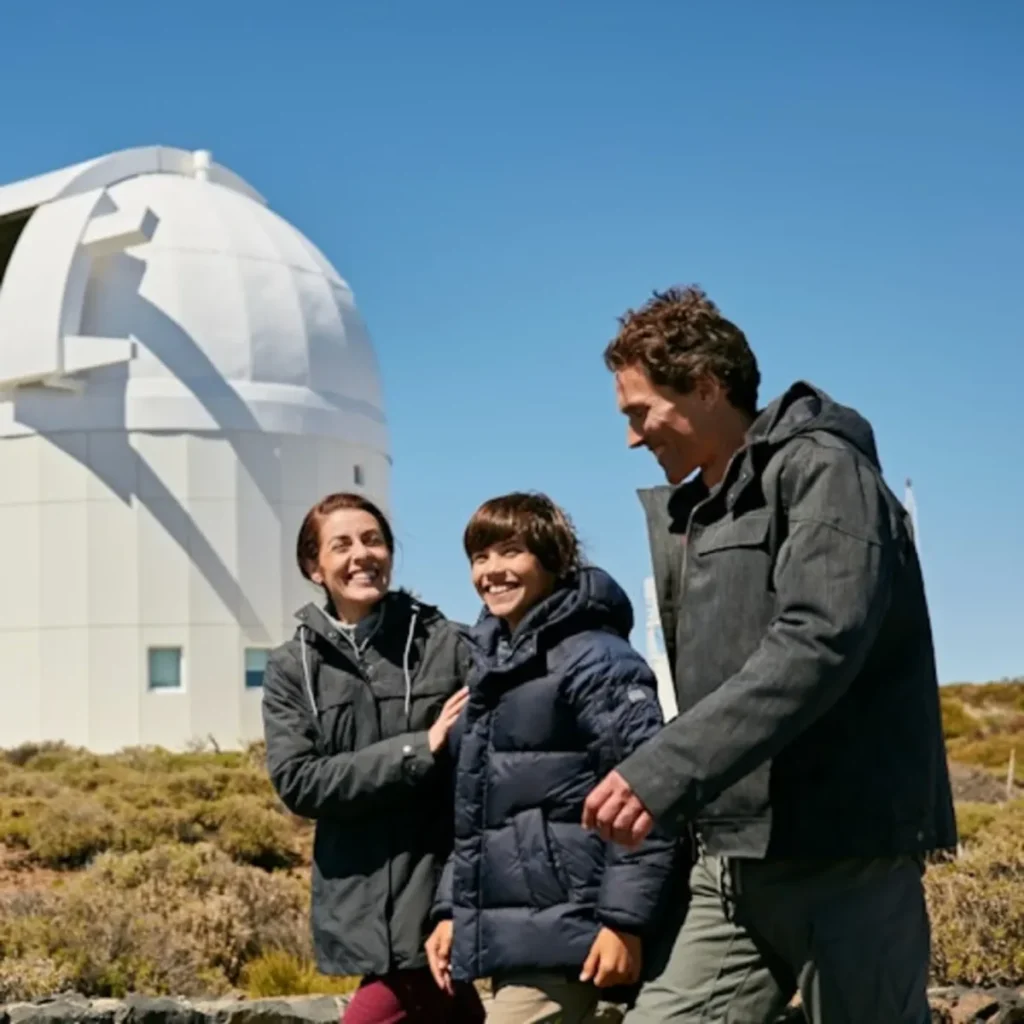
Observatorio del Teide: Visita guiada

Destacados

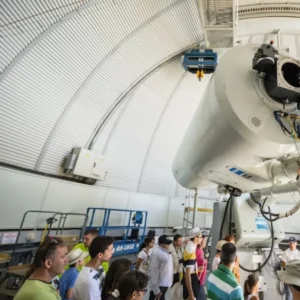
Explora el observatorio solar más grande del mundo.

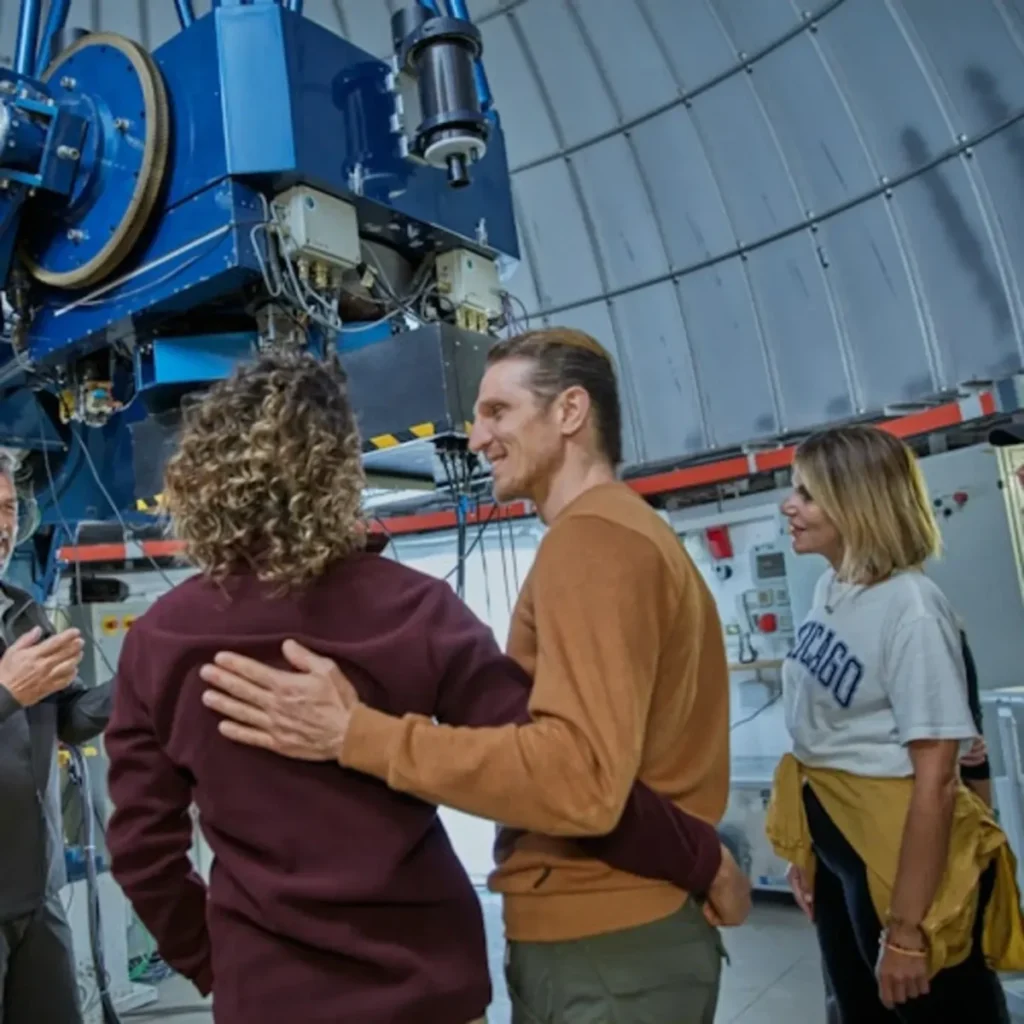
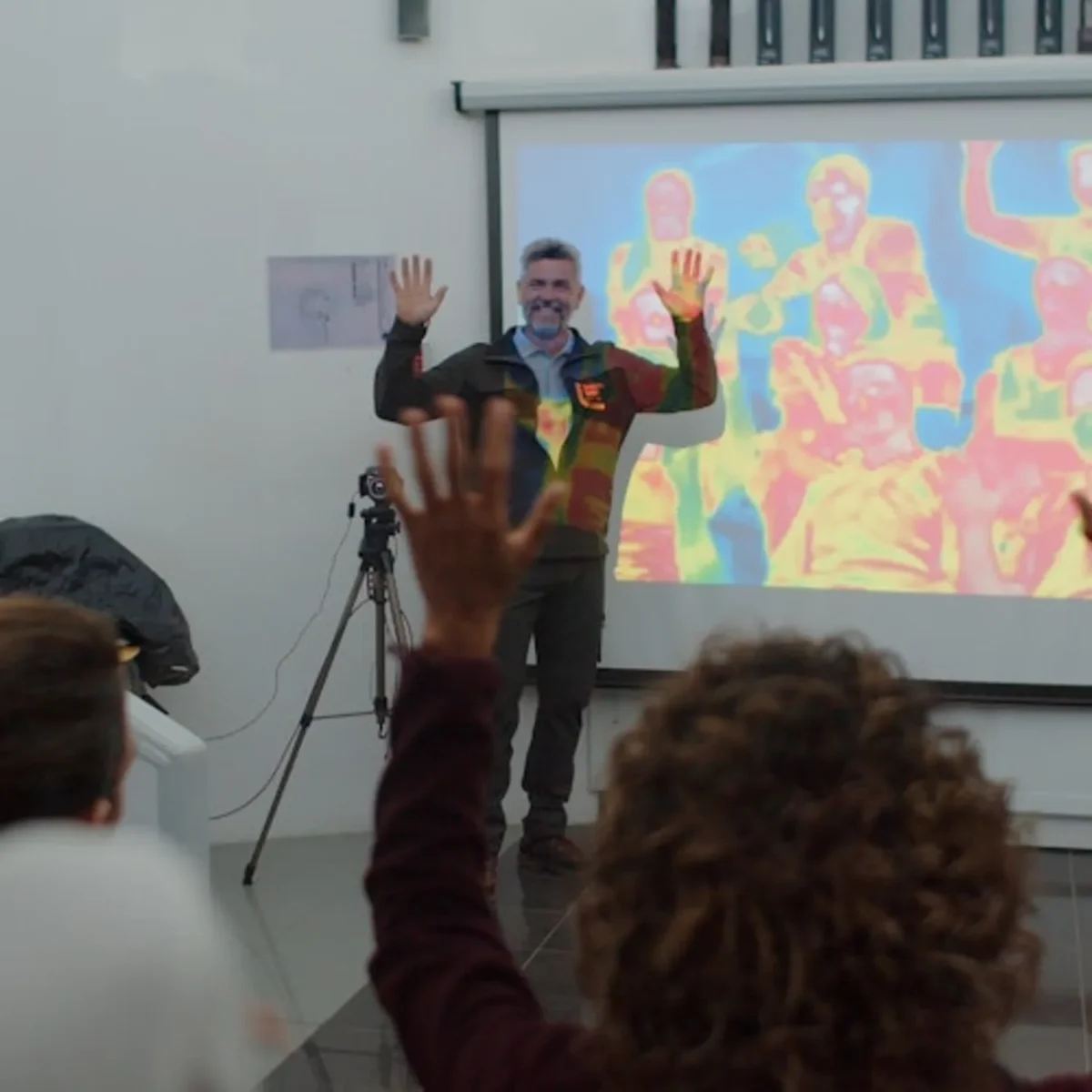
Asiste a un taller de introducción a la astrofísica.

Observa las manchas solares y las erupciones solares a través de telescopios solares especializados.

Aprovecha los consejos de un guía experto en astrofísica.

Disfruta de acceso prioritario con una entrada rápida.

Elige entre las visitas guiadas en directo disponibles en inglés y en varios idiomas más.
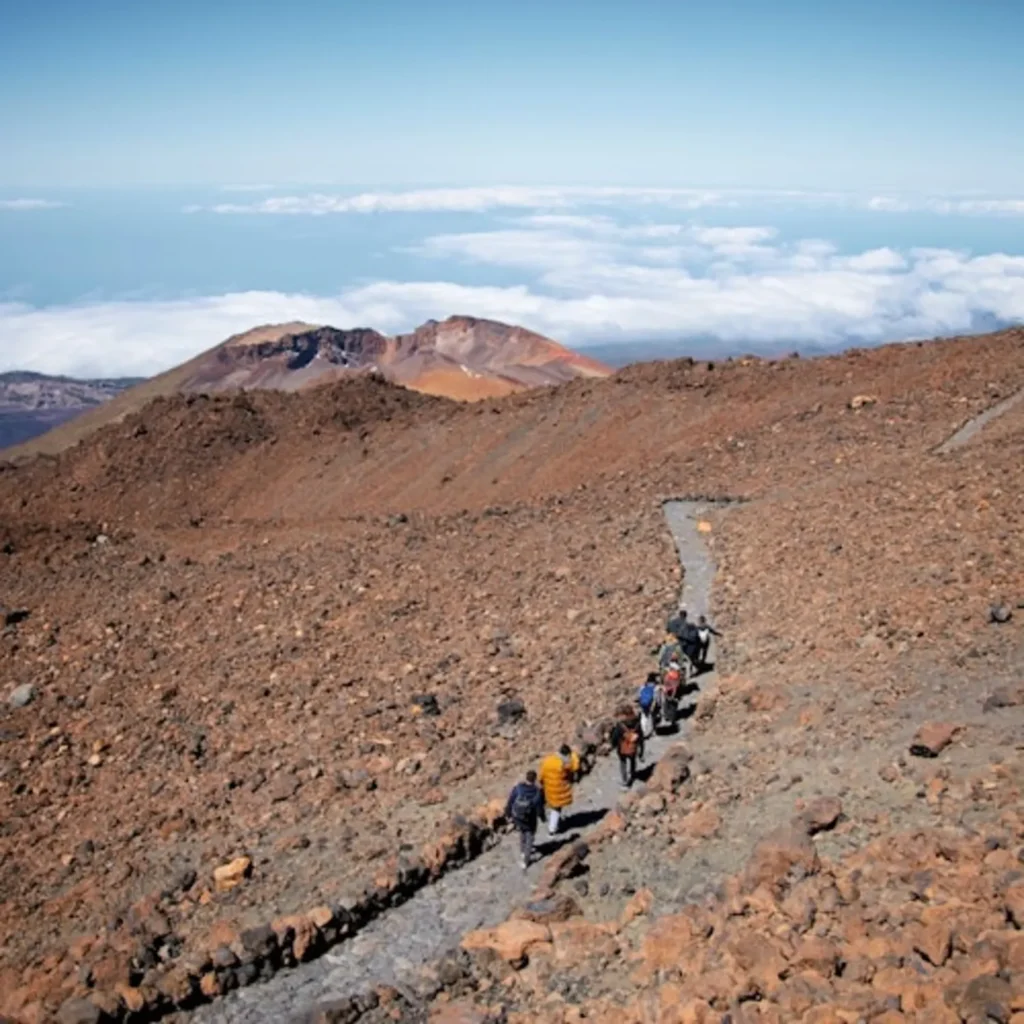
Teide: Visita guiada, excursión a la cima + teleférico

Destacados

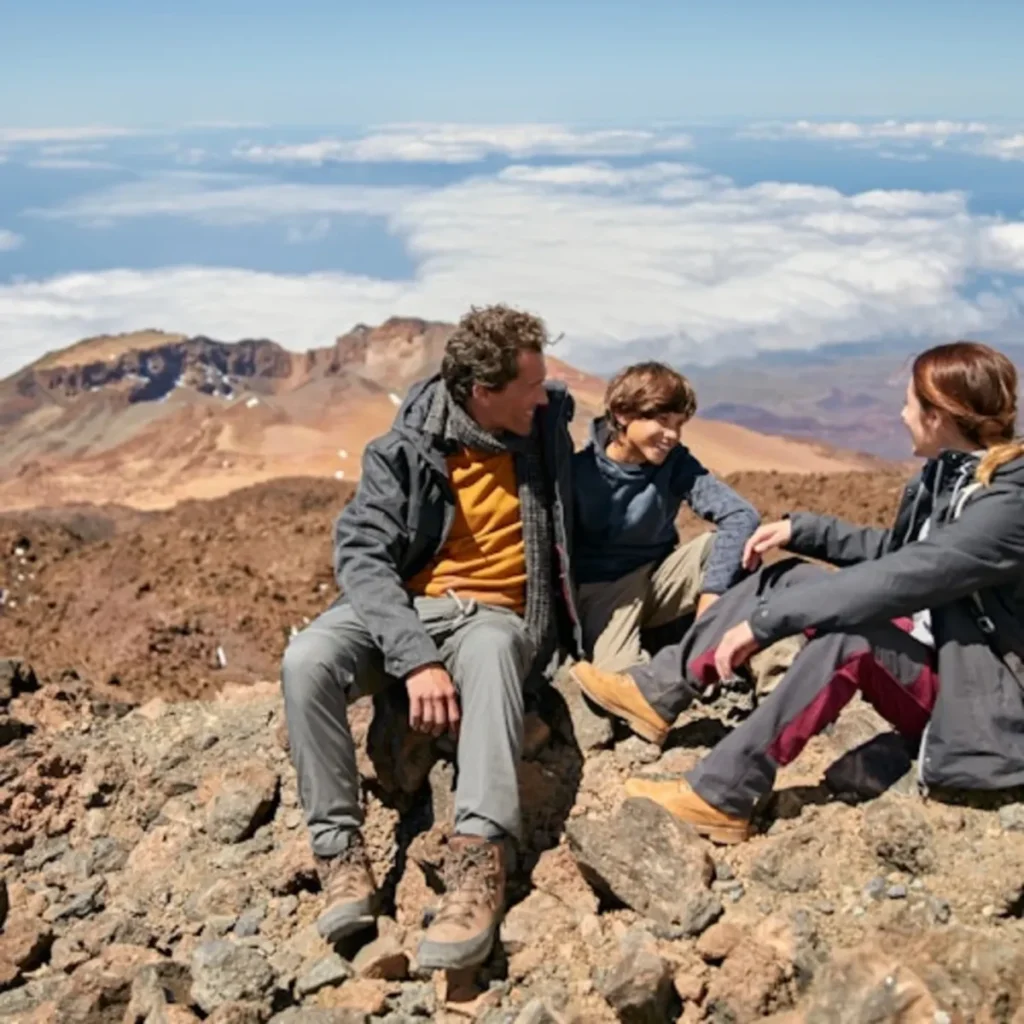
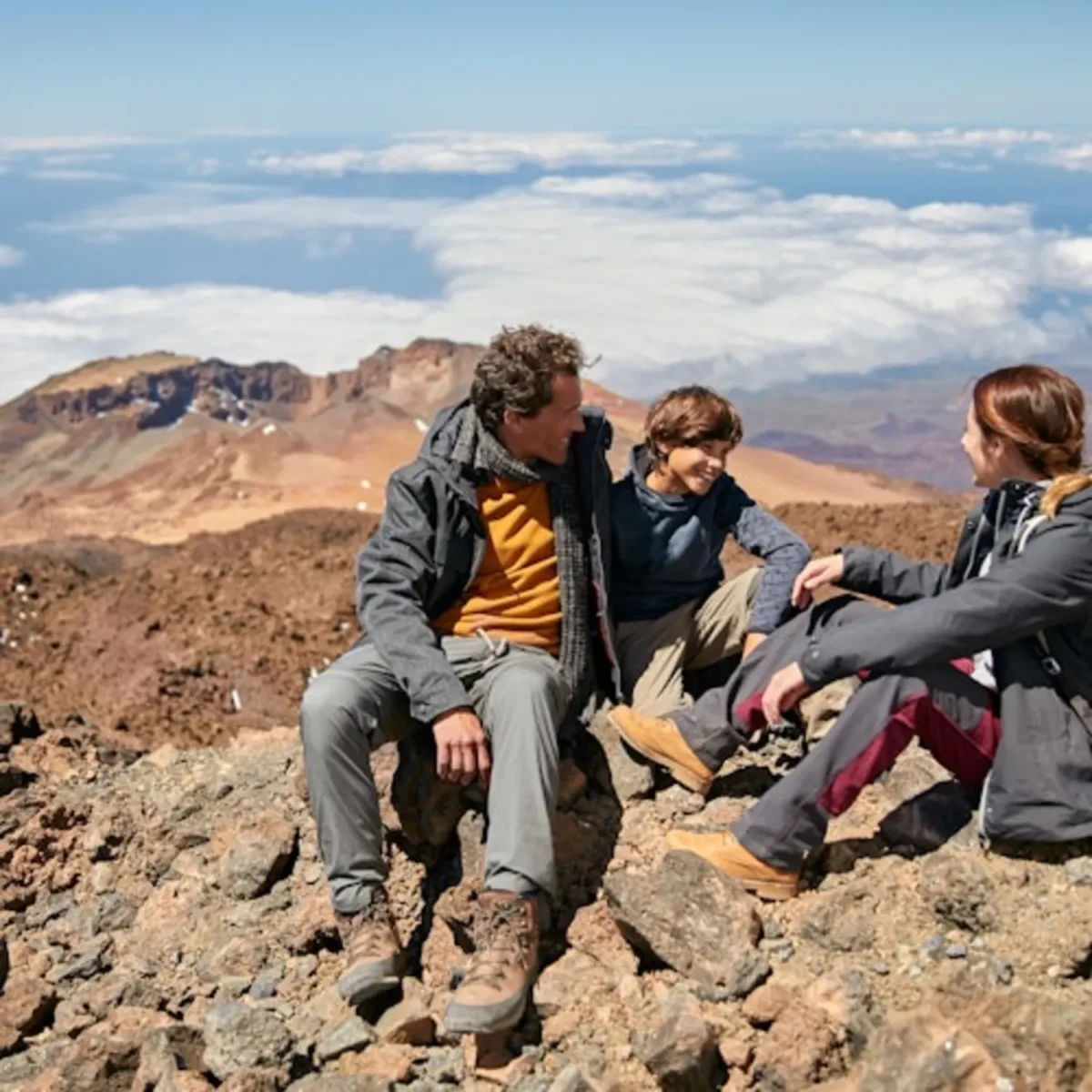
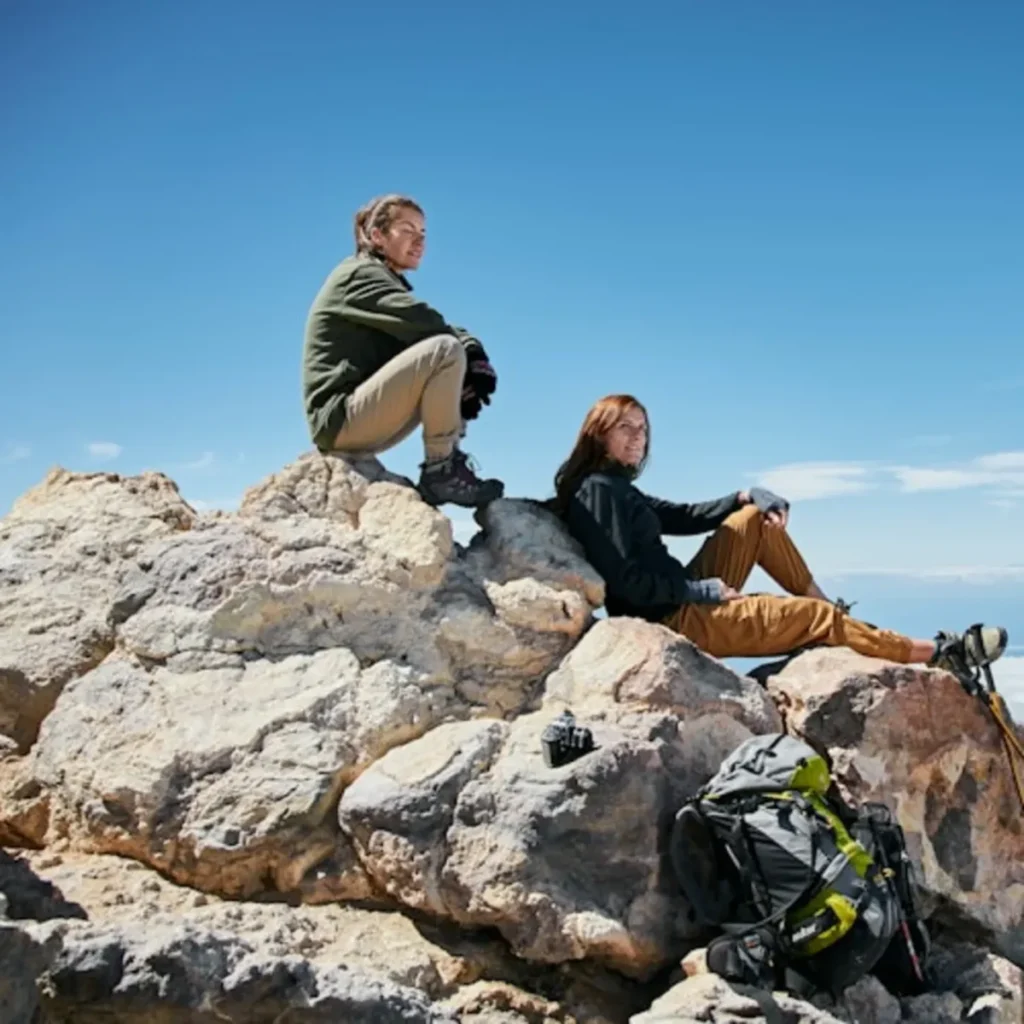
Explora el majestuoso cráter del Teide, situado a 3718m sobre el nivel del mar.

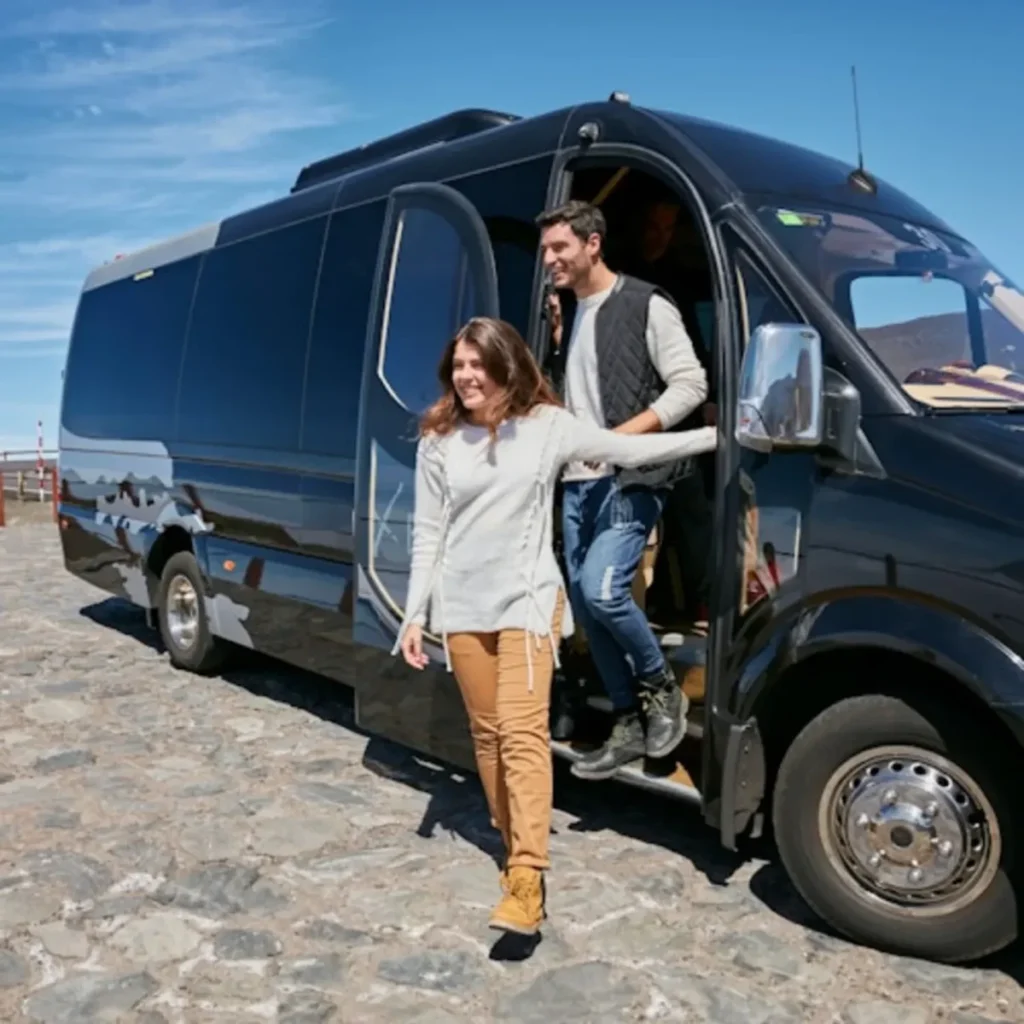
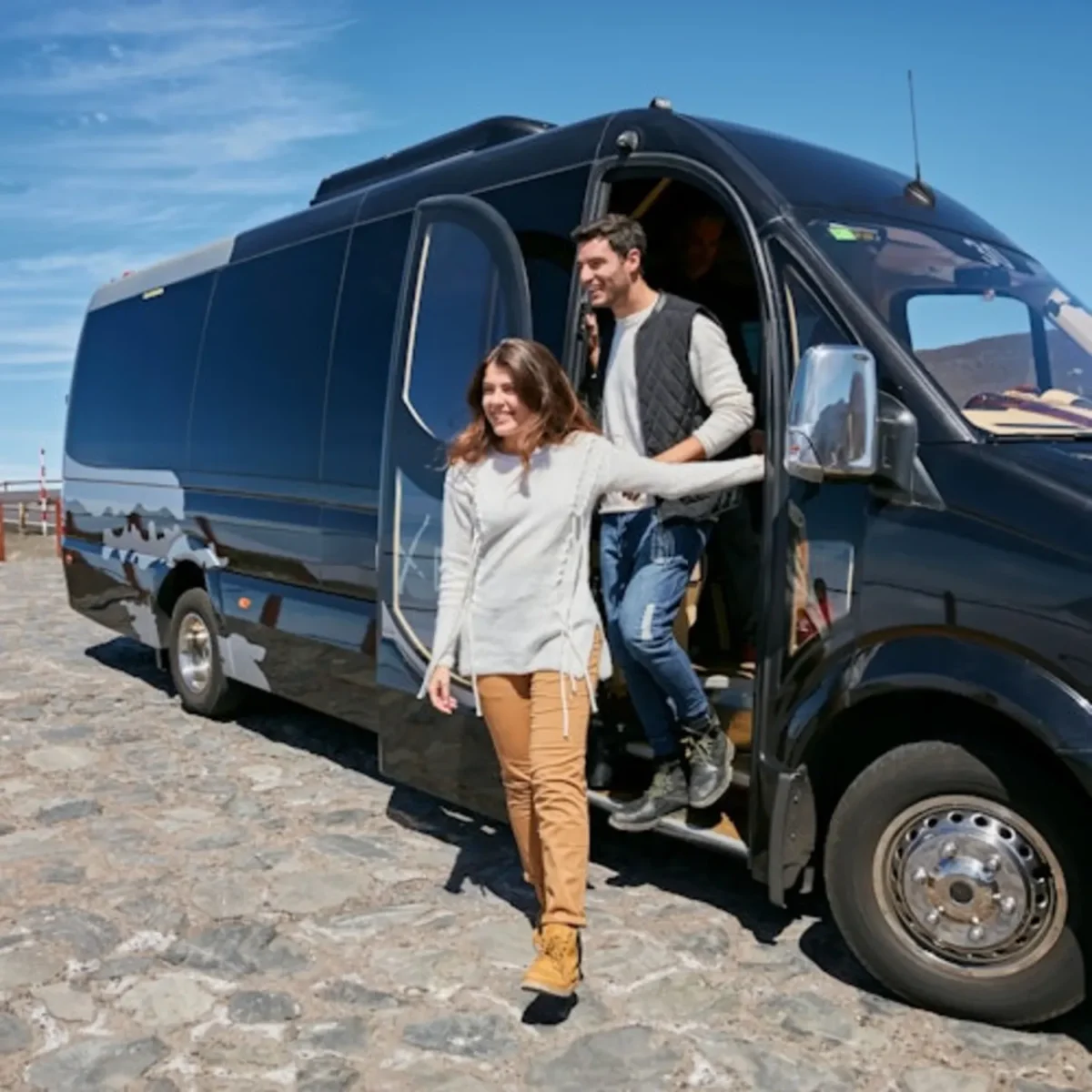
Disfruta de la comodidad del transporte con las diferentes opciones de recogida.

Aprovecha la experiencia de un guía en directo multilingüe que habla inglés, español y alemán.

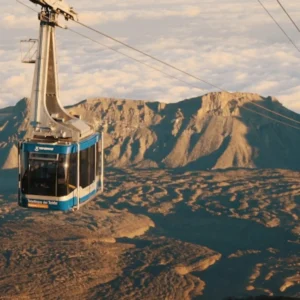
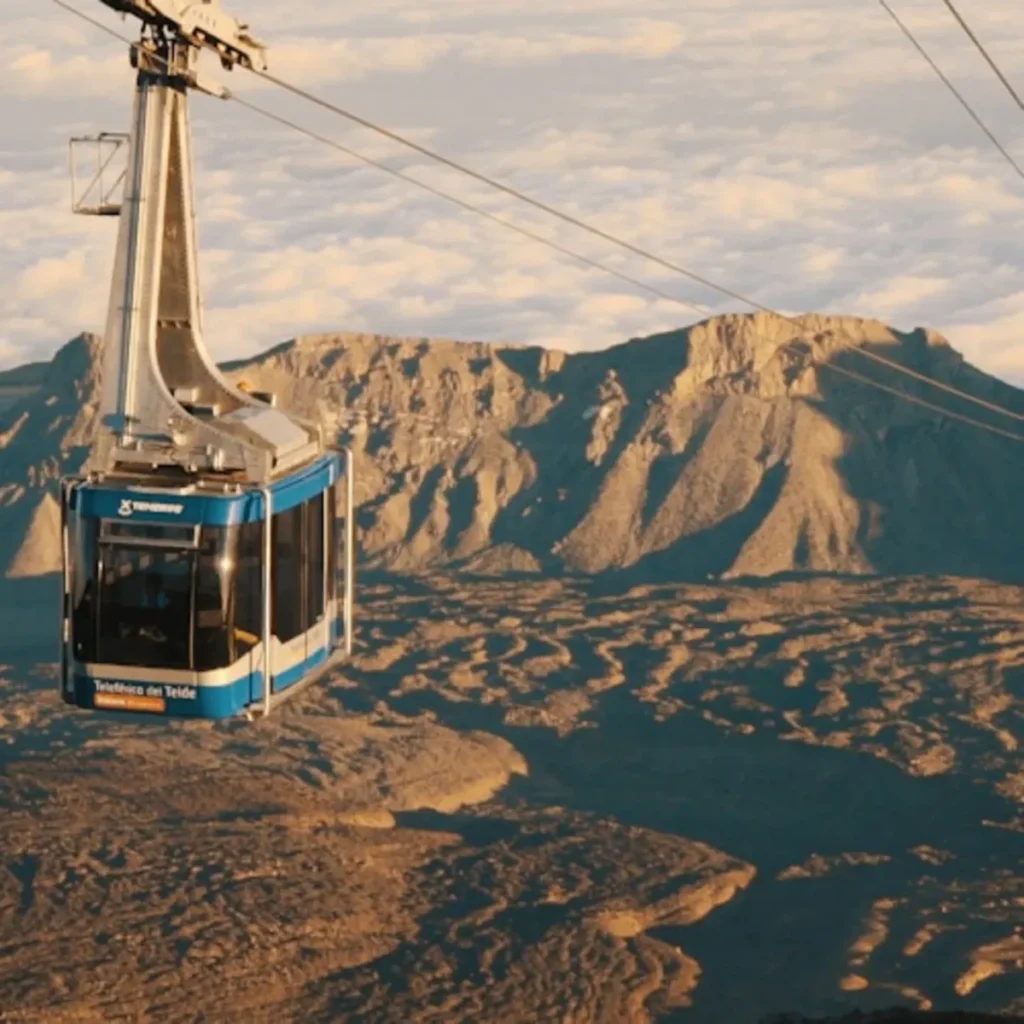
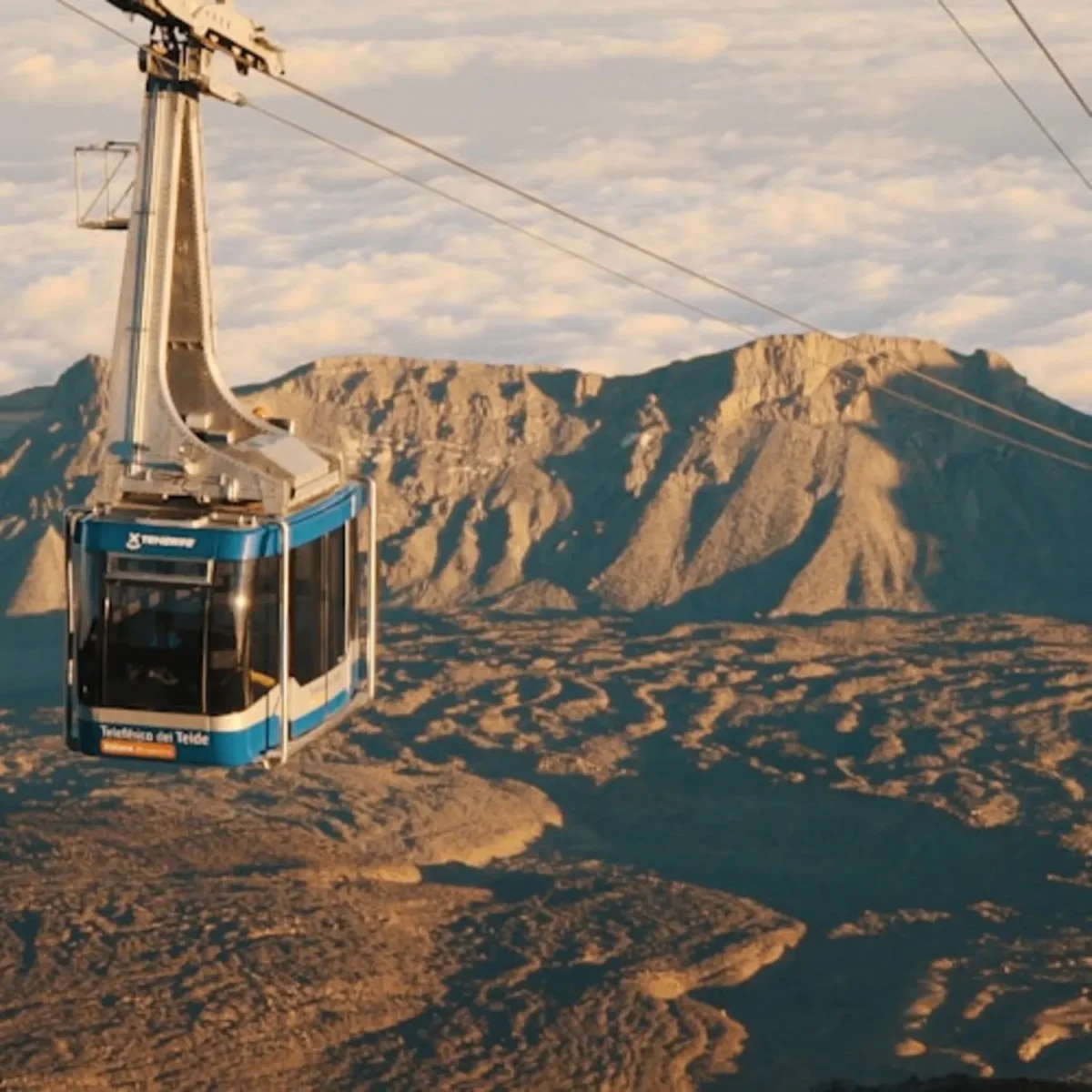
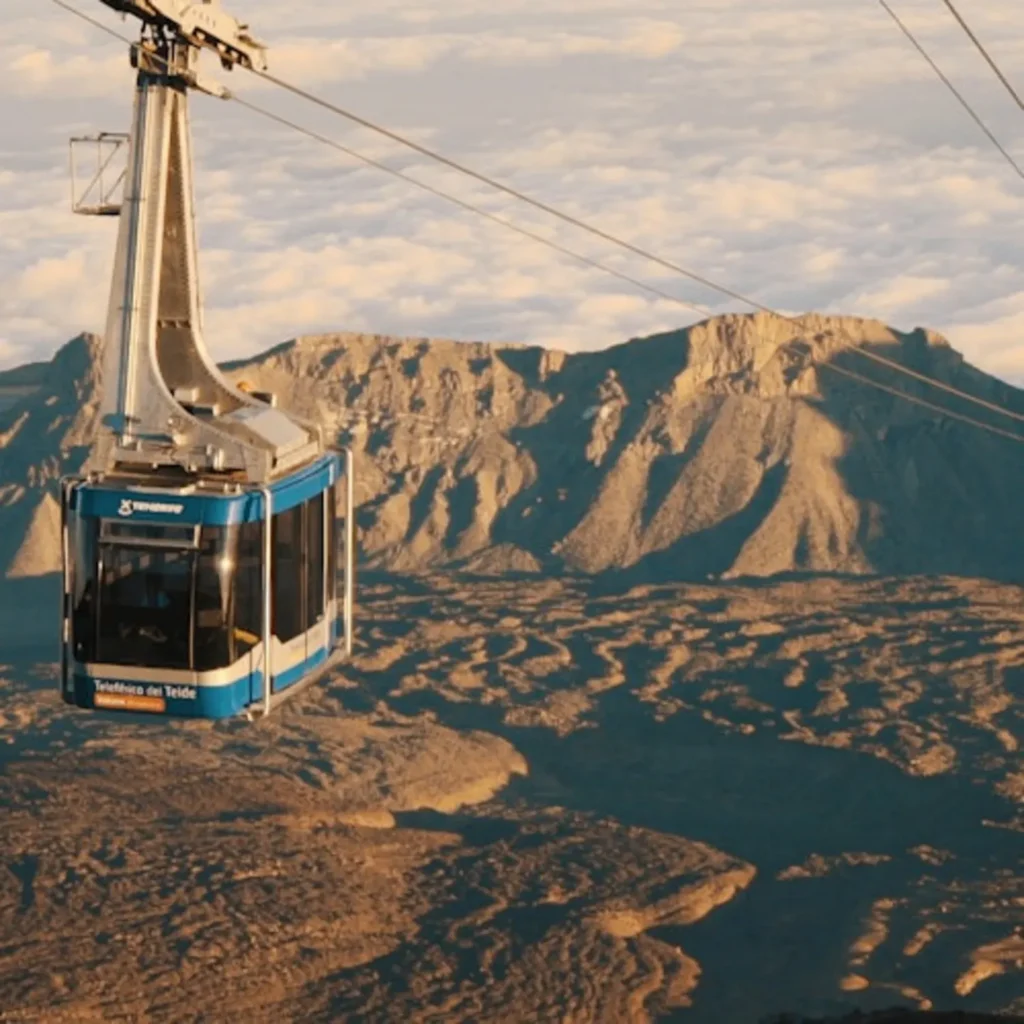
Disfruta de un recorrido panorámico en teleférico con unas vistas impresionantes.

Tu reserva incluye todos los permisos necesarios para acceder al parque nacional.
Monte Teide: Excursión en teleférico

Destacados

Recorre en autocar los frondosos bosques de pinos canarios.

Sube cómodamente al Teide en teleférico.

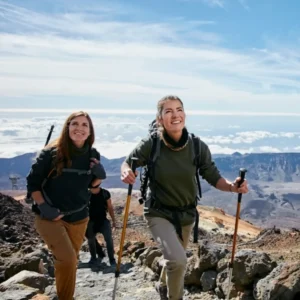
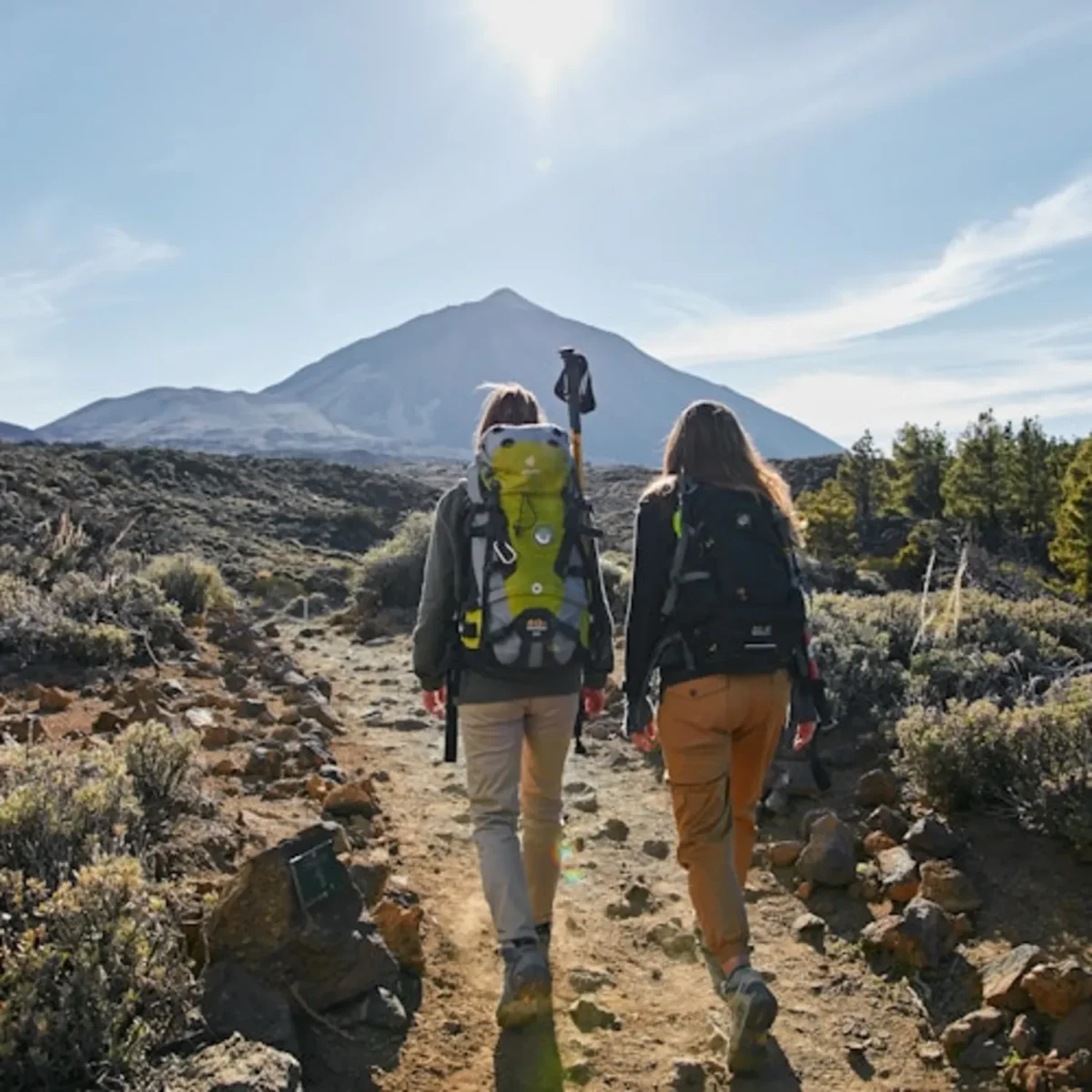
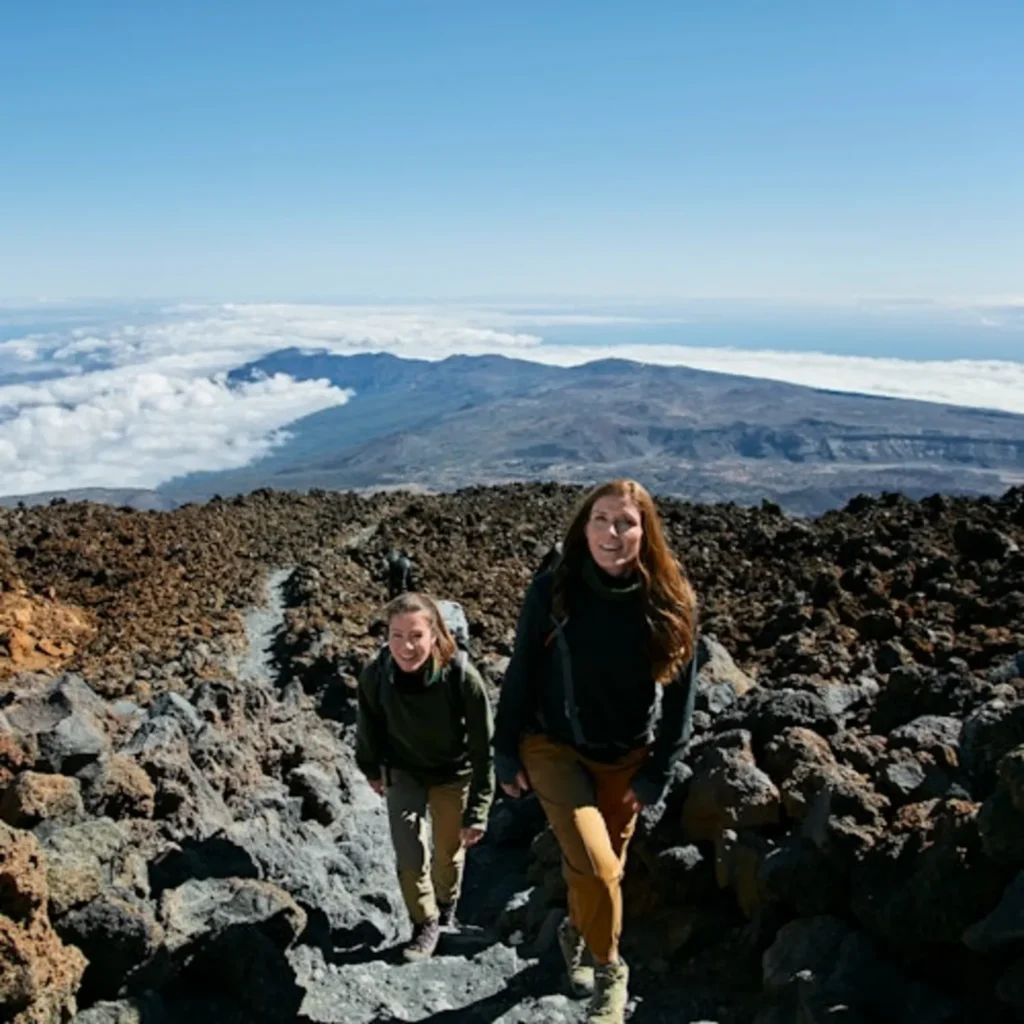
Descubre las rutas de senderismo y los secretos de la región de la mano de un guía en persona.

Maravíllate ante las espectaculares vistas panorámicas desde la cima, que abarcan la costa norte, las islas del sur bañadas por el sol y el impresionante valle de Ucanca.

Guía multilingüe disponible en inglés, alemán, francés, italiano y español.
Good to Know Before Visiting Teide National Park

A free permit from the National Park's official website is mandatory if you intend to hike the final stretch to the peak of Mount Teide.

Due to the extreme altitude and thin air, the cable car is strictly prohibited for pregnant women, children under three years of age, and individuals with heart or respiratory conditions.

Temperatures at the summit can be 10°C to 15°C lower than at the coast, making warm clothing and windbreakers essential even in the summer months.

The Teide Cable Car may close without prior notice due to high winds or adverse weather conditions, so you should check the operational status online before departing.

Parking at the base station is very limited and often fills up completely by 10 AM, so arriving early or using public transport is highly recommended.

There are no ATM facilities or pharmacies within the National Park boundaries, so ensure you have necessary supplies and funds before ascending.

High-factor sunscreen and UV-protection sunglasses are vital because solar radiation is significantly more intense at 3,000 meters than at sea level.

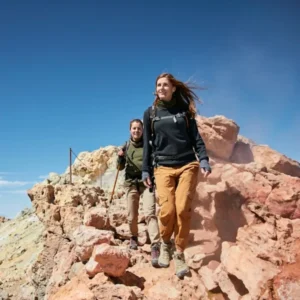
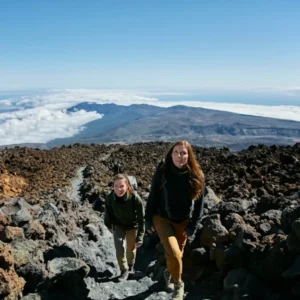
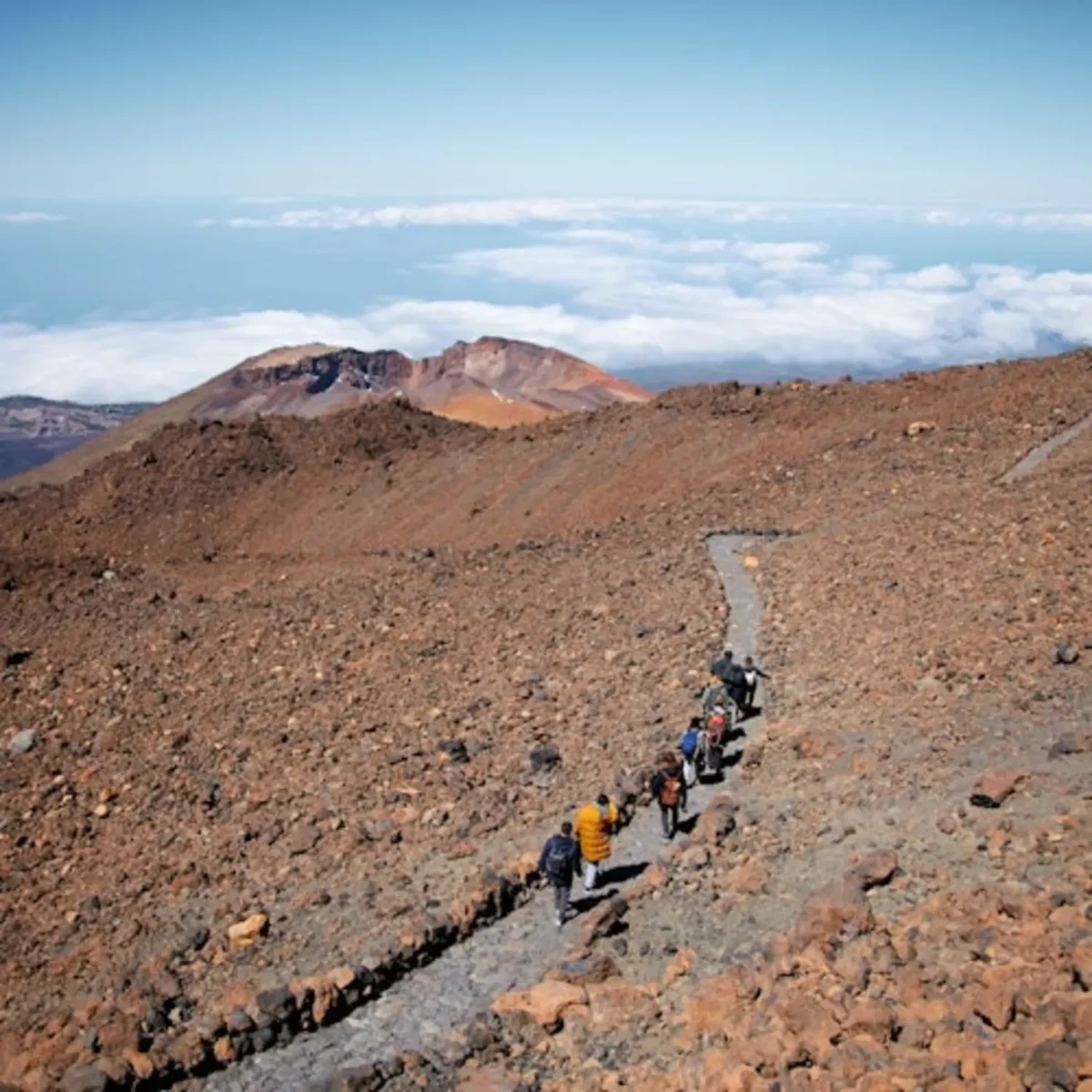
Robust hiking boots with good grip are required for all trails, as the volcanic terrain consists of sharp, unstable phonolite and obsidian rocks.

It is illegal to collect any volcanic stones, plants, or natural artifacts from the park, as it is a protected UNESCO World Heritage site.

You must carry sufficient drinking water for your entire visit, as there are no natural water sources or shops available once you leave the base station.

Información básica para visitantes

Teide National Park is open year-round, 24 hours a day, allowing for activities like stargazing and sunrise hikes. However, while the park itself does not "close," many of its internal facilities, specific trails, and services have strictly regulated hours.

Facility and Service Hours

The main visitor services operate on a standard daytime schedule:

Visitor Centers: Locations like El Portillo and Cañada Blanca typically open from 9 AM to 4 PM.

Teide Cable Car: Usually operates from 9 AM to 5 PM (though hours extend during summer months). Note that the cable car frequently closes due to high winds or icy conditions.

Parking Lots: The official parking lot at the cable car base station has specific hours, often closing around 6 PM or 7:40 PM depending on the season.

Optimal Seasons for Hiking and Flora
The shoulder seasons of spring (April to June) and autumn (September to October) offer the most stable conditions for outdoor activity. Spring is particularly notable for the blooming of the red bugloss (tajinaste rojo), while autumn provides mild temperatures and excellent visibility before the winter rains or snows begin.

Morning and Afternoon Visits
The Teide Cable Car typically operates from 9 AM to 4 PM, with hours often extended until 5 PM or 6 PM during the summer months. Arriving for the first ascent at 9 AM is recommended to avoid the peak midday crowds and to secure parking, which is limited at the base station.

Sunset and the Shadow of Teide
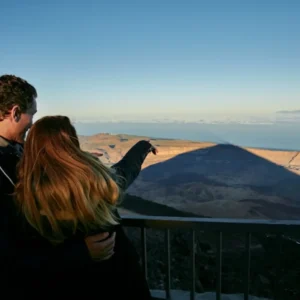
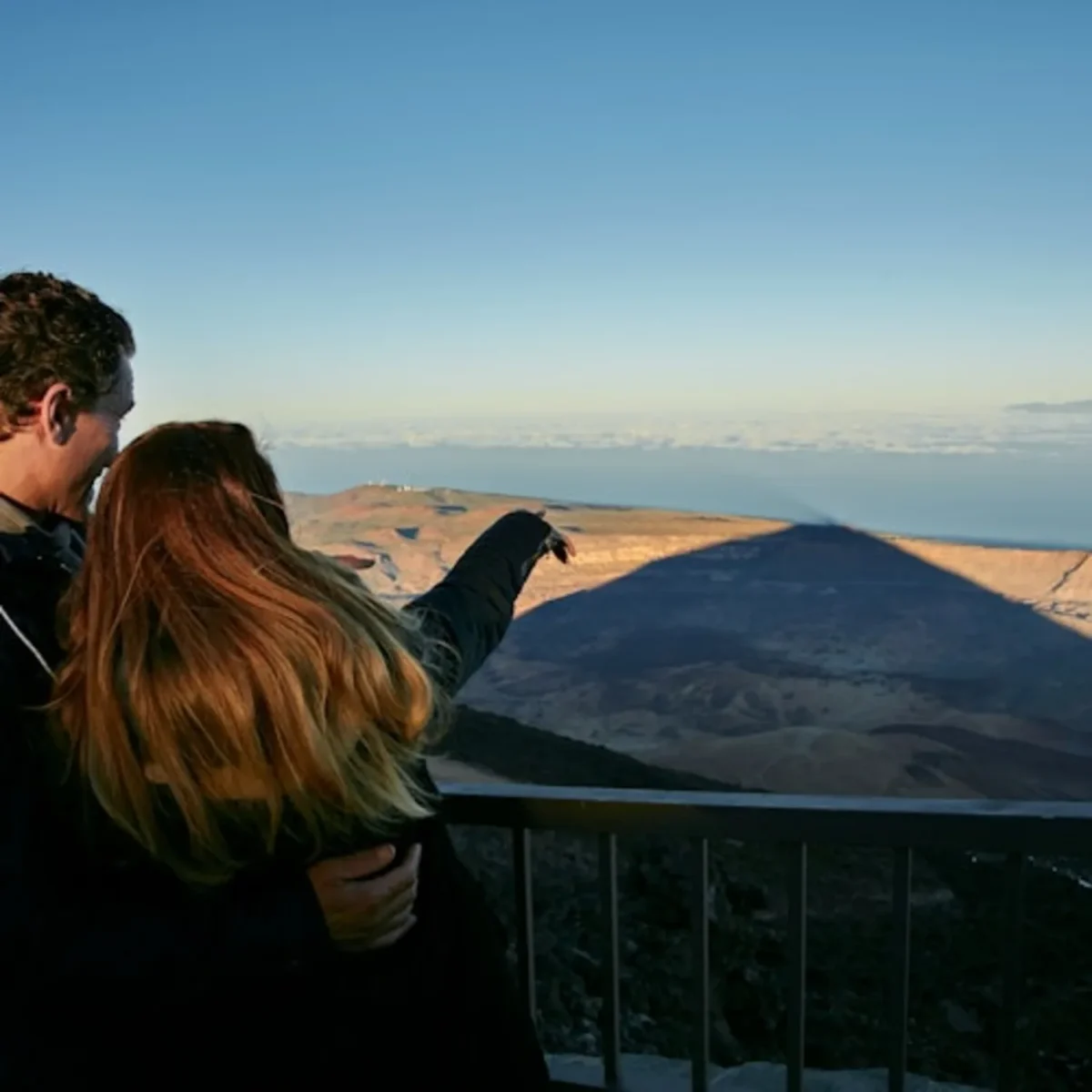
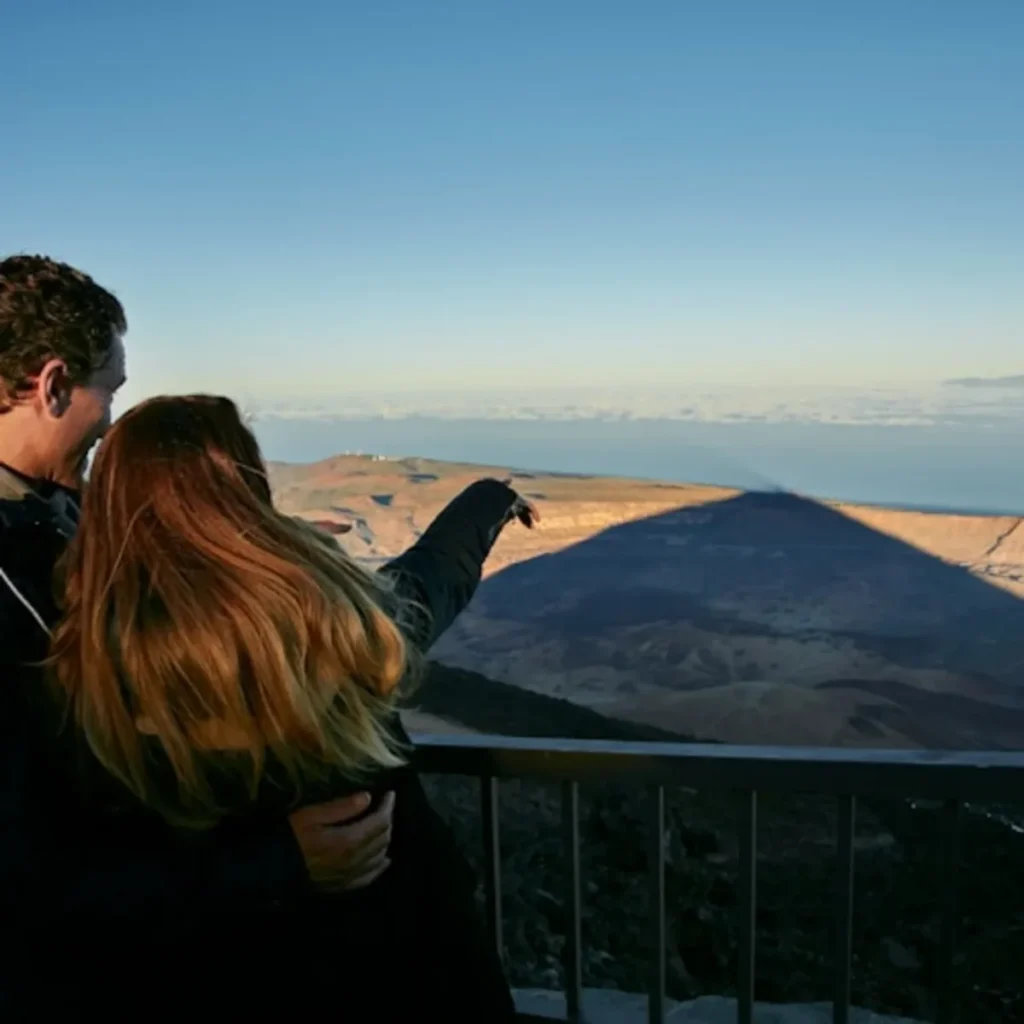
Late afternoon is a strategic time to visit for those interested in photography and unique atmospheric phenomena. As the sun descends, the volcano casts one of the world's largest shadows across the Atlantic Ocean, a spectacle best viewed from the higher trails or the Pico Viejo lookout.

Nighttime and Stargazing
Teide National Park remains open 24 hours a day, allowing for world-class astronomical observation after dark. Visitors planning to stay for stargazing should arrive at least 60 to 90 minutes before sunset to allow their eyes to adjust and to navigate the mountain roads safely before total darkness.

Winter Considerations
Between December and February, the summit frequently experiences snowfall and high winds, which can lead to the temporary closure of the cable car and summit trails. While the snow-capped peak offers a striking landscape, visitors during this period must check daily weather reports and be prepared for sub-zero temperatures at high altitudes.

About Teide National Park (Parque Nacional del Teide)

Teide National Park, situated in the heart of Tenerife, is the largest and oldest national park in the Canary Islands and a UNESCO World Heritage site. It is defined by the massive Las Cañadas caldera and the towering Mount Teide, which, at 3,715 meters, is the highest peak in Spain and the third-tallest volcanic structure in the world from its oceanic base. This high-altitude volcanic landscape features a unique ecosystem of endemic flora and fauna, including the Teide violet and the red bugloss, set against a backdrop of solidified lava flows and colorful mineral deposits.

As a protected natural space, it serves as a global reference for volcanology and offers one of the clearest windows into the universe for astronomical observation.

Established: 1954
UNESCO World Heritage Status: Designated in 2007
Superficie total: 18,990 hectares
Buffer Zone Area: 54,128 hectares
Highest Elevation: 3,715 meters
Cable Car Base Station Altitude: 2,356 meters
Cable Car Upper Station Altitude: 3,555 meters
Annual Visitor Count: Approximately 4 million
Number of Official Hiking Routes: 41
Number of Endemic Plant Species: 58

Why Visit Teide National Park?

The Highest Peak in Spain

Mount Teide stands as the highest point on Spanish soil, reaching an altitude of 3,715 meters above sea level. Reaching the summit, whether by foot or cable car, offers a unique vantage point over the Canary Island archipelago and the Atlantic Ocean.

A Volcanic Landscape of Global Significance

The park is a UNESCO World Heritage site recognized for its complex geological formations, including the massive Las Cañadas caldera. Visitors can explore a diverse terrain of solidified lava flows, volcanic cones, and multi-colored mineral deposits that provide insight into the island's volcanic origins.

Exceptional Starlight Observation

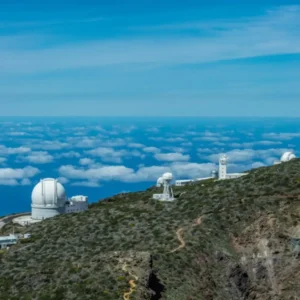
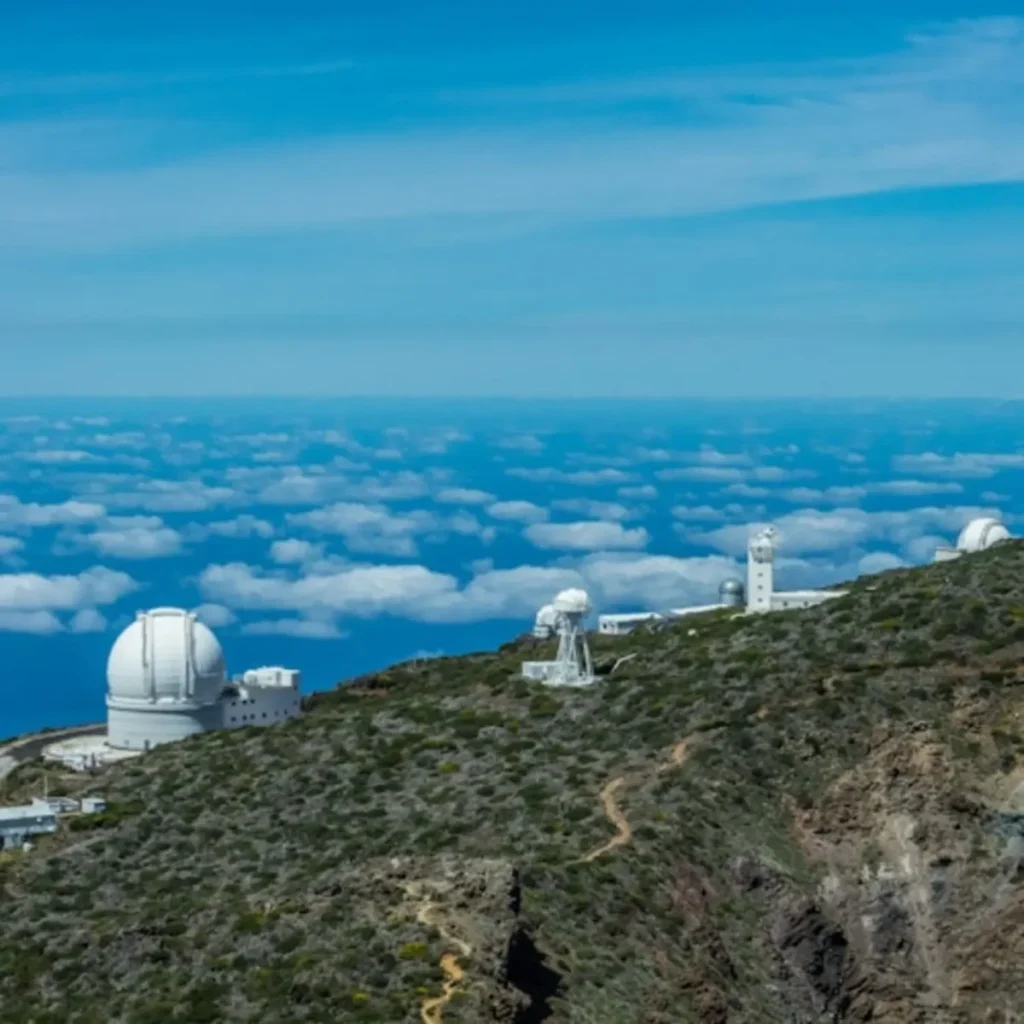
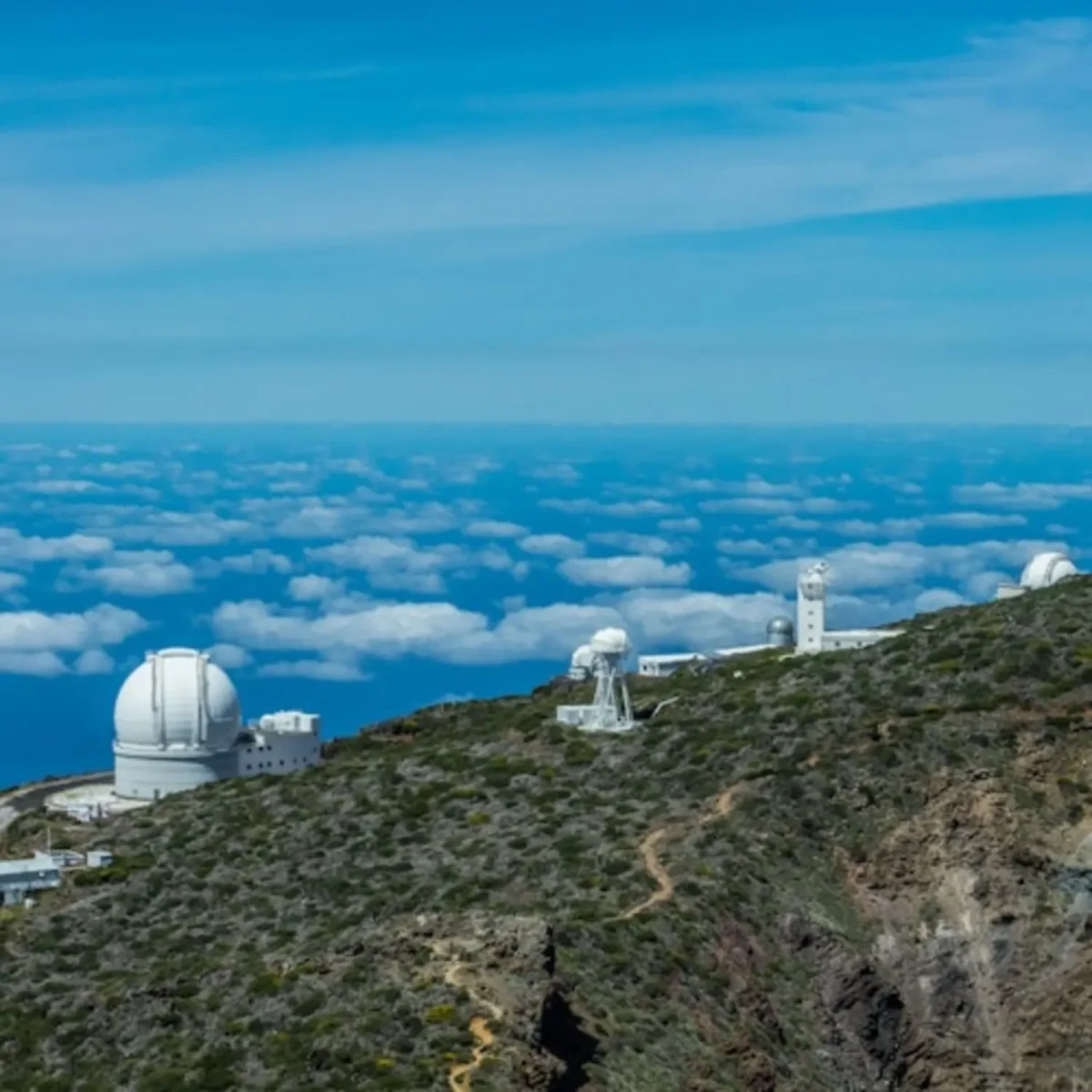
Due to its high altitude, low light pollution, and proximity to the equator, the park is a certified Starlight Destination. It is home to the Teide Observatory and is considered one of the best locations in the world for observing the night sky and professional astronomical research.

Unique High-Mountain Flora and Fauna

The park's ecosystem has evolved in isolation, resulting in a high concentration of endemic species that exist nowhere else on Earth. Notable examples include the Teide violet, which grows at high altitudes, and the towering red bugloss that blooms during the spring months.

Extensive Network of Hiking Trails

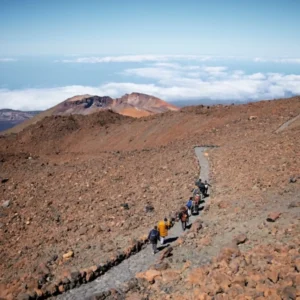
Teide National Park features a regulated network of over 30 marked trails that cater to different fitness levels and interests. These paths allow visitors to experience the silence and scale of the volcanic territory while moving between distinct microclimates and geological landmarks.

Teide National Park - Additional Info

Dining at the base station is centered around the Café-Restaurant, which offers panoramic views of the Las Cañadas caldera through expansive floor-to-ceiling windows. The menu emphasizes traditional Canarian gastronomy, featuring local staples such as papas arrugadas (wrinkled potatoes) with mojo sauce, local cheeses from Tenerife and Fuerteventura, and traditional pastries.

The café provides a selection of quick-service options, including sandwiches, artisanal coffee, and fresh juices. It serves as an ideal staging area for hikers to hydrate and refuel before or after their ascent.

While visitors are welcome to bring their own food to the park's public picnic areas, the base station restaurant remains the only full-service dining facility within the immediate vicinity of the volcano.

Interesting Facts about Teide National Park

The shadow cast by Mount Teide at sunset is the largest shadow in the world projected over the sea.

Mount Teide is the third tallest volcanic structure in the world when measured from its base on the ocean floor.

The national park serves as a primary testing ground for instruments destined for Mars due to its similar geological and environmental conditions.

The red bugloss, or tajinaste rojo, is a plant endemic to the park that can grow up to three meters in height during the spring.

The last volcanic eruption within the current boundaries of the national park occurred at the Chahorra vent in 1798.

Ancient Guanche inhabitants believed the volcano was the home of a powerful demon named Guayota.

The park contains over 1,000 recorded archaeological sites, proving the high-altitude plateau was used by shepherds for centuries.

Snow falls on the summit almost every winter despite the park being located on a subtropical island near the African coast.

The film Clash of the Titans and several other major Hollywood productions used the park’s lunar landscapes as a filming location.

The Teide violet is a delicate flower that holds the record for being the highest-flowering plant in all of Spain.

The park's atmospheric conditions are so stable and clear that it is protected by the Law of the Sky to prevent light and radio pollution.

The Las Cañadas caldera, which surrounds the volcano, measures approximately 16 kilometers across at its widest point.

Over 160 different species of insects are found only within the borders of this specific national park.

The Pico Viejo crater, located adjacent to Teide, displays a striking spectrum of colors caused by various sulfur and iron mineral deposits.

The cable car system covers a vertical distance of 1,199 meters in less than eight minutes of travel time.

FAQs about Teide National Park

What is the geological significance of the Las Cañadas caldera?

The caldera is a massive volcanic depression measuring 16 kilometers across and is a primary reason for the park's UNESCO World Heritage status.

How does Mount Teide rank among the world's tallest volcanoes?

When measured from its base on the ocean floor, it is the third tallest volcanic structure on the planet.

What is the unique phenomenon regarding the shadow of Mount Teide?

At sunset, the volcano projects the largest shadow in the world across the surface of the sea.

Why is the park compared to the planet Mars?

The park's unique geological and environmental conditions make it a primary global testing ground for instruments destined for Martian exploration.

Are there plants in the park that exist nowhere else?

Yes, the park is home to 58 endemic species, including the Teide violet and the towering red bugloss.

What is the historical significance of the park to the Guanche people?

The indigenous inhabitants considered the mountain sacred and believed it was the home of a powerful demon named Guayota.

How much elevation does the cable car gain during its trip?

The system ascends a vertical distance of 1,199 meters, traveling from the base station to the upper station in under eight minutes.

Do I need a permit to reach the absolute summit of the volcano?

A free permit obtained in advance from the National Park’s official website is mandatory for the final stretch of the Telesforo Bravo trail.

Are there any age or health restrictions for the cable car?

The ascent is prohibited for children under three, pregnant women, and individuals with heart or respiratory issues due to high altitude.

What kind of footwear is recommended for visiting the park?

Robust hiking boots with excellent grip are required to safely navigate the sharp and unstable volcanic terrain.

Can I visit the park at night for stargazing?

The park remains open 24 hours a day and is a certified Starlight Destination offering some of the world's clearest views of the night sky.

What should I do if the cable car closes due to weather?

It is essential to check the operational status online before departing, as high winds can cause immediate and unscheduled closures.

Is it possible to take public transport to the park?

The TITSA network operates two specific daily lines, 342 and 348, which connect the coast to the volcanic center.

Are there facilities for charging electric vehicles at the venue?

The cable car base station provides dedicated charging points of 7kW and 22kW for visitors arriving in electric vehicles.

Este sitio web vende entradas oficiales para este recinto. Sin embargo, ten en cuenta que no se trata del sitio web oficial del recinto.

Las imágenes y los vídeos de este sitio web pueden contener elementos visuales que hemos creado o mejorado mediante tecnología de inteligencia artificial. Los proporcionamos solo con fines ilustrativos.