Estamos tramitando tu solicitud.
Por favor, no cierres ni actualices la página.
Inicio Parque Nacional del Teide Planifica tu visita
admission-fee-teide-observatory-guided-tour

Teide National Park – Plan Your Visit

Plan Your Visit to Teide National Park (Parque Nacional del Teide)

Planning your visit to Parque Nacional del Teide helps ensure a rewarding and seamless experience exploring one of Spain’s most iconic natural landmarks. Below is essential information to guide you through your trip, including ticket options, visitor guidelines, amenities, and practical tips.

Teide National Park – Ticket Information

Opciones de compra de entradas: It is highly recommended to purchase tickets online in advance for the cable car and guided tours. This guarantees your preferred time and helps avoid long queues. Tickets can also be bought at the park entrance or cable car station subject to availability.

Tipos de entradas: This site offers the following tickets:

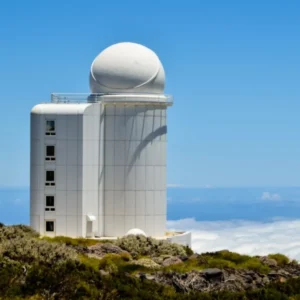
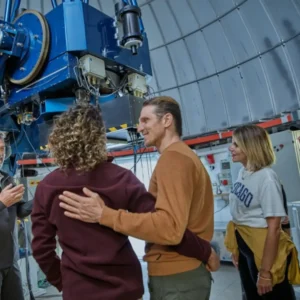
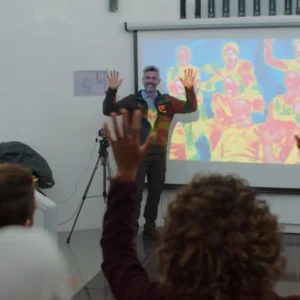
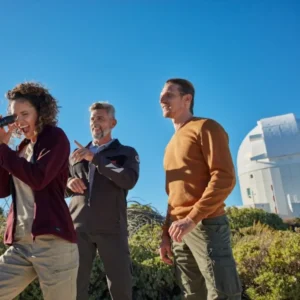
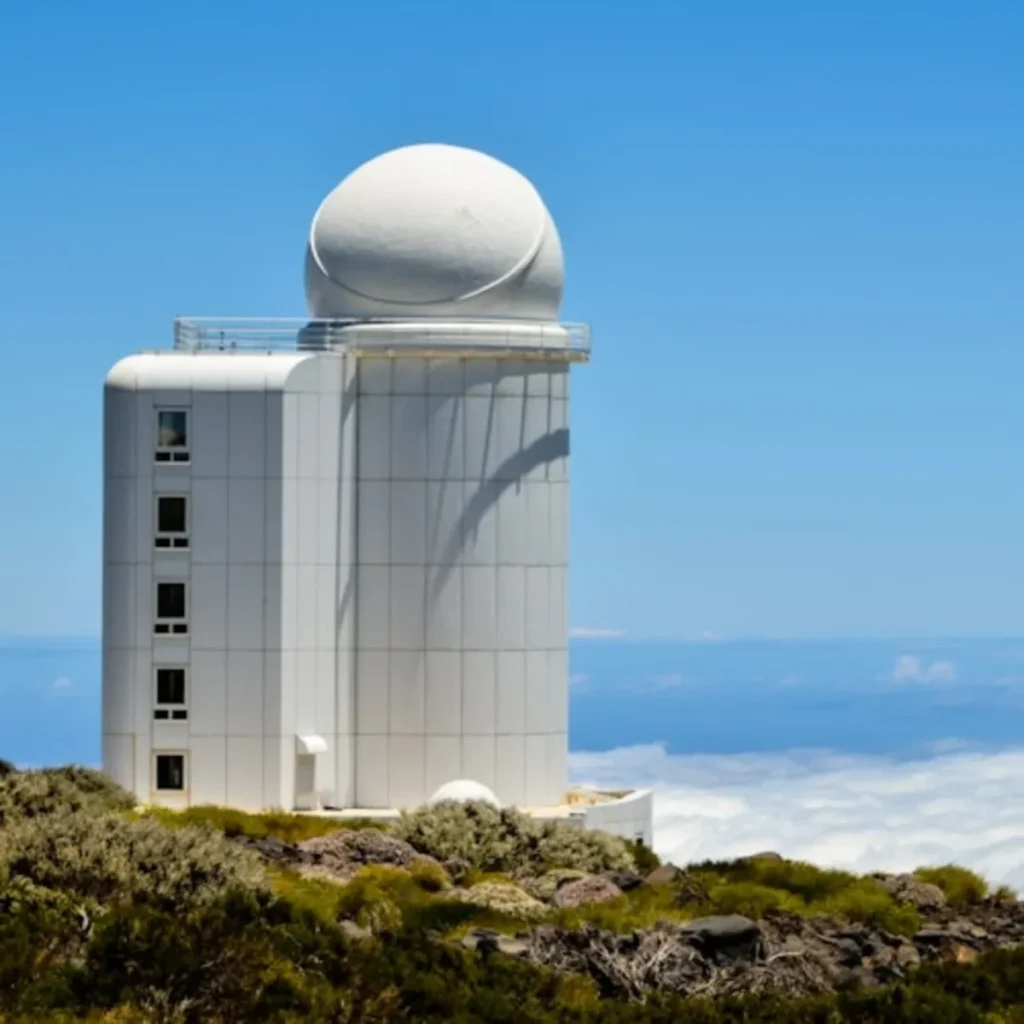
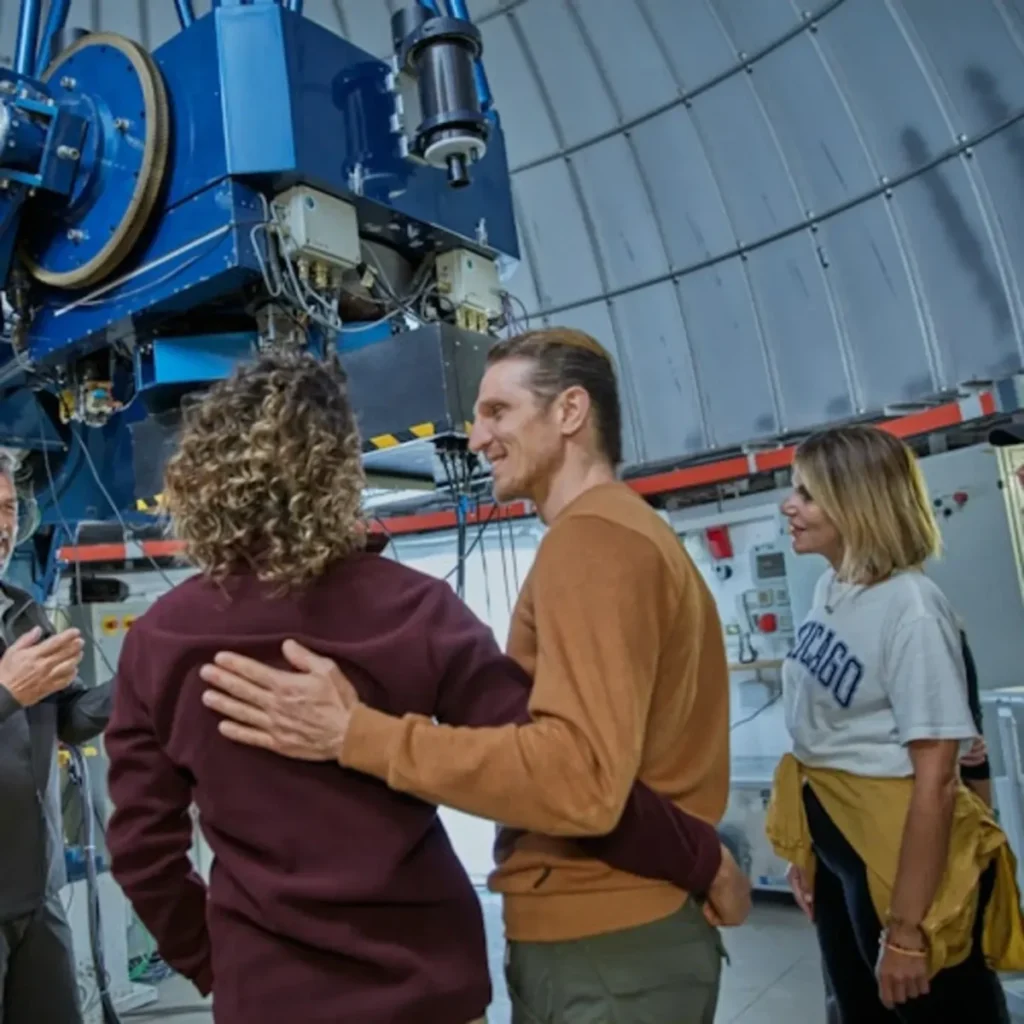
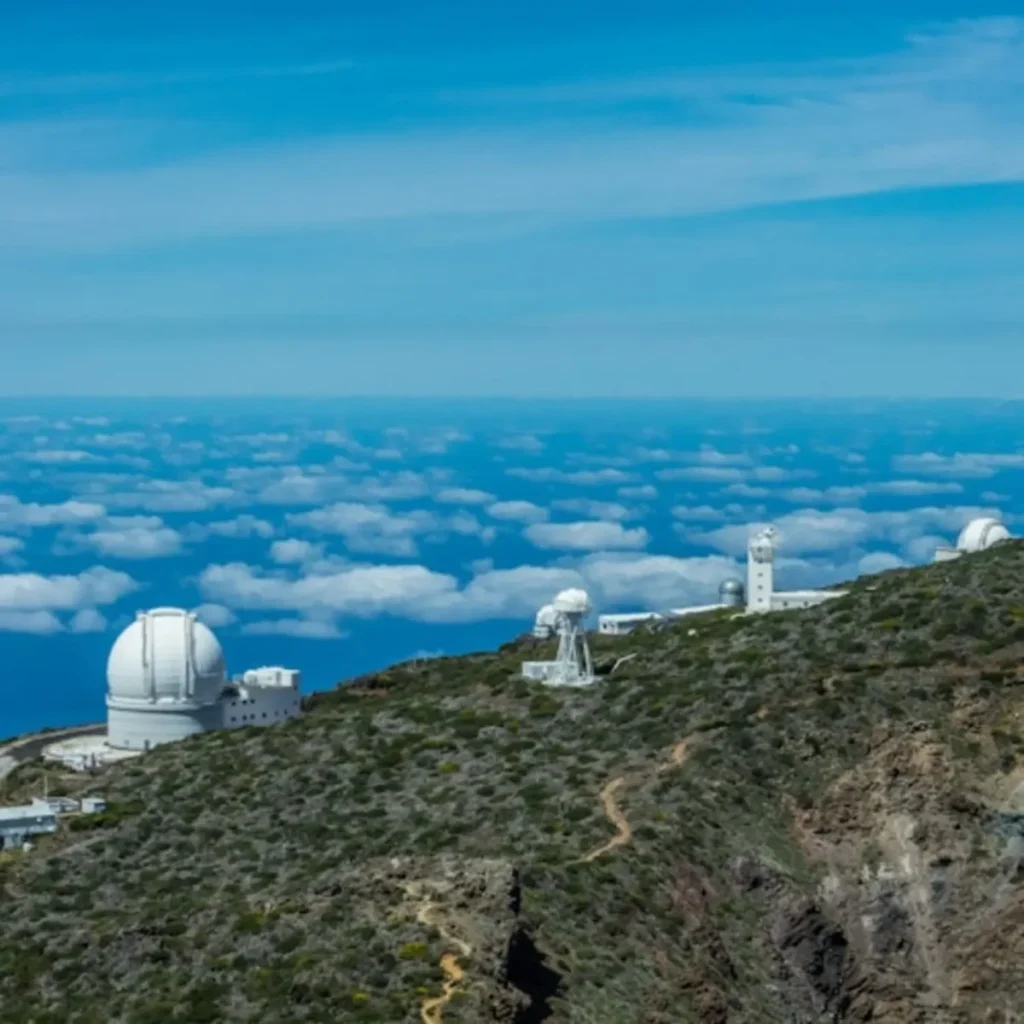
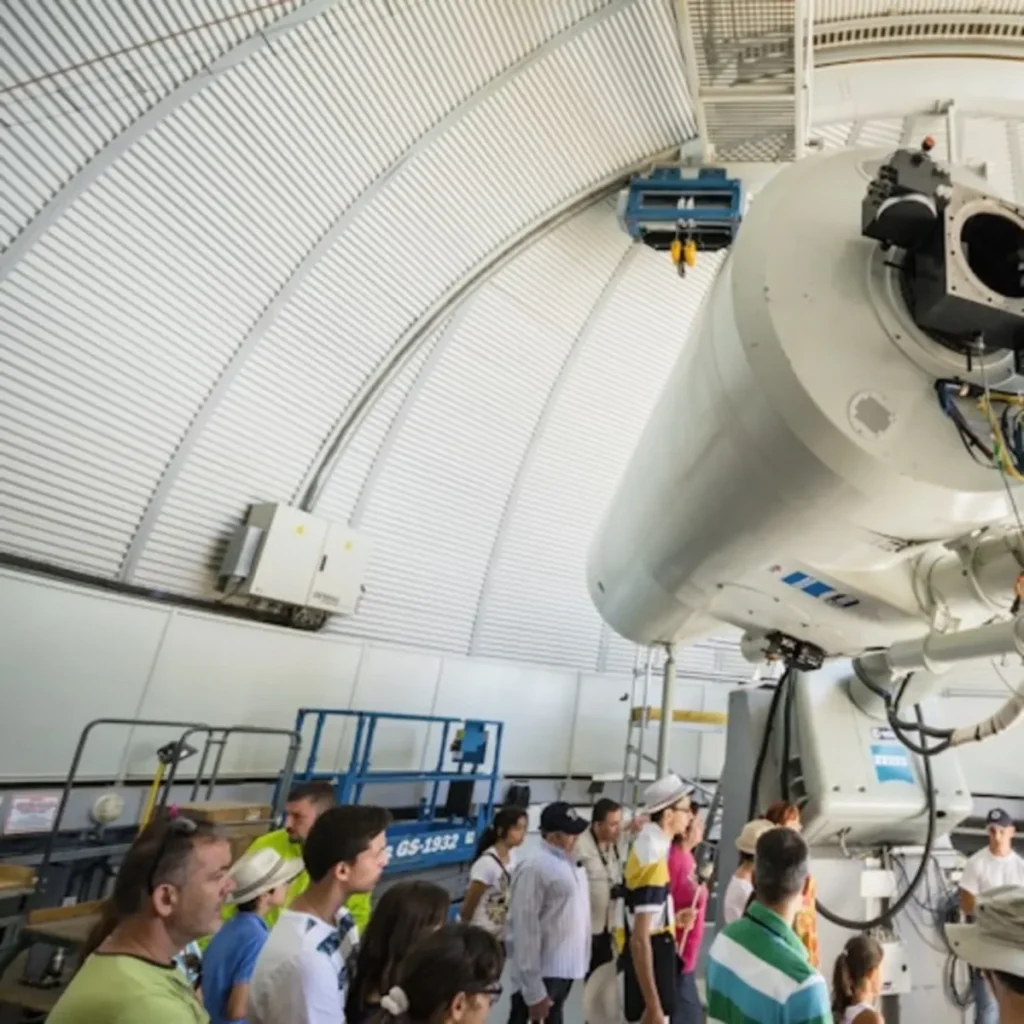
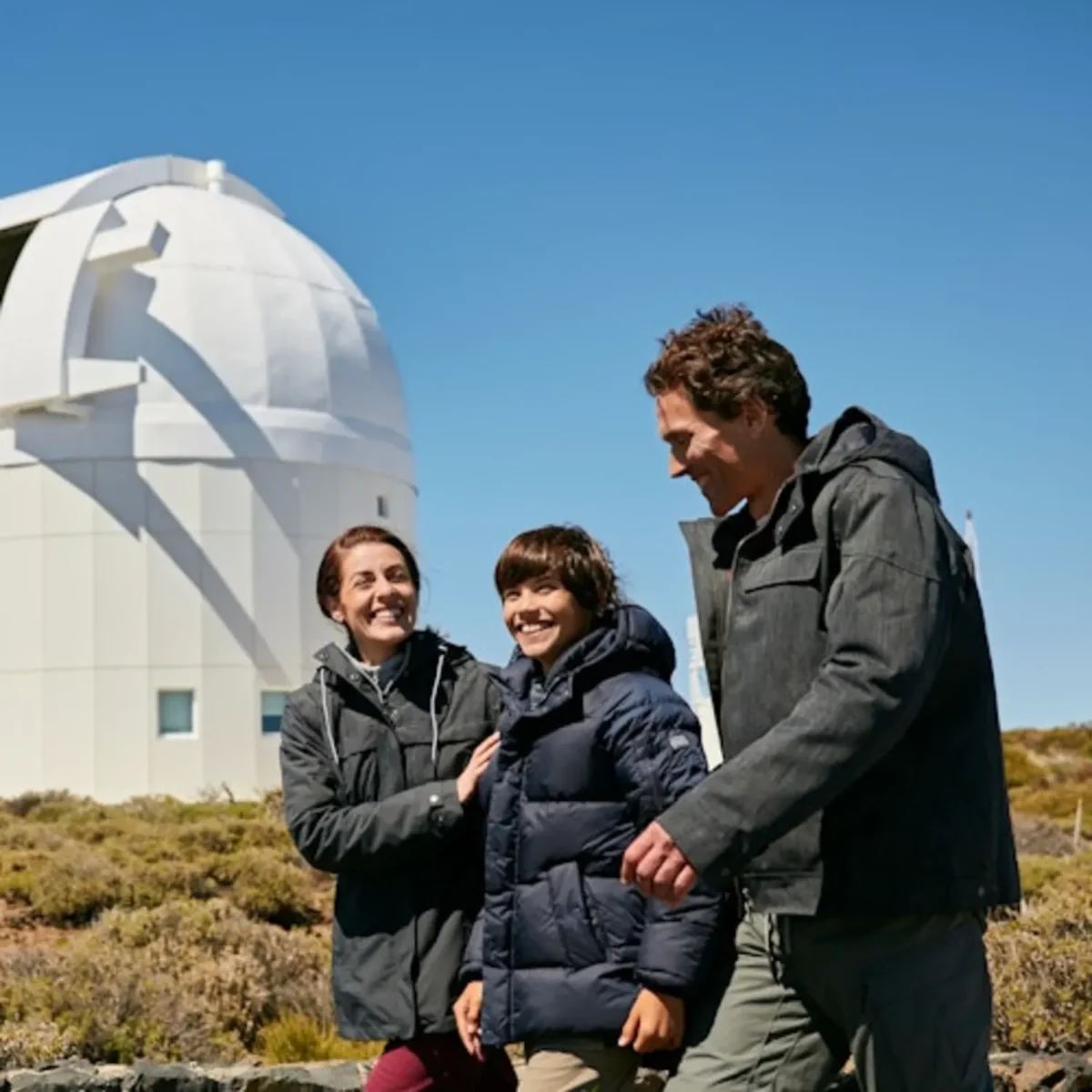
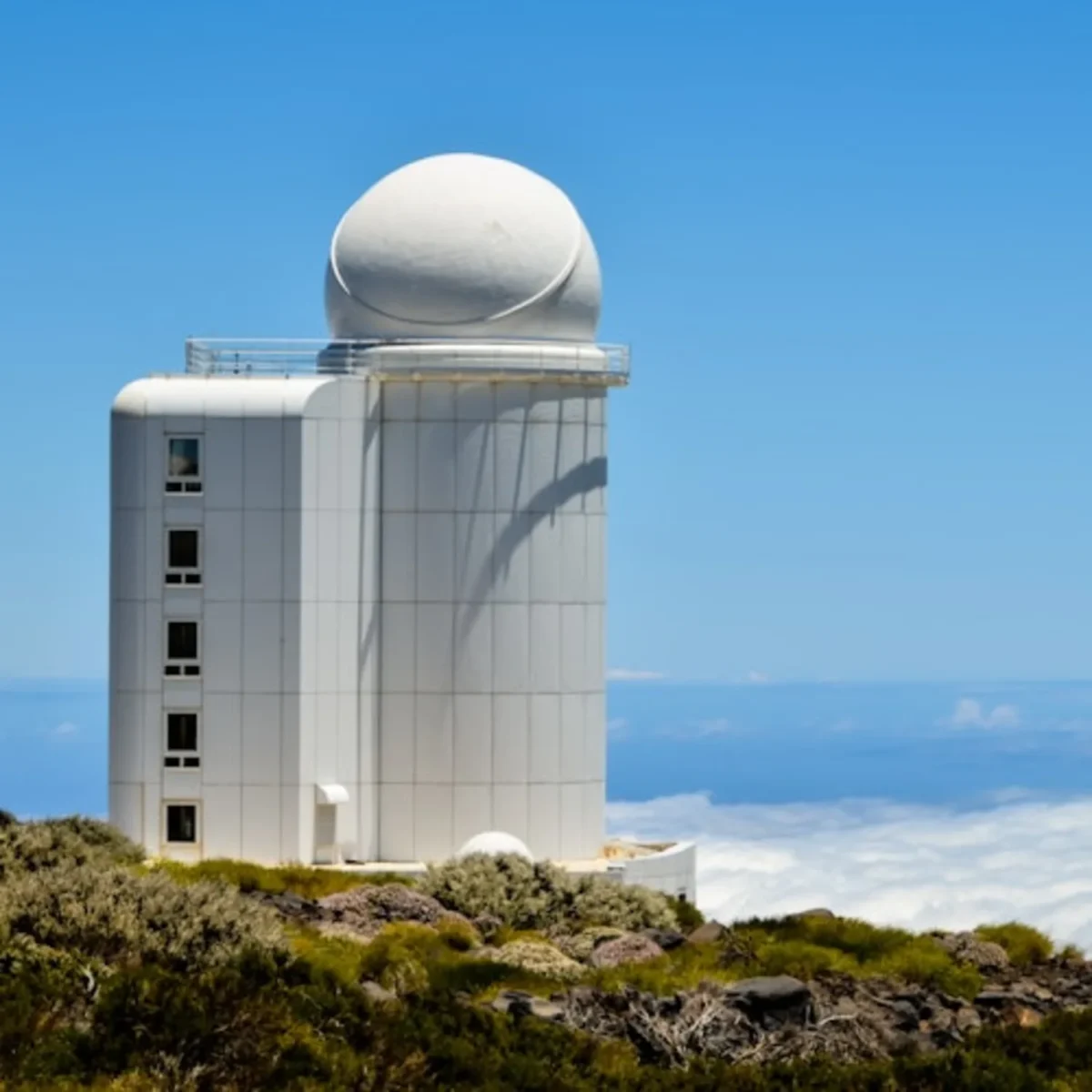
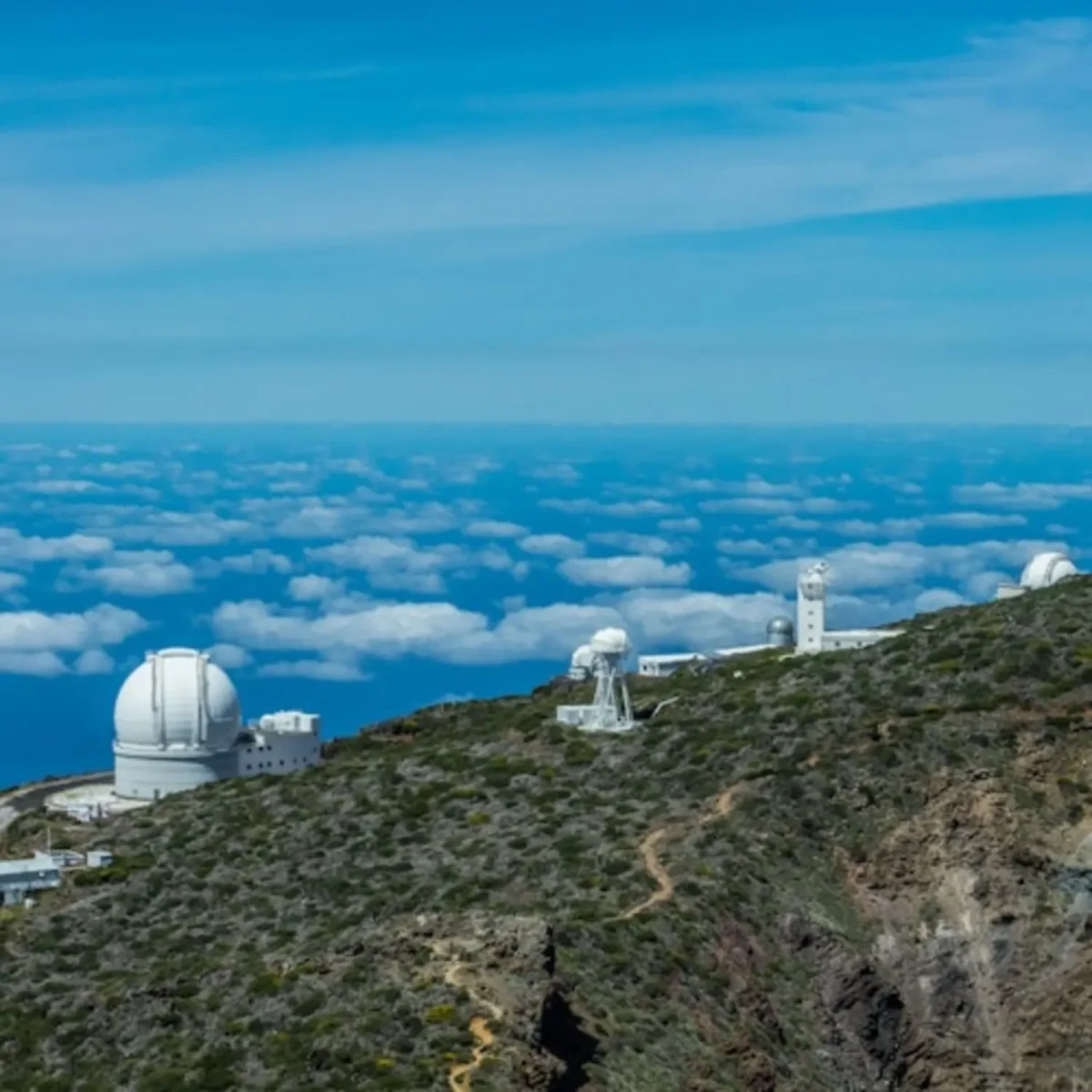
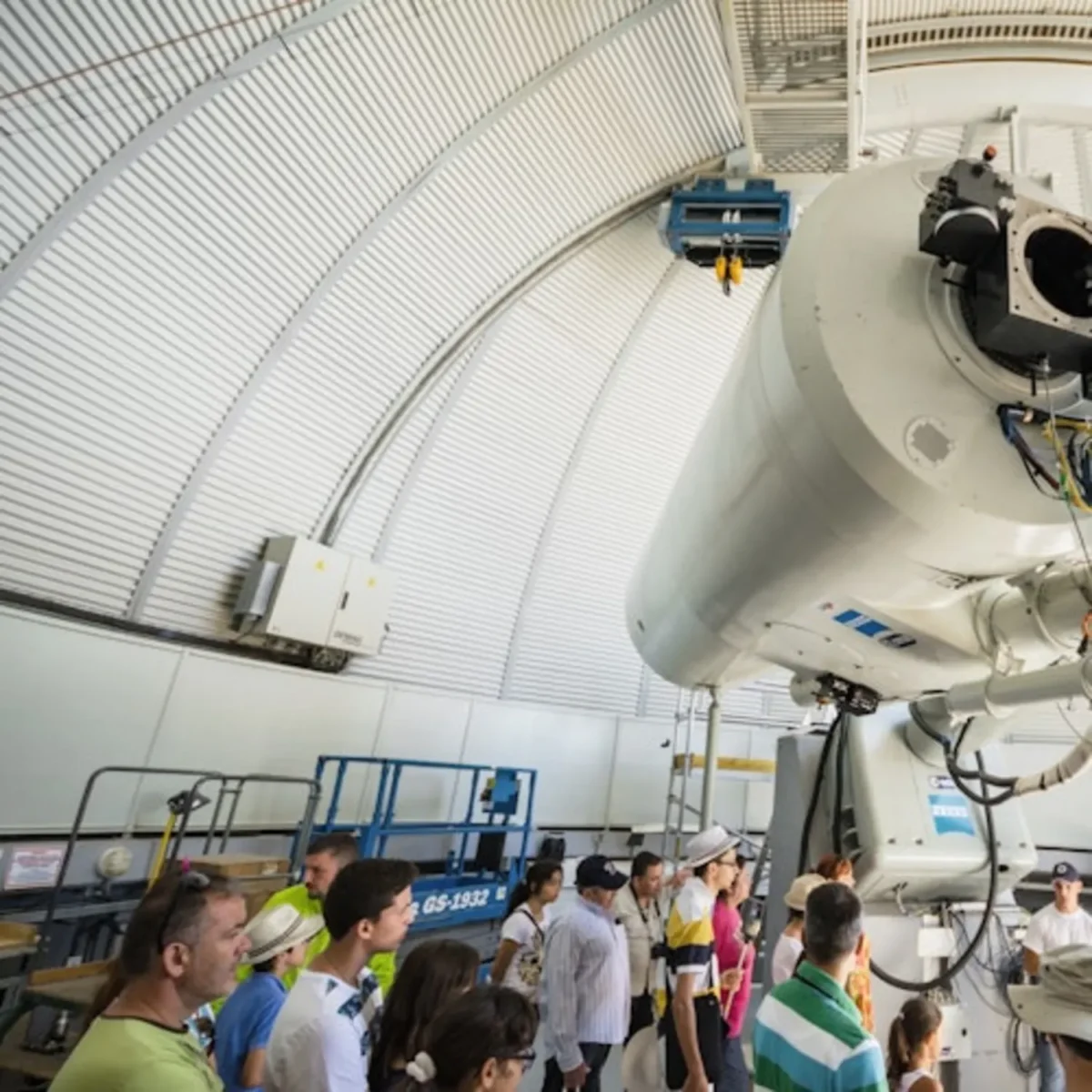
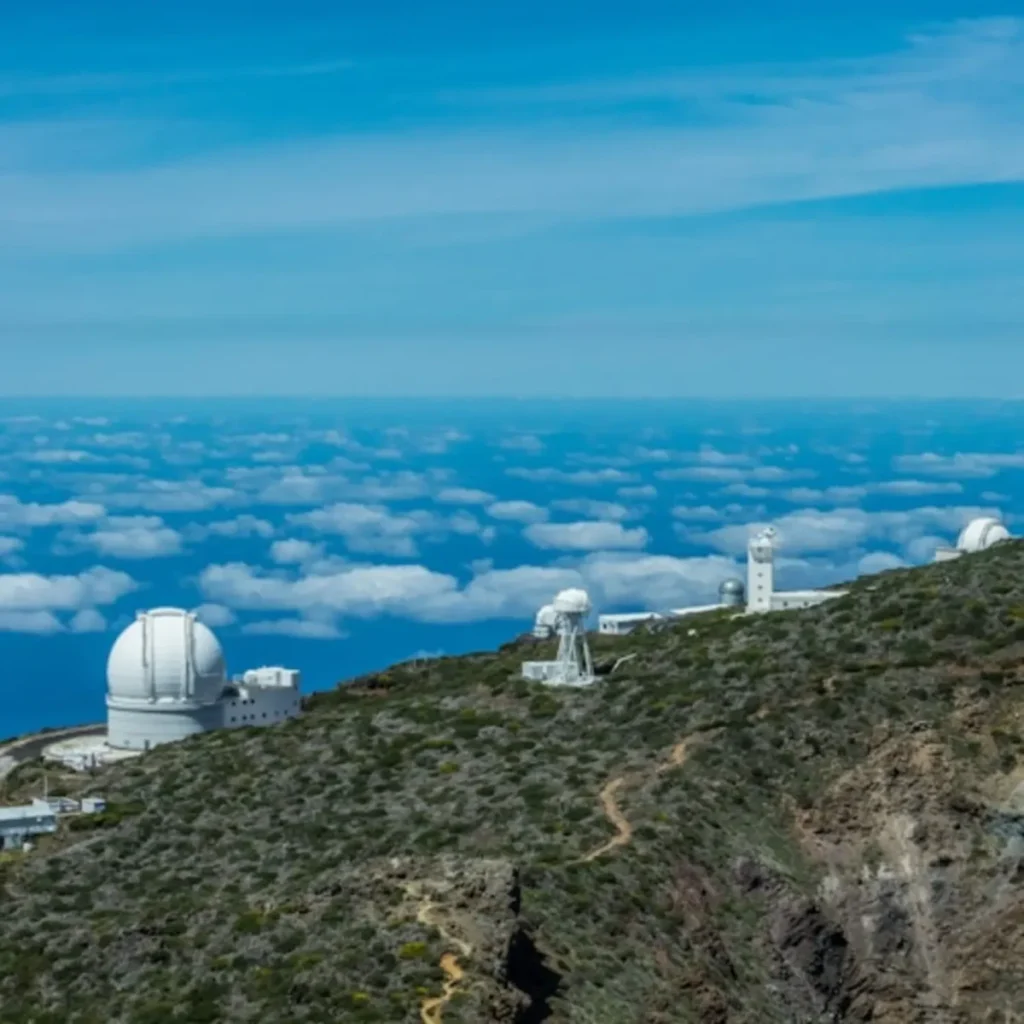
Observatorio del Teide: Visita guiada
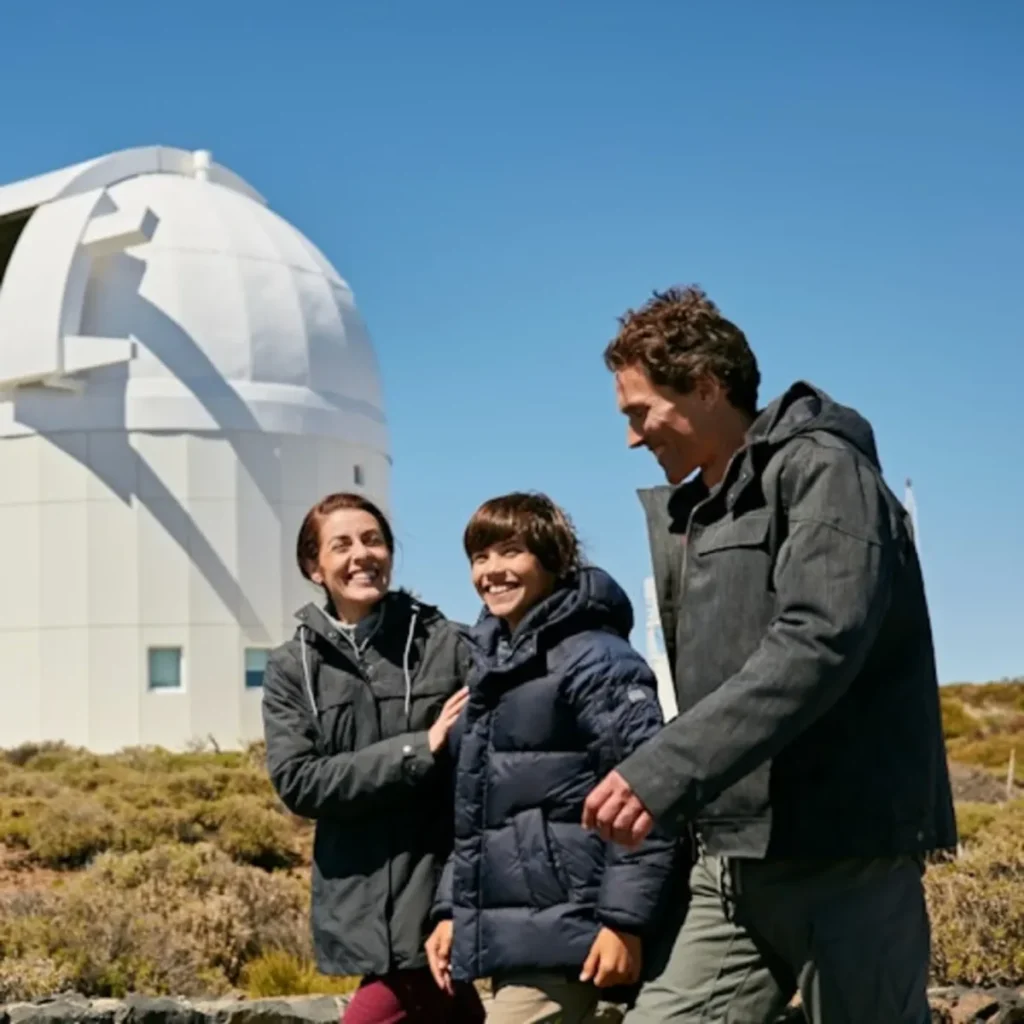
Teide: Visita guiada, excursión a la cima + teleférico
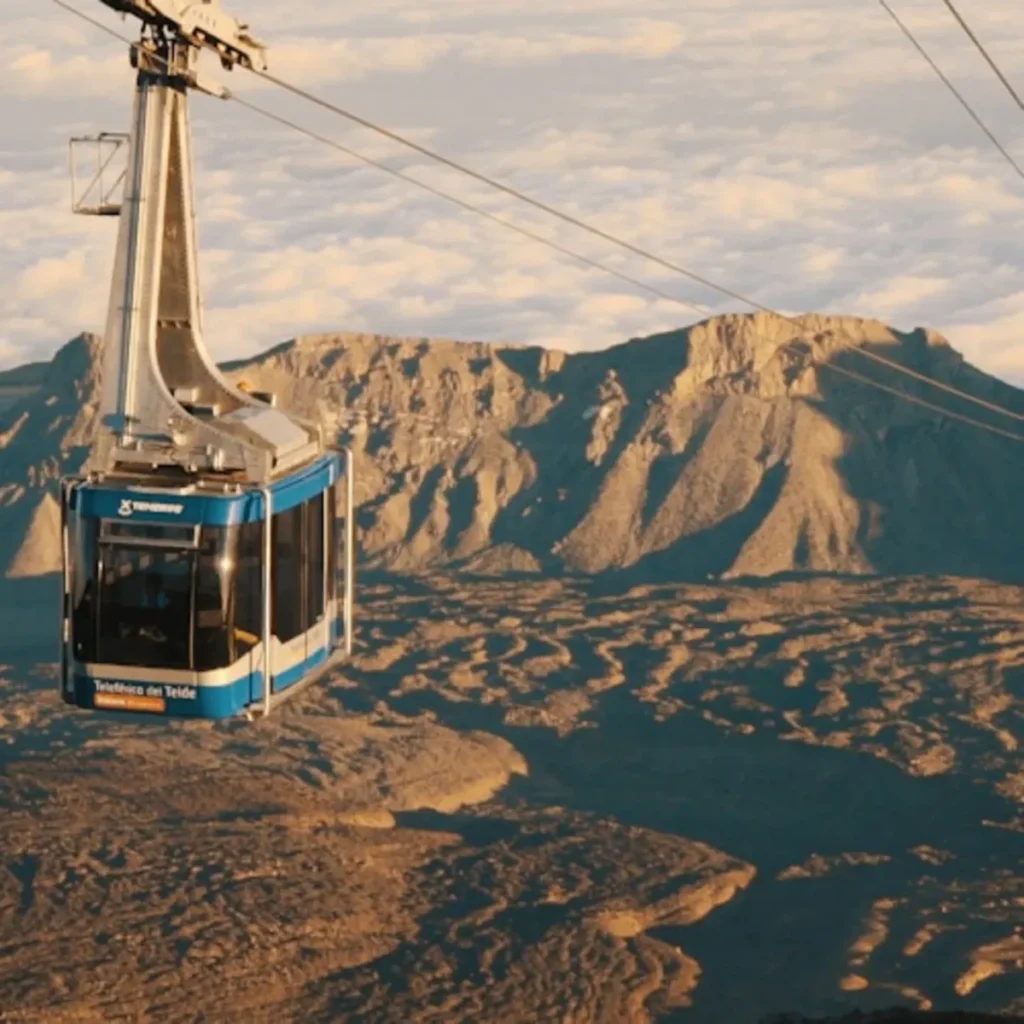
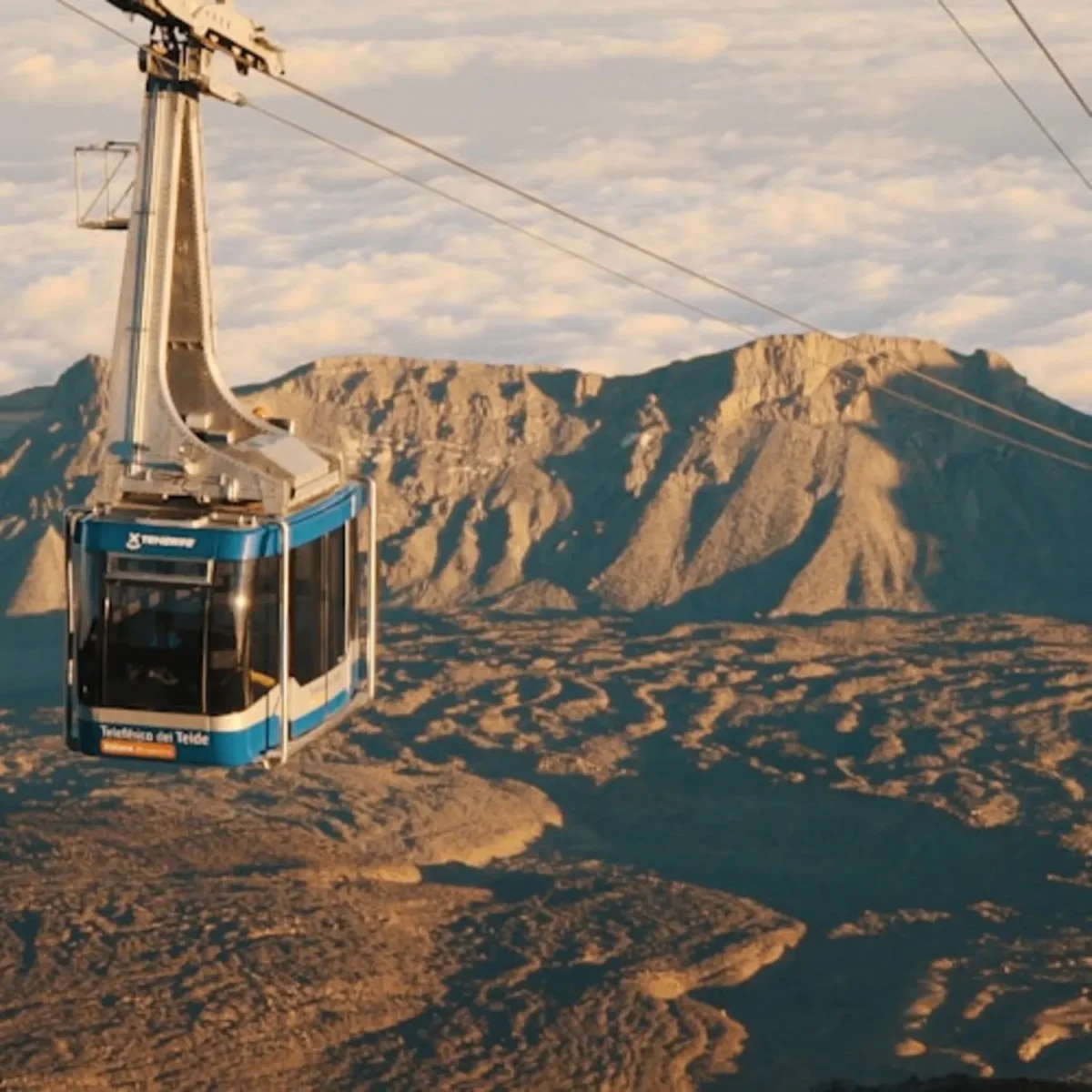
Monte Teide: Excursión en teleférico

Teide National Park – Essential Visitor Info

Teide National Park is open year-round, 24 hours a day, allowing for activities like stargazing and sunrise hikes. However, while the park itself does not "close," many of its internal facilities, specific trails, and services have strictly regulated hours.

Facility and Service Hours

The main visitor services operate on a standard daytime schedule:

Visitor Centers: Locations like El Portillo and Cañada Blanca typically open from 9 AM to 4 PM.

Teide Cable Car: Usually operates from 9 AM to 5 PM (though hours extend during summer months). Note that the cable car frequently closes due to high winds or icy conditions.

Parking Lots: The official parking lot at the cable car base station has specific hours, often closing around 6 PM or 7:40 PM depending on the season.

Optimal Seasons for Hiking and Flora
The shoulder seasons of spring (April to June) and autumn (September to October) offer the most stable conditions for outdoor activity. Spring is particularly notable for the blooming of the red bugloss (tajinaste rojo), while autumn provides mild temperatures and excellent visibility before the winter rains or snows begin.

Morning and Afternoon Visits
The Teide Cable Car typically operates from 9 AM to 4 PM, with hours often extended until 5 PM or 6 PM during the summer months. Arriving for the first ascent at 9 AM is recommended to avoid the peak midday crowds and to secure parking, which is limited at the base station.

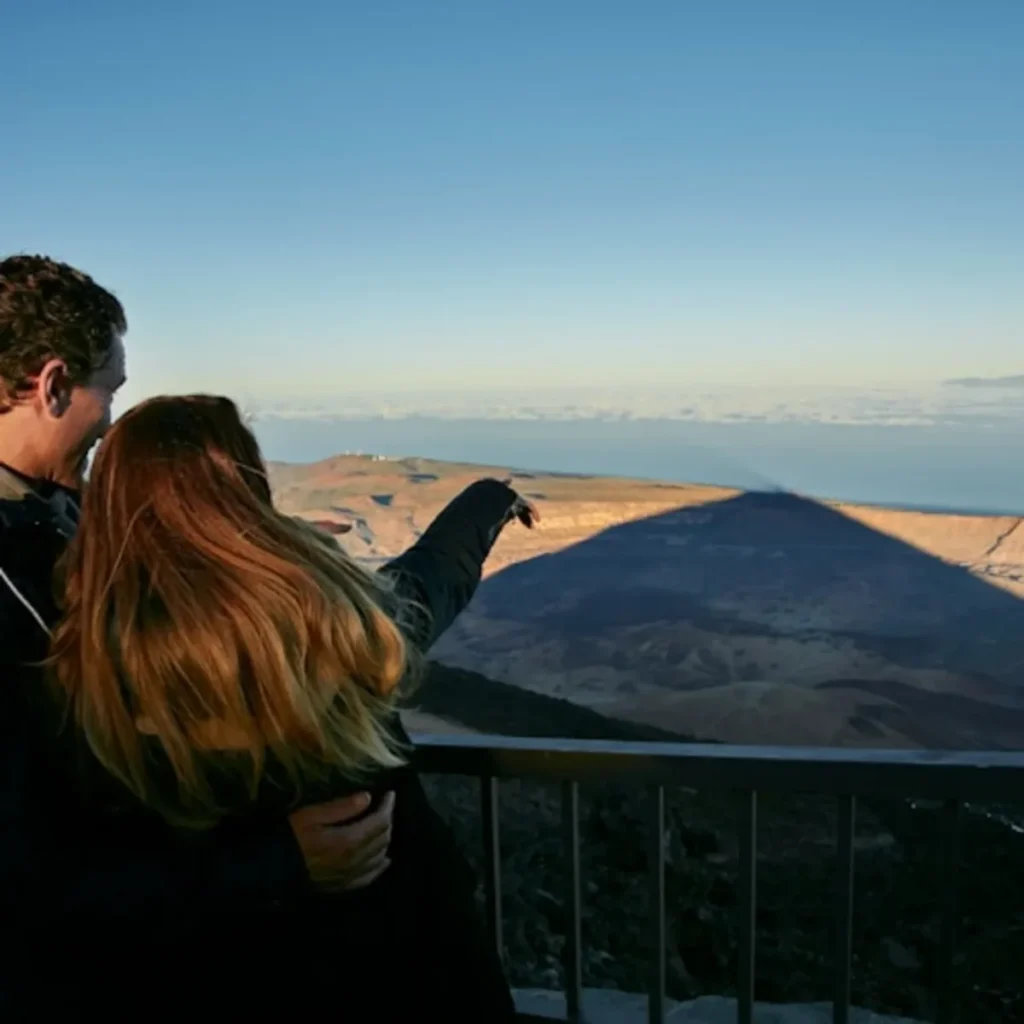
Sunset and the Shadow of Teide
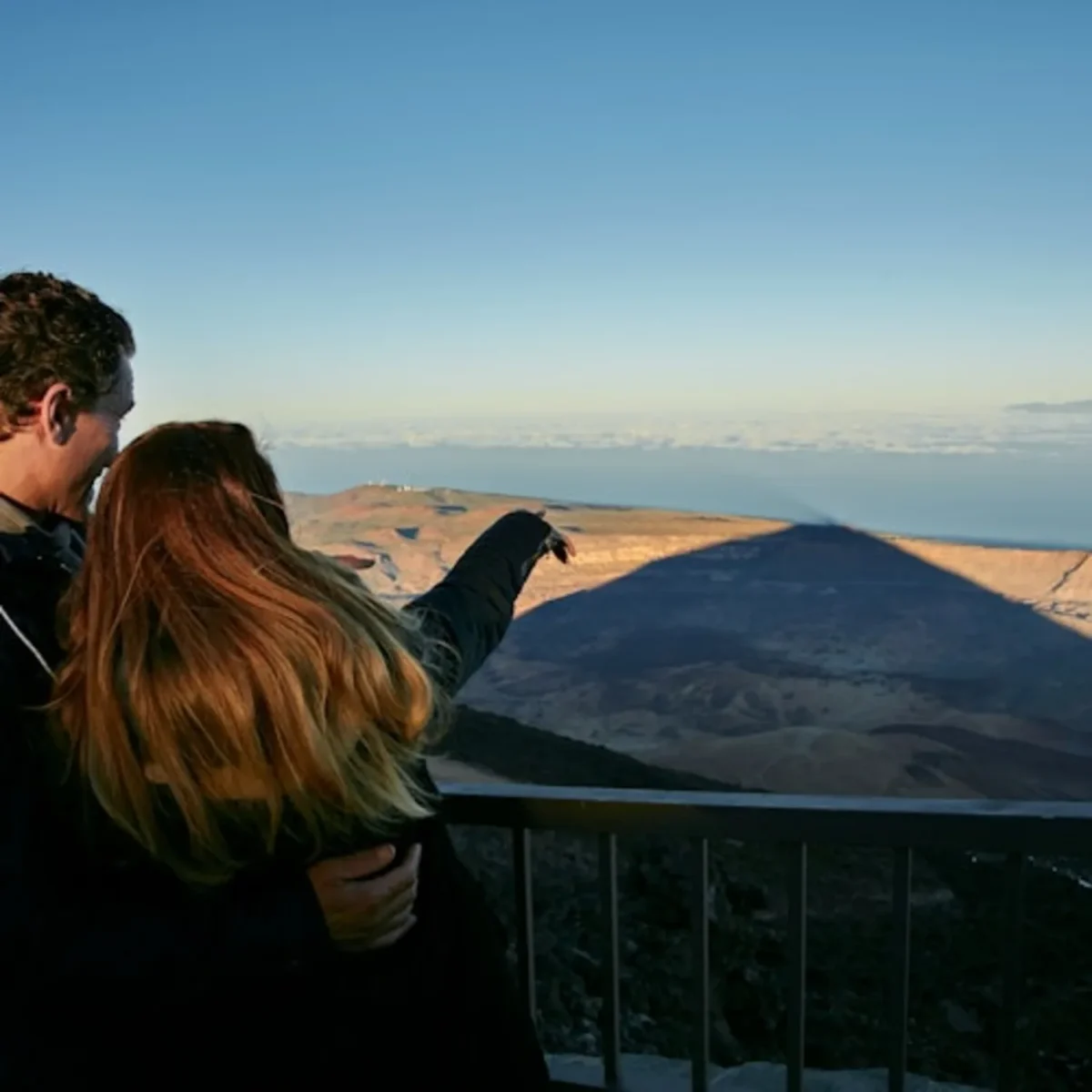
Late afternoon is a strategic time to visit for those interested in photography and unique atmospheric phenomena. As the sun descends, the volcano casts one of the world's largest shadows across the Atlantic Ocean, a spectacle best viewed from the higher trails or the Pico Viejo lookout.

Nighttime and Stargazing
Teide National Park remains open 24 hours a day, allowing for world-class astronomical observation after dark. Visitors planning to stay for stargazing should arrive at least 60 to 90 minutes before sunset to allow their eyes to adjust and to navigate the mountain roads safely before total darkness.

Winter Considerations
Between December and February, the summit frequently experiences snowfall and high winds, which can lead to the temporary closure of the cable car and summit trails. While the snow-capped peak offers a striking landscape, visitors during this period must check daily weather reports and be prepared for sub-zero temperatures at high altitudes.

Good to Know Before Visiting Teide National Park

A free permit from the National Park's official website is mandatory if you intend to hike the final stretch to the peak of Mount Teide.

Due to the extreme altitude and thin air, the cable car is strictly prohibited for pregnant women, children under three years of age, and individuals with heart or respiratory conditions.

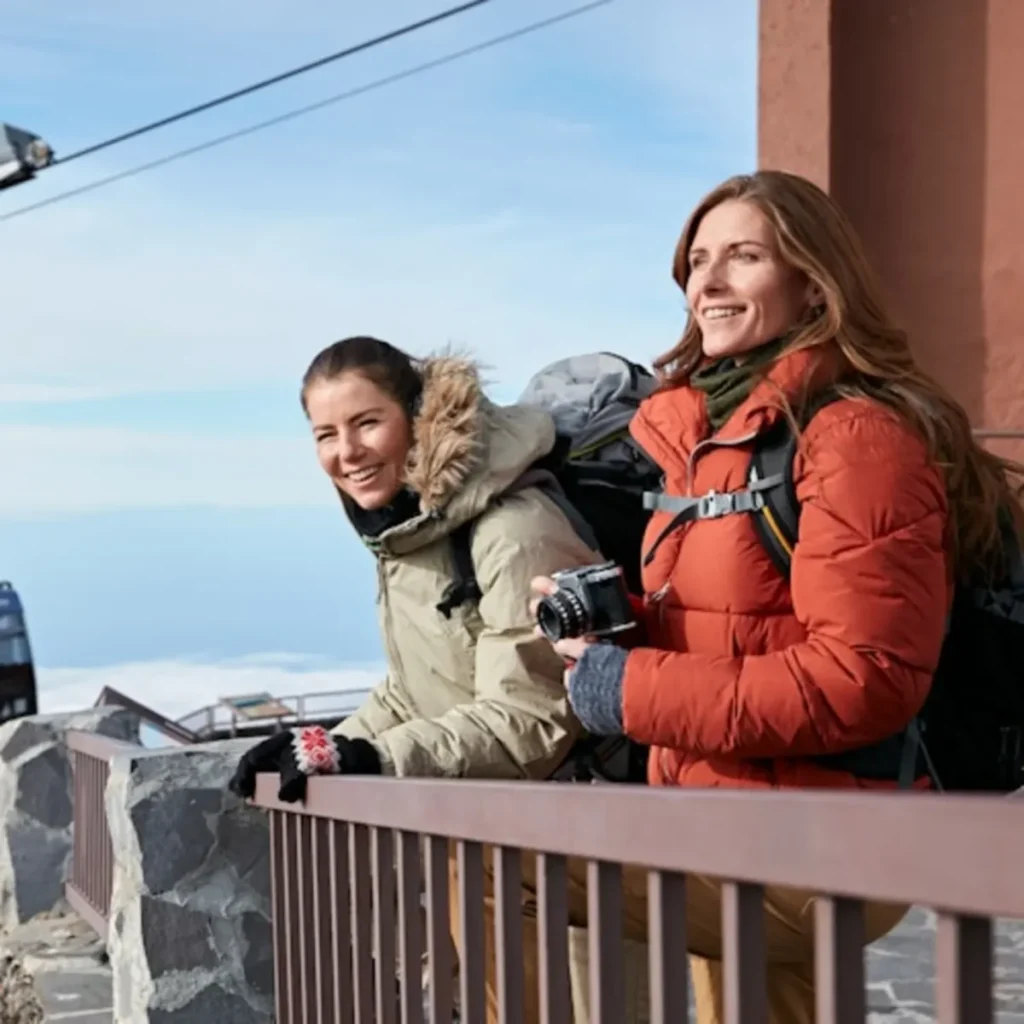
Temperatures at the summit can be 10°C to 15°C lower than at the coast, making warm clothing and windbreakers essential even in the summer months.

The Teide Cable Car may close without prior notice due to high winds or adverse weather conditions, so you should check the operational status online before departing.

Parking at the base station is very limited and often fills up completely by 10 AM, so arriving early or using public transport is highly recommended.

There are no ATM facilities or pharmacies within the National Park boundaries, so ensure you have necessary supplies and funds before ascending.

High-factor sunscreen and UV-protection sunglasses are vital because solar radiation is significantly more intense at 3,000 meters than at sea level.

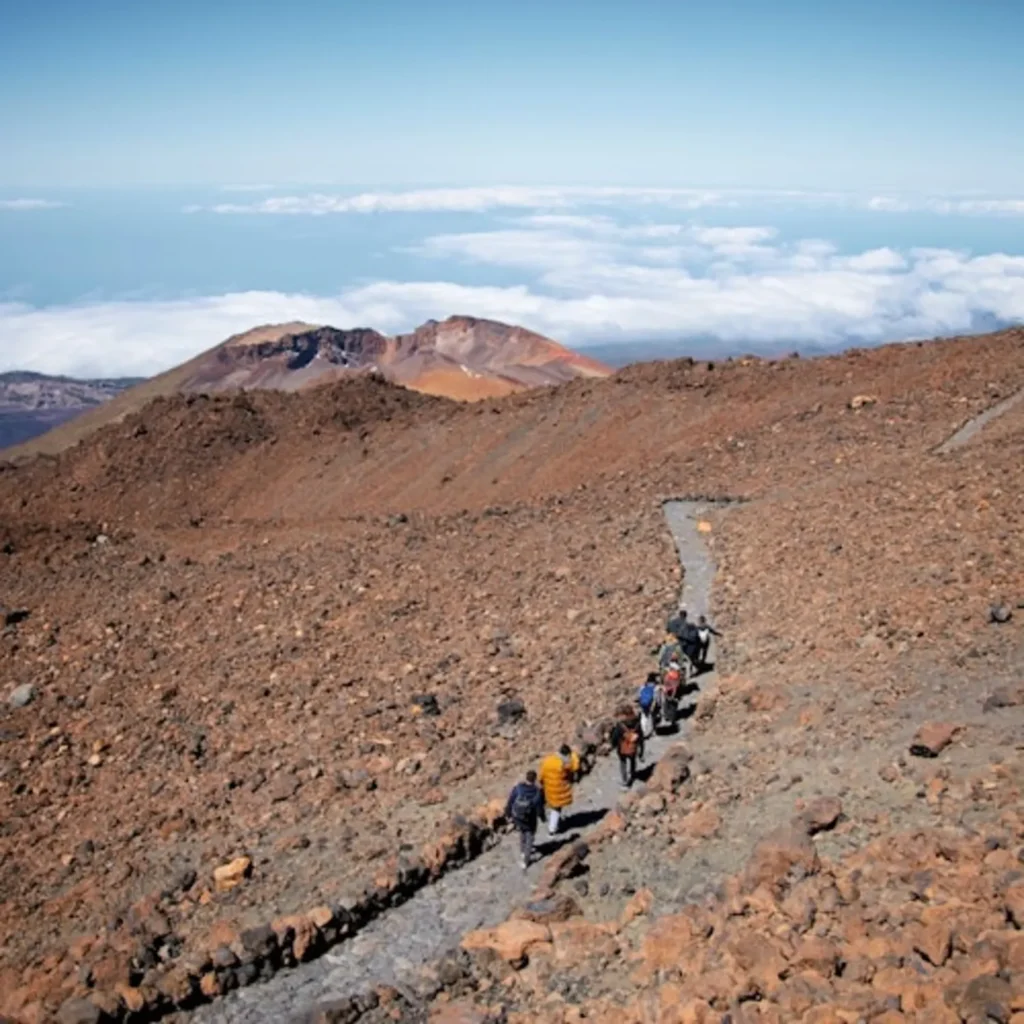
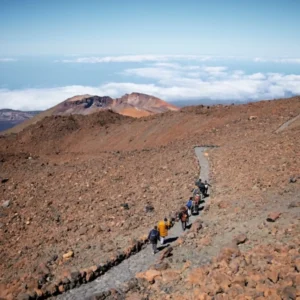
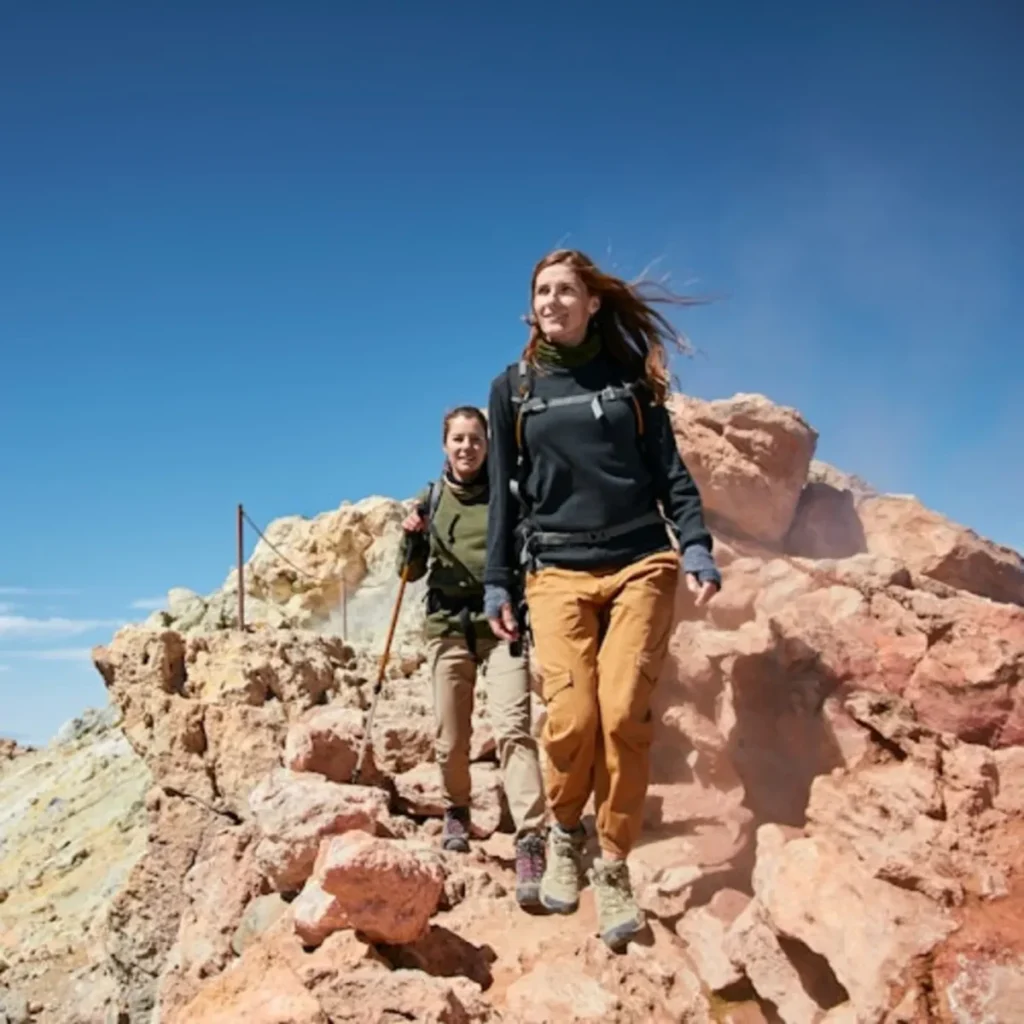
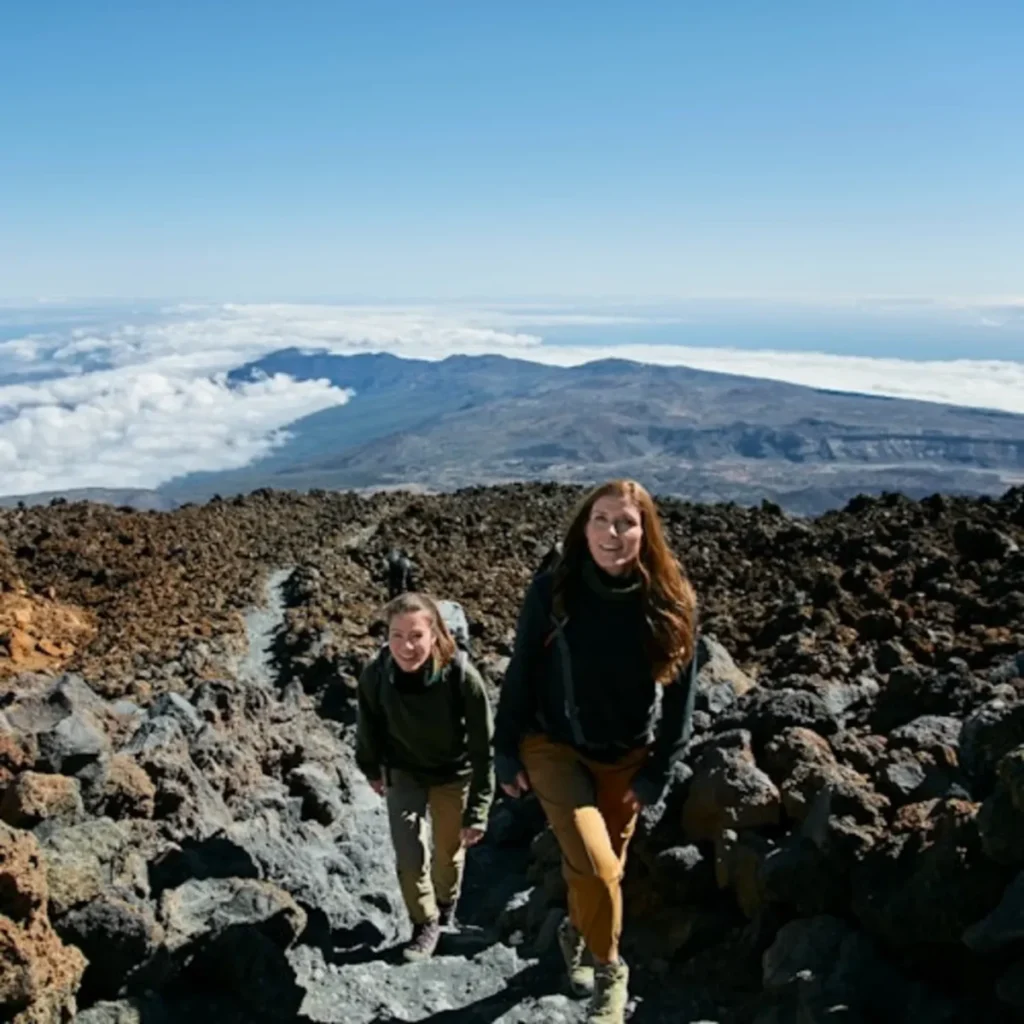
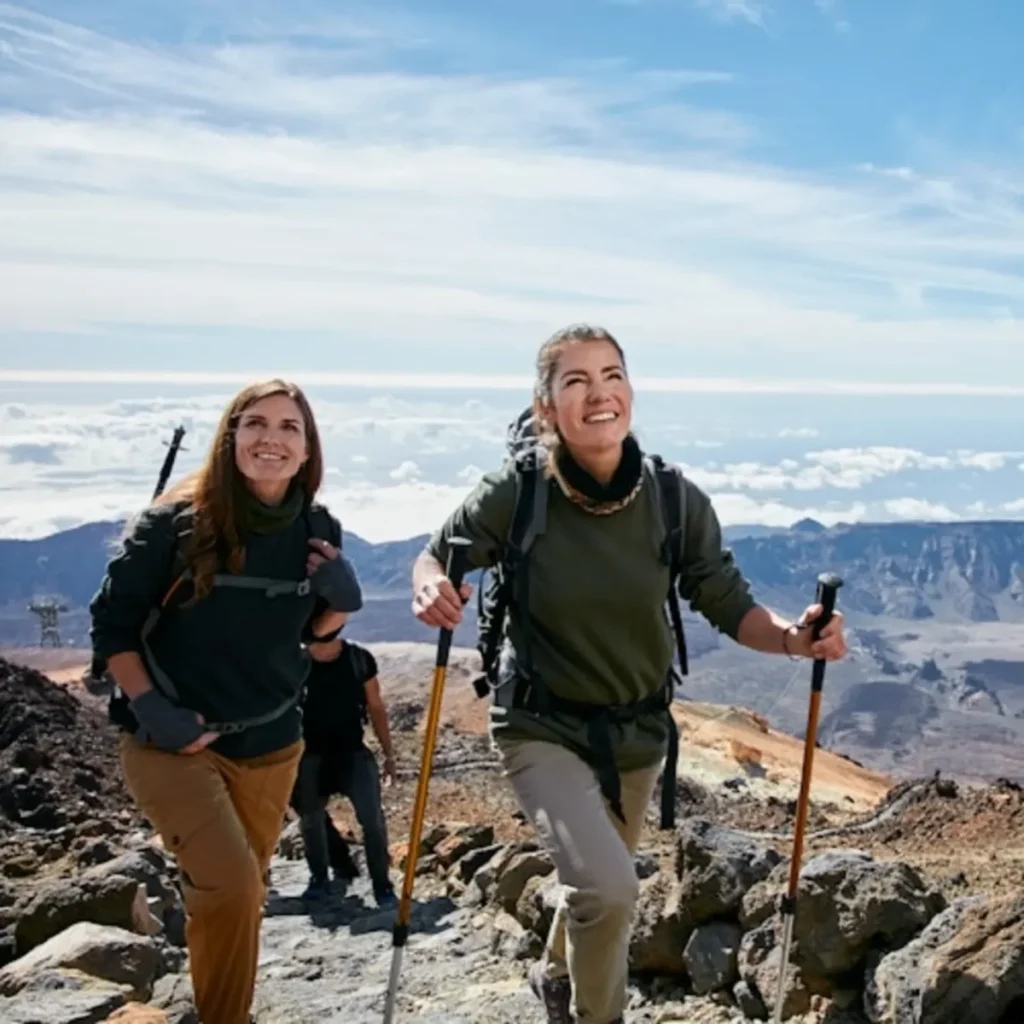
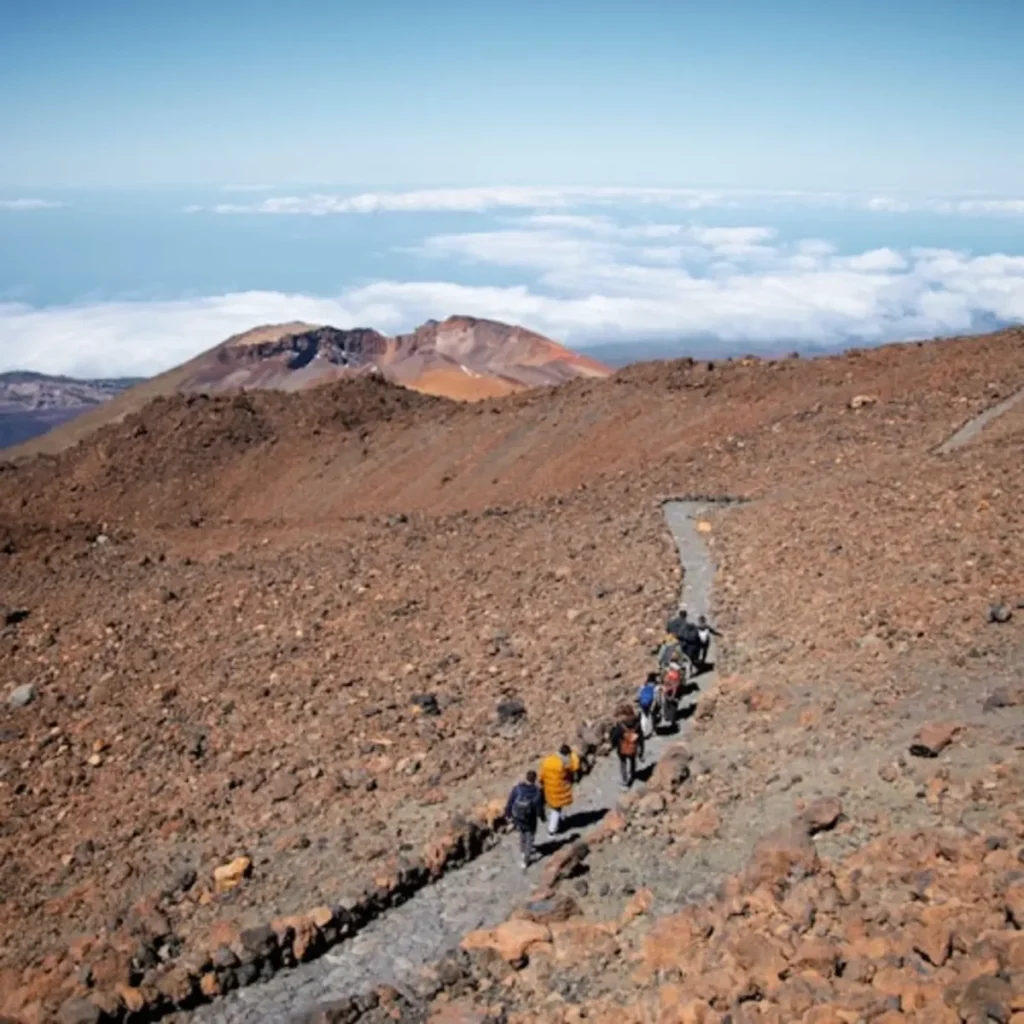
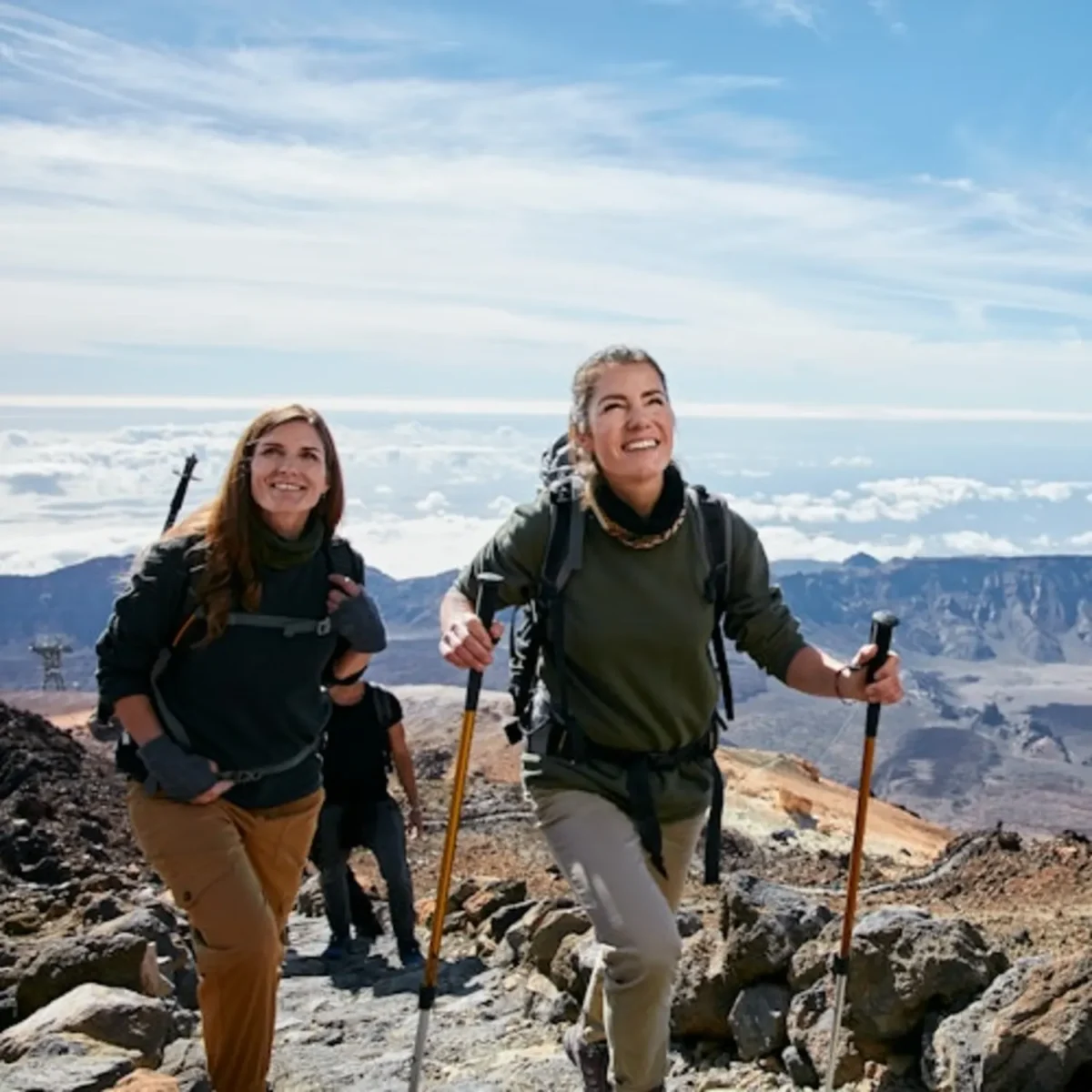
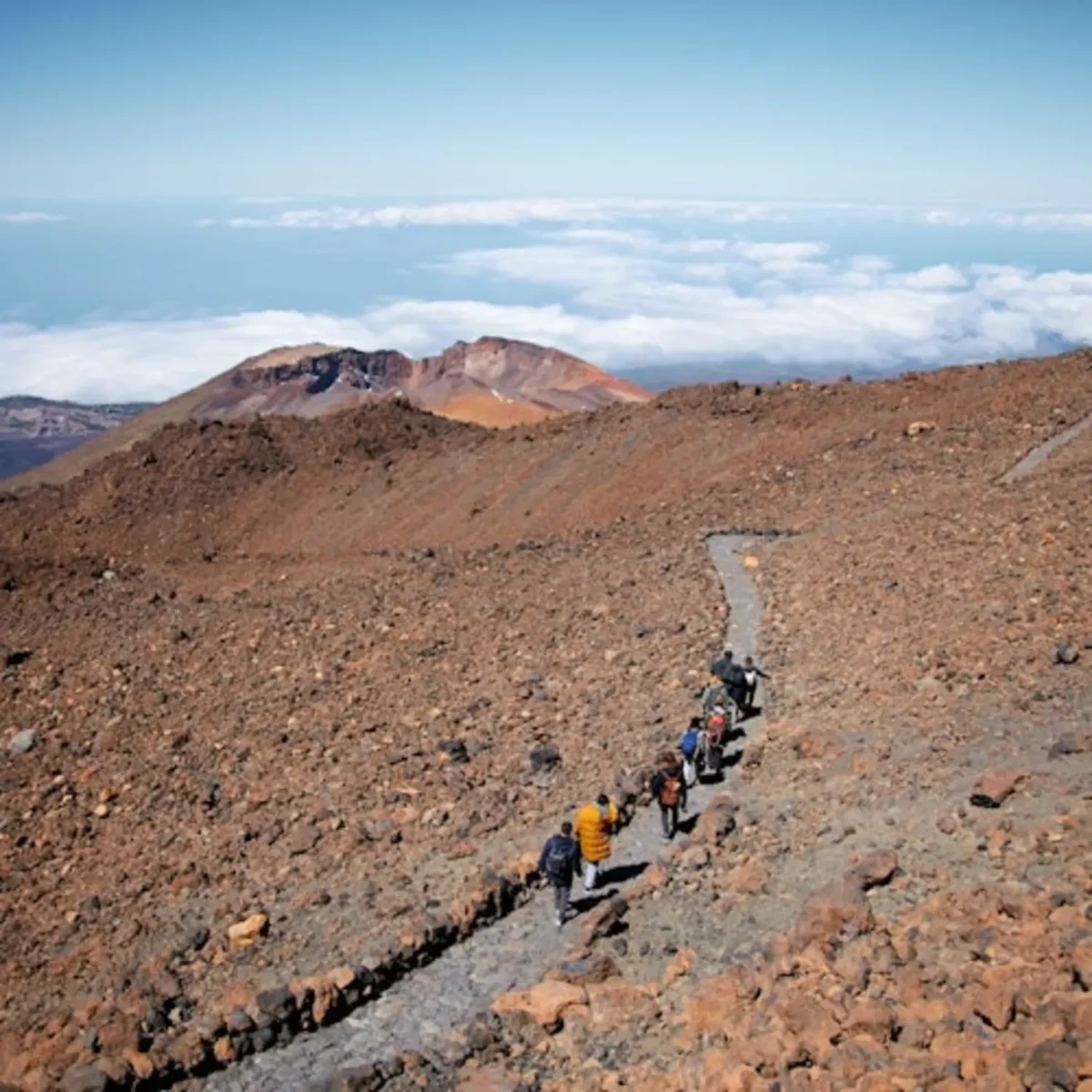
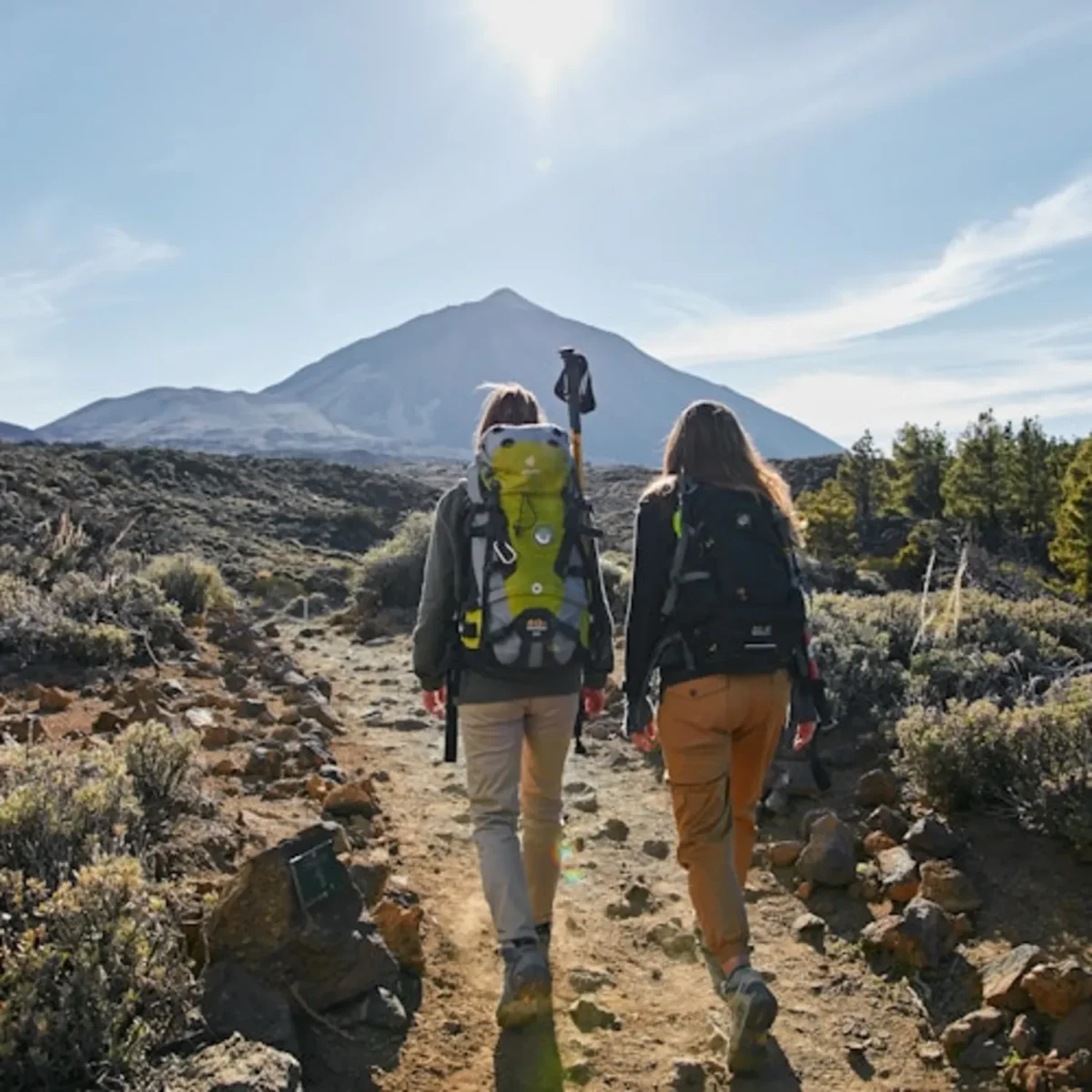
Robust hiking boots with good grip are required for all trails, as the volcanic terrain consists of sharp, unstable phonolite and obsidian rocks.

It is illegal to collect any volcanic stones, plants, or natural artifacts from the park, as it is a protected UNESCO World Heritage site.

You must carry sufficient drinking water for your entire visit, as there are no natural water sources or shops available once you leave the base station.

Teide National Park - Additional Info

Dining at the base station is centered around the Café-Restaurant, which offers panoramic views of the Las Cañadas caldera through expansive floor-to-ceiling windows. The menu emphasizes traditional Canarian gastronomy, featuring local staples such as papas arrugadas (wrinkled potatoes) with mojo sauce, local cheeses from Tenerife and Fuerteventura, and traditional pastries.

The café provides a selection of quick-service options, including sandwiches, artisanal coffee, and fresh juices. It serves as an ideal staging area for hikers to hydrate and refuel before or after their ascent.

While visitors are welcome to bring their own food to the park's public picnic areas, the base station restaurant remains the only full-service dining facility within the immediate vicinity of the volcano.

Teide National Park - Nearby Attractions

Corona Forestal Natural Park: This lush belt of Canarian pine forest completely surrounds Teide National Park, acting as a green transition between the volcanic heights and the coast. It is a prime location for mountain biking and hiking through dense woodland that is frequently draped in the "sea of clouds" phenomenon.

Vilaflor de Chasna: As the highest village in Spain, located just south of the park boundary, this traditional hamlet serves as a gateway for travelers. It is famous for its artisanal lace, local vineyards, and the "Pino Gordo," a massive endemic pine tree with a trunk measuring nine meters in circumference.

Masca Valley and Hamlet: Located in the Teno Massif to the west, this historic village is perched on a mountain ridge and offers some of the most dramatic ravine scenery in the Canary Islands. The drive from the national park toward Masca provides a complete shift in landscape from volcanic plains to steep, verdant cliffs.

La Orotava Historic Center: Situated in the valley below the northern park entrance, this town is renowned for its 17th-century architecture and traditional wooden balconies. It provides a cultural contrast to the wilderness of the peak, featuring botanical gardens and historic manor houses like the Casa de los Balcones.

Icod de los Vinos: Located northwest of the park, this town is home to the "Drago Milenario," an ancient dragon tree estimated to be over 800 years old. The area is also famous for its volcanic caves, specifically the Cueva del Viento, which is one of the largest lava tubes in the world.

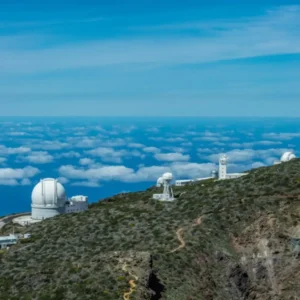
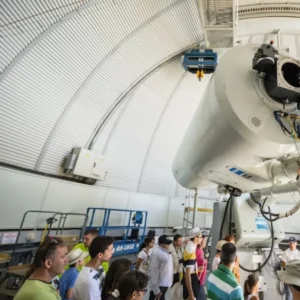
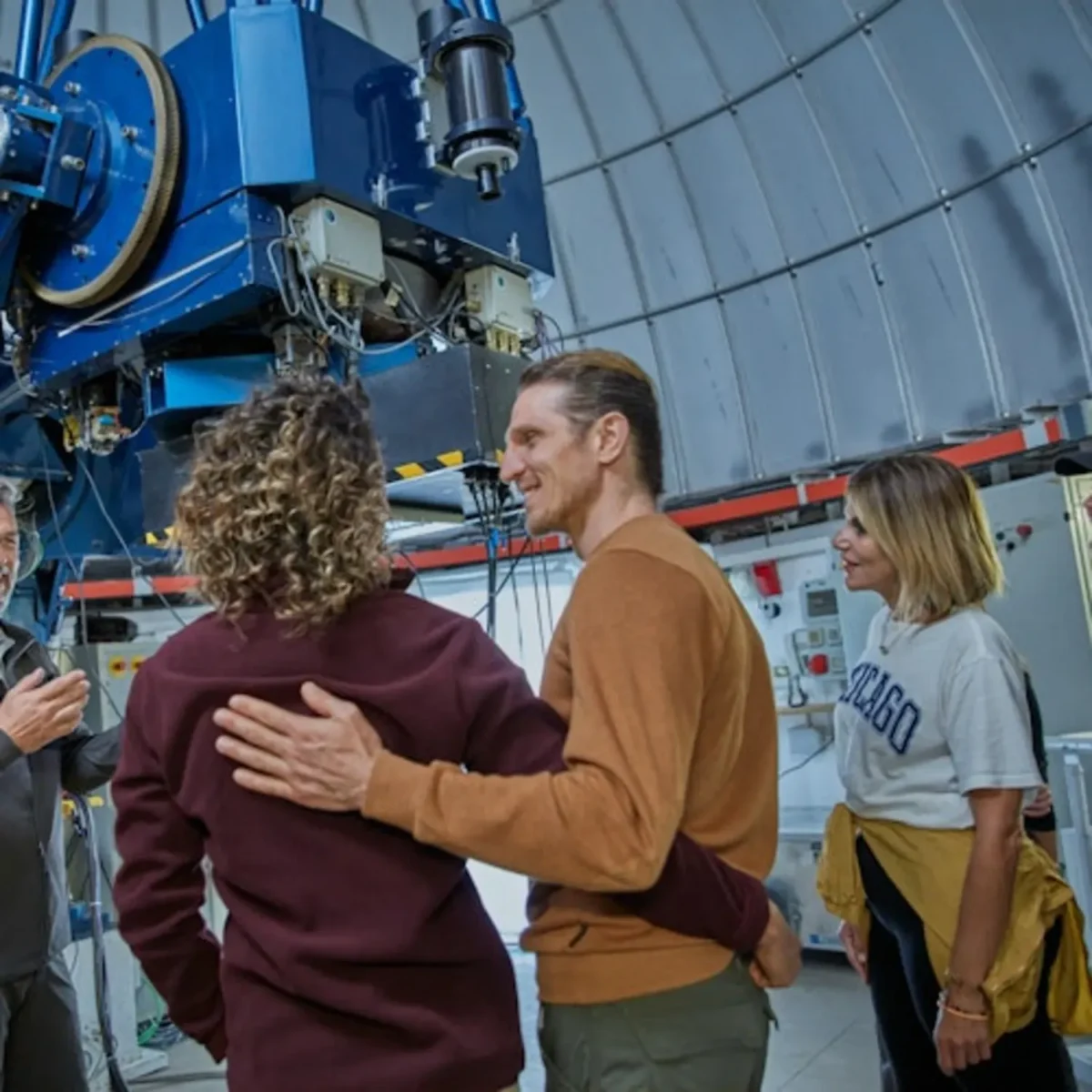
Observatorio del Teide: Visita guiada

Destacados

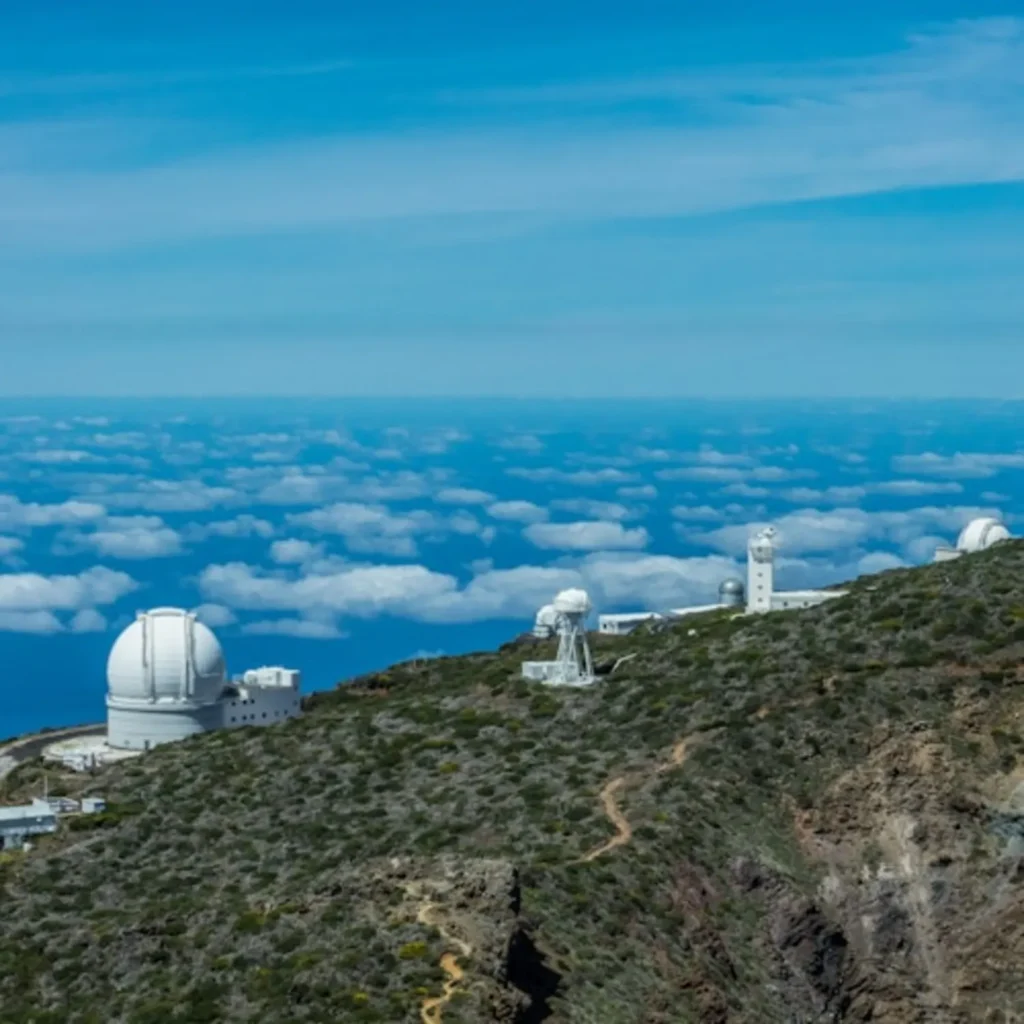
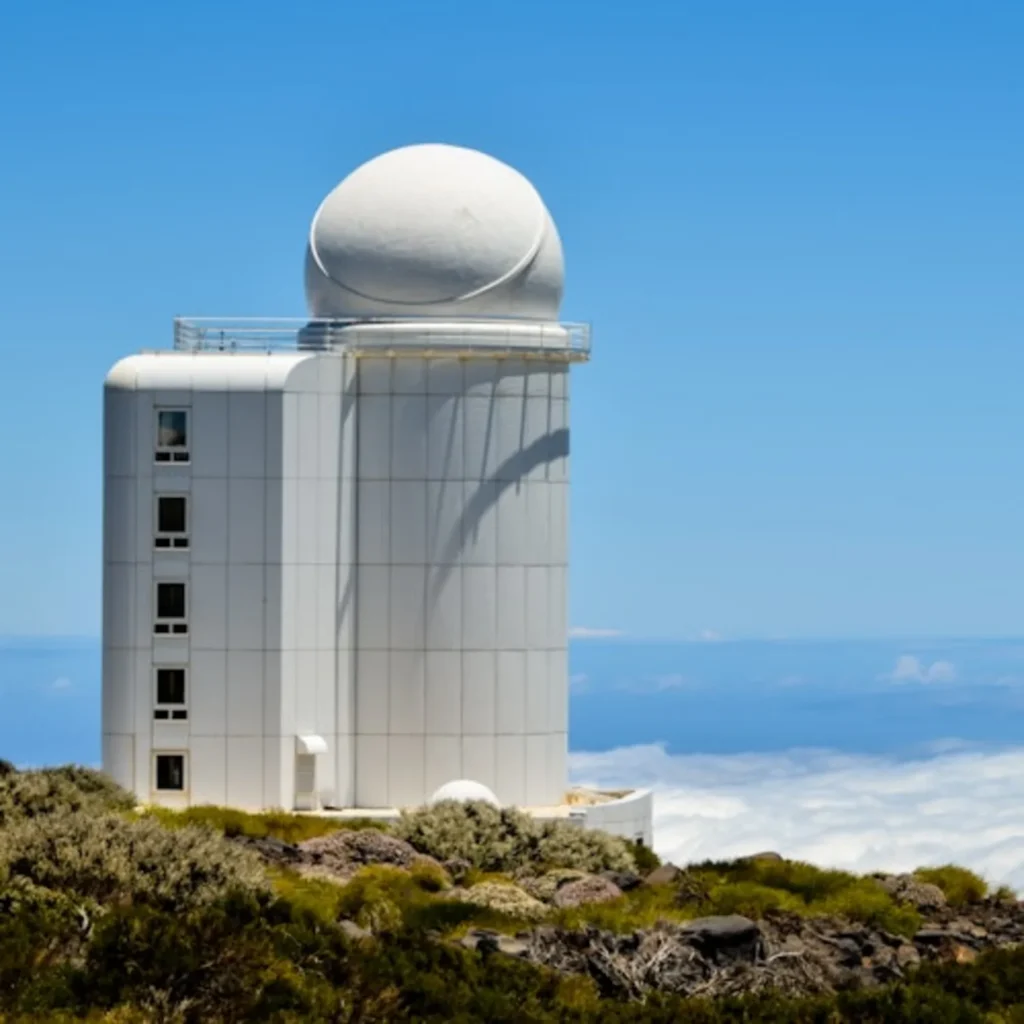
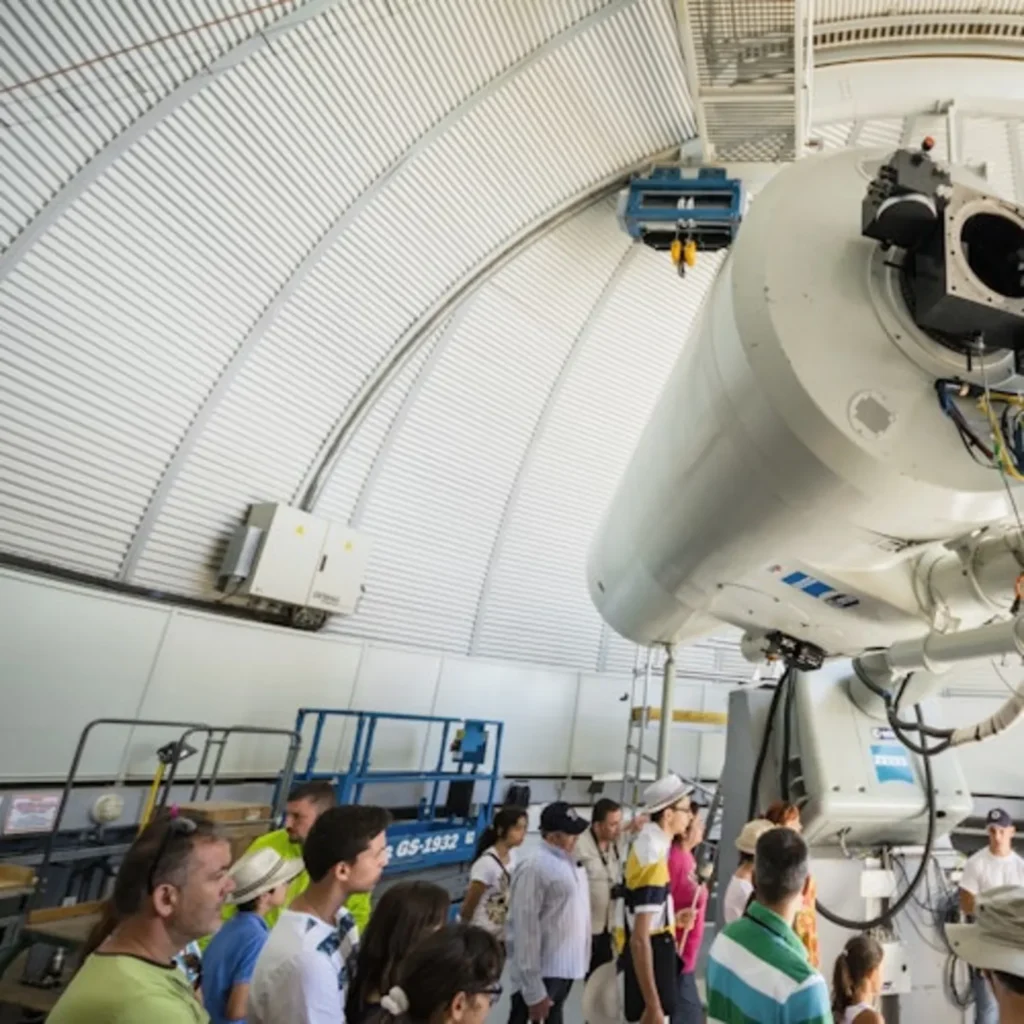
Explora el observatorio solar más grande del mundo.

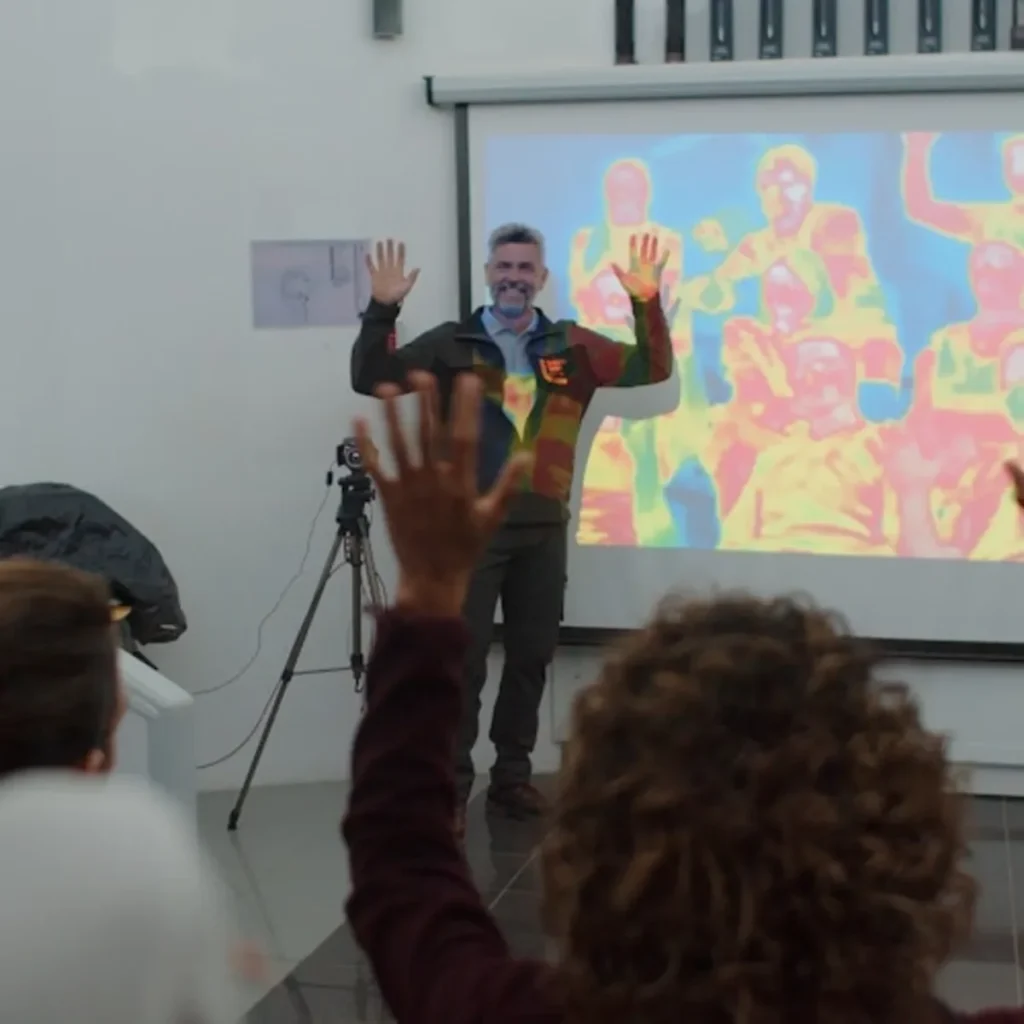
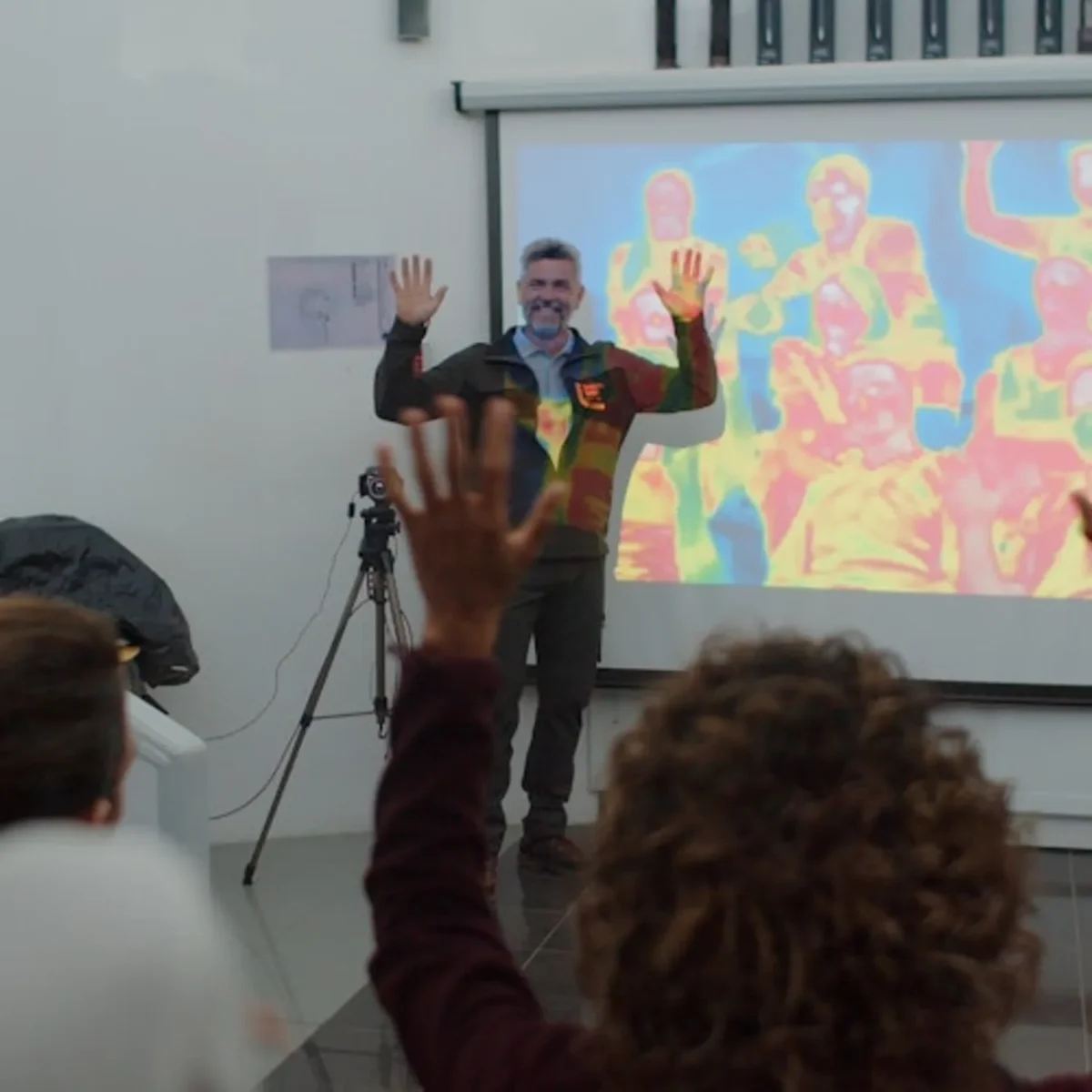
Asiste a un taller de introducción a la astrofísica.

Observa las manchas solares y las erupciones solares a través de telescopios solares especializados.

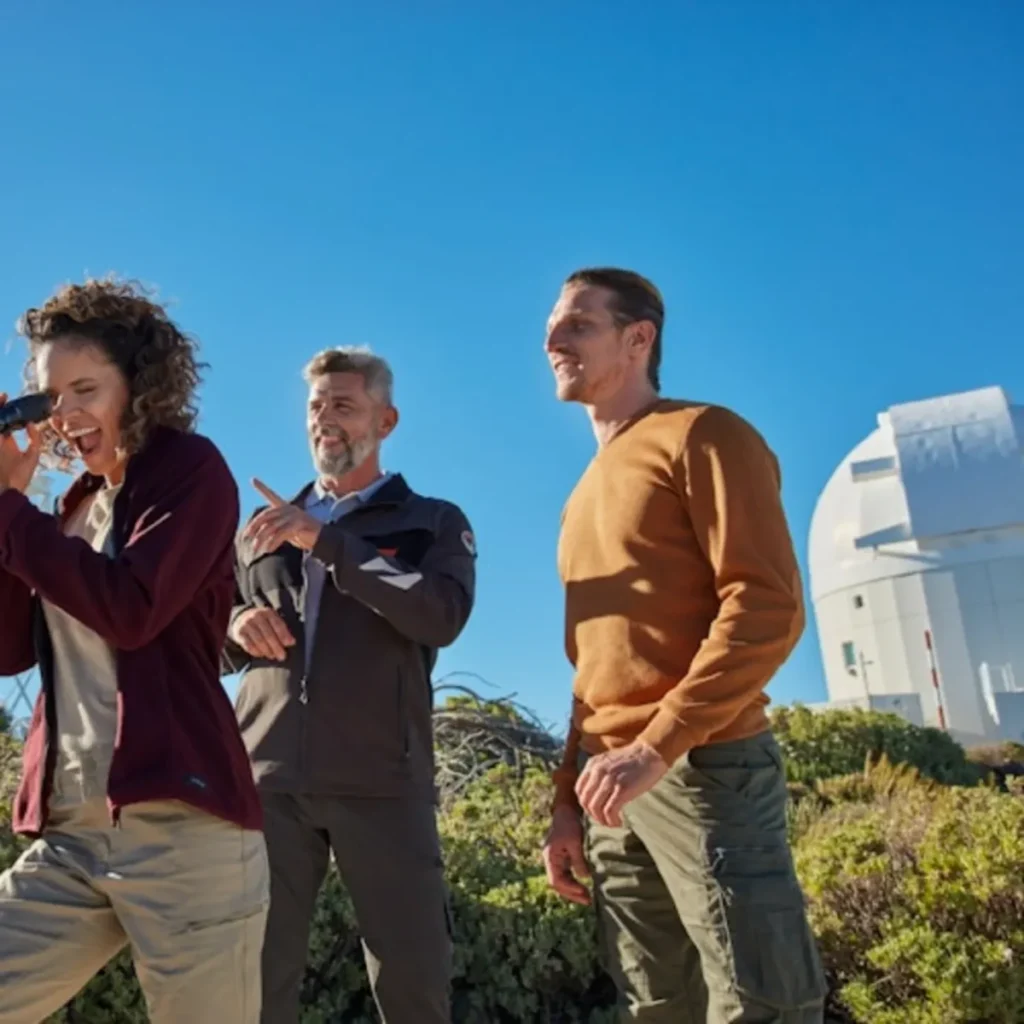
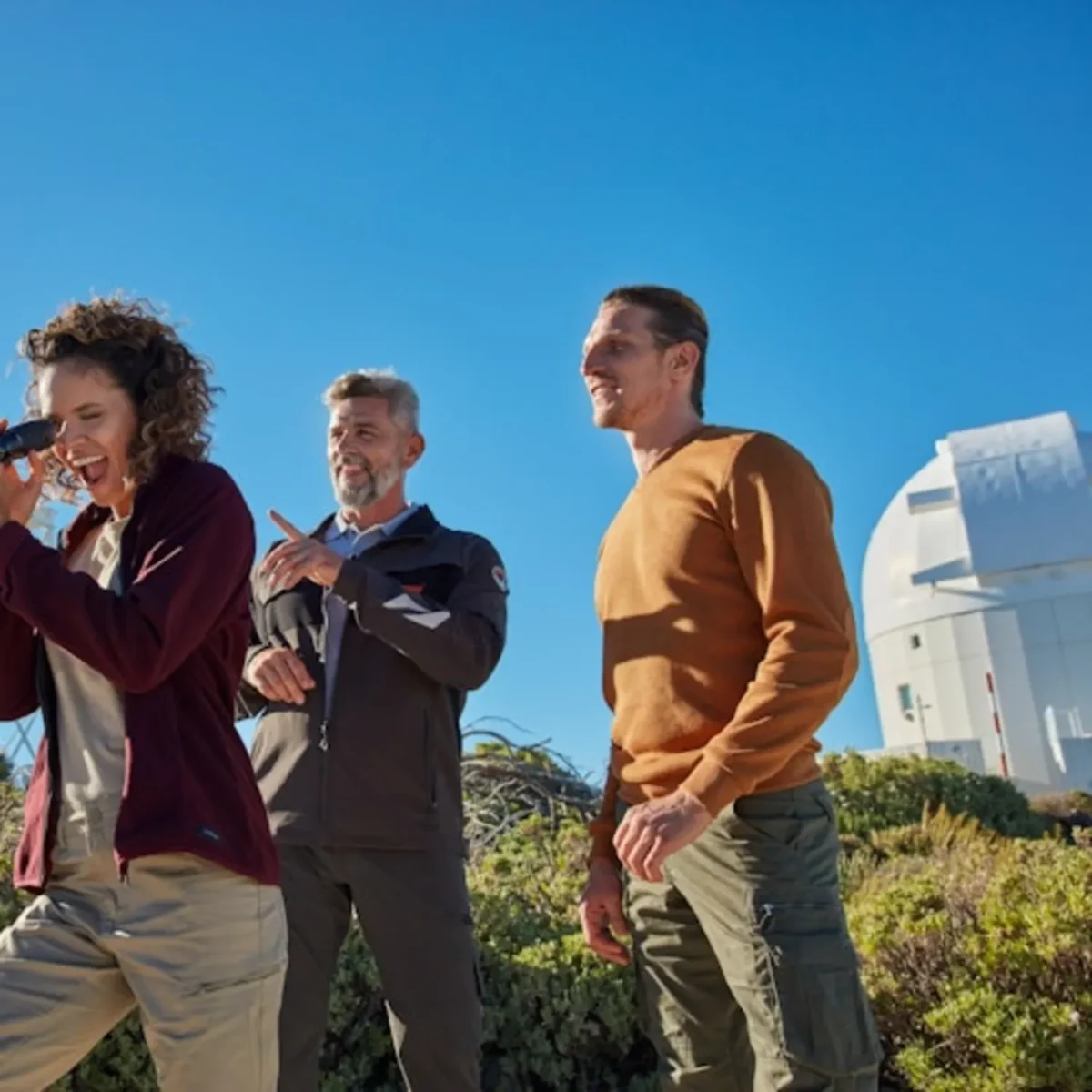
Aprovecha los consejos de un guía experto en astrofísica.

Disfruta de acceso prioritario con una entrada rápida.

Elige entre las visitas guiadas en directo disponibles en inglés y en varios idiomas más.
Teide: Visita guiada, excursión a la cima + teleférico

Destacados

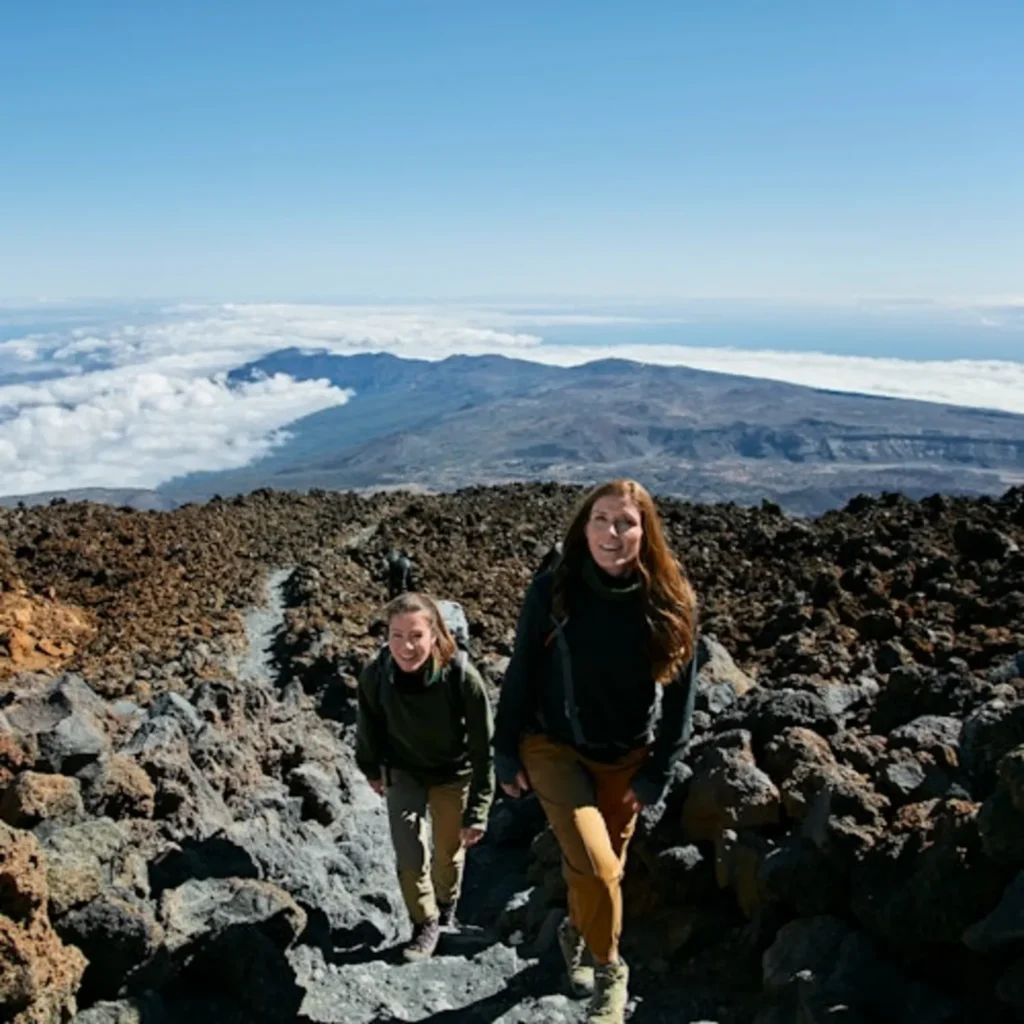
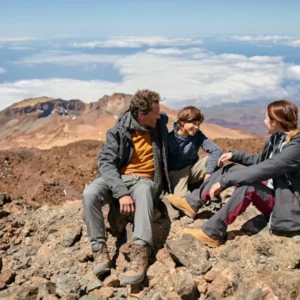
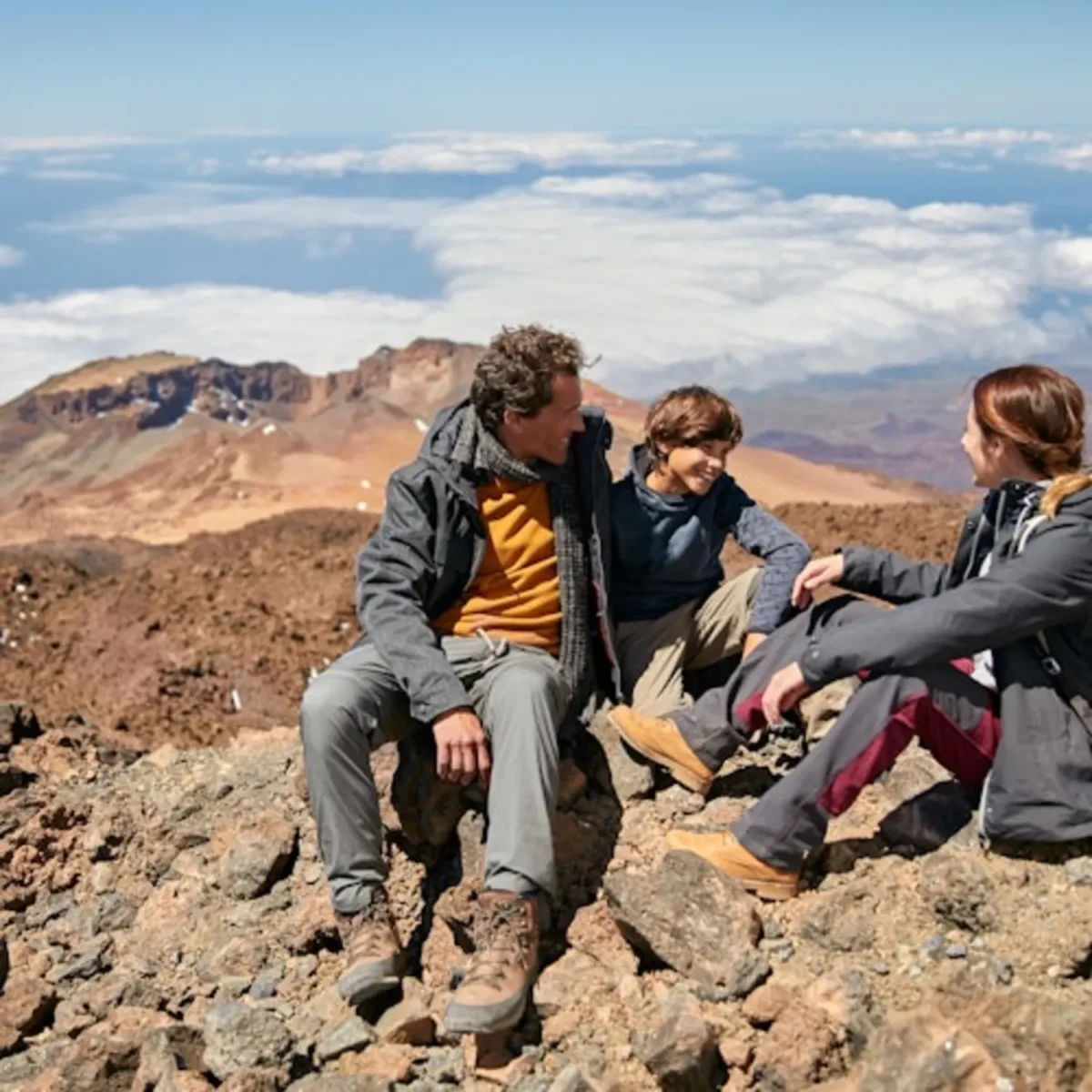
Explora el majestuoso cráter del Teide, situado a 3718m sobre el nivel del mar.

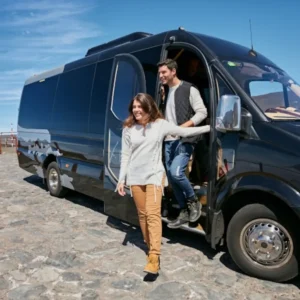
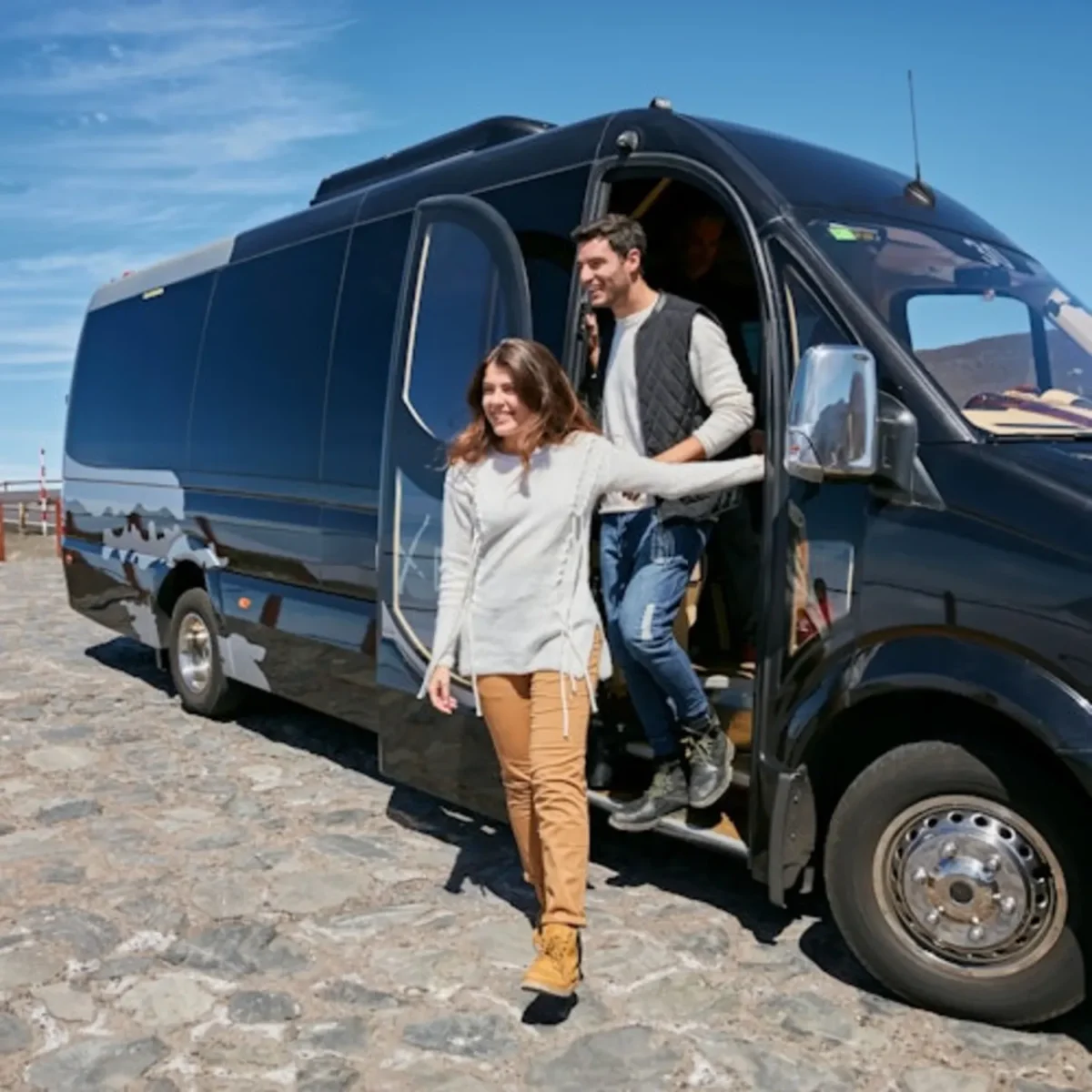
Disfruta de la comodidad del transporte con las diferentes opciones de recogida.

Aprovecha la experiencia de un guía en directo multilingüe que habla inglés, español y alemán.

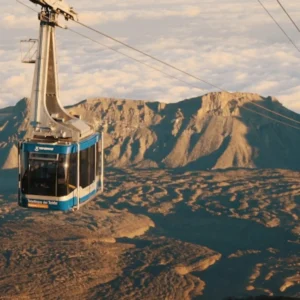
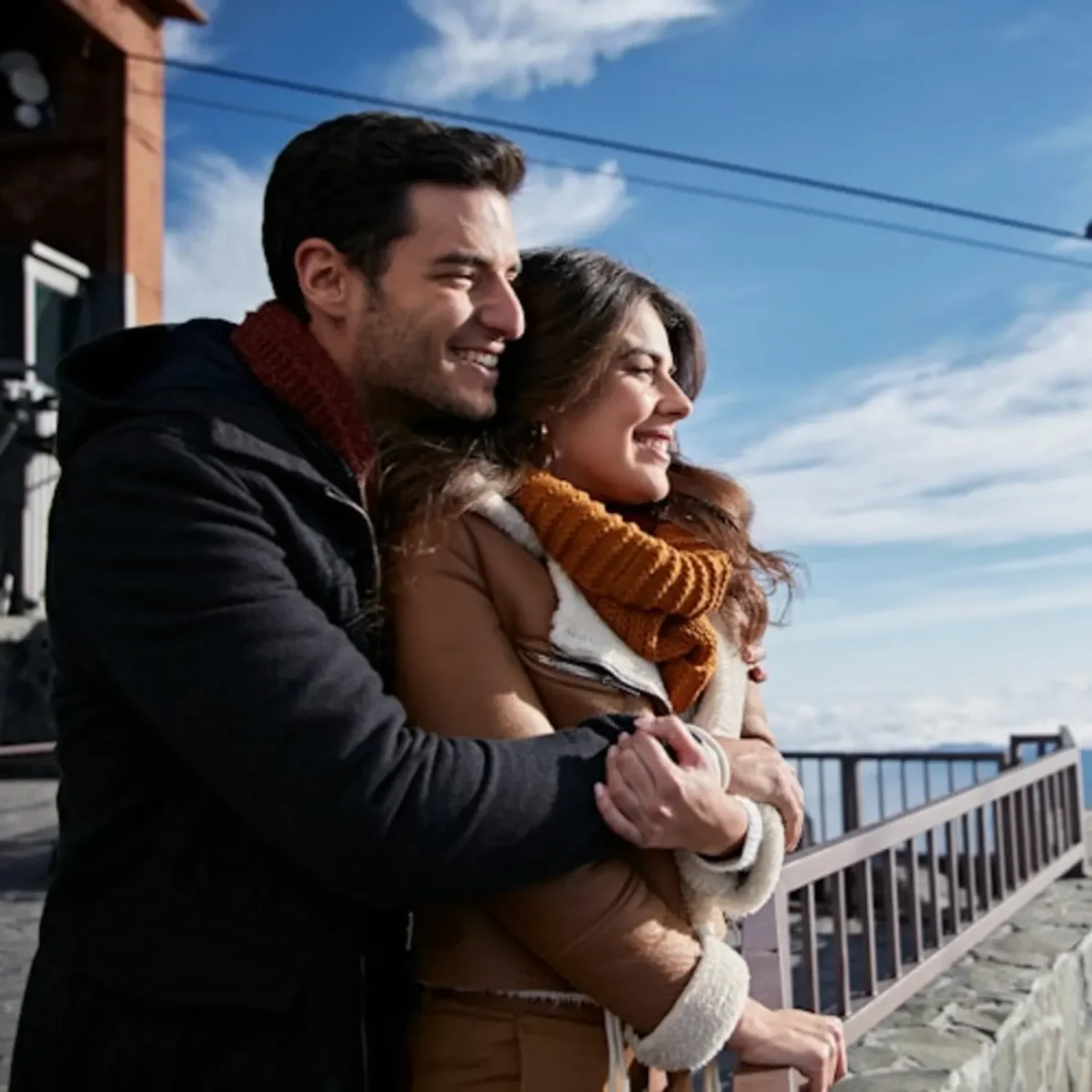
Disfruta de un recorrido panorámico en teleférico con unas vistas impresionantes.

Tu reserva incluye todos los permisos necesarios para acceder al parque nacional.
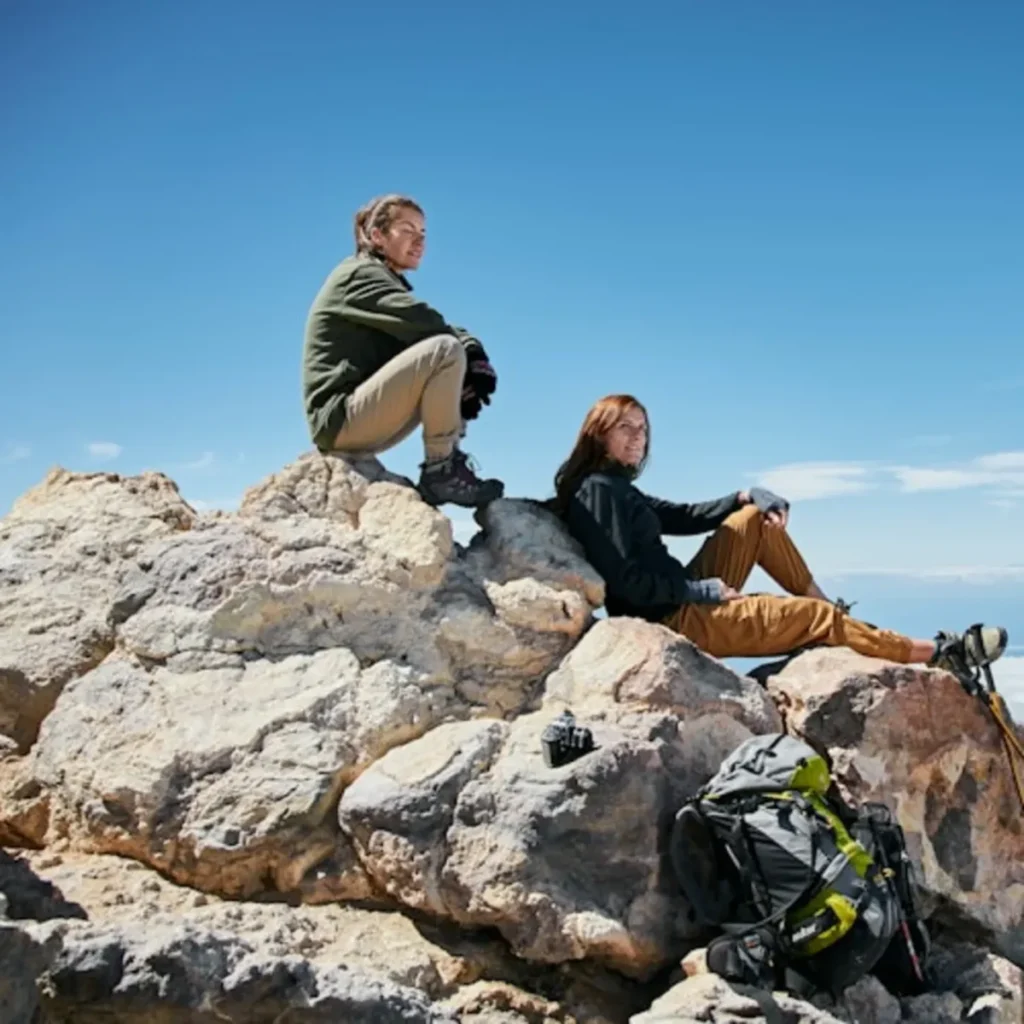
Monte Teide: Excursión en teleférico

Destacados

Recorre en autocar los frondosos bosques de pinos canarios.

Sube cómodamente al Teide en teleférico.

Descubre las rutas de senderismo y los secretos de la región de la mano de un guía en persona.

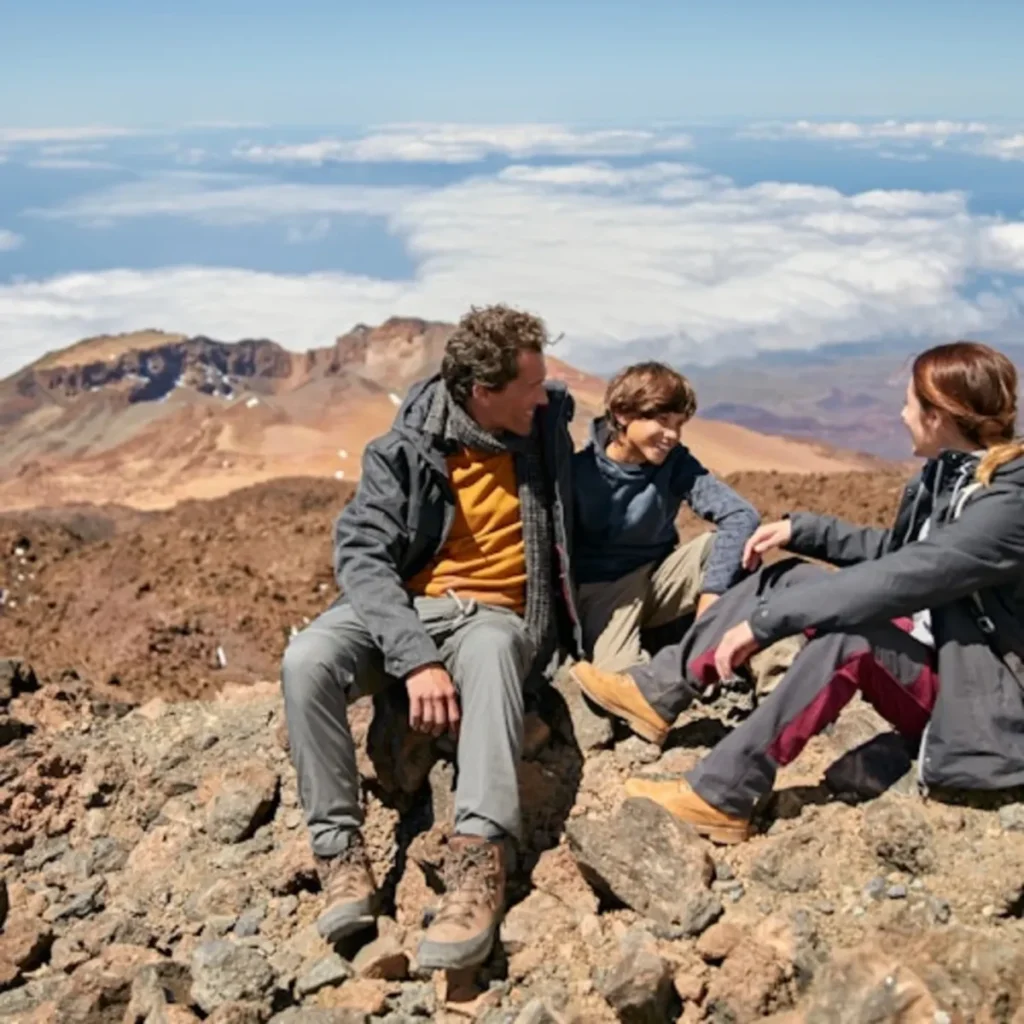
Maravíllate ante las espectaculares vistas panorámicas desde la cima, que abarcan la costa norte, las islas del sur bañadas por el sol y el impresionante valle de Ucanca.

Guía multilingüe disponible en inglés, alemán, francés, italiano y español.
FAQs about Visiting Teide National Park

¿Cómo puedo asegurarme de conseguir una entrada para el teleférico?

Es muy recomendable comprar las entradas por Internet con antelación para asegurarte la franja horaria que prefieras y evitar largas colas.

¿Qué tipos de experiencias guiadas se pueden adquirir?

Entre las opciones se incluyen visitas guiadas al Observatorio del Teide, excursiones a la cima combinadas con el acceso en teleférico y viajes normales en teleférico.

¿Cuál es el mejor momento para llegar al parque y evitar las aglomeraciones?

Se recomienda llegar a las 09:00 para coger el primer teleférico, con el fin de asegurarse una plaza de aparcamiento y evitar la hora punta de las 12:00.

¿Cuál es el horario de funcionamiento del teleférico según la temporada?

El servicio suele estar disponible de 09:00–17:00, aunque el horario suele ampliarse durante los meses de verano.

¿Se puede visitar el parque por la noche para observar las estrellas?

El parque permanece abierto las 24h del día y ofrece un entorno de primer nivel para la observación astronómica al caer la noche.

¿Qué ocurre con mi entrada si hay fuertes vientos o hielo?

El teleférico suele cerrar por motivos de seguridad cuando hay malas condiciones meteorológicas, por lo que debes consultar su estado de funcionamiento en Internet antes de tu visita.

Are there any restrictions on who can use the cable car?

The service is prohibited for pregnant women, children under three, and people with heart or respiratory conditions due to the high altitude.

Do I need a special permit to hike to the very top of Mount Teide?

Yes, a free permit from the National Park’s official website is mandatory for anyone wishing to hike the final stretch to the peak.

What is the best time of year to see the park's unique flora?

Spring, specifically from April to June, is the optimal time to witness the blooming of the endemic red bugloss.

Can I reach the park using public transportation?

The TITSA bus network runs two daily lines, 342 from the south and 348 from the north, directly to the cable car station.

Is there a place to eat at the cable car base station?

A café-restaurant at the base station serves traditional Canarian gastronomy and quick-service snacks for visitors.

What should I wear for a visit to the summit?

You should bring warm clothing and a windbreaker, as summit temperatures are often 10°C to 15°C lower than at the coast.

Are there facilities for disabled visitors at the upper station?

The cable car is not permitted for individuals with physical or motor disabilities due to strict high-mountain evacuation regulations.

Where can I find additional parking if the main lot is full?

Alternative parking is available at the Tabonal Negro and Roques de García viewpoints if the base station lot reaches capacity.

Este sitio web vende entradas oficiales para este recinto. Sin embargo, ten en cuenta que no se trata del sitio web oficial del recinto.

Las imágenes y los vídeos de este sitio web pueden contener elementos visuales que hemos creado o mejorado mediante tecnología de inteligencia artificial. Los proporcionamos solo con fines ilustrativos.