Teide National Park, Tenerife: Tickets and Info
Auf dieser Website werden offizielle Eintrittskarten für diese Veranstaltungsstätte angeboten. Bitte beachten Sie jedoch, dass es sich hierbei nicht um die offizielle Website der Veranstaltungsstätte handelt.
Smartphone-Tickets
Warum warten?
Sofortige Bestätigung
Flexible Stornierungsbedingungen


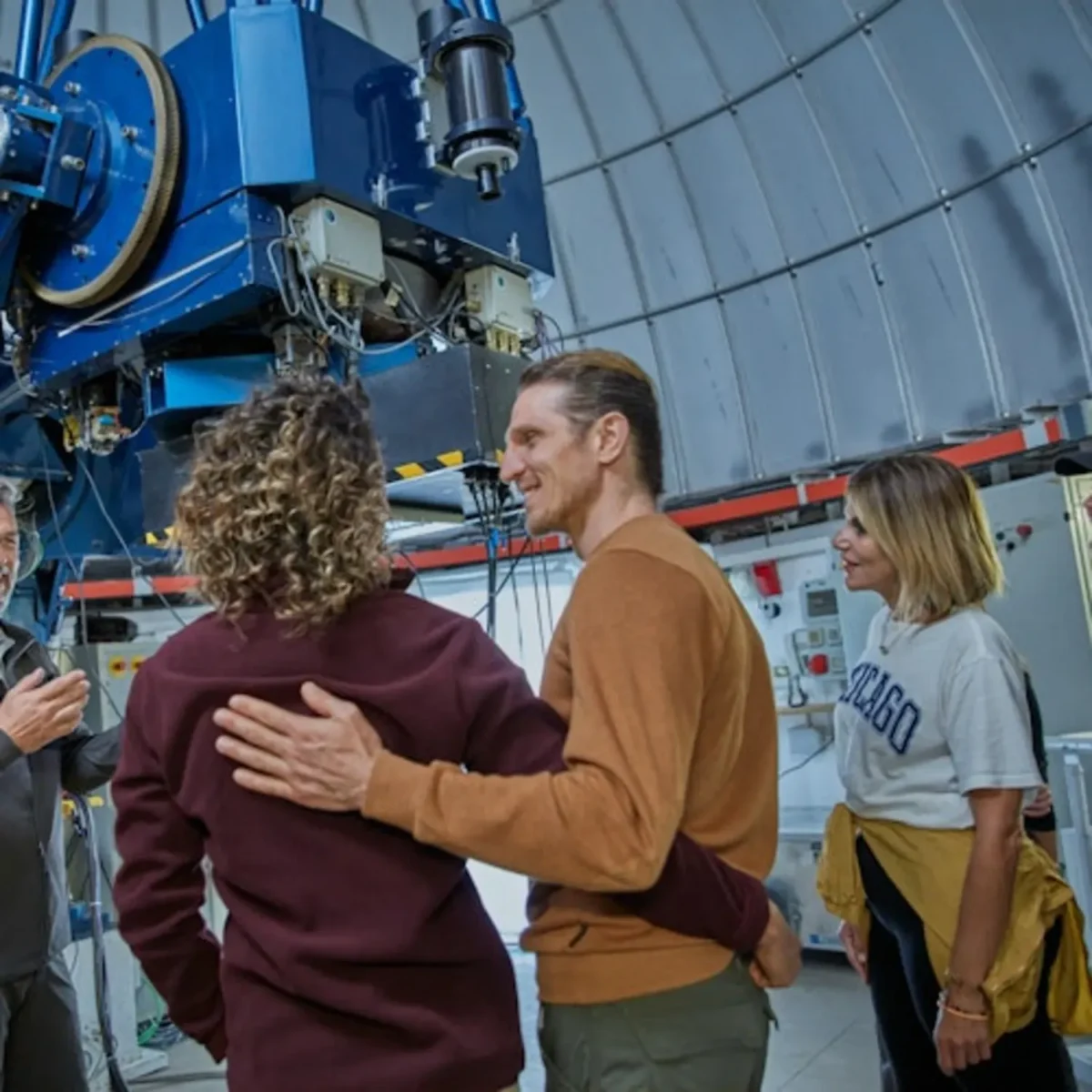
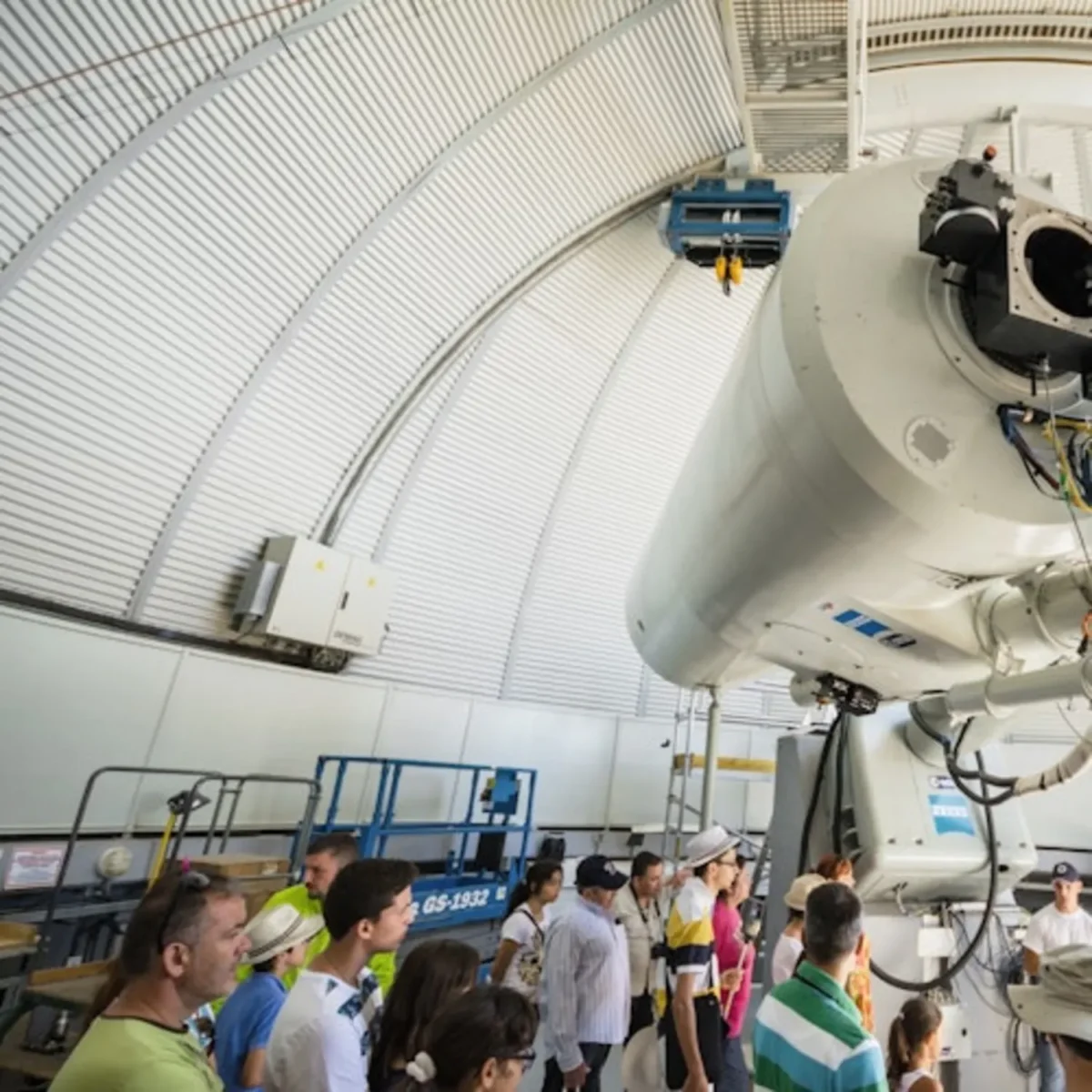
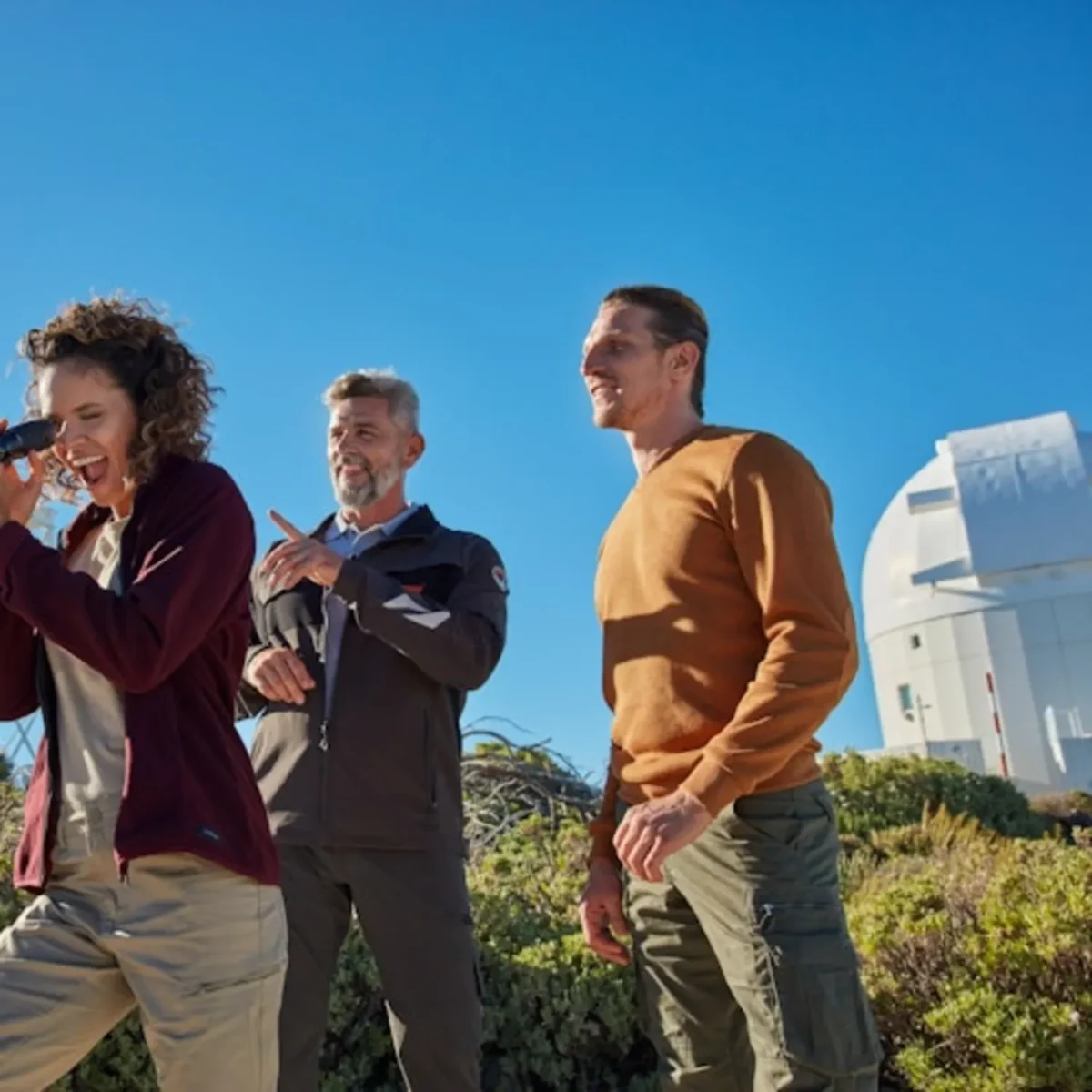
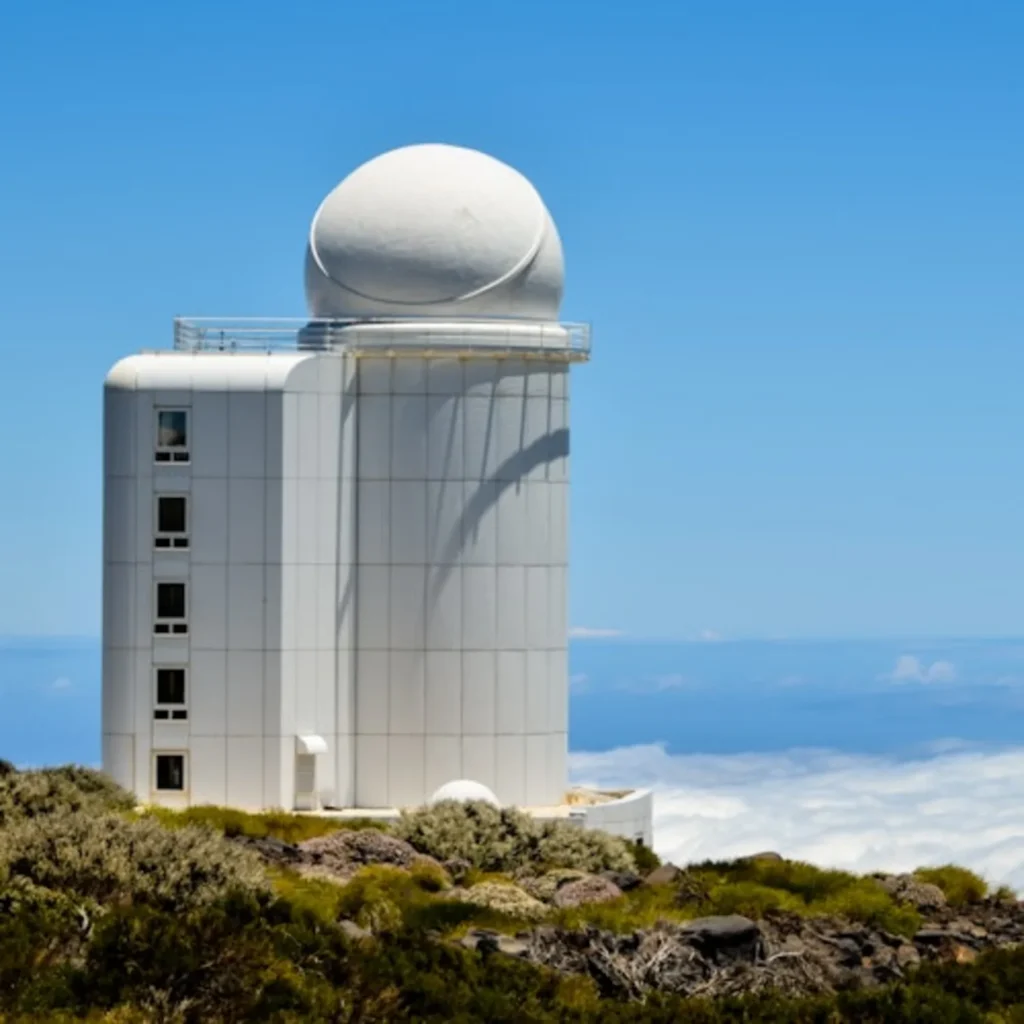
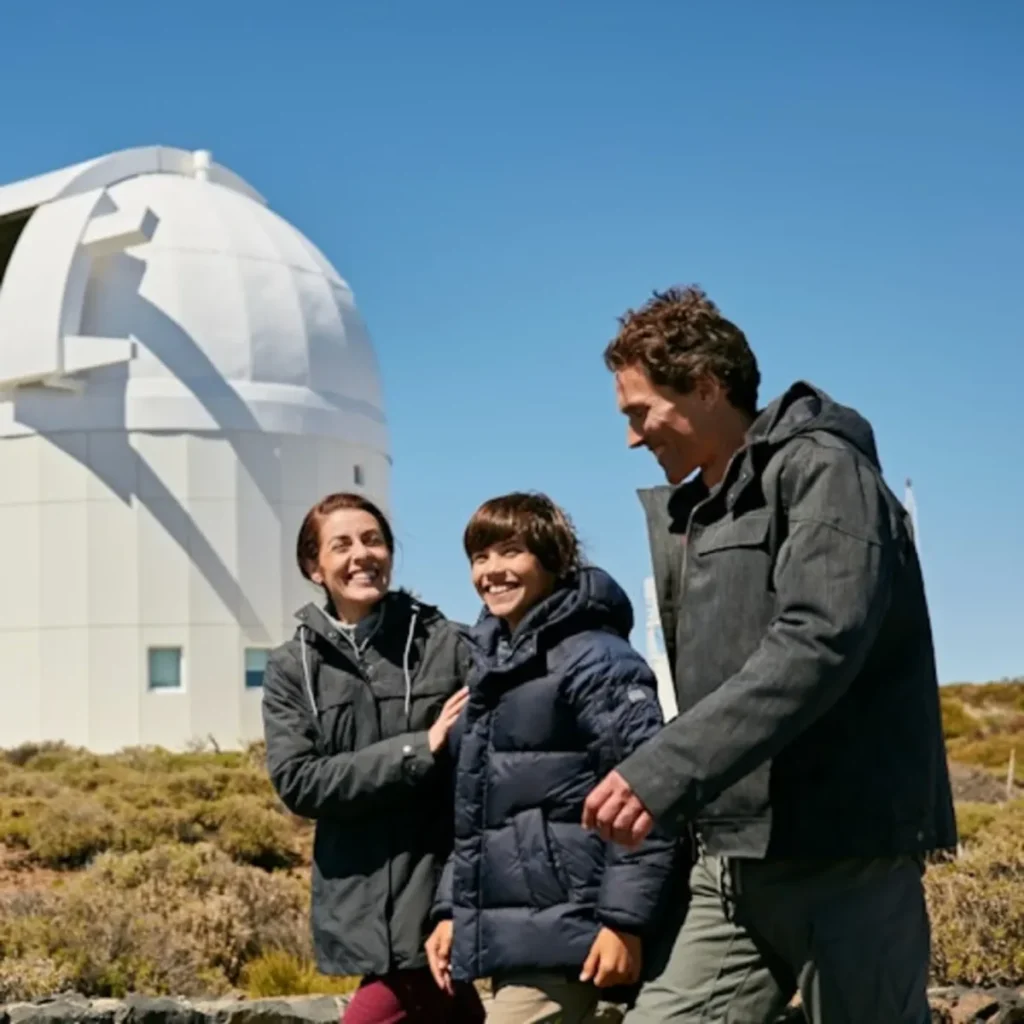
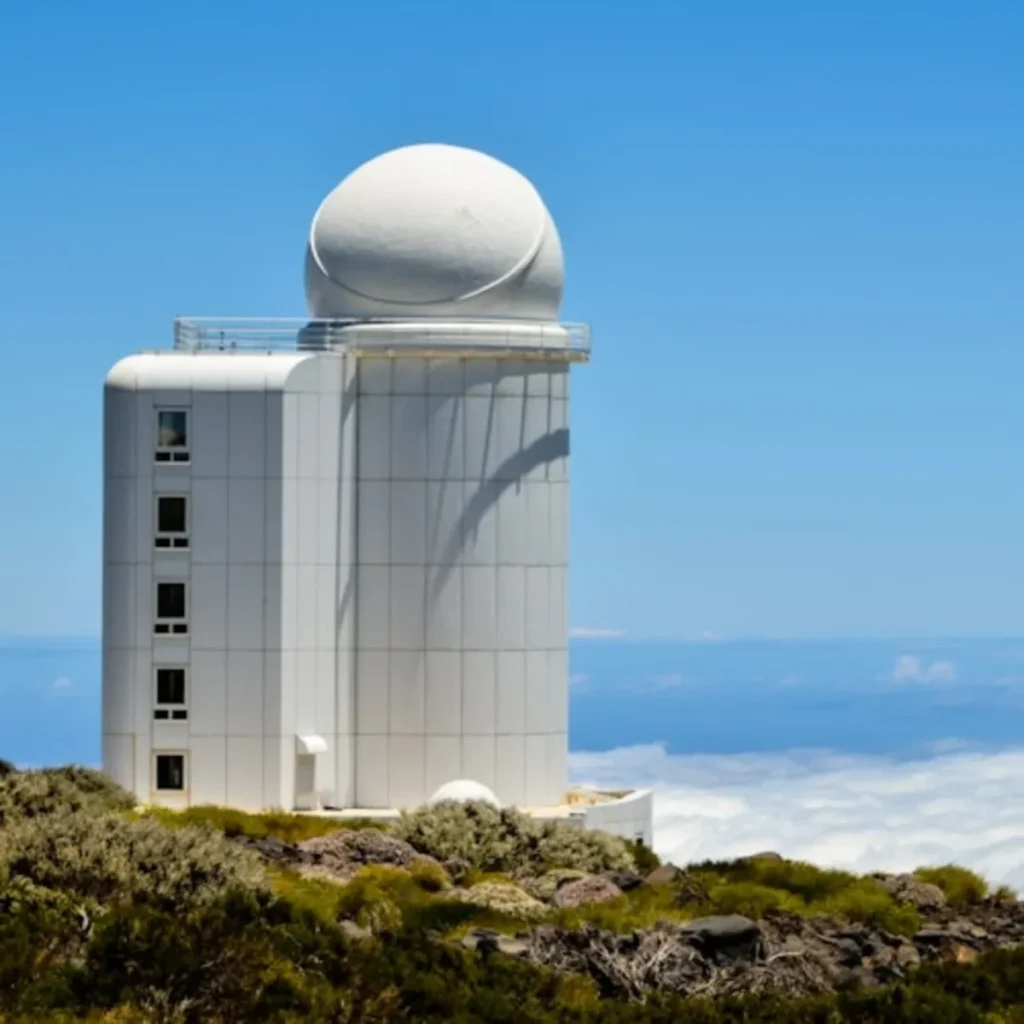
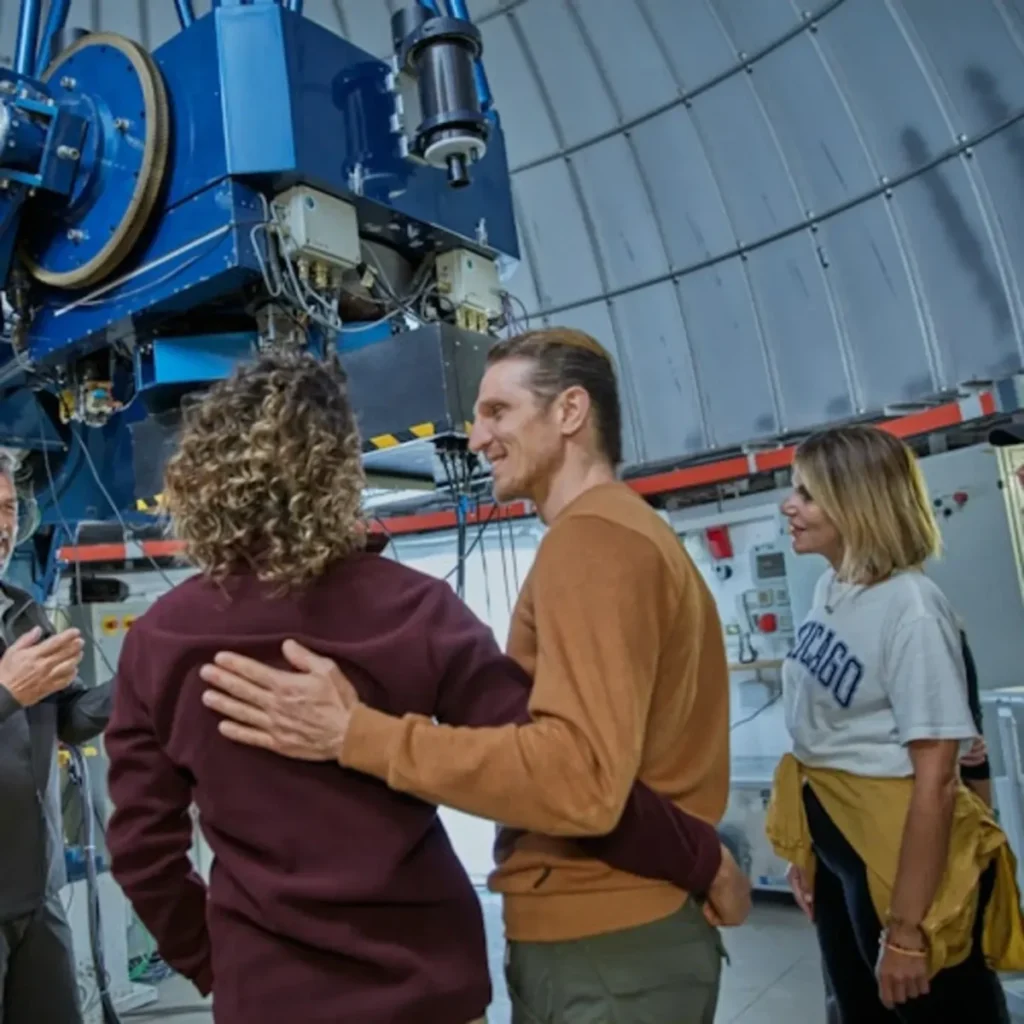
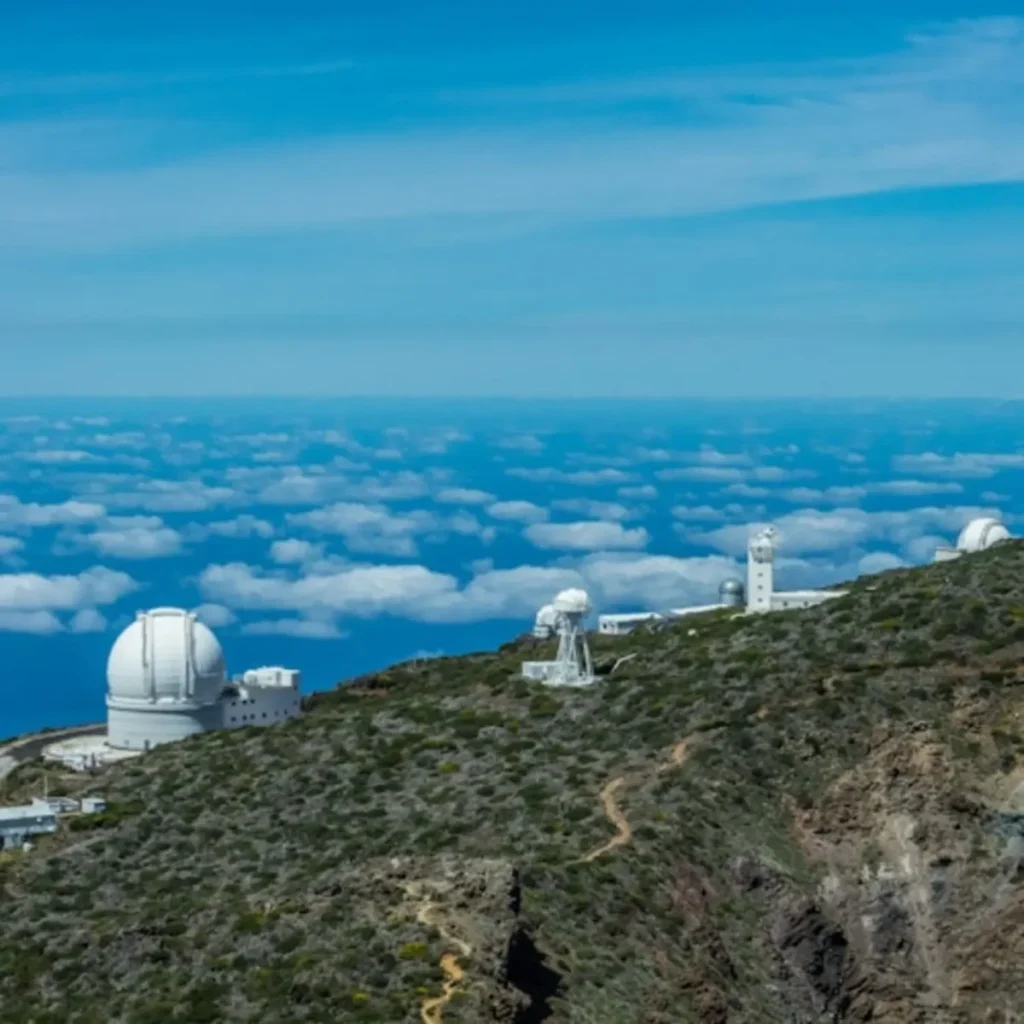
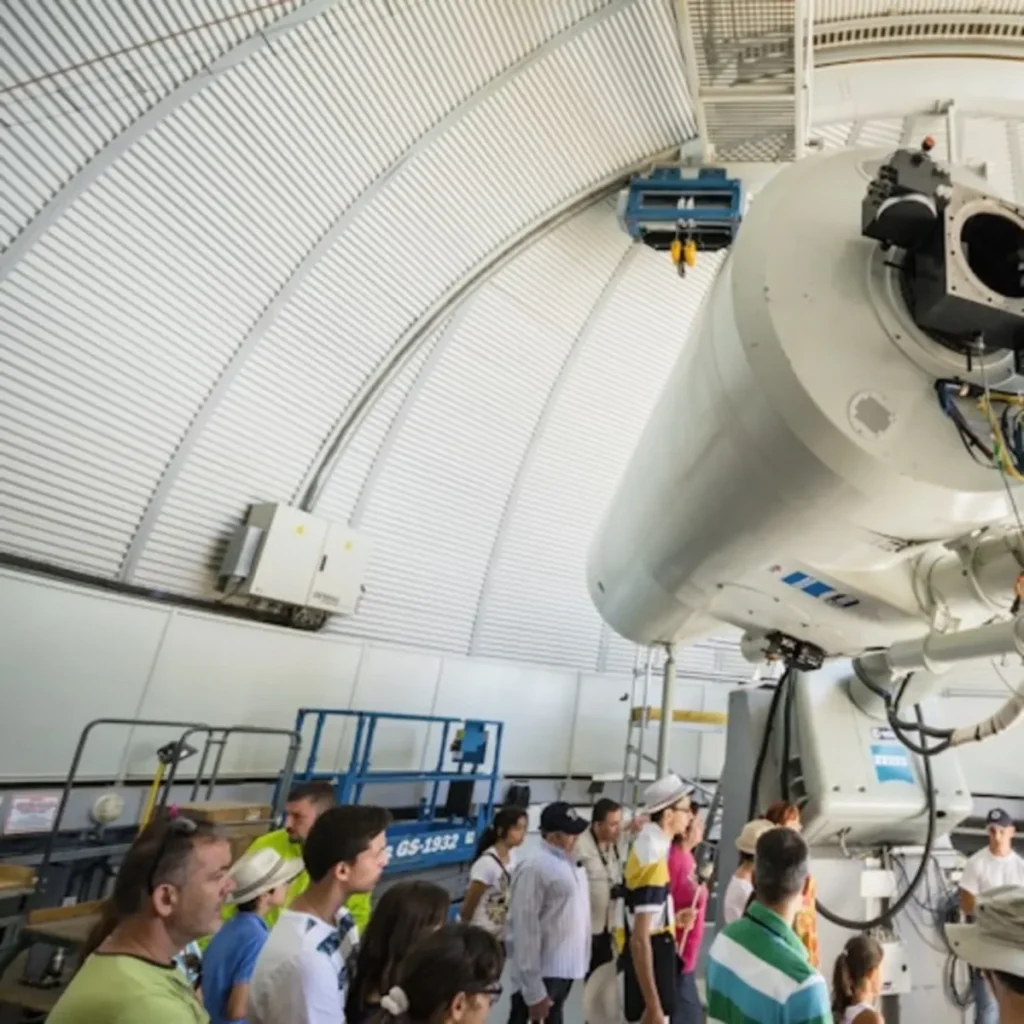
Teide-Observatorium: Führung
Highlights
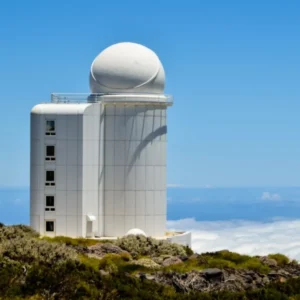
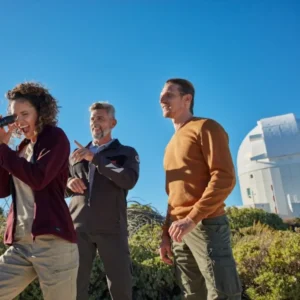
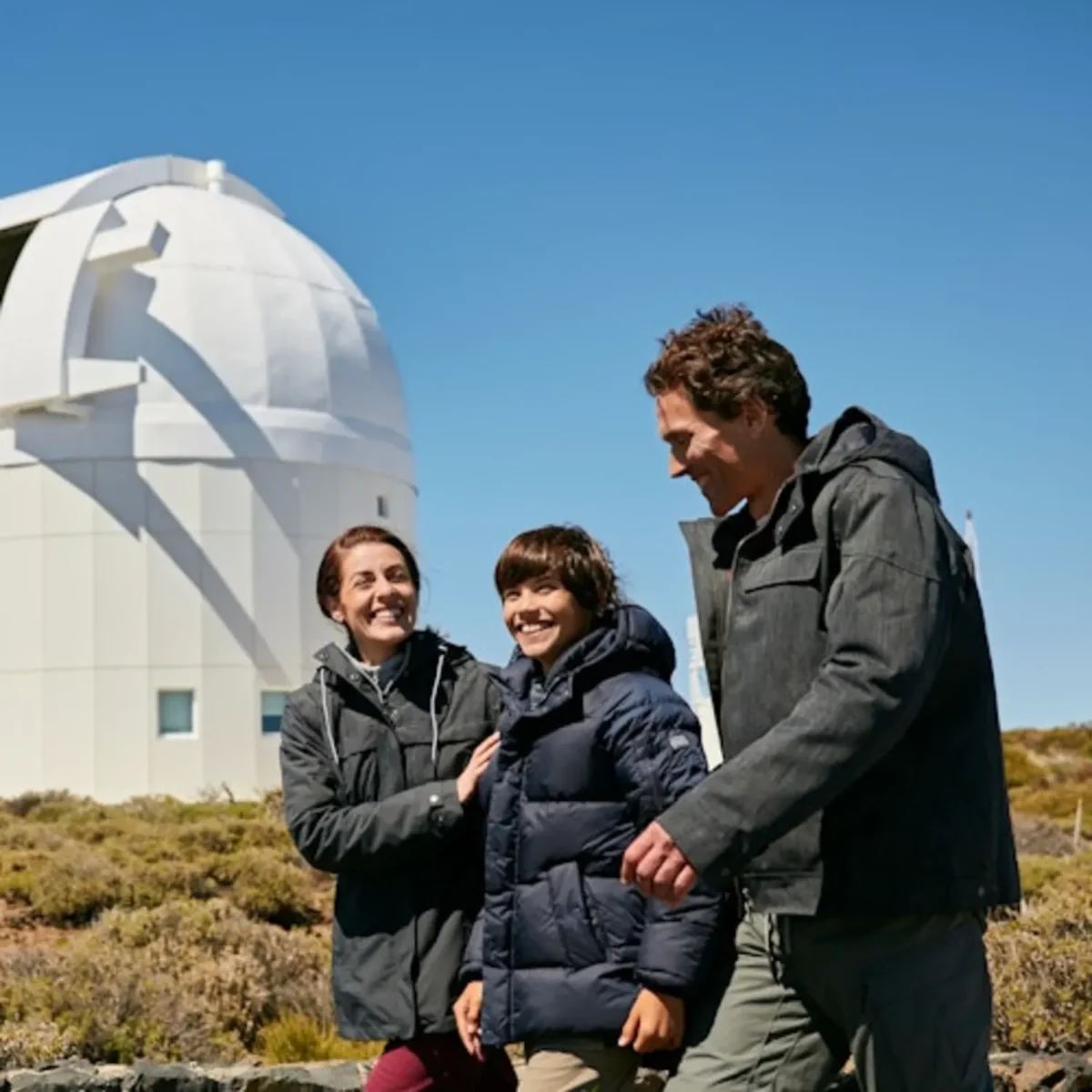
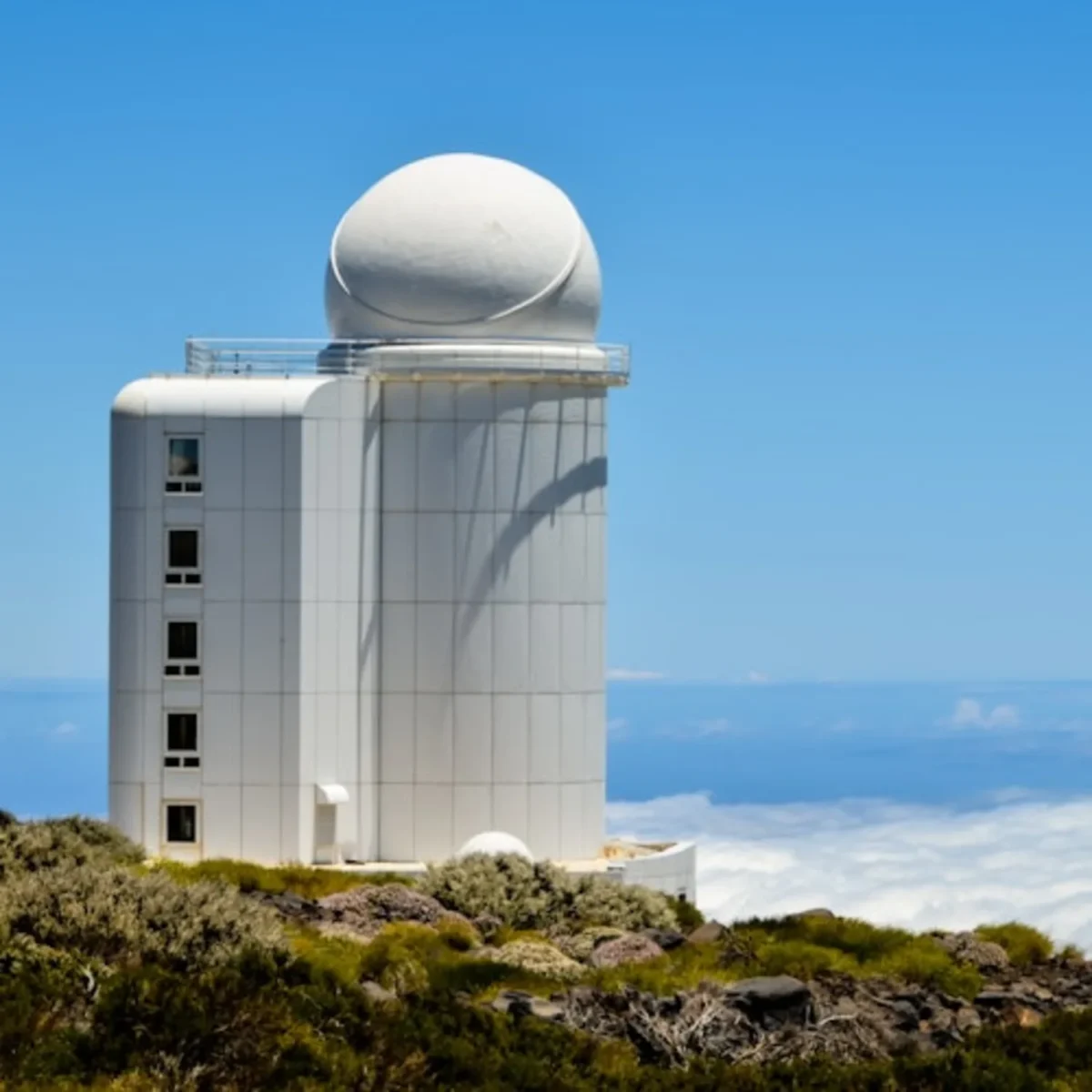
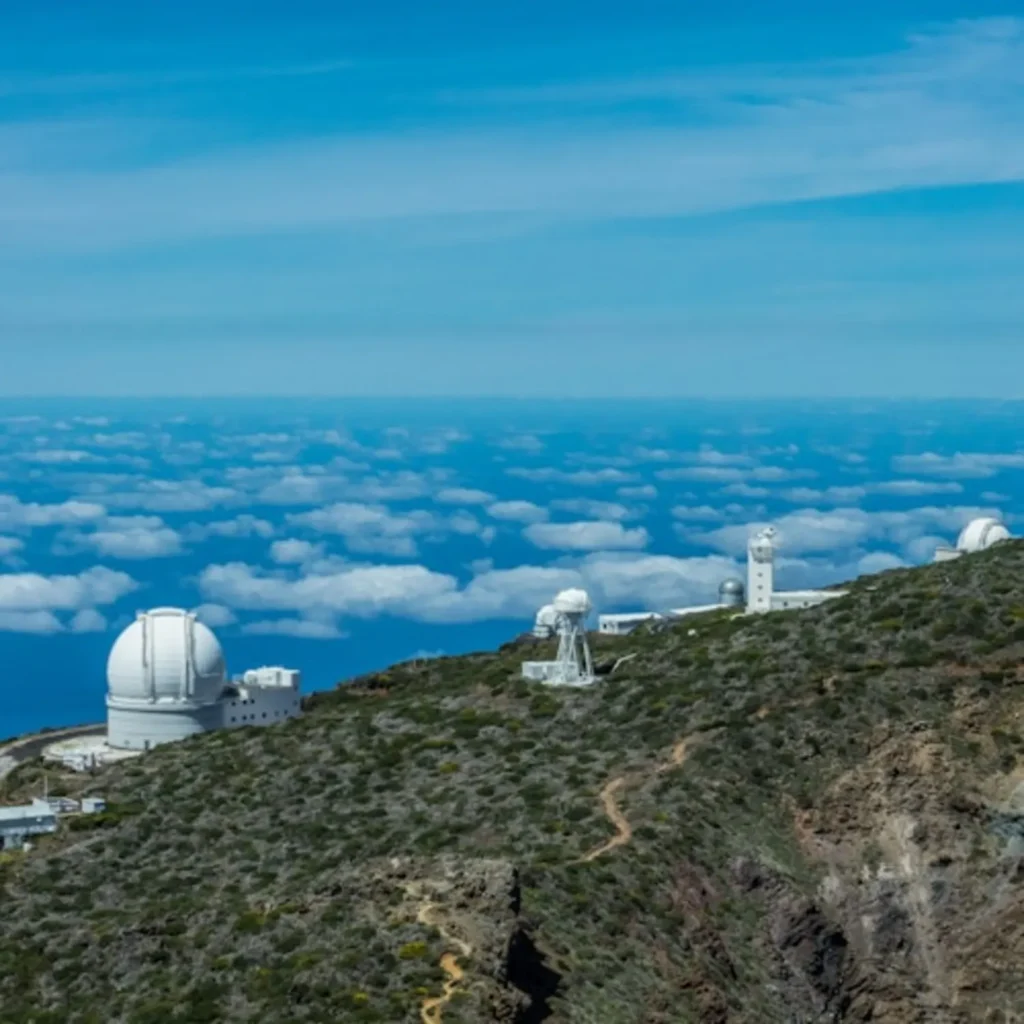
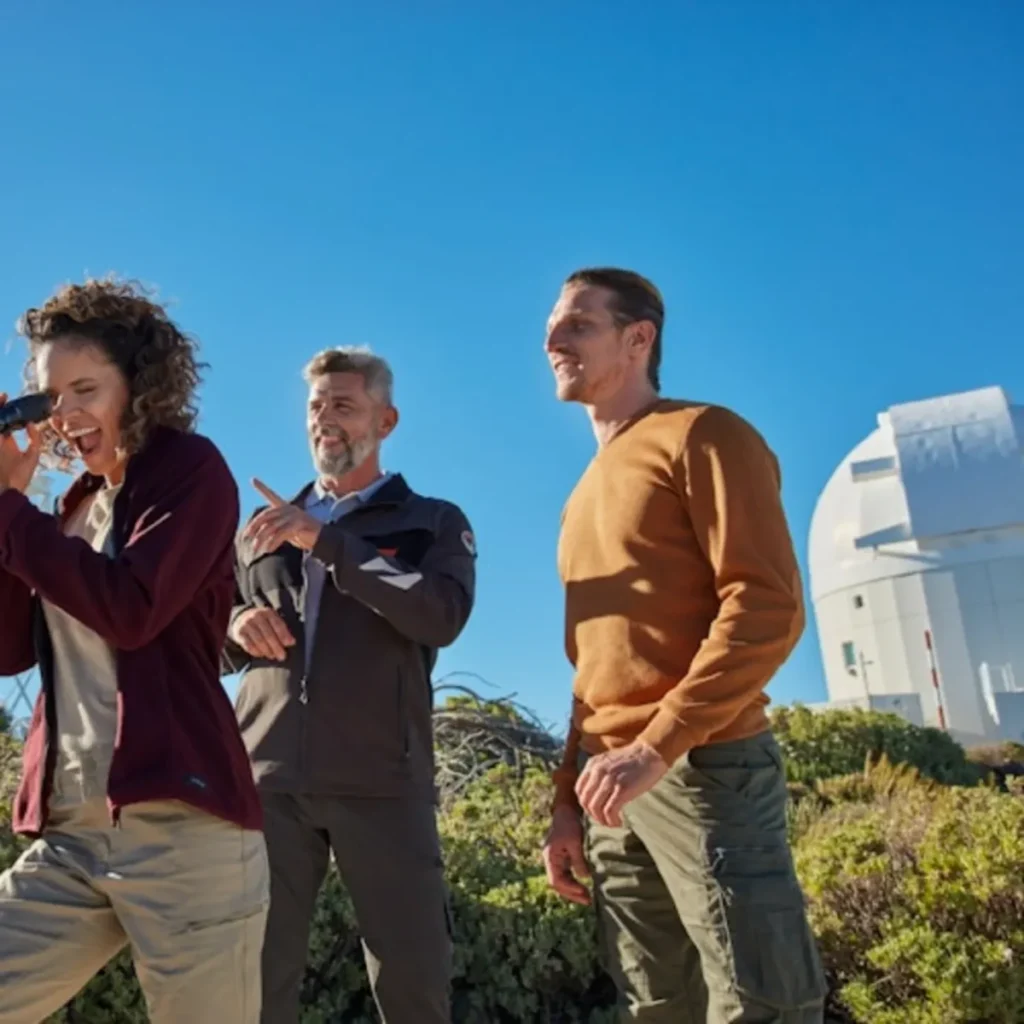
Entdecken Sie das größte Sonnenobservatorium der Welt.
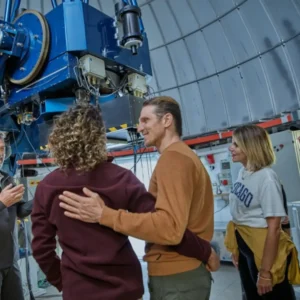
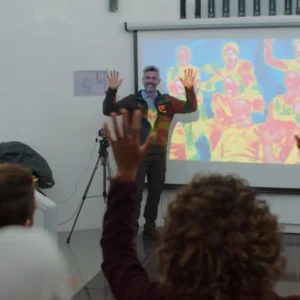
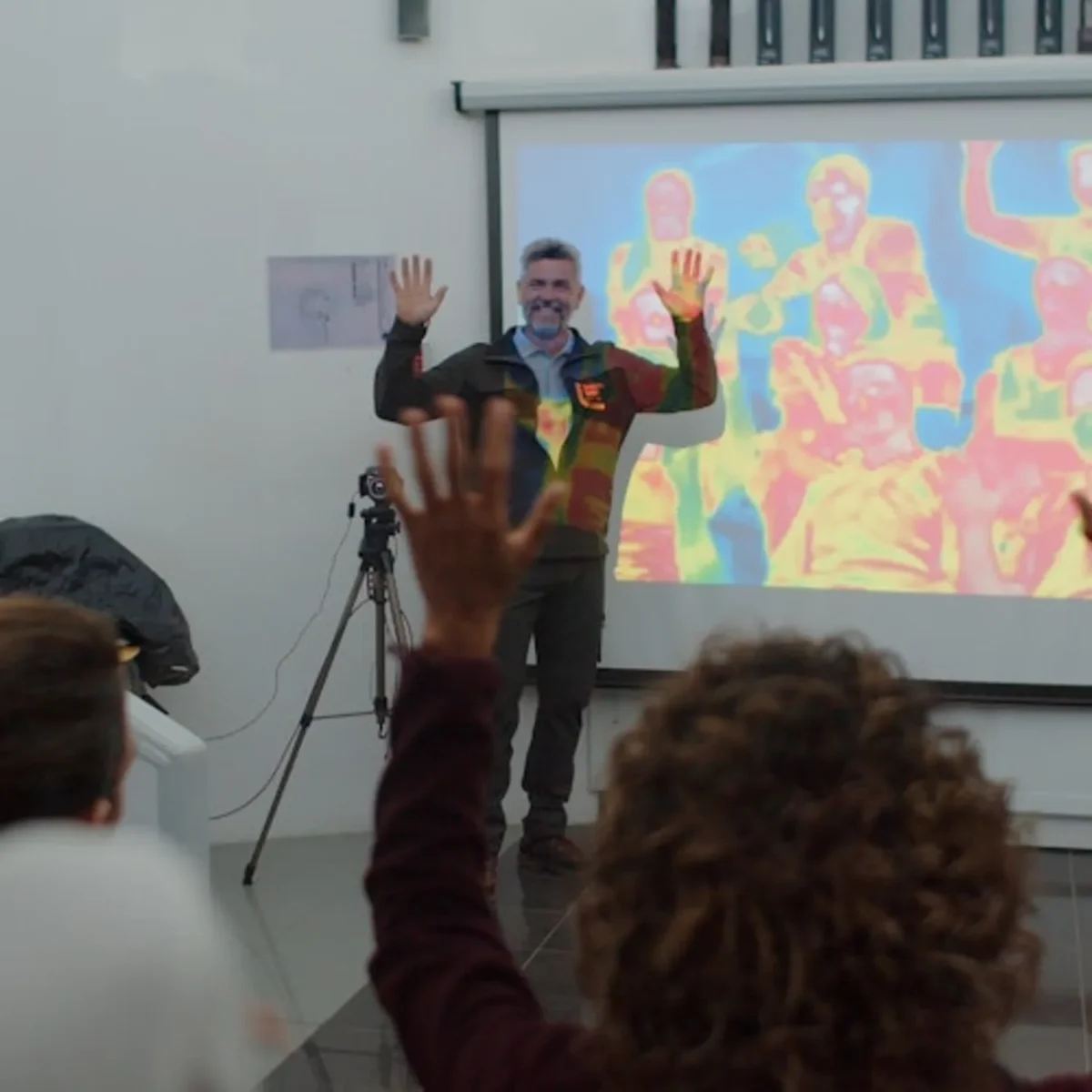
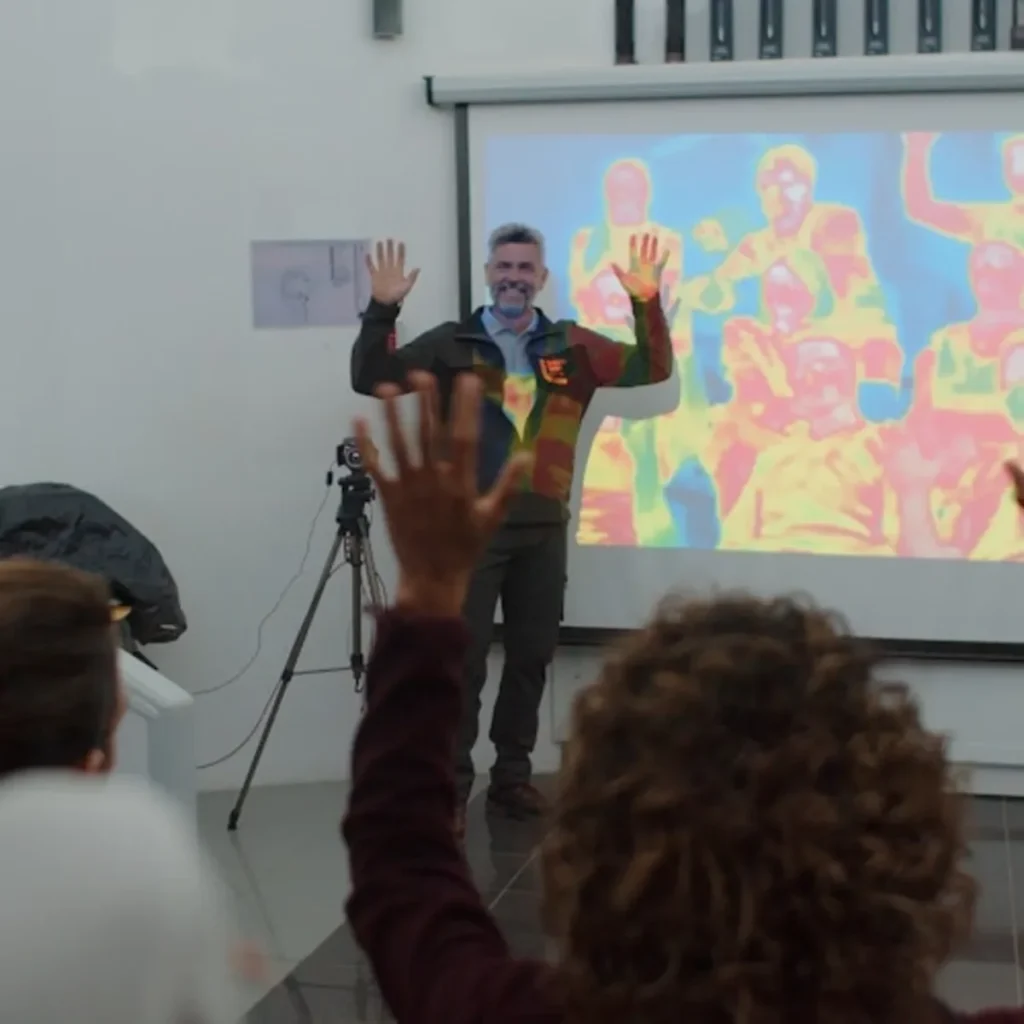
Nehmen Sie an einem Einführungsworkshop zur Astrophysik teil.
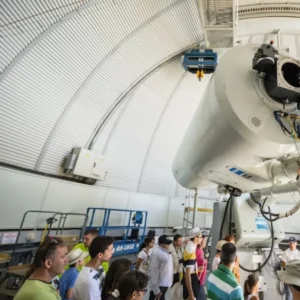
Beobachten Sie Sonnenflecken und Sonneneruptionen mit speziellen Sonnenteleskopen.
Profitieren Sie von der Begleitung eines erfahrenen Astrophysik-Führers.
Genießen Sie einen bevorzugten Einlass mit einem Fast-Track-Einlass.
Wählen Sie aus den Live-Führungen, die wir auf Englisch und in mehreren anderen Sprachen anbieten.

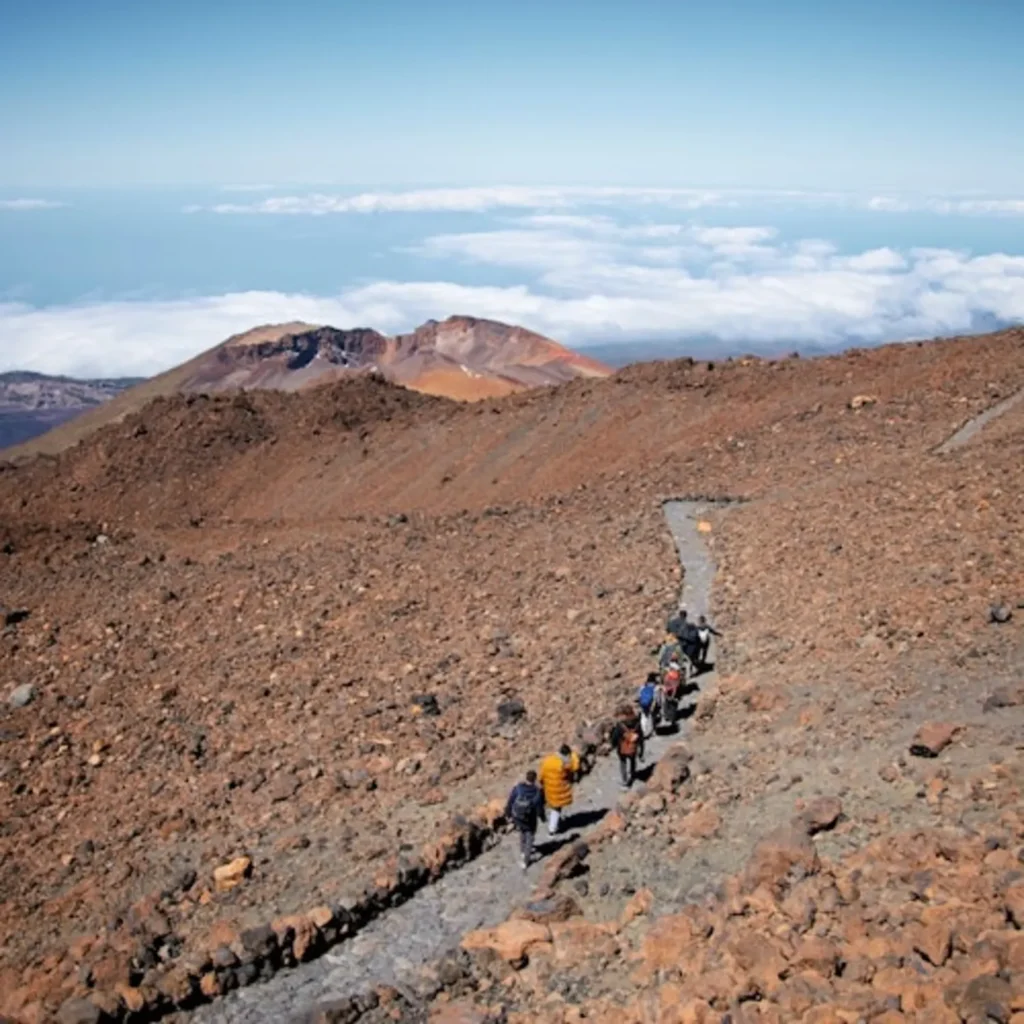
Teide: Geführte Tour, Gipfelwanderung + Seilbahnfahrt
Highlights
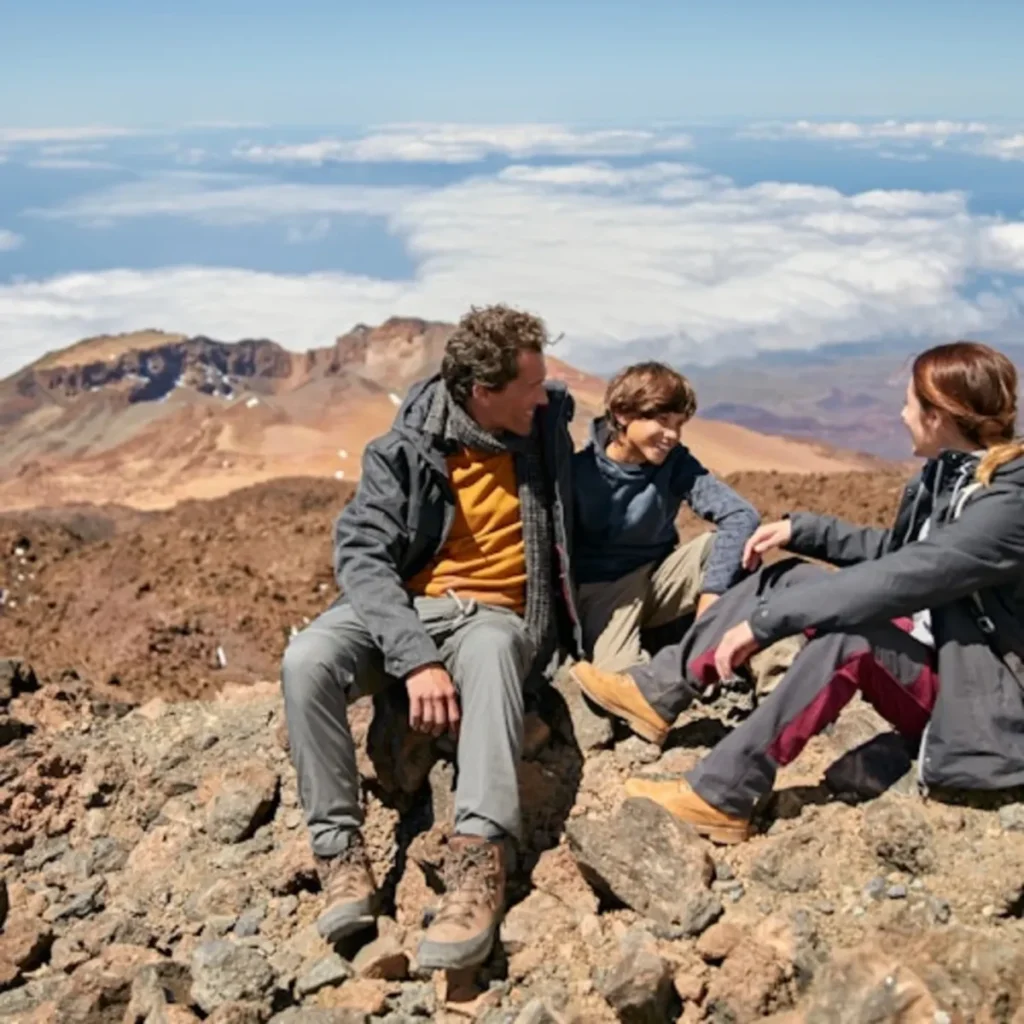
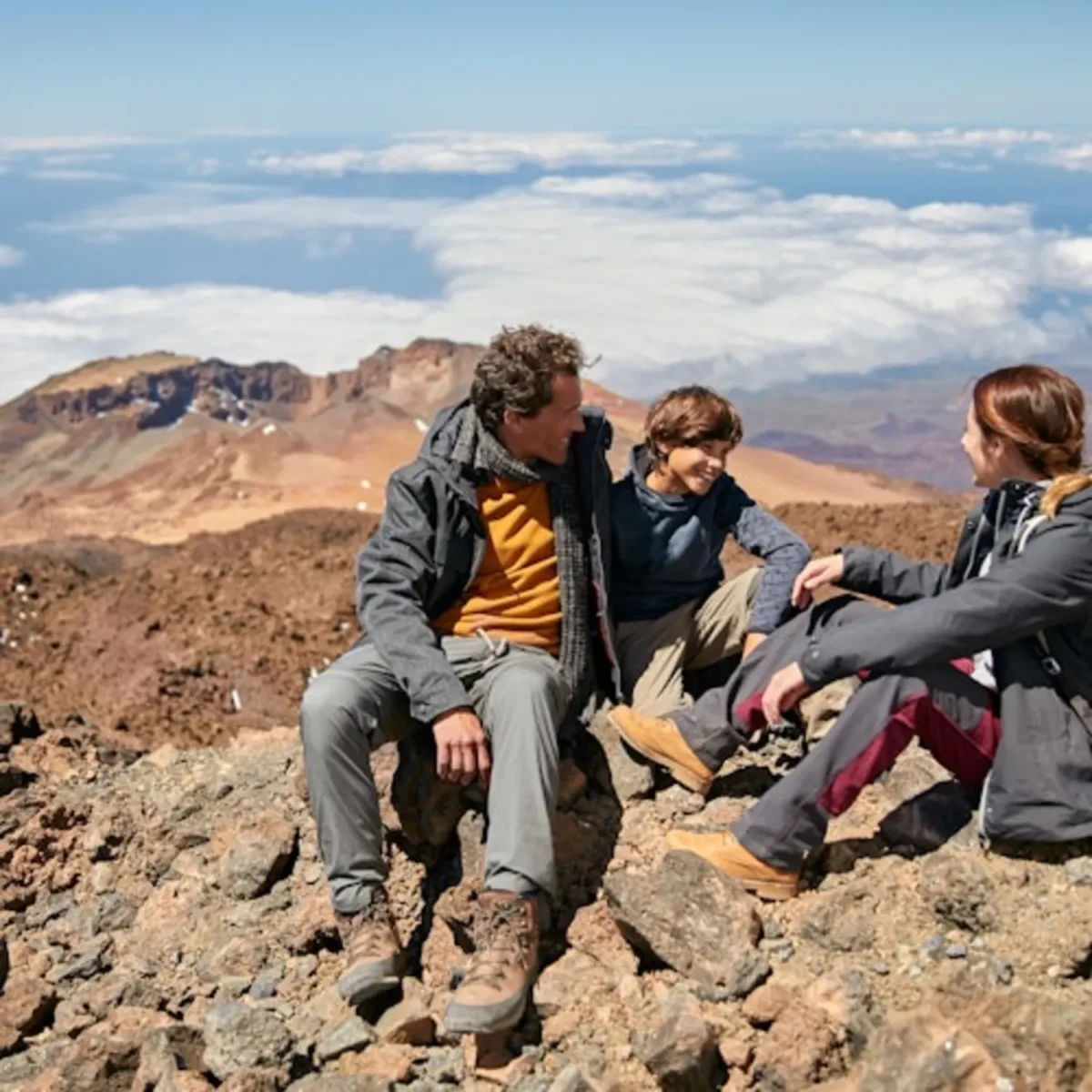
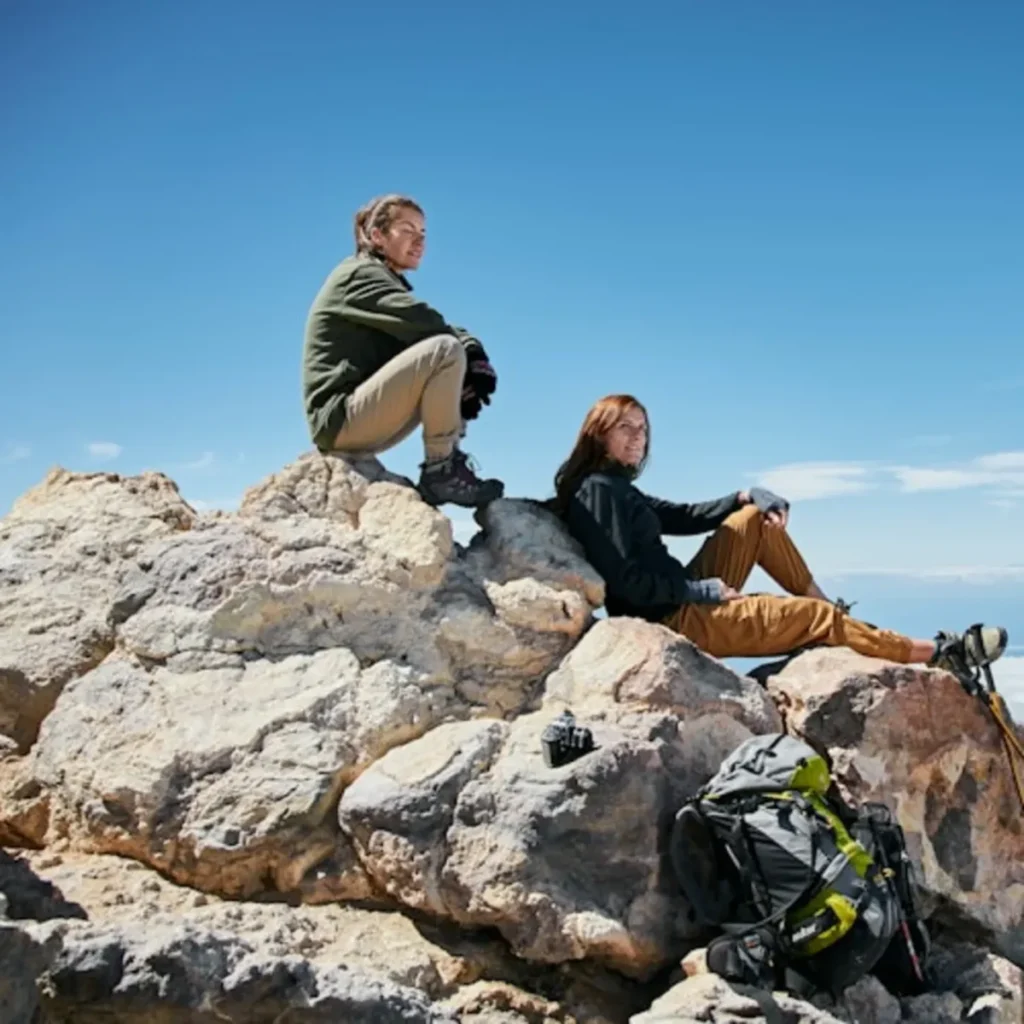
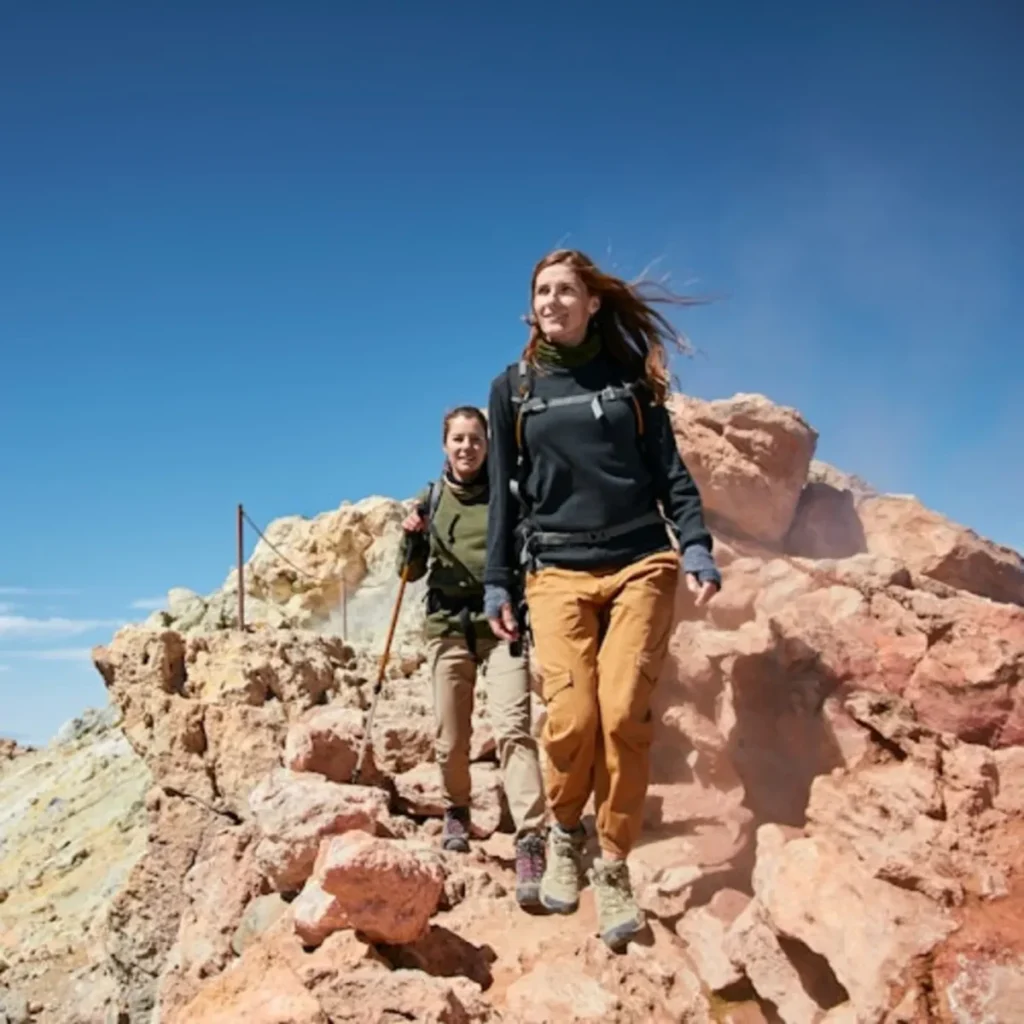
Entdecken Sie den majestätischen Teide-Krater auf 3.718 m über dem Meeresspiegel.
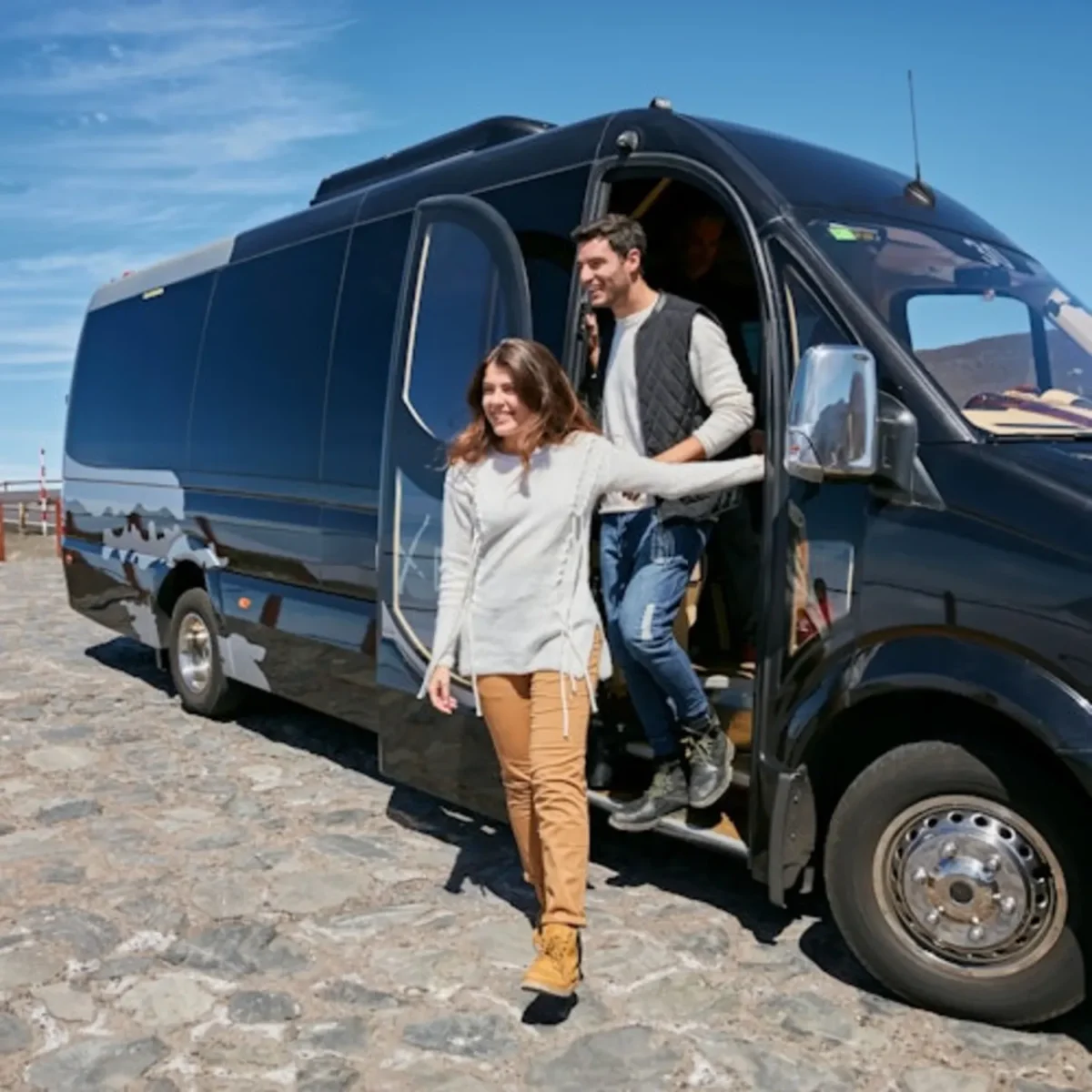
Genießen Sie den Komfort des Transports mit verschiedenen Abholmöglichkeiten.
Profitieren Sie vom Fachwissen eines mehrsprachigen Reiseleiters, der Englisch, Spanisch und Deutsch spricht.
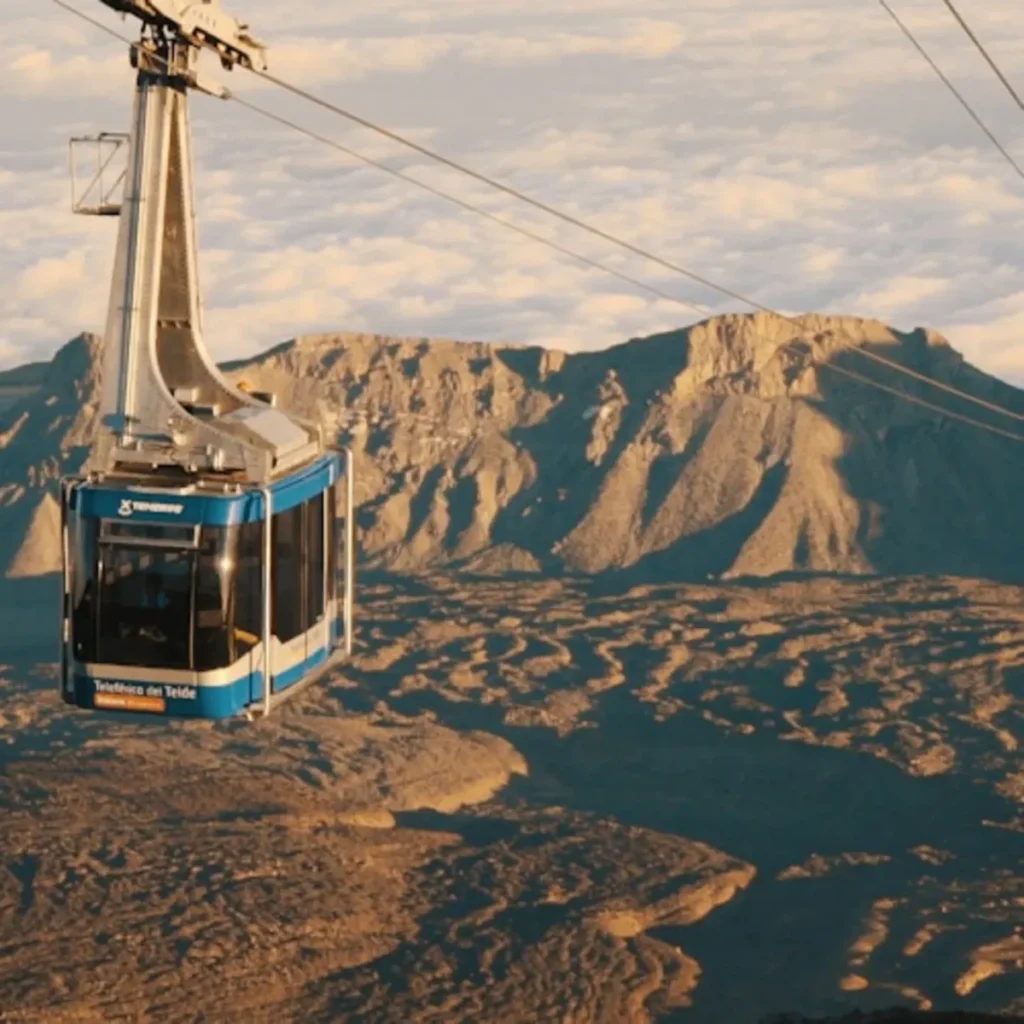
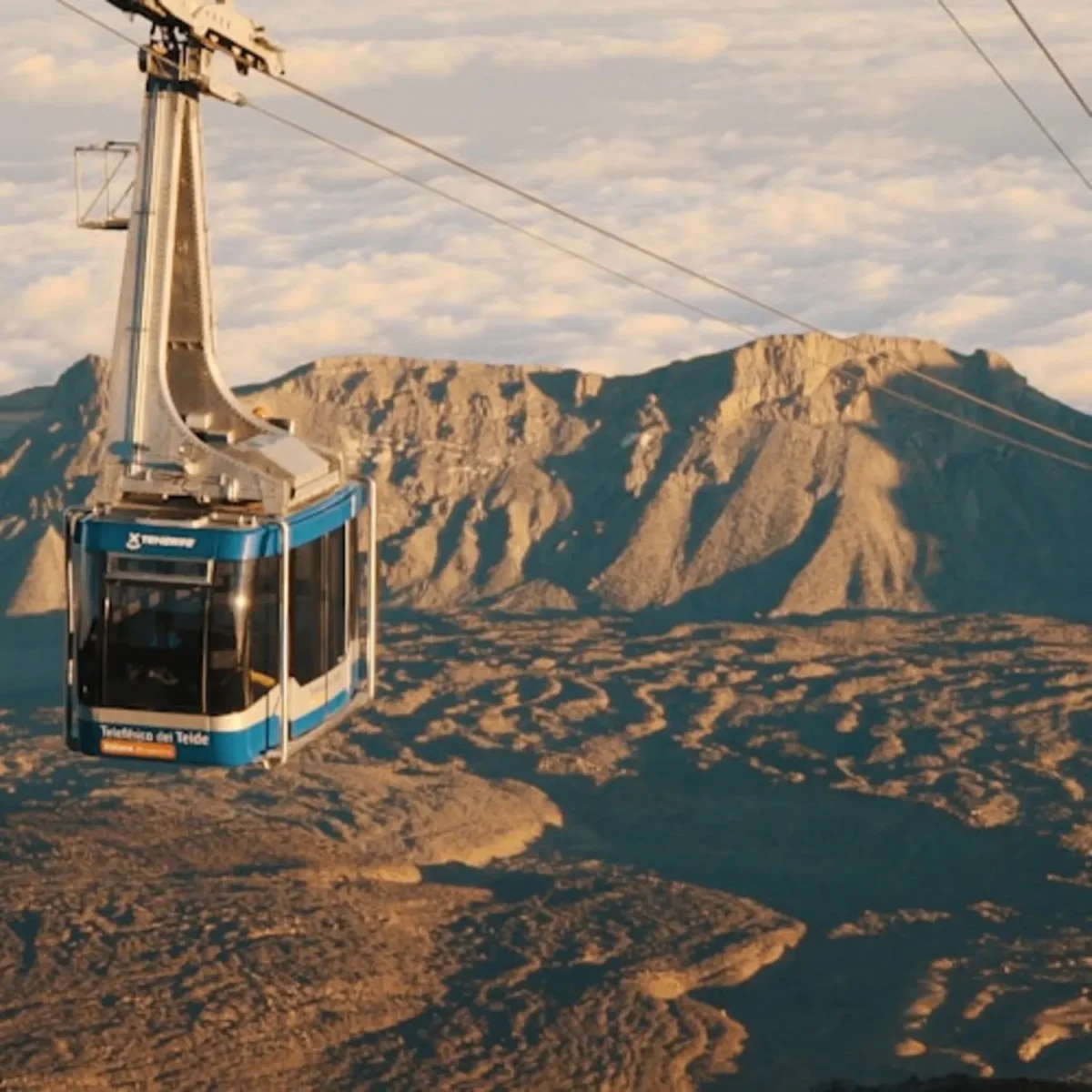
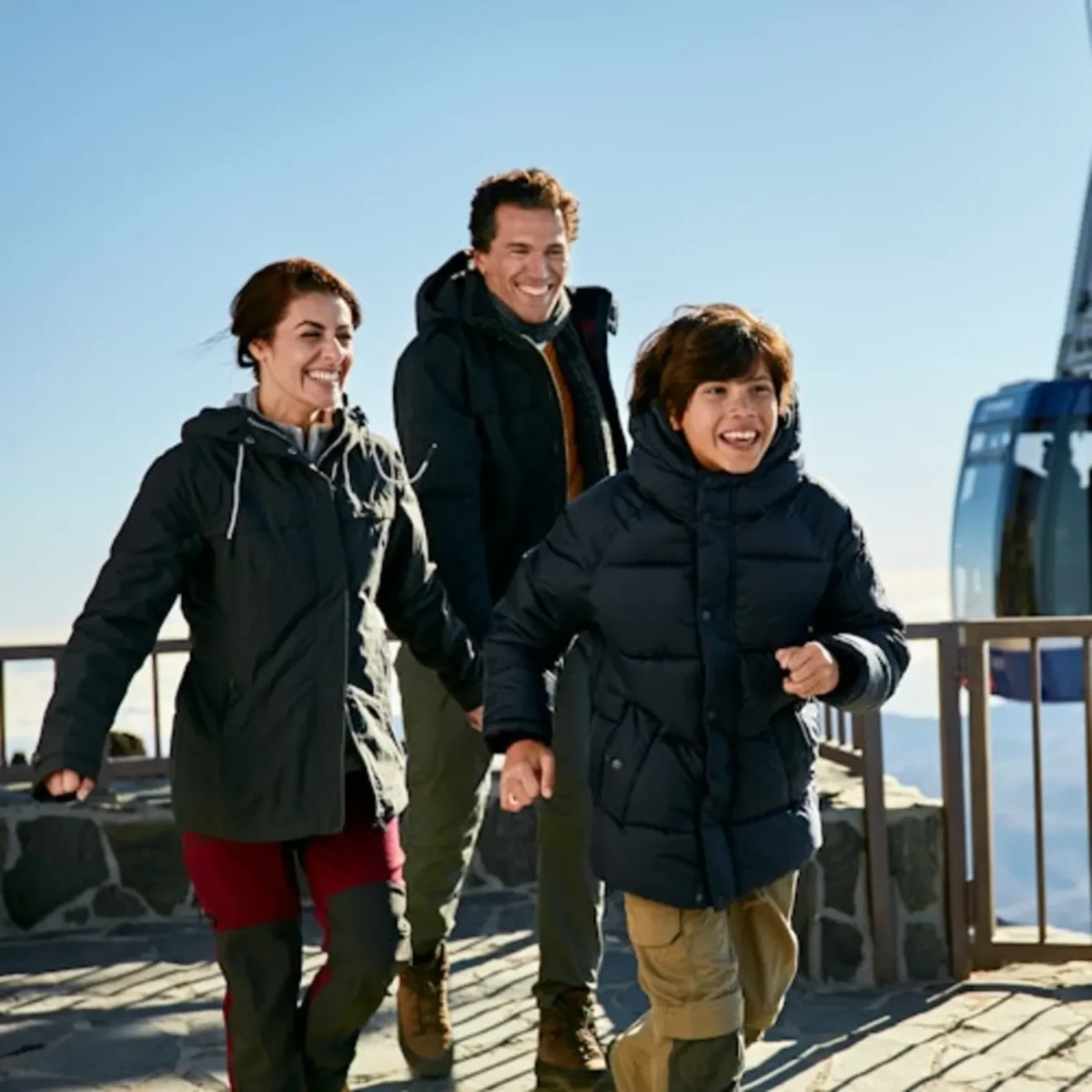
Erleben Sie die malerische Seilbahnfahrt mit atemberaubenden Ausblicken.
In Ihrer Buchung sind alle erforderlichen Genehmigungen für den Zutritt zum Nationalpark enthalten.
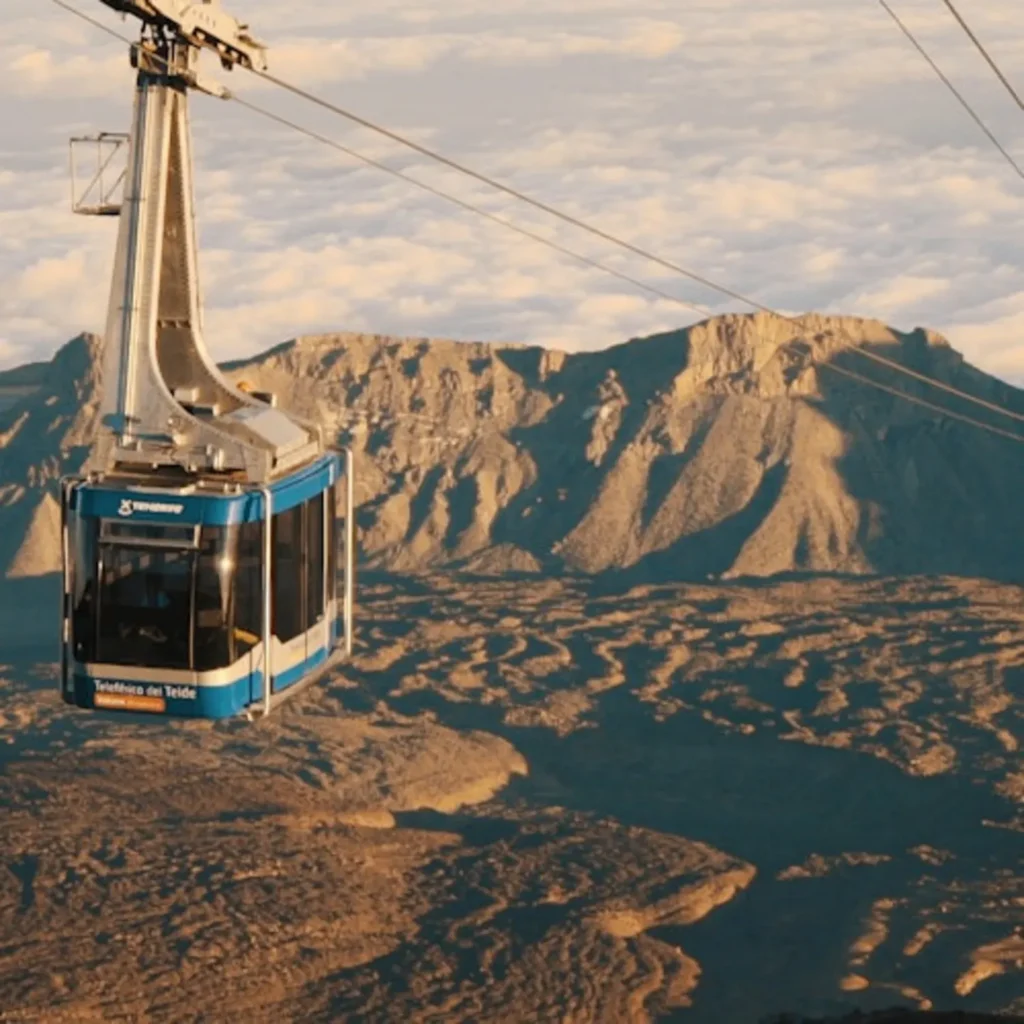
Teide: Seilbahnausflug
Highlights
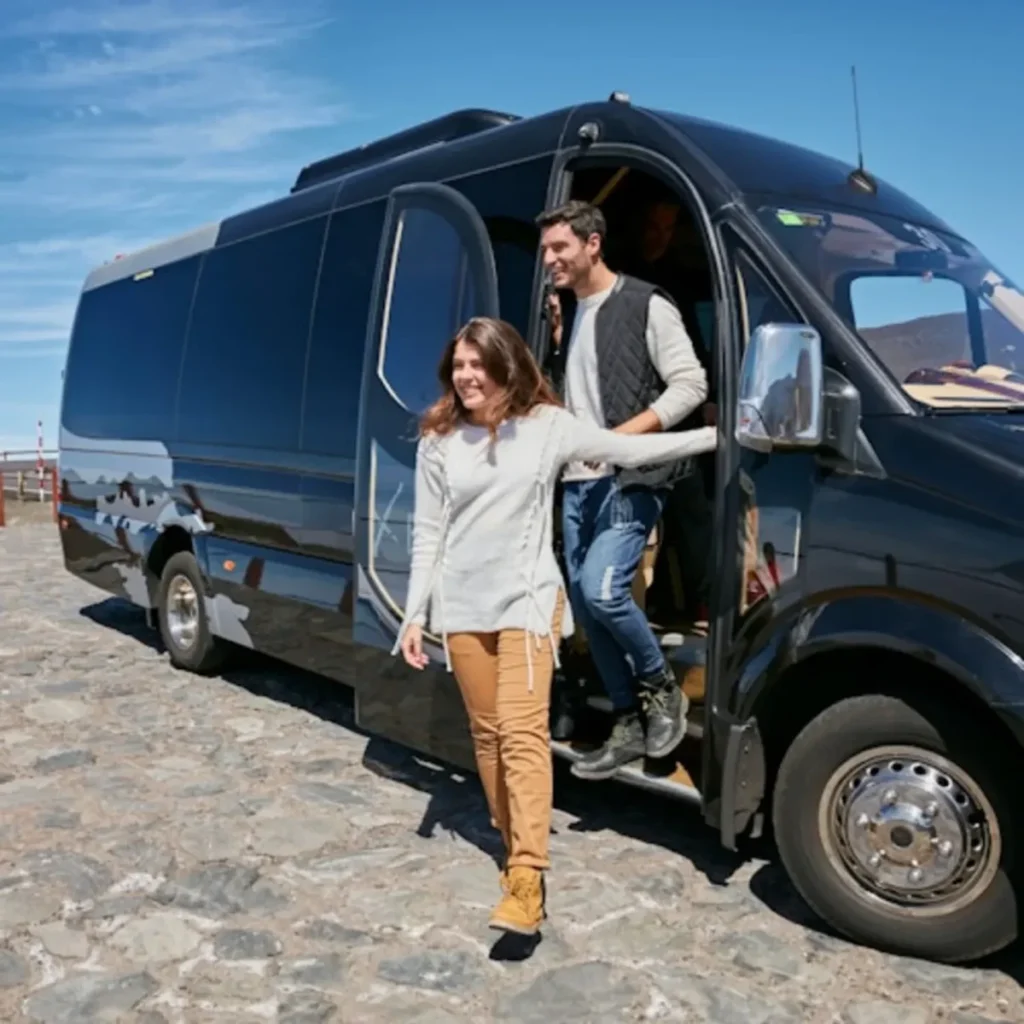
Fahren Sie mit dem Reisebus durch die üppigen kanarischen Kiefernwälder.
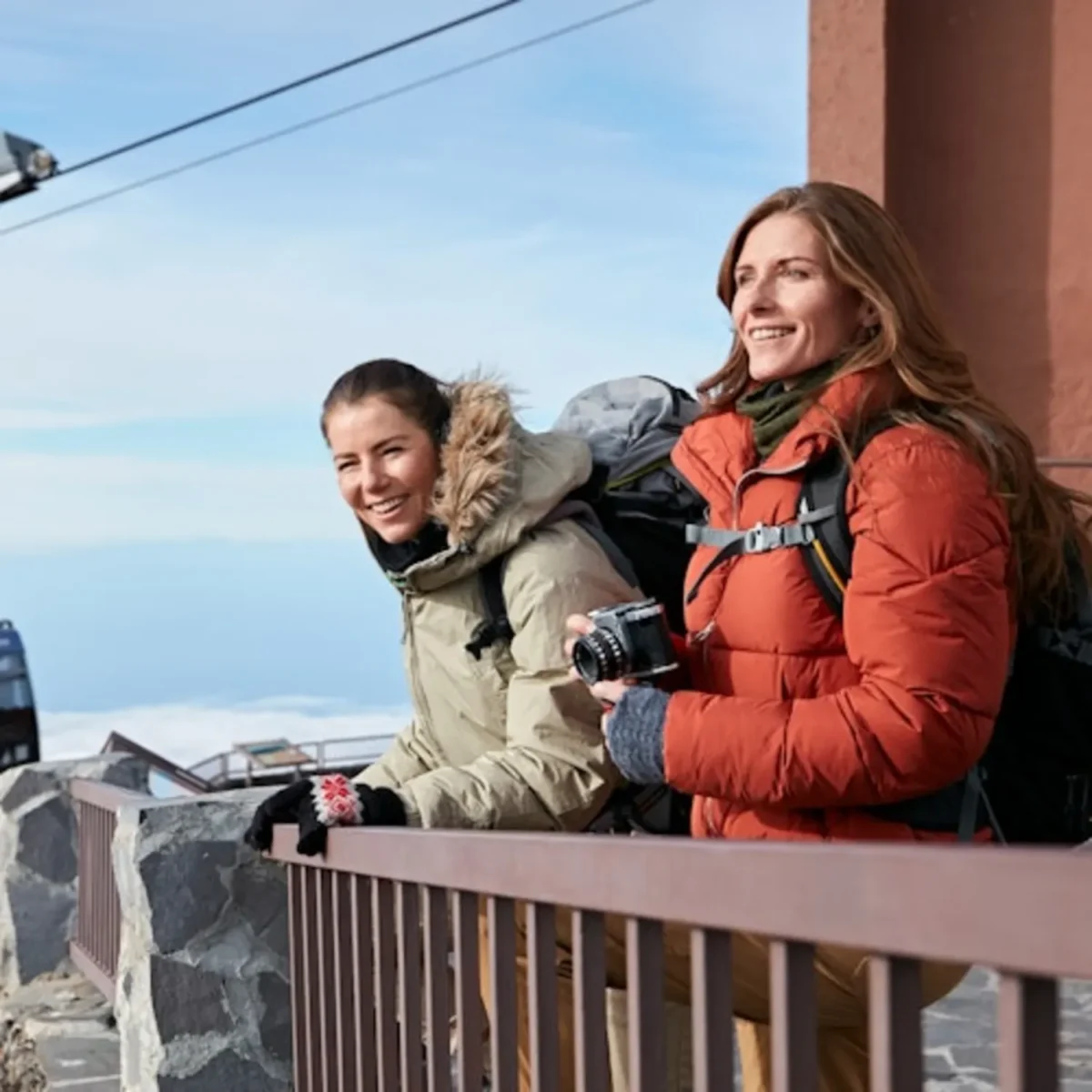
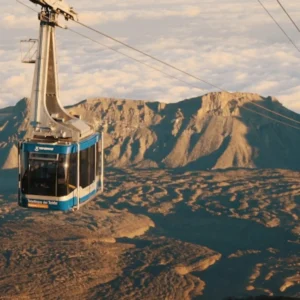
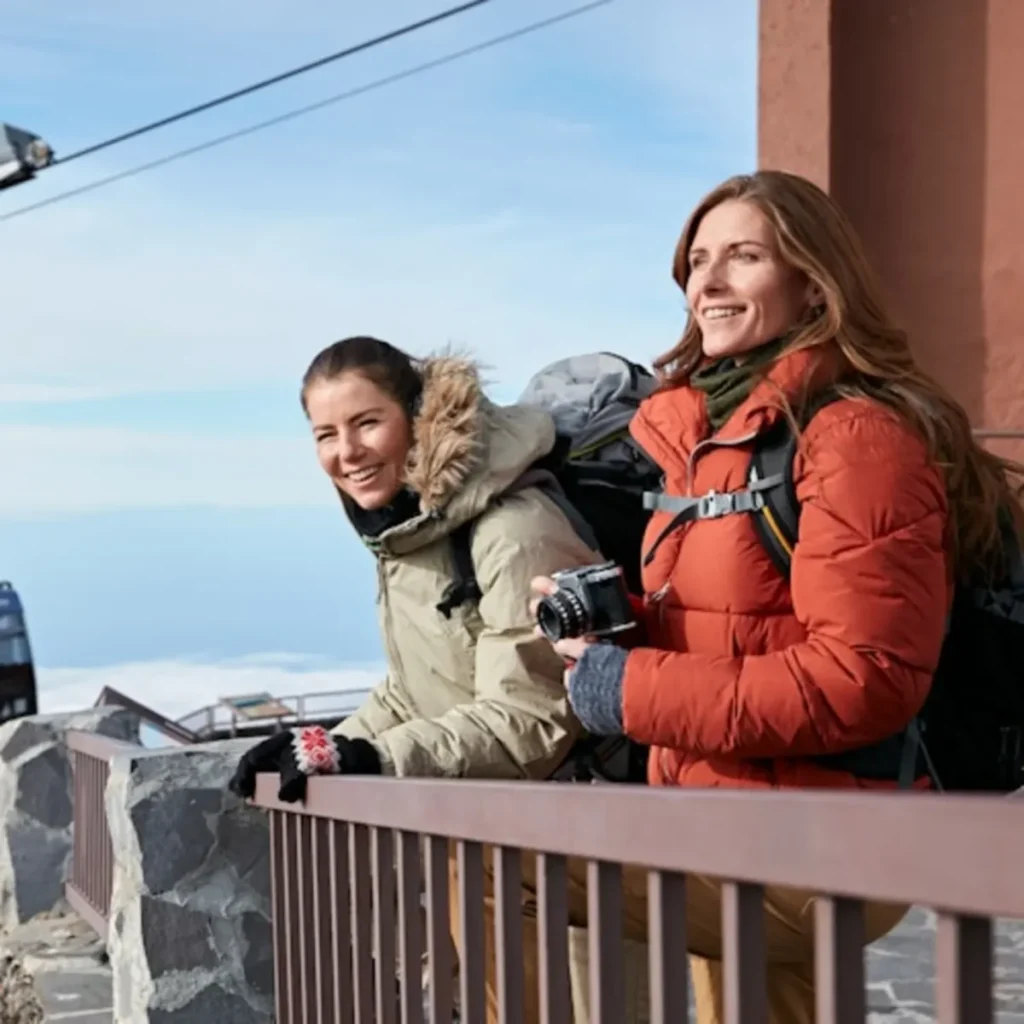
Begeben Sie sich bequem mit der Seilbahn auf den Teide.
Erfahren Sie mehr über Wanderwege und regionale Besonderheiten mit einem Live-Reiseführer.
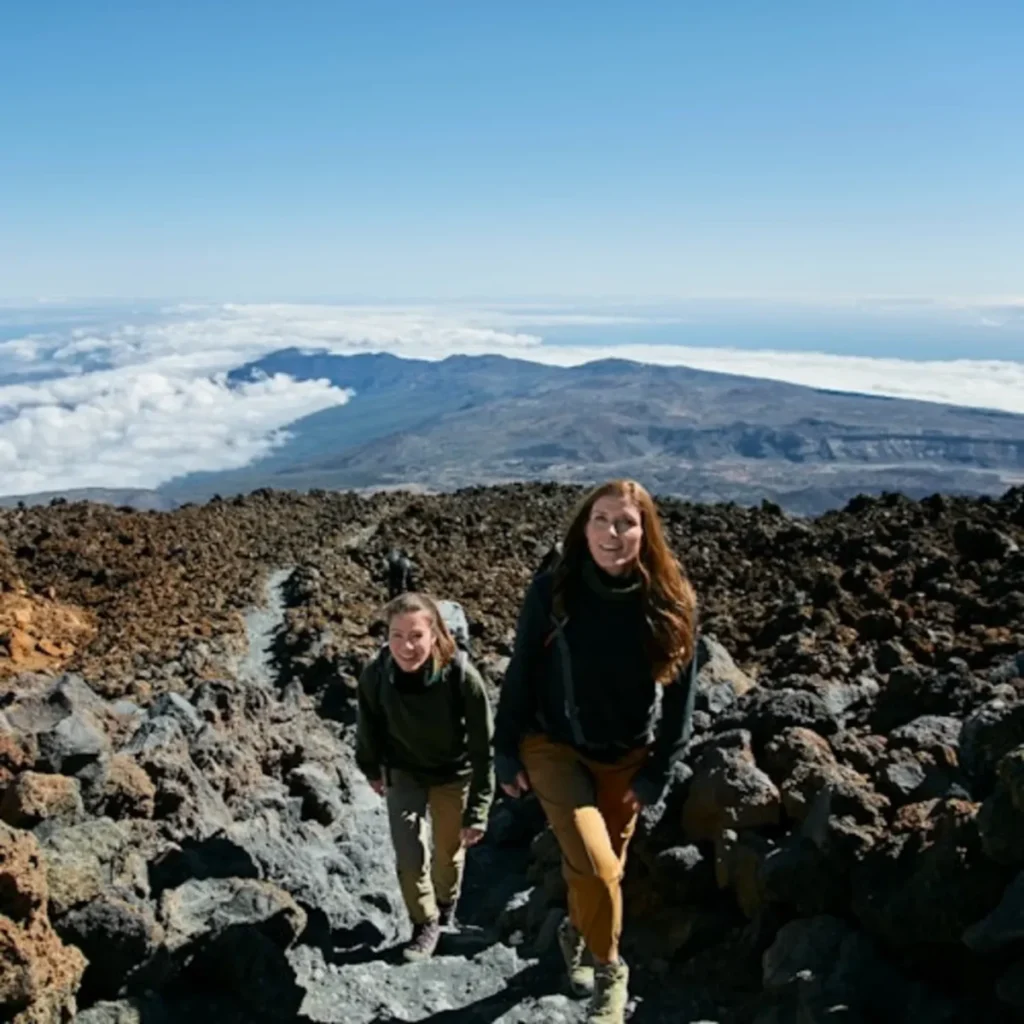
Bewundern Sie vom Gipfel aus spektakuläre Panoramablicke, darunter auf die Nordküste, die sonnenbeschienenen Inseln im Süden und das beeindruckende Ucanca-Tal.
Mehrsprachiger Reiseführer, erhältlich in Englisch, Deutsch, Französisch, Italienisch und Spanisch.
Good to Know Before Visiting Teide National Park
A free permit from the National Park's official website is mandatory if you intend to hike the final stretch to the peak of Mount Teide.
Due to the extreme altitude and thin air, the cable car is strictly prohibited for pregnant women, children under three years of age, and individuals with heart or respiratory conditions.
Temperatures at the summit can be 10°C to 15°C lower than at the coast, making warm clothing and windbreakers essential even in the summer months.
The Teide Cable Car may close without prior notice due to high winds or adverse weather conditions, so you should check the operational status online before departing.
Parking at the base station is very limited and often fills up completely by 10 AM, so arriving early or using public transport is highly recommended.
There are no ATM facilities or pharmacies within the National Park boundaries, so ensure you have necessary supplies and funds before ascending.
High-factor sunscreen and UV-protection sunglasses are vital because solar radiation is significantly more intense at 3,000 meters than at sea level.
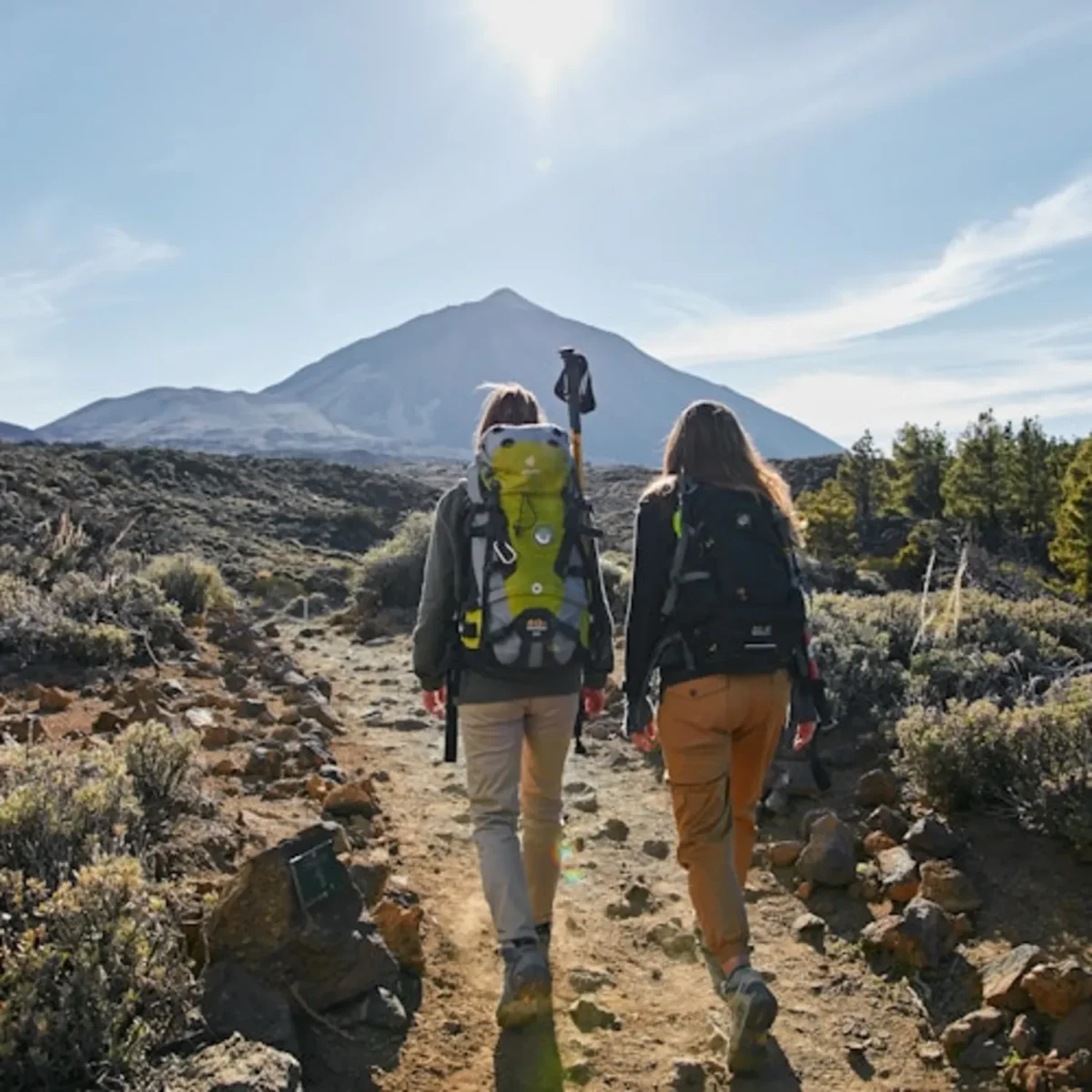
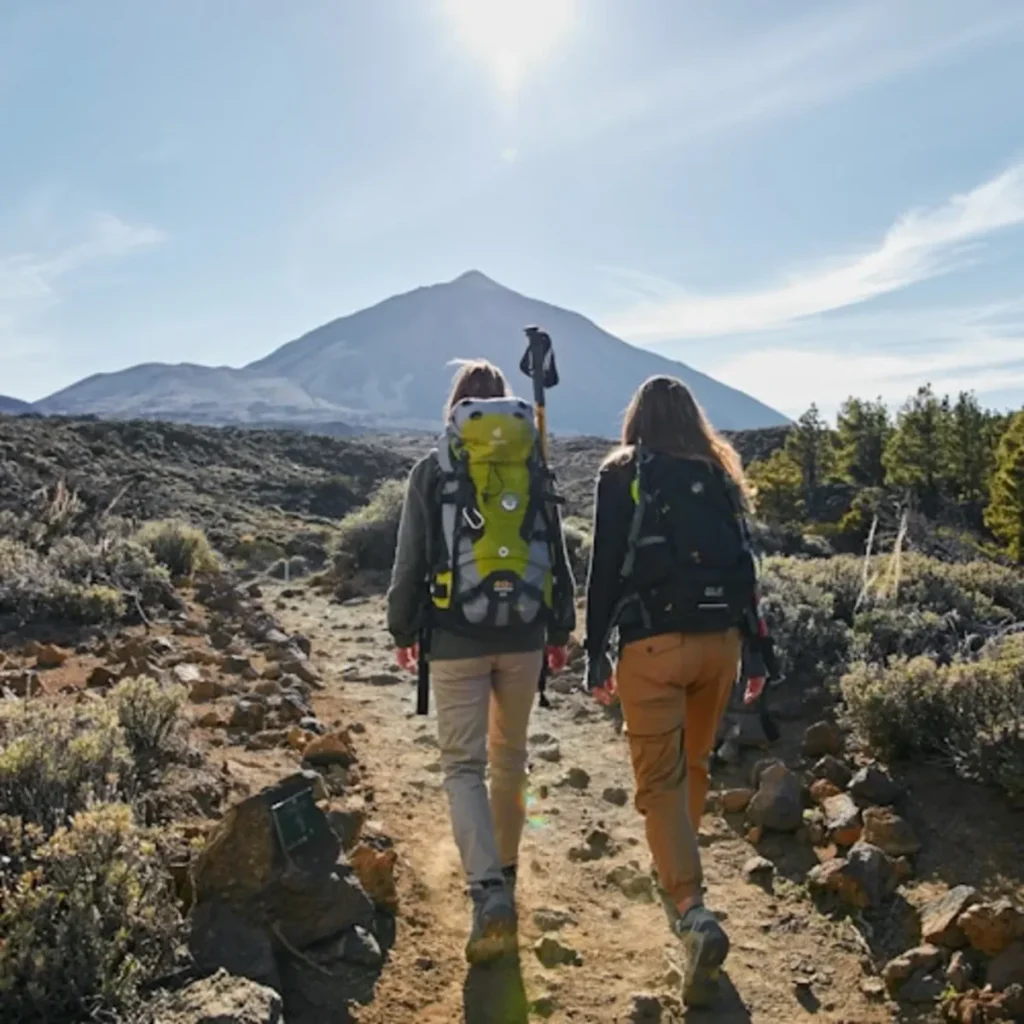
Robust hiking boots with good grip are required for all trails, as the volcanic terrain consists of sharp, unstable phonolite and obsidian rocks.
It is illegal to collect any volcanic stones, plants, or natural artifacts from the park, as it is a protected UNESCO World Heritage site.
You must carry sufficient drinking water for your entire visit, as there are no natural water sources or shops available once you leave the base station.
Wichtige Informationen für Besucher
- Unsere Öffnungszeiten: Wir öffnen um 09:00 Uhr und schließen um 18:00 Uhr.
- Adresse und Anfahrt
- Ausstattung
- Barrierefreiheit
About Teide National Park (Parque Nacional del Teide)
Why Visit Teide National Park?
The Highest Peak in Spain
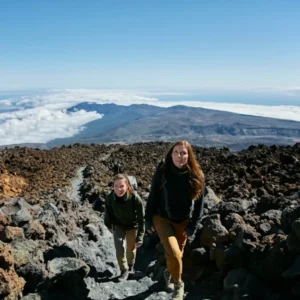
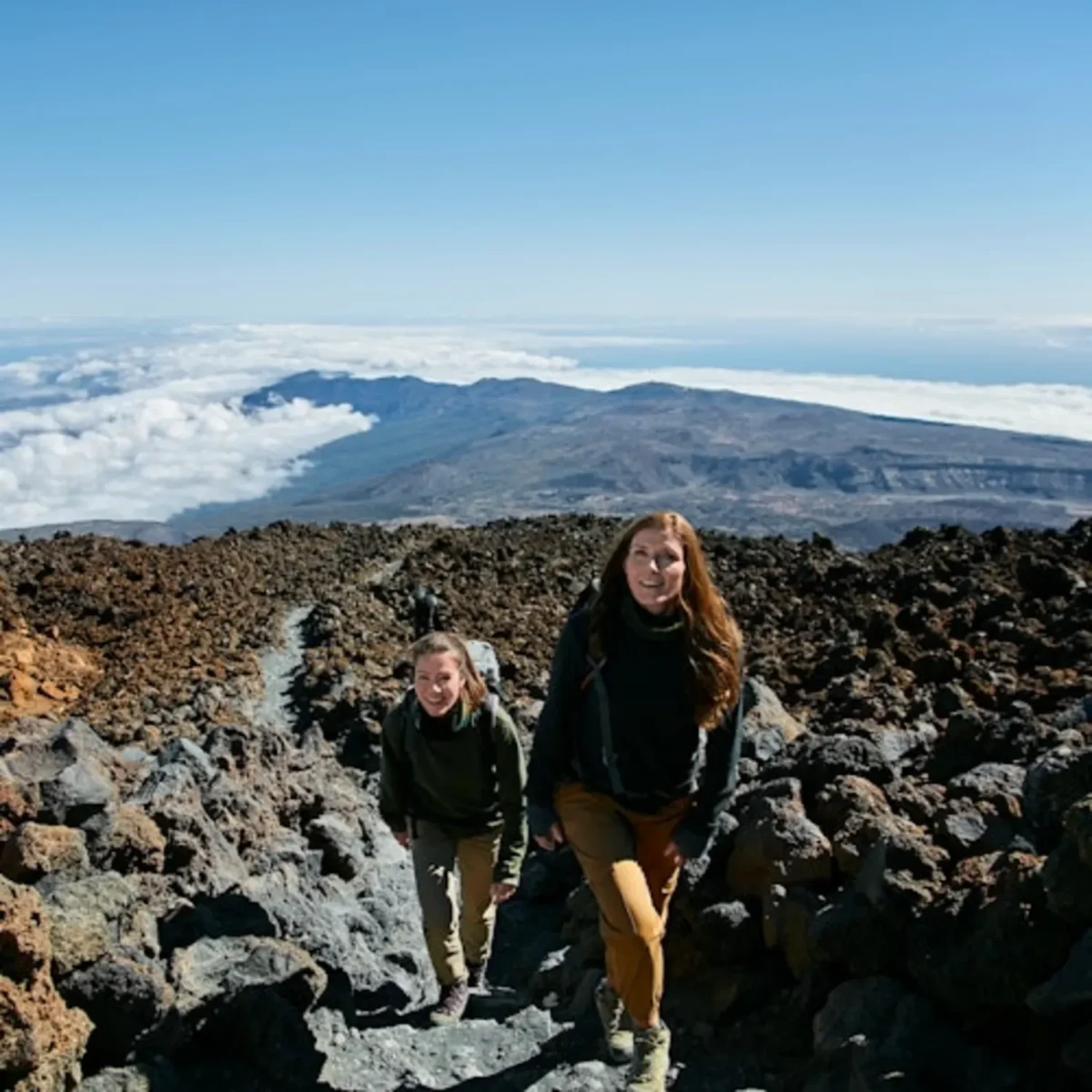
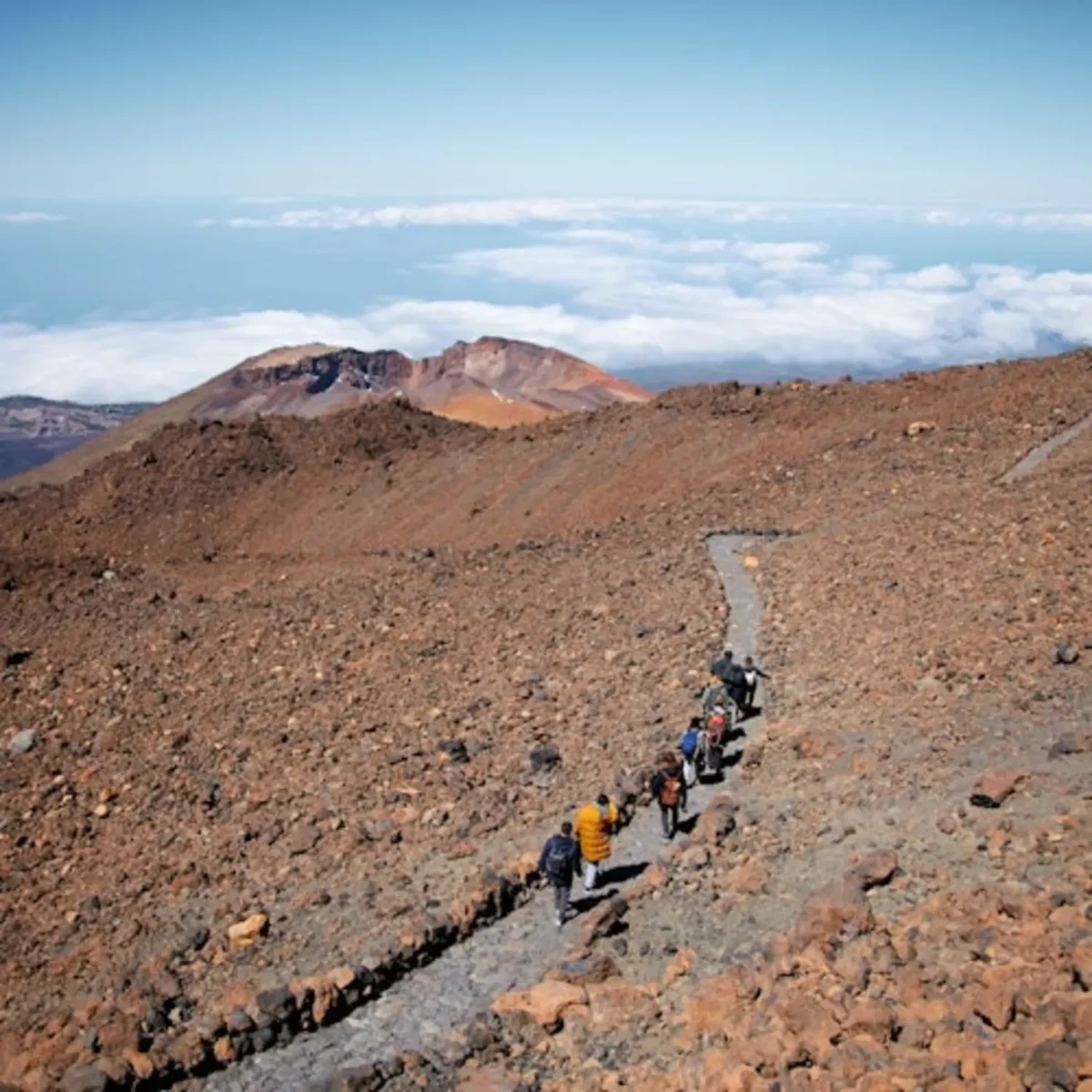
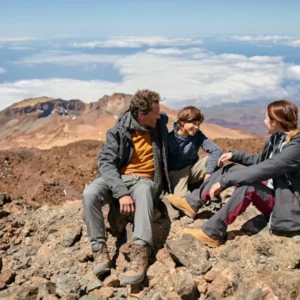
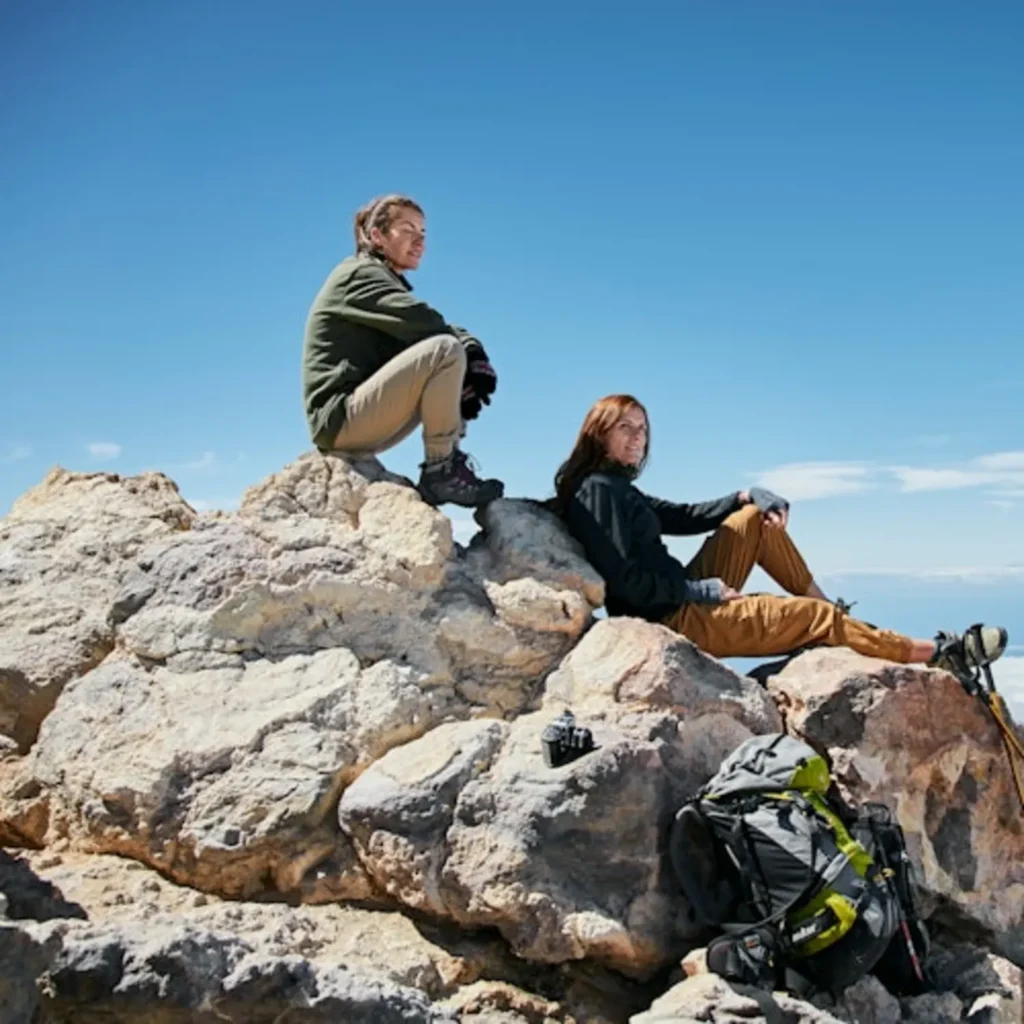
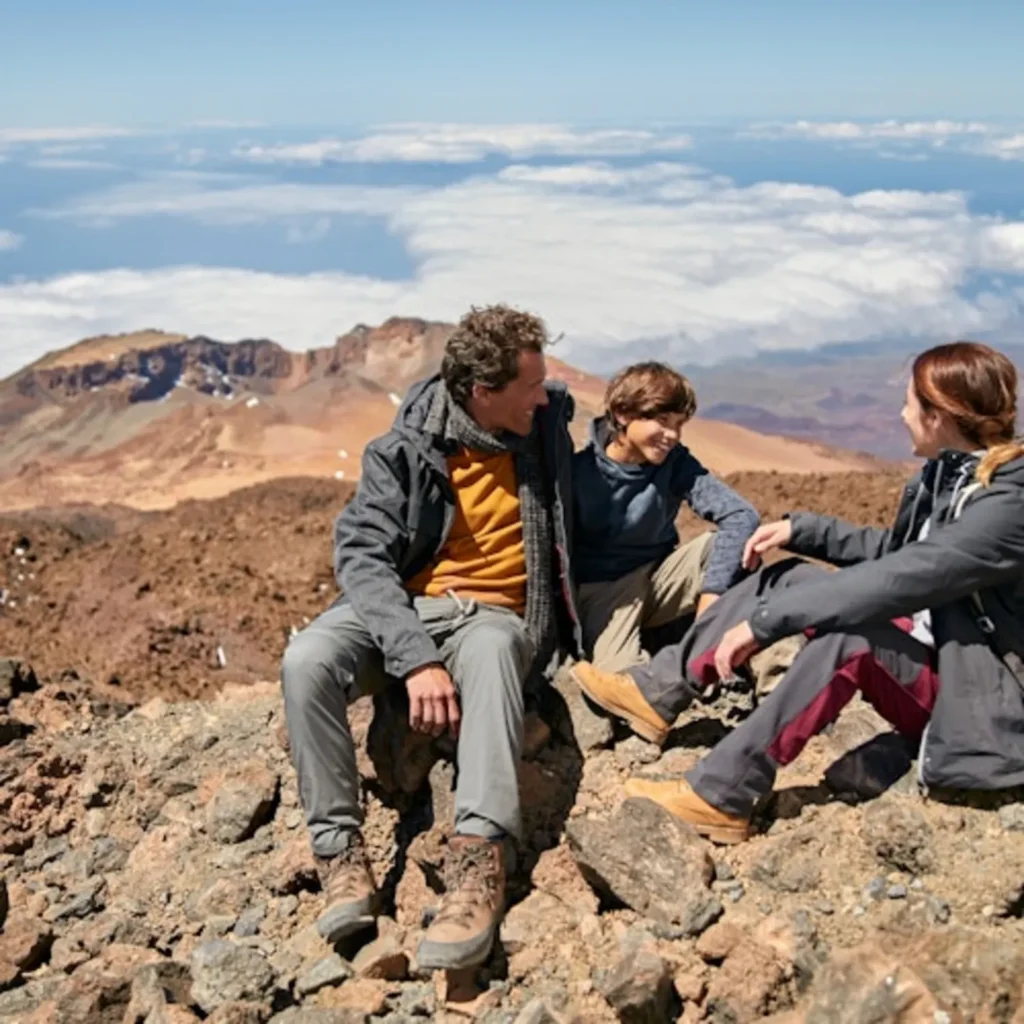
Mount Teide stands as the highest point on Spanish soil, reaching an altitude of 3,715 meters above sea level. Reaching the summit, whether by foot or cable car, offers a unique vantage point over the Canary Island archipelago and the Atlantic Ocean.
A Volcanic Landscape of Global Significance
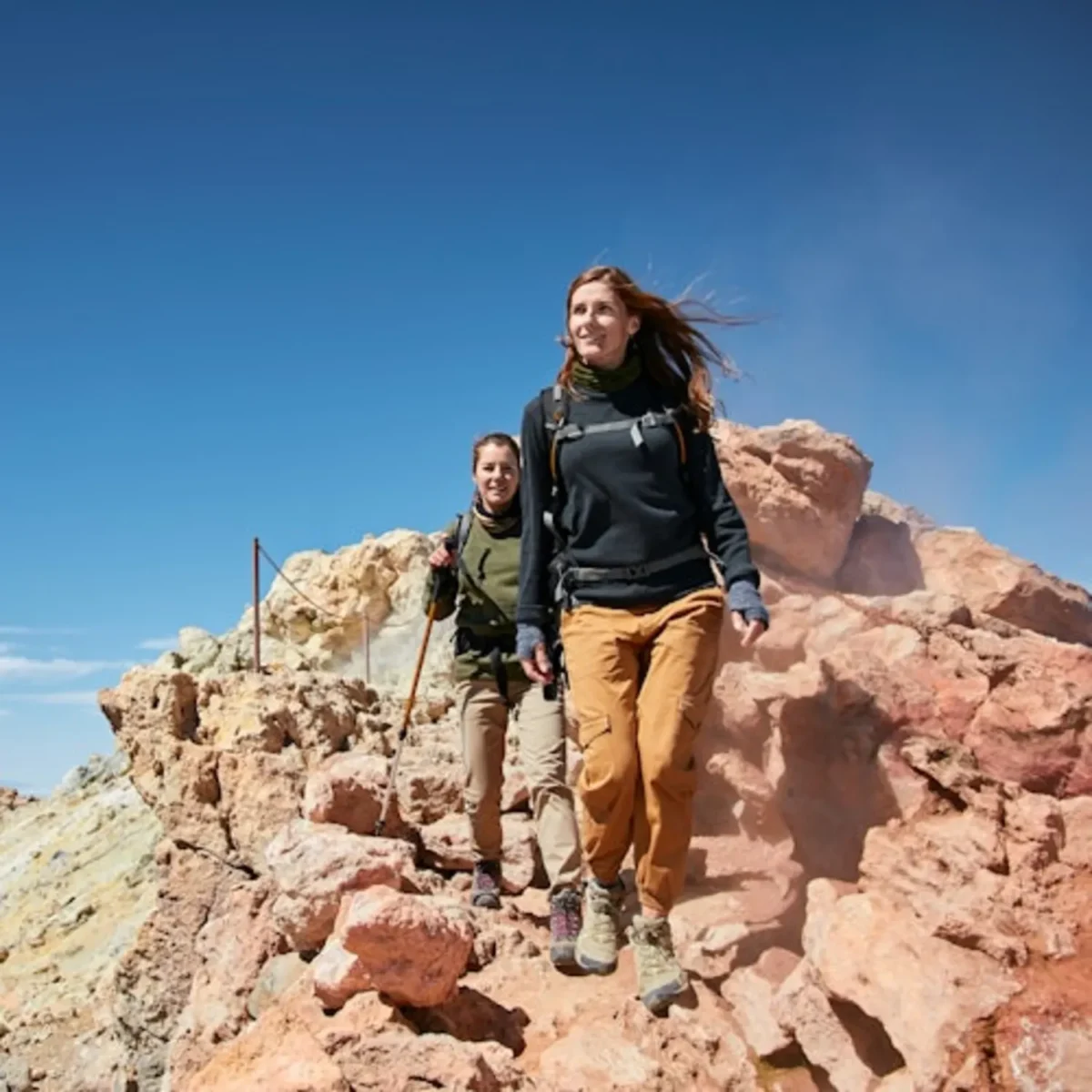
The park is a UNESCO World Heritage site recognized for its complex geological formations, including the massive Las Cañadas caldera. Visitors can explore a diverse terrain of solidified lava flows, volcanic cones, and multi-colored mineral deposits that provide insight into the island's volcanic origins.
Exceptional Starlight Observation
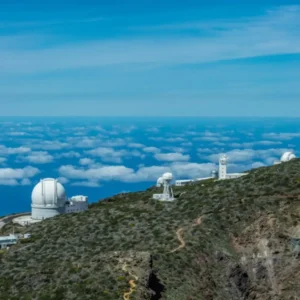
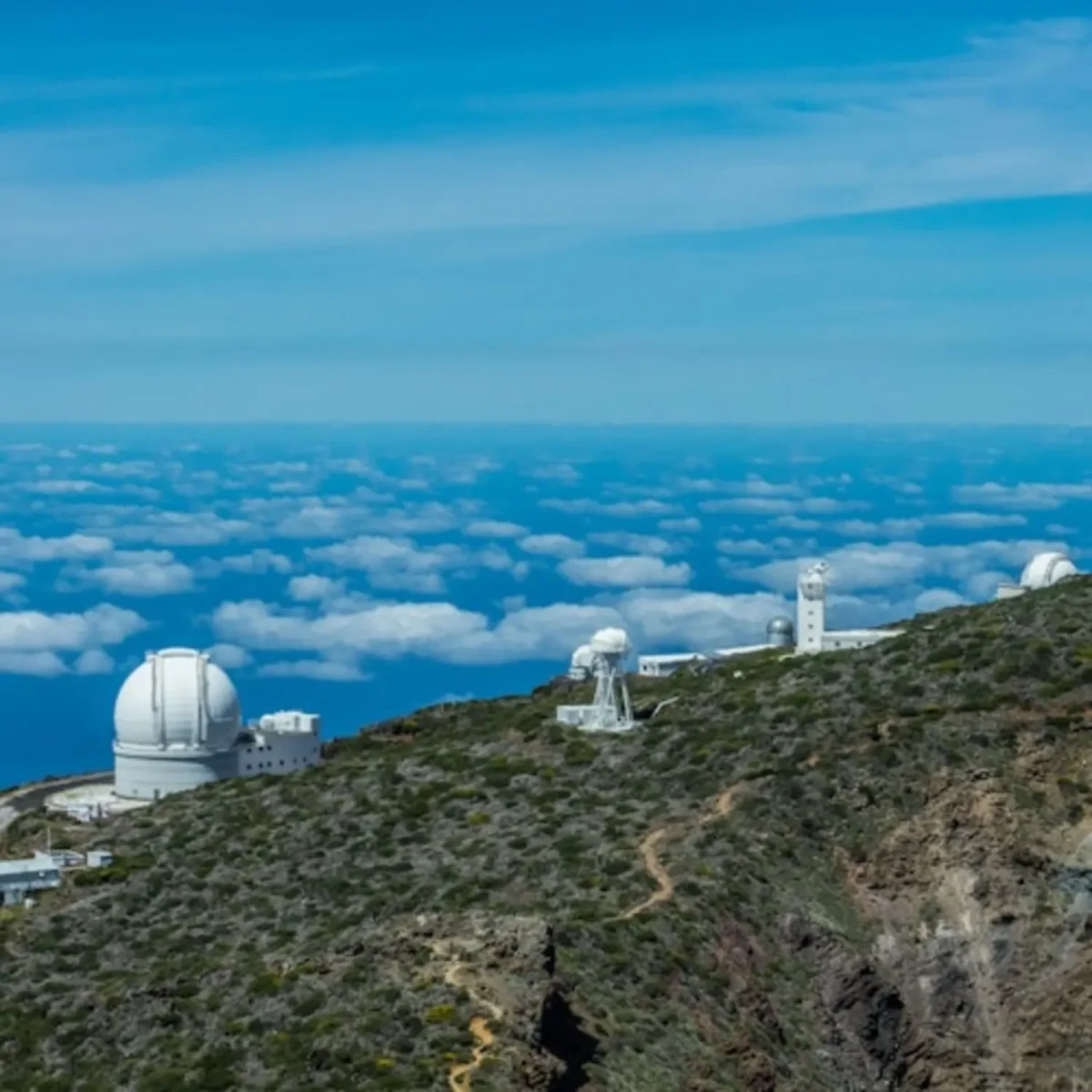
Due to its high altitude, low light pollution, and proximity to the equator, the park is a certified Starlight Destination. It is home to the Teide Observatory and is considered one of the best locations in the world for observing the night sky and professional astronomical research.
Unique High-Mountain Flora and Fauna
The park's ecosystem has evolved in isolation, resulting in a high concentration of endemic species that exist nowhere else on Earth. Notable examples include the Teide violet, which grows at high altitudes, and the towering red bugloss that blooms during the spring months.
Extensive Network of Hiking Trails
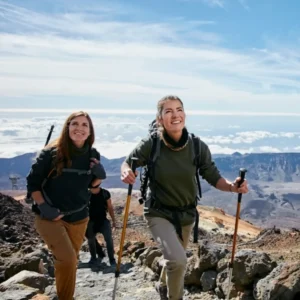
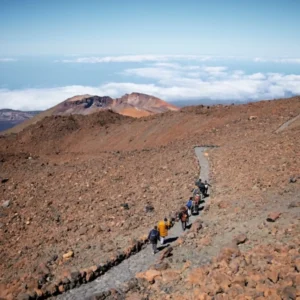
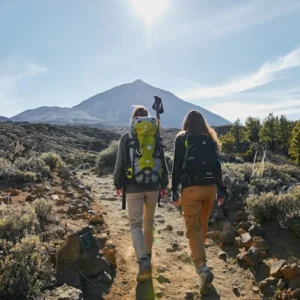
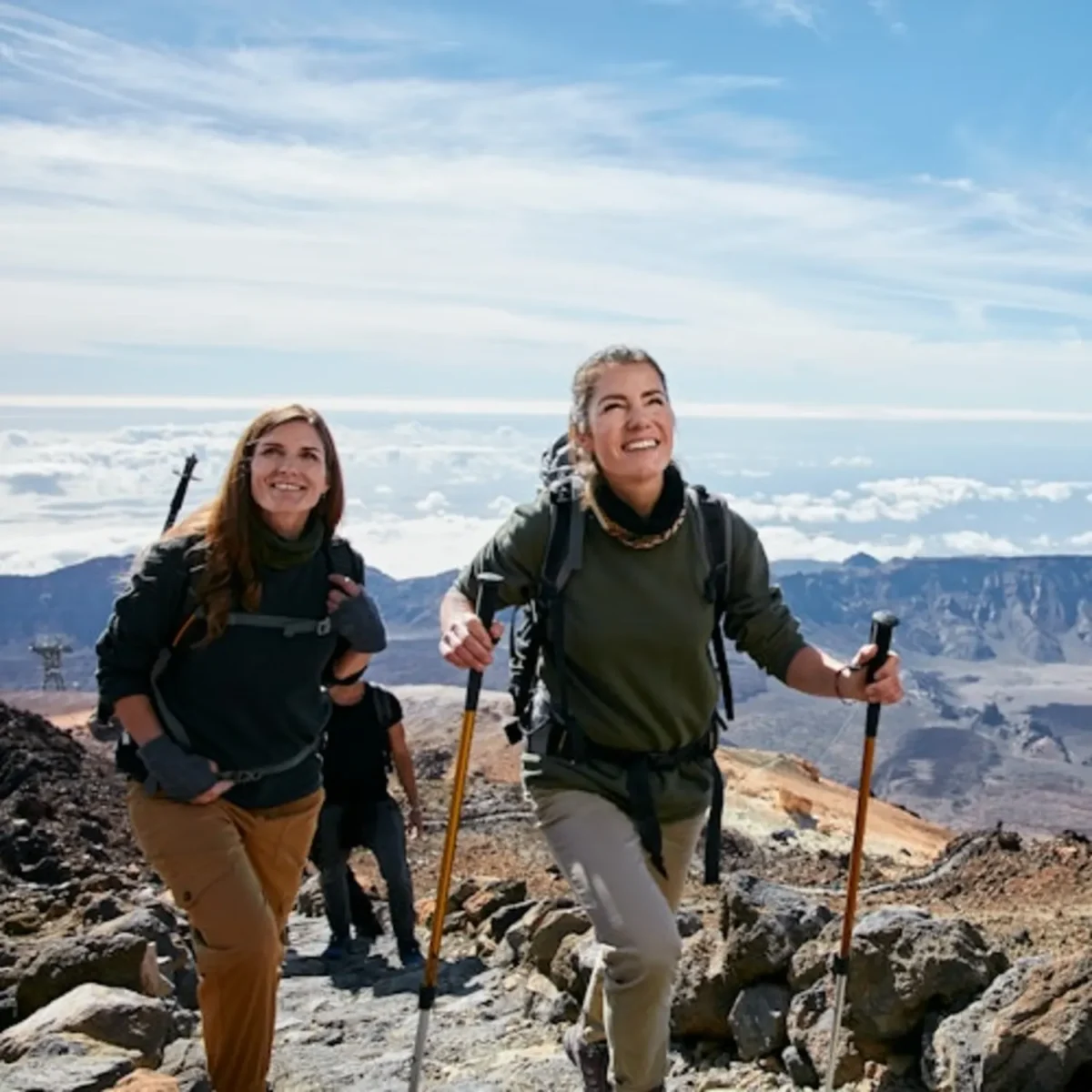
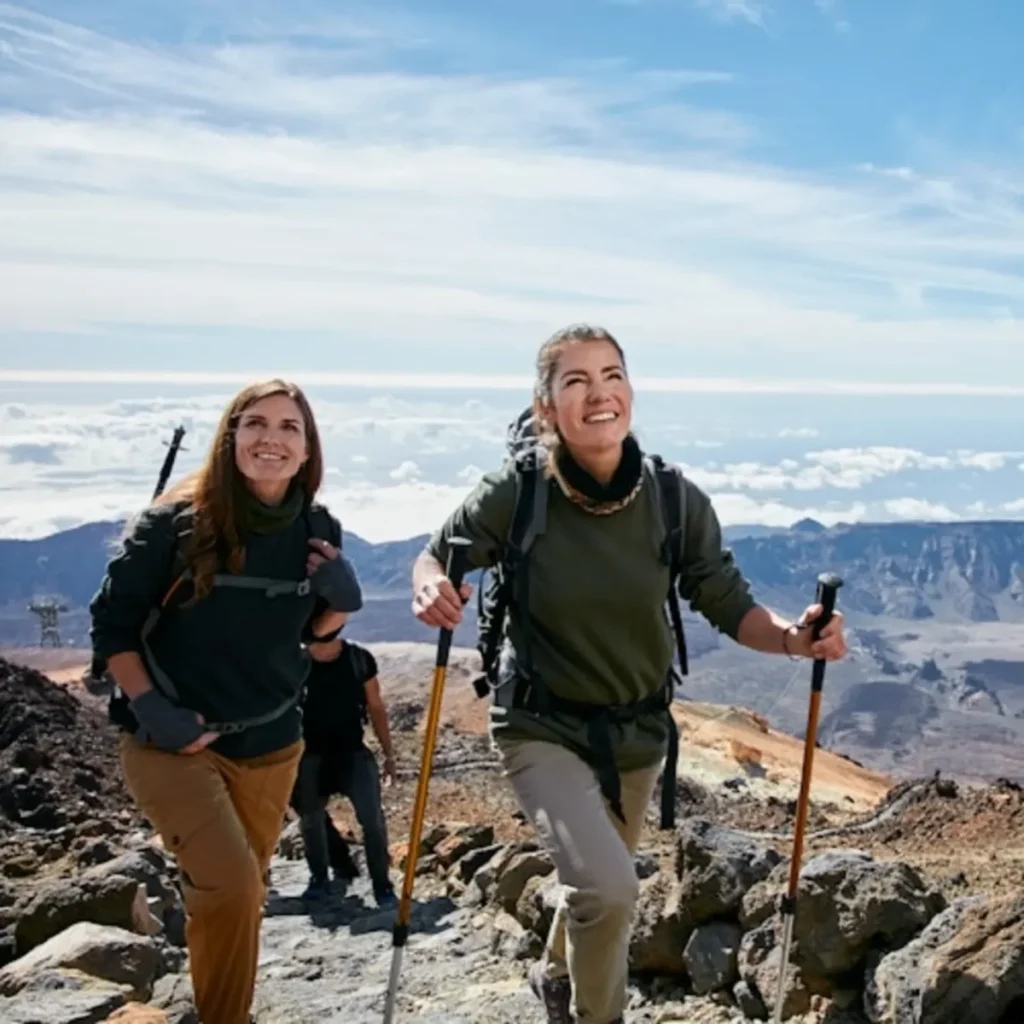
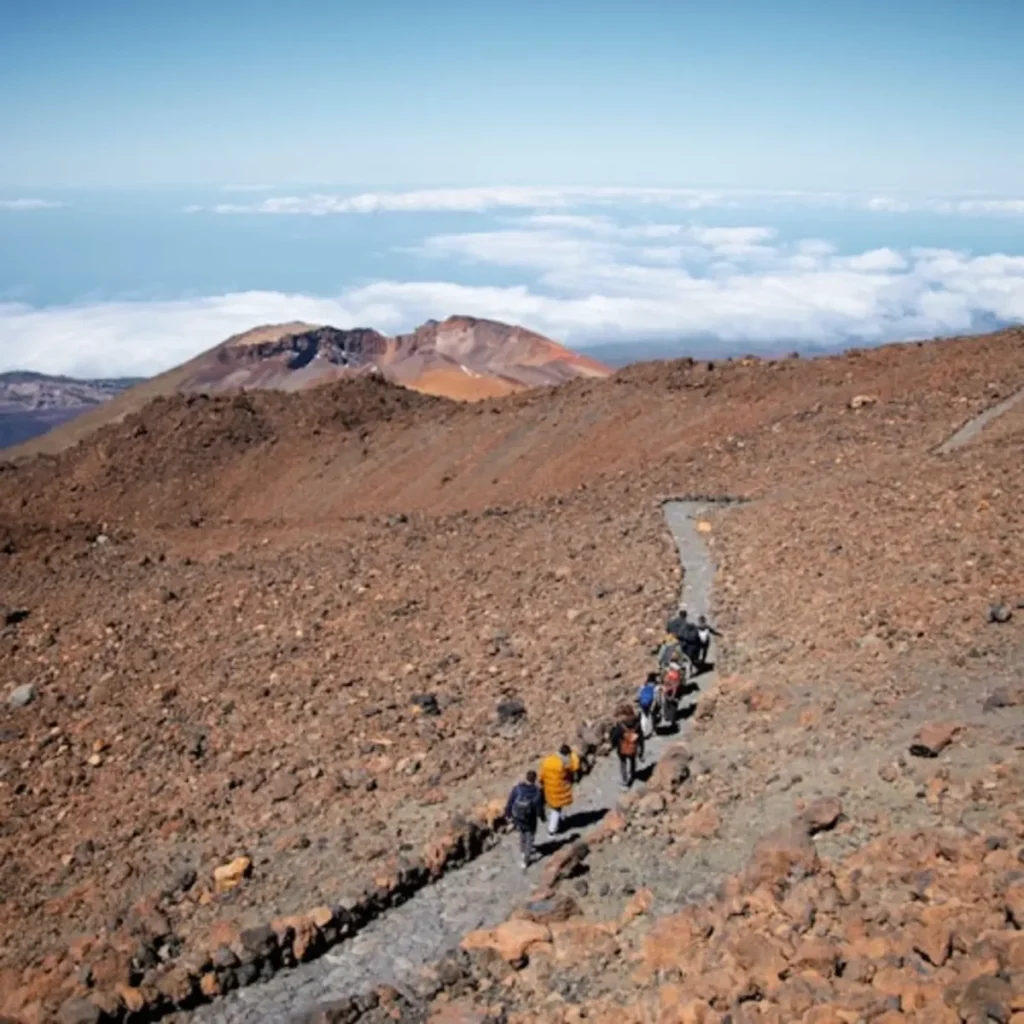
Teide National Park features a regulated network of over 30 marked trails that cater to different fitness levels and interests. These paths allow visitors to experience the silence and scale of the volcanic territory while moving between distinct microclimates and geological landmarks.
Teide National Park - Additional Info
- Essen und Trinken
- Souvenirgeschäft
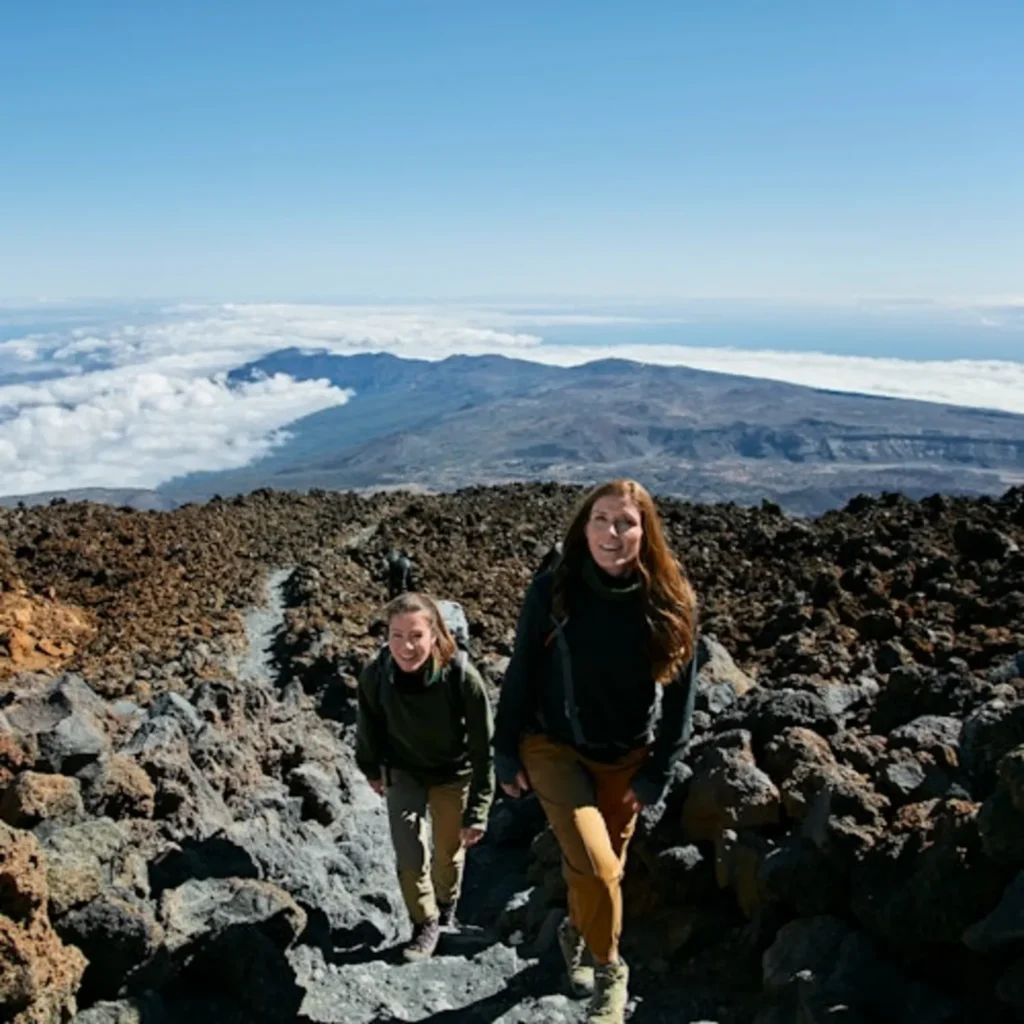
Interesting Facts about Teide National Park
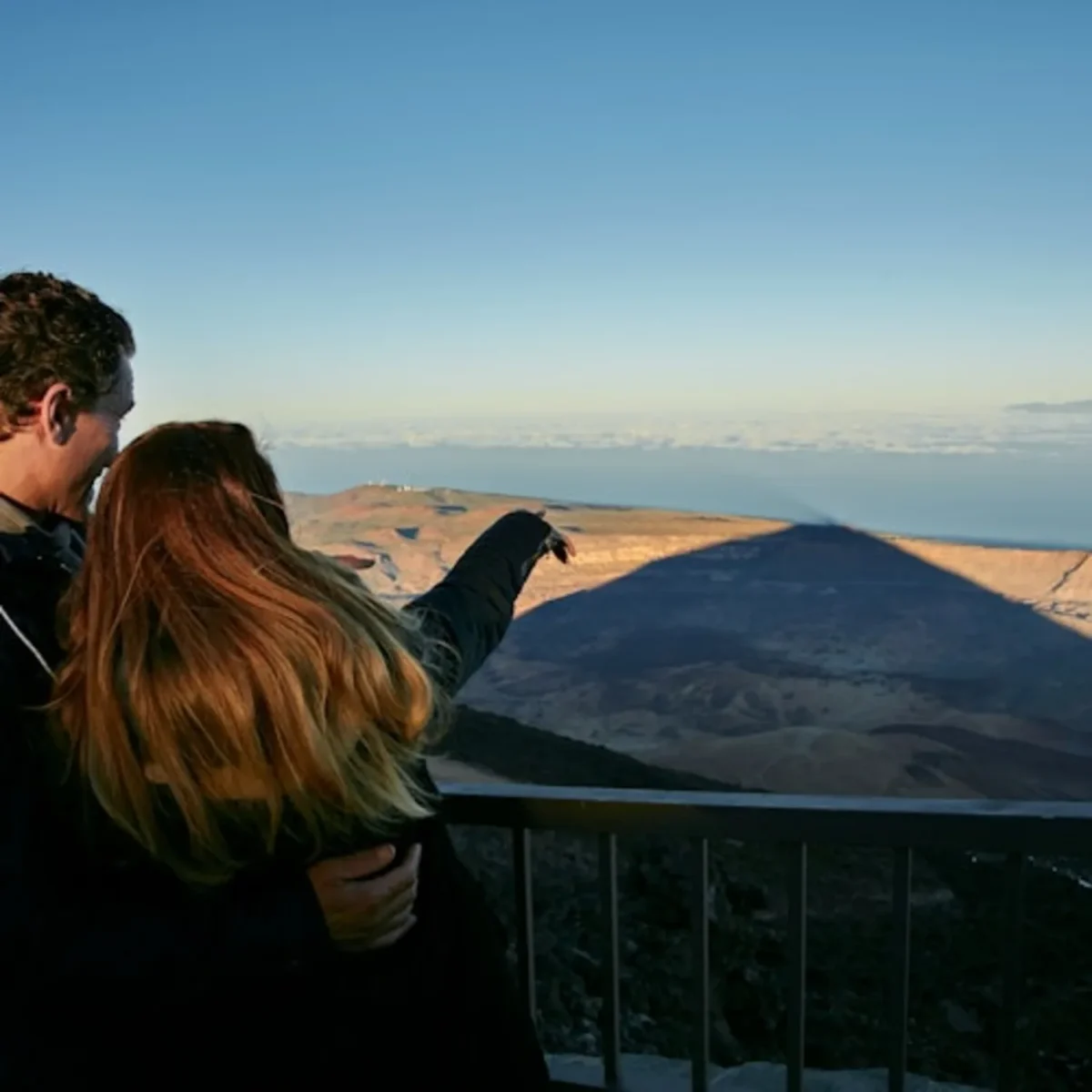
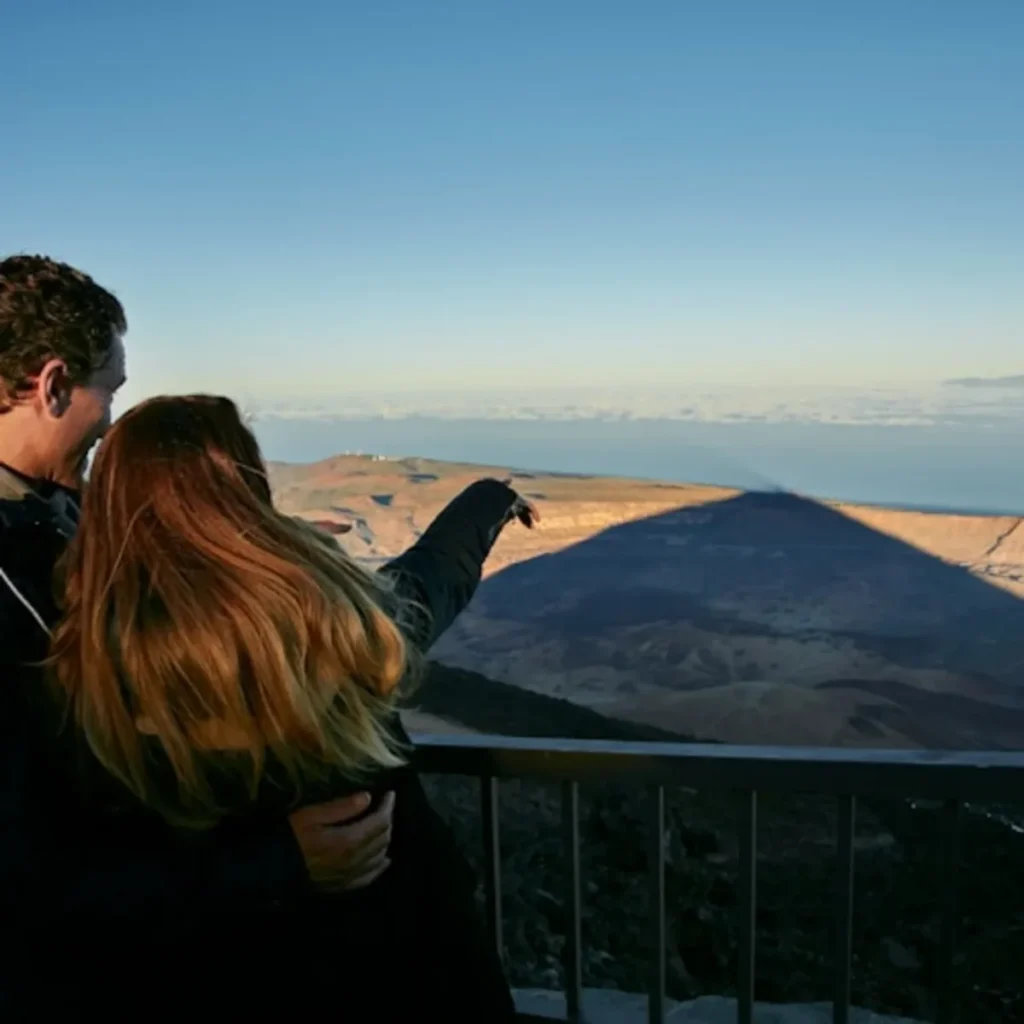
The shadow cast by Mount Teide at sunset is the largest shadow in the world projected over the sea.
Mount Teide is the third tallest volcanic structure in the world when measured from its base on the ocean floor.
The national park serves as a primary testing ground for instruments destined for Mars due to its similar geological and environmental conditions.
The red bugloss, or tajinaste rojo, is a plant endemic to the park that can grow up to three meters in height during the spring.
The last volcanic eruption within the current boundaries of the national park occurred at the Chahorra vent in 1798.
Ancient Guanche inhabitants believed the volcano was the home of a powerful demon named Guayota.
The park contains over 1,000 recorded archaeological sites, proving the high-altitude plateau was used by shepherds for centuries.
Snow falls on the summit almost every winter despite the park being located on a subtropical island near the African coast.
The film Clash of the Titans and several other major Hollywood productions used the park’s lunar landscapes as a filming location.
The Teide violet is a delicate flower that holds the record for being the highest-flowering plant in all of Spain.
The park's atmospheric conditions are so stable and clear that it is protected by the Law of the Sky to prevent light and radio pollution.
The Las Cañadas caldera, which surrounds the volcano, measures approximately 16 kilometers across at its widest point.
Over 160 different species of insects are found only within the borders of this specific national park.
The Pico Viejo crater, located adjacent to Teide, displays a striking spectrum of colors caused by various sulfur and iron mineral deposits.
The cable car system covers a vertical distance of 1,199 meters in less than eight minutes of travel time.