We are processing your request.
Please, don't close or refresh the page.
Home Muna Museum Of Nature And Archaeology

MUNA - Museum of Nature and Archaeology, Tenerife: Tickets and Info

This website offers official tickets for this venue. Please note, however, that it is not the official website of the venue.
Smartphone tickets

Smartphone tickets

Everything you need, right in your pocket!
Why wait?

Why wait?

Skip the line and get priority access
Instant confirmation

Instant confirmation

Receive your tickets seconds after your purchase
Flexible cancellation

Flexible cancellation

Free cancellation up to 24 hours before the event available on selected experiences

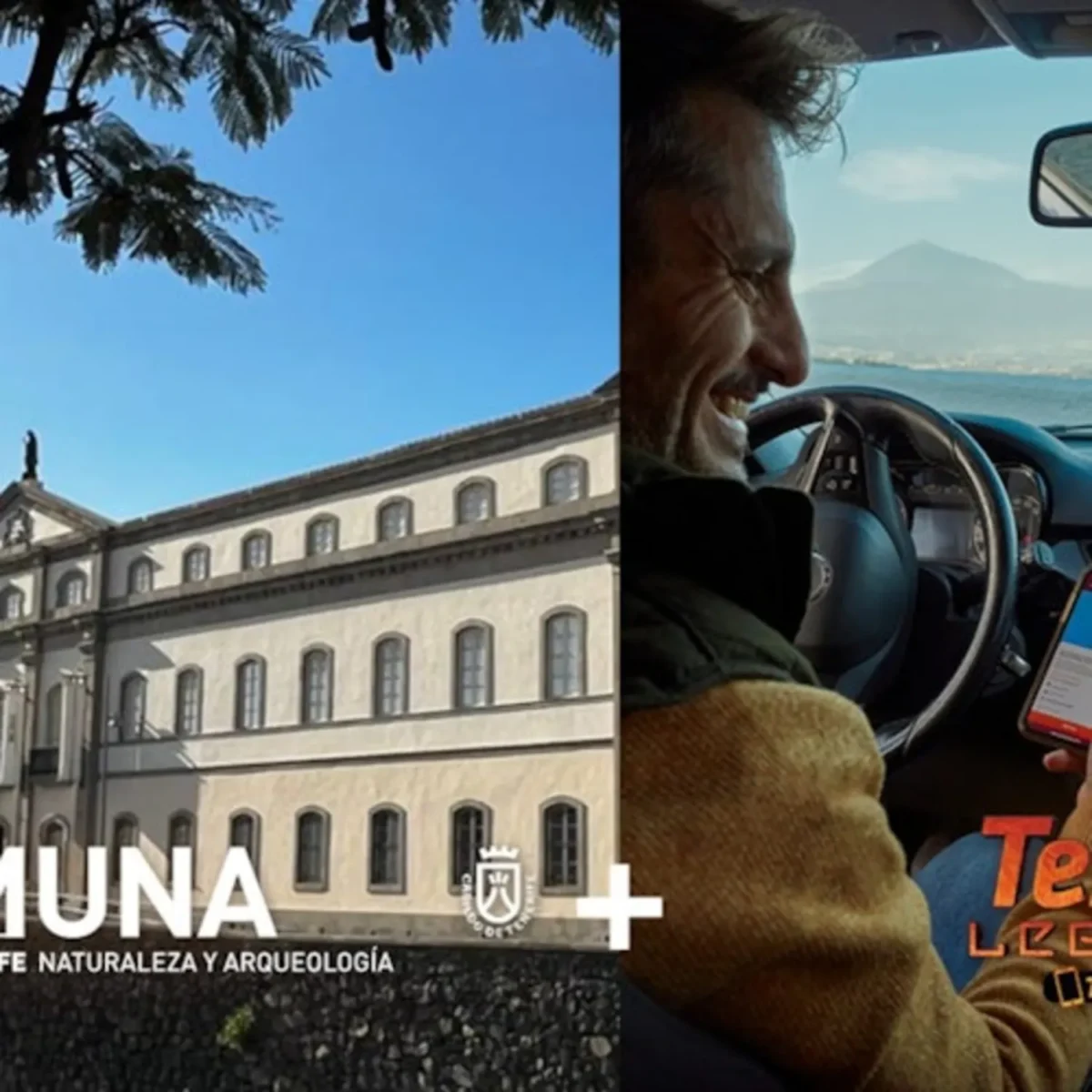
MUNA: Admission + "Legend of Teide" Audio Guide

Highlights

Experience the Museum of Nature and Archaeology in Santa Cruz de Tenerife.

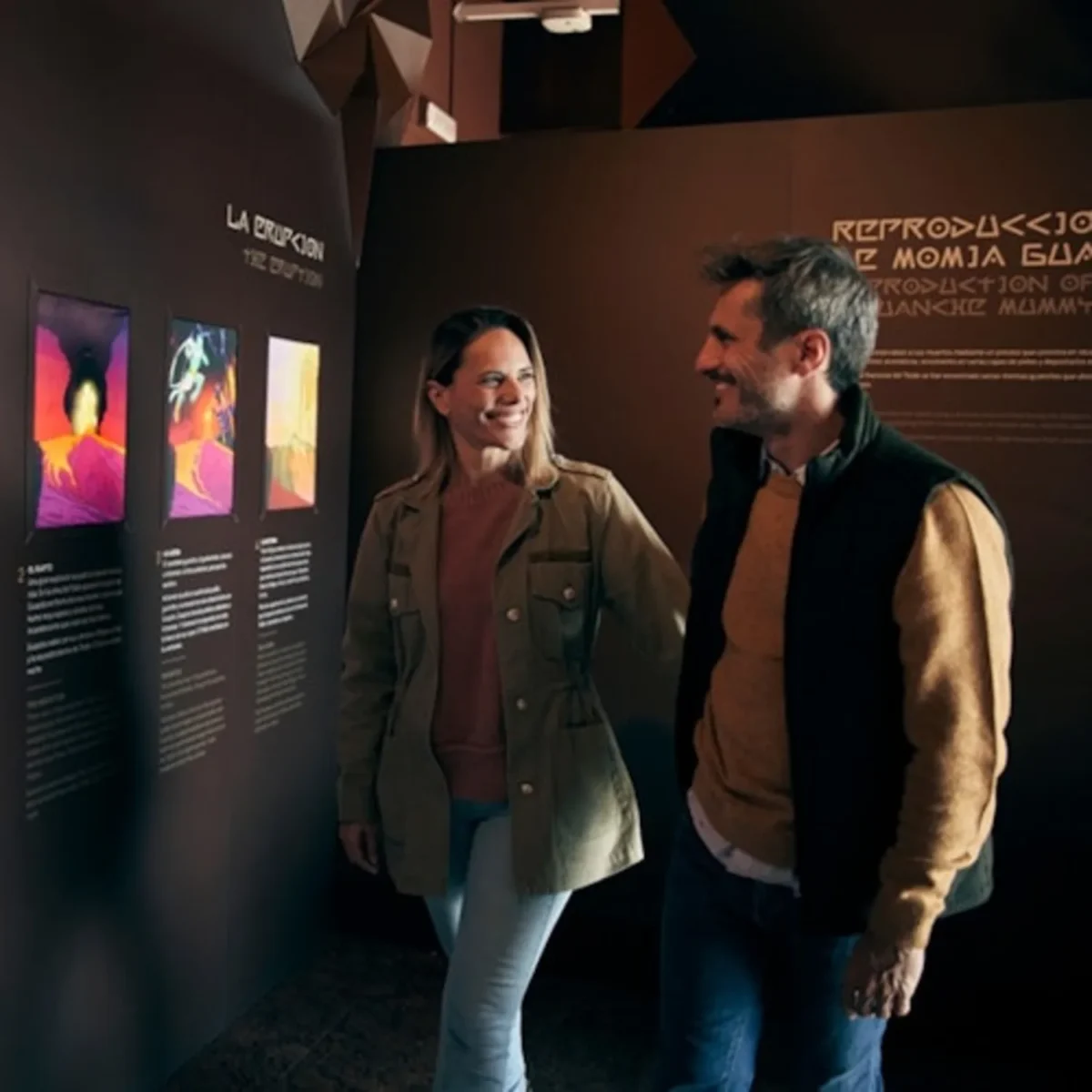
Explore the ‘Science and Legend’ exhibition.

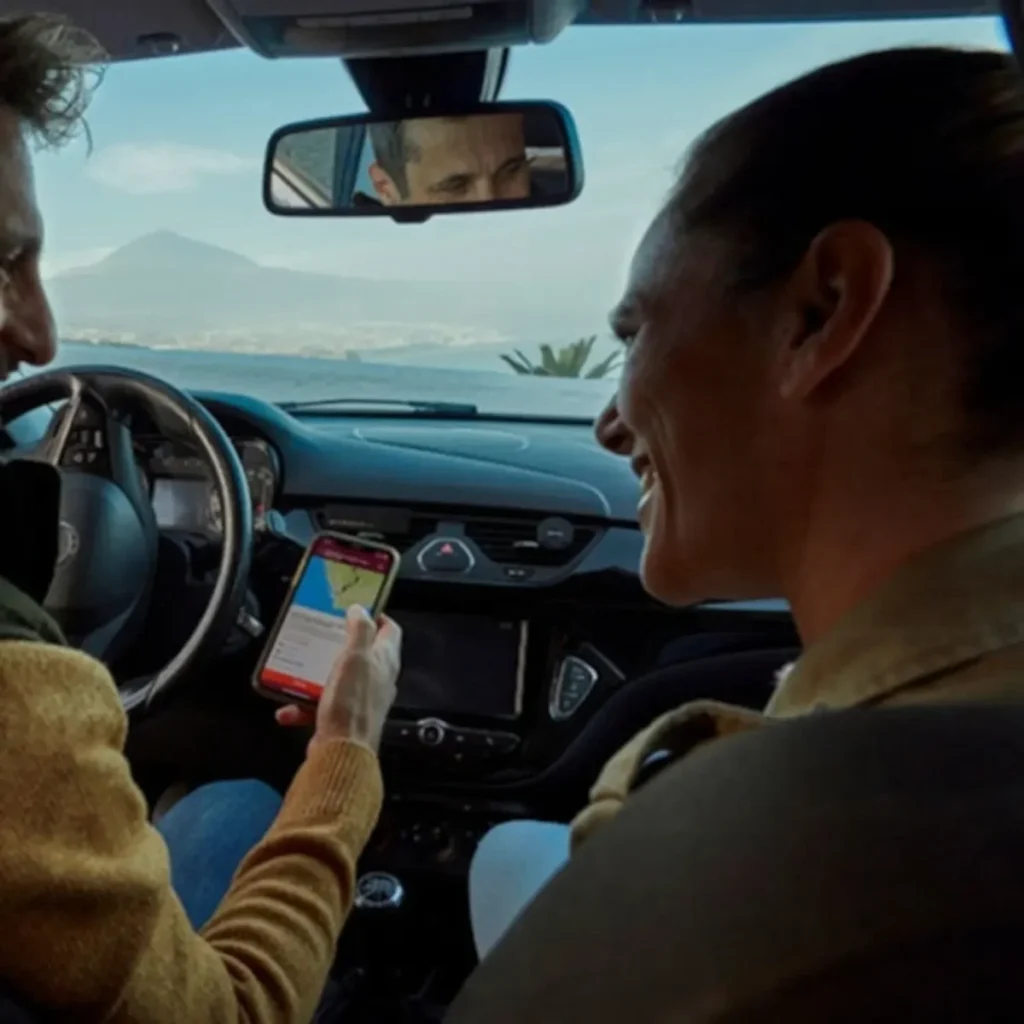
Enjoy an audio tour of the Teide National Park available on mobile devices.

Learn about Tenerife’s volcanic history and ancient civilizations.

Access the tour content in multiple languages including English.

Good to Know Before Visiting MUNA

Entry closes 30 minutes before the museum's official closing time, so plan to arrive earlier rather than right before closing.
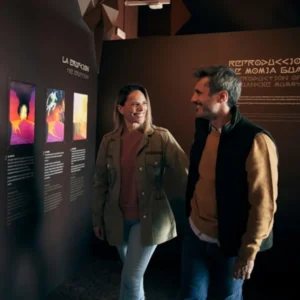
Free audioguides are available in six languages, so it's worth picking one up at the entrance rather than relying on wall text alone.
Fridays and Saturdays from 16:00 until closing are free entry windows, which is a good option for anyone visiting on a budget.
The museum is closed on December 24, 25 and 31, January 1 and 6, and on Carnival Tuesday, so those dates should be avoided when planning.
MUNA is spread across three floors with two separate but connected circuits, natural sciences and archaeology, so it helps to decide in advance whether to see one or both.
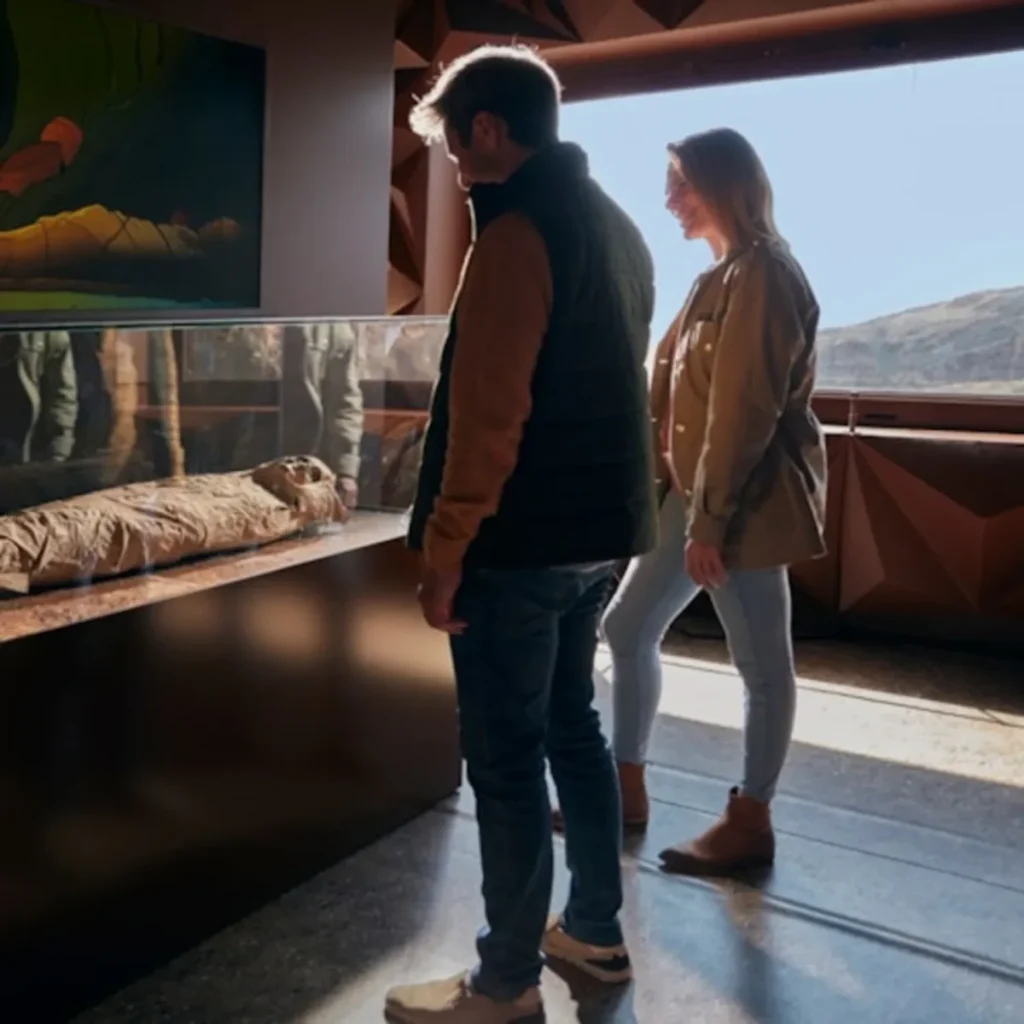
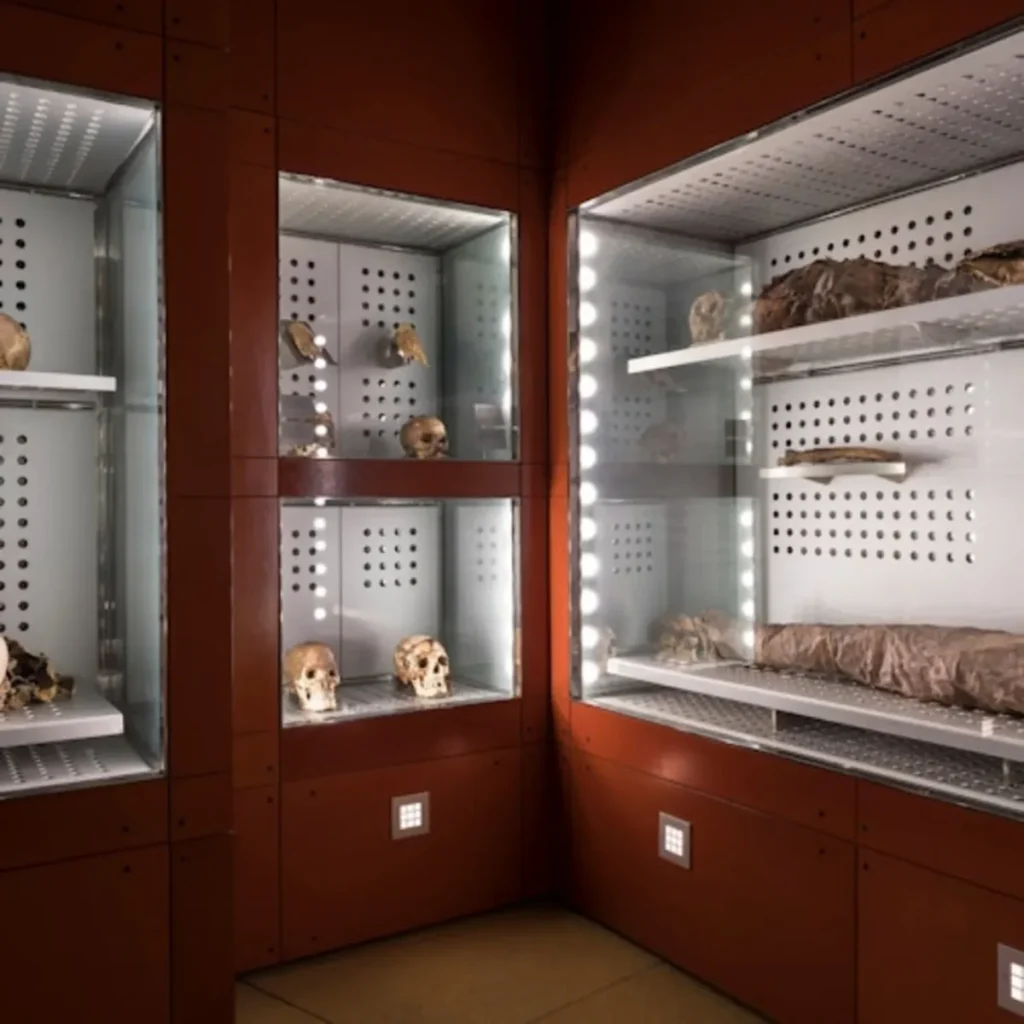
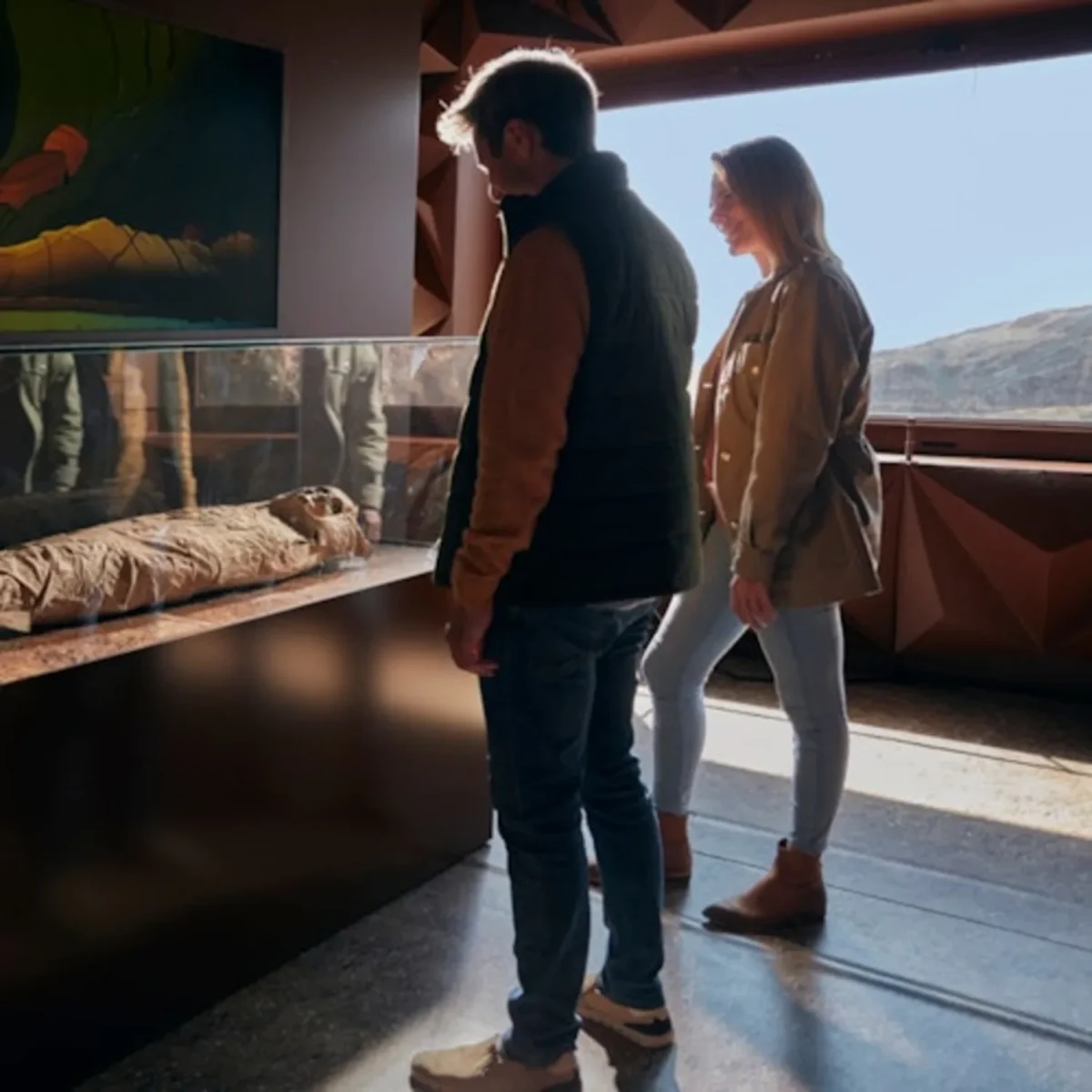
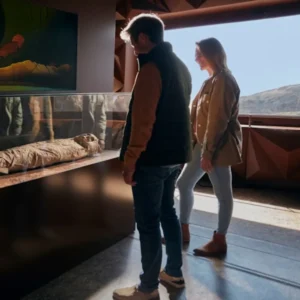
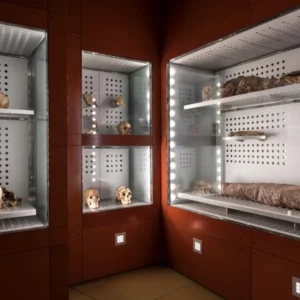
The bioanthropology and Guanche mummy displays on the upper floor tend to draw the most attention and time, so budget accordingly if that's a priority.
Children under 8, ICOM members, teachers and school groups enter free, which makes MUNA a particularly easy option for family visits.
The on-site restaurant, Mues.ca, keeps its own separate hours and is closed Mondays and Tuesdays, so it shouldn't be assumed as an automatic lunch stop on those days.
The nearest tram stop, "Fundación" on Line 1, puts the museum within a short walk of much of central Santa Cruz.

Essential Visitor Info

MUNA opens Monday to Saturday from 9:00 to 19:00, and on Sundays and public holidays from 10:00 to 17:00.

Entry to the museum stops 30 minutes before closing, so it's worth arriving with a comfortable margin rather than right at the wire.

The museum closes on December 24, 25 and 31, January 1 and 6, and on Carnival Tuesday, so it's worth double-checking dates around those periods before planning a visit.

There are also free entry windows: Fridays and Saturdays from 16:00 until closing, or from 14:00 on those days if they fall on a public holiday.

As a guide, most visitors spend somewhere between two and three hours at MUNA if they want to see both the natural sciences and archaeology circuits properly, since the museum is spread across three floors with two parallel exhibition paths.

The visit can easily stretch longer for anyone keen on the bioanthropology and Guanche mummy displays, which tend to be the most-lingered-over sections.

About MUNA

MUNA occupies the former Hospital Civil de Nuestra Señora de los Desamparados, a building dating back to 1745 whose neoclassical façade and courtyards have been reshaped by successive architects over more than two centuries, including a major restoration after a fire in the late 19th century. Recognised as a Cultural Heritage Monument since 1983, the building found a new purpose in the 1990s, when work began to convert it into a museum. The transformation was completed in phases, with the core galleries formally inaugurated by Queen Sofía of Spain in January 2002.

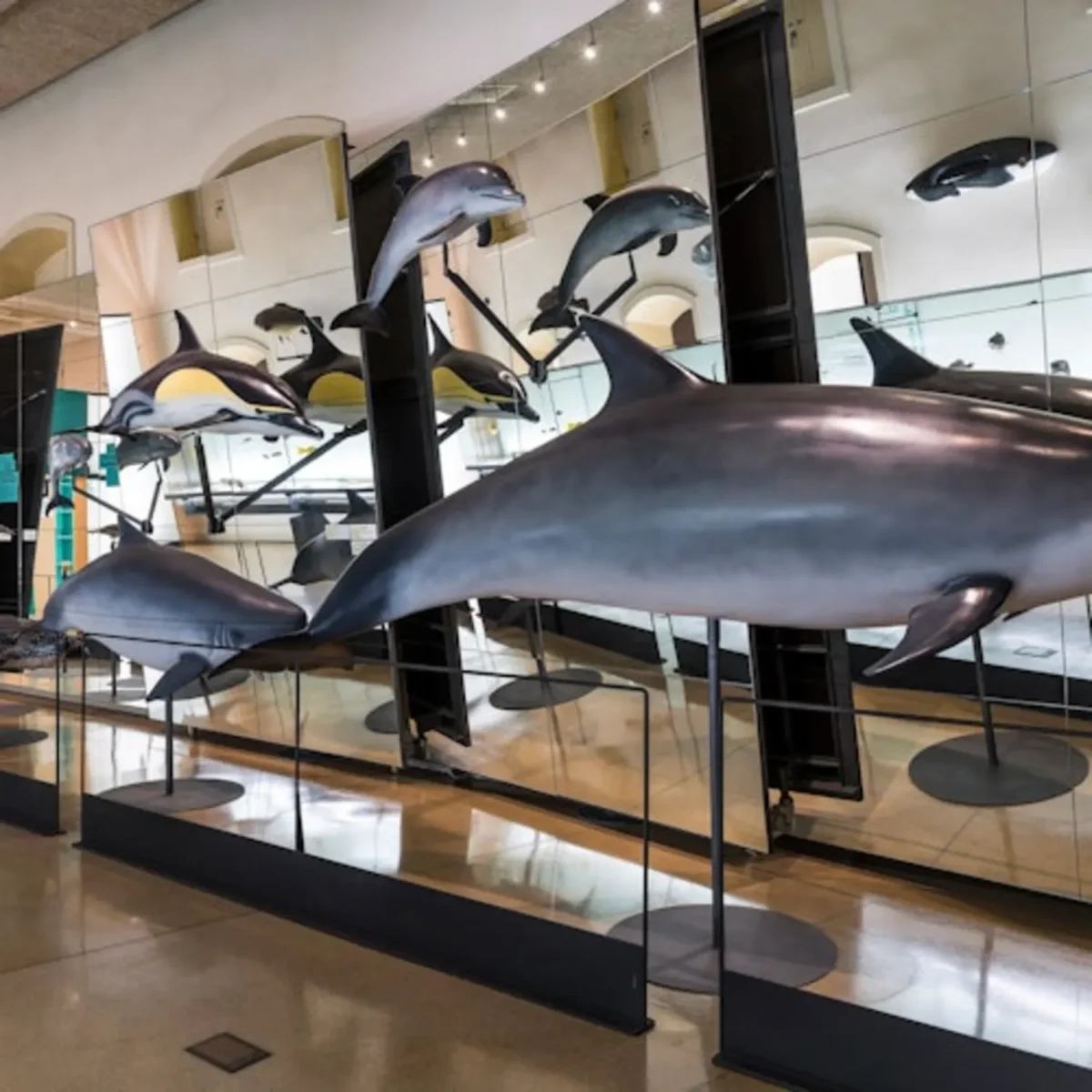
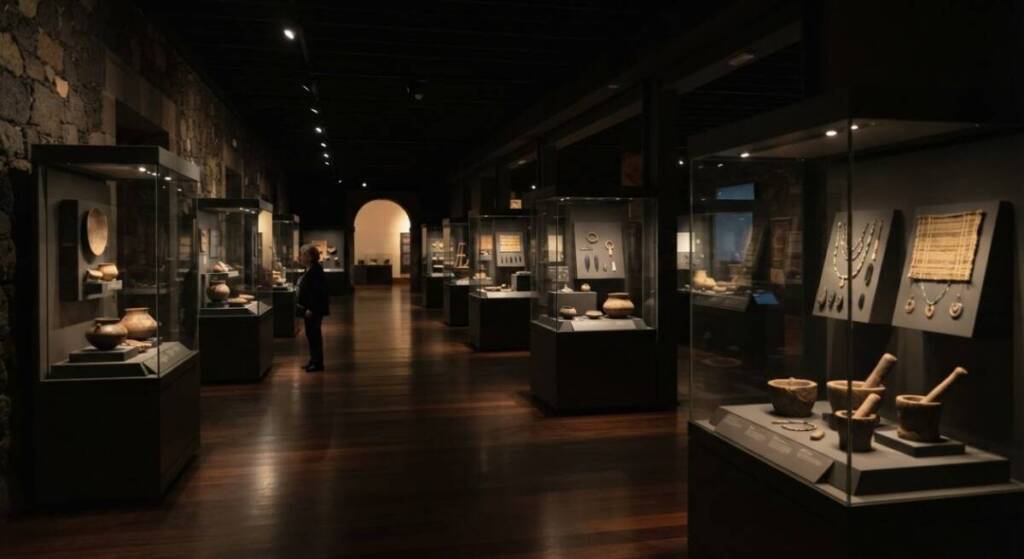
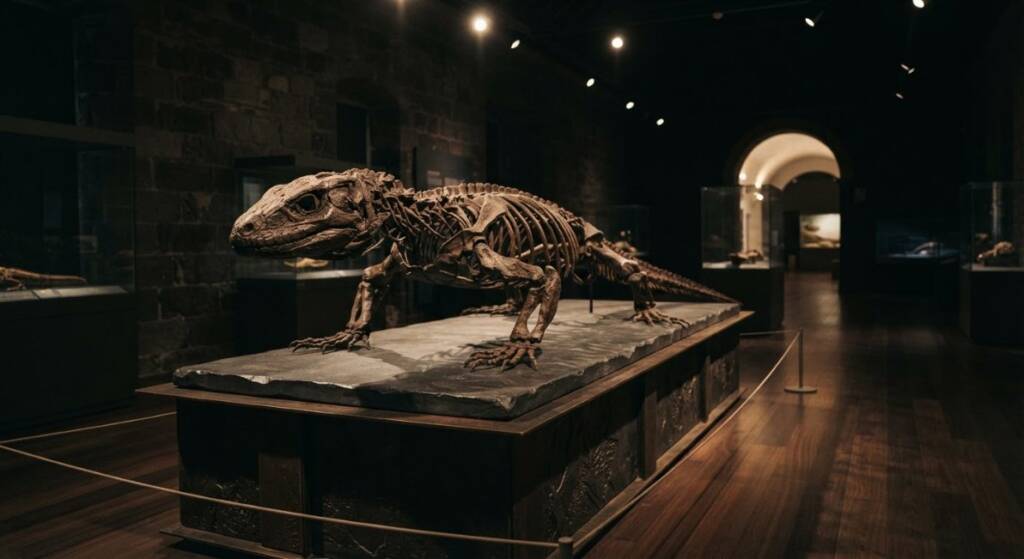
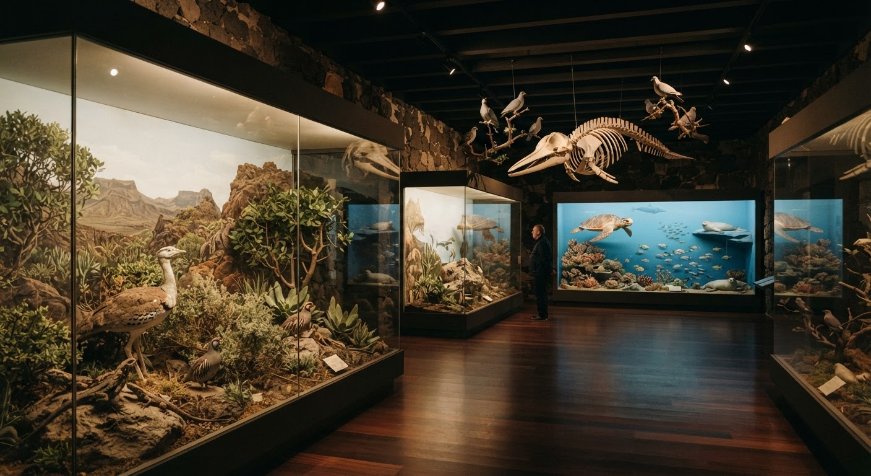
Today the museum is organised around two parallel exhibition circuits, one dedicated to natural sciences and the other to archaeology, spread across three floors and linked by shared courtyards and common spaces. Its holdings range from botanical illustrations and a large Sahara meteorite to one of the most significant collections of Guanche mummified remains and prehispanic artefacts anywhere, making MUNA as much a research institution for the Canary Islands' heritage as it is a public museum.

  • Guanche Mummies in Collection: 100+
  • Prehispanic Skeletal Remains: 2,000+
  • Largest Meteorite on Display: 232 kg

Why Visit MUNA?

A collection unlike any other in the Canary Islands

MUNA brings together the region's archaeology, natural sciences and bioanthropology under one roof, so a single visit covers everything from volcanic geology to the people who lived on Tenerife before European contact. Few museums in the archipelago offer that same breadth in one ticket.

Face to face with the Guanches

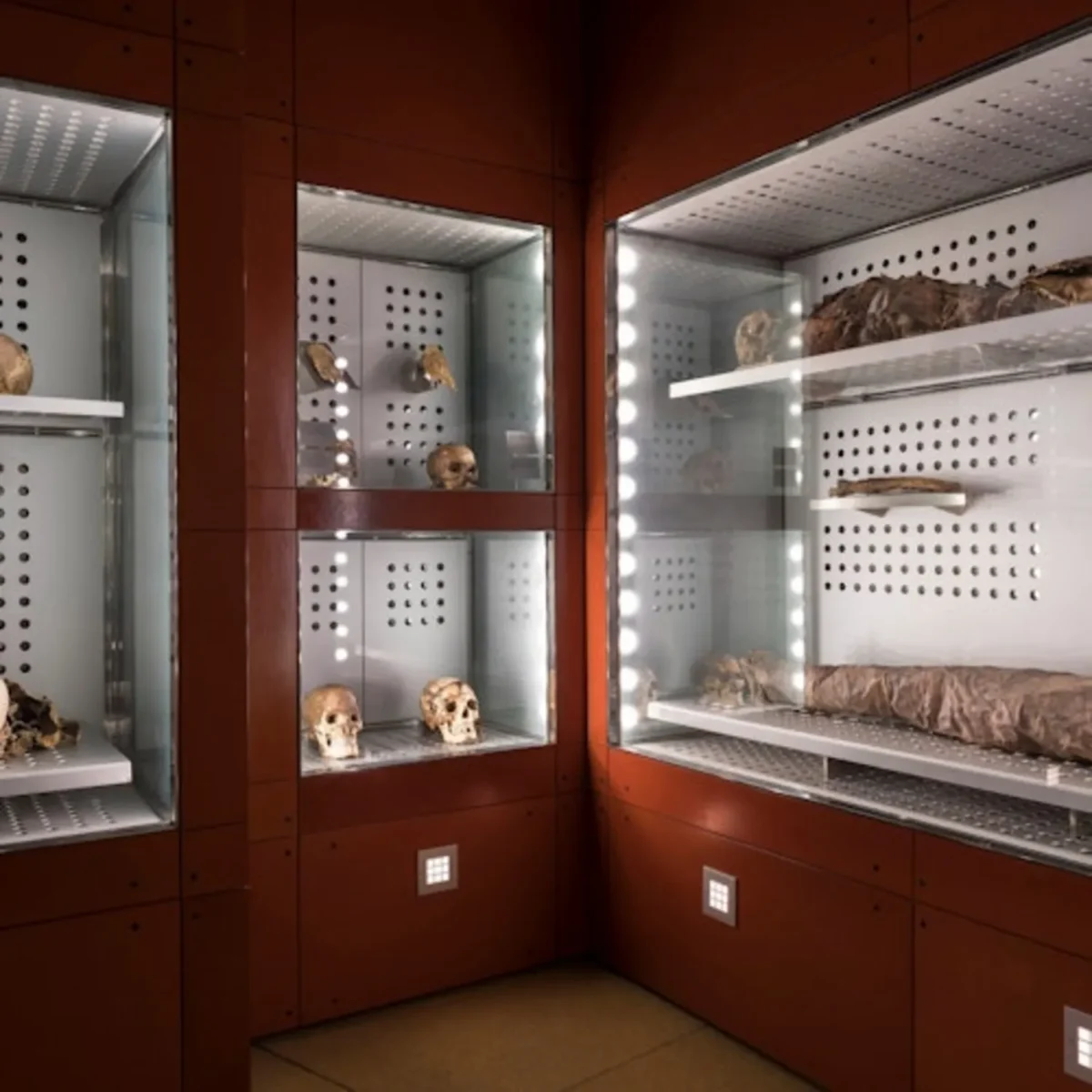
The museum holds the most extensive collection of Guanche mummified remains and prehispanic skeletons anywhere, letting visitors see direct physical evidence of how Tenerife's original inhabitants lived, worked and died, long before written records existed.

A building with its own story

The museum occupies a former 18th-century hospital, restored and expanded over two centuries before its reinvention as a museum. Walking through its courtyards and neoclassical façade is as much a piece of history as anything on display inside.

Natural history with real scale

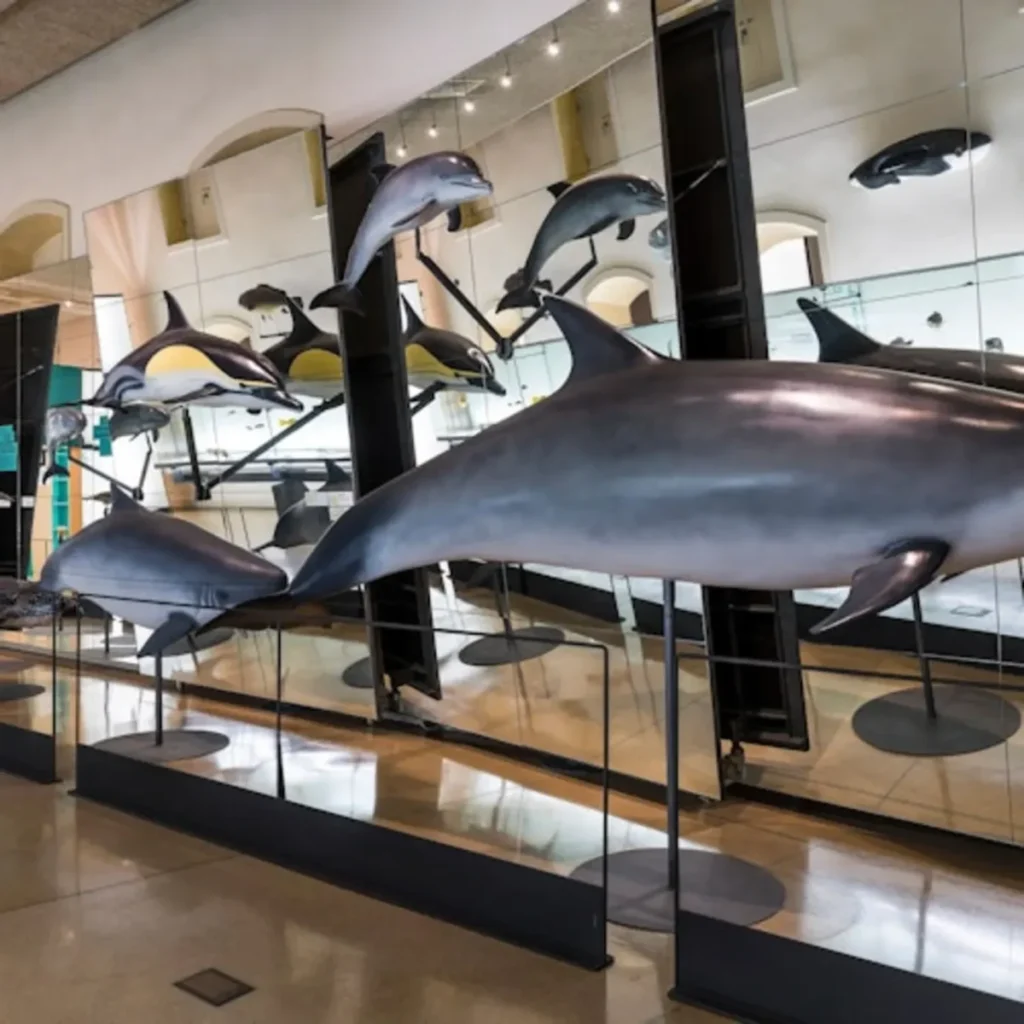
From a 232-kilogram iron meteorite pulled from the Sahara to a forest model tracing how Tenerife's woodlands have changed over time, the natural sciences side of MUNA turns big scientific ideas into displays you can walk right up to.

Genuinely easy to plan around

With free entry windows, six-language audioguides, a central location a few minutes from Plaza de España, and flexible hours most days of the week, MUNA tickets fit easily into a day exploring Santa Cruz rather than requiring a trip built around them.

MUNA - Museum of Nature and Archaeology - Additional Info

The museum's restaurant, Mues.ca, sits on the ground floor with its own entrance through the Patio de las Palmeras. It serves fusion cuisine drawing on South American, Southeast Asian and sub-Saharan African influences, built around a weekly lunch menu, à la carte dinners on Friday and Saturday evenings and event nights, and weekend brunch on Saturdays, Sundays and holidays.

Opening hours run Wednesday from 10:00 to 17:30, Thursday to Saturday from 10:00 until midnight, and Sunday from 10:00 to 18:00, with the restaurant closed Mondays and Tuesdays.

Beyond food, Mues.ca also hosts live music, DJ sessions and private events, making it a spot worth planning around rather than just a stop for a quick coffee.

Interesting Facts about MUNA - Museum of Nature and Archaeology, Tenerife

MUNA is housed in a former hospital, the Hospital Civil de Nuestra Señora de los Desamparados, originally built in 1745.
The building's neoclassical façade is topped by a statue representing Charity, donated in 1897.
It was declared a Cultural Heritage Monument in 1983, decades before its conversion into a museum.
The building underwent major work by three different architects across the 19th and early 20th centuries, including a restoration after a serious fire in 1888.
Conversion into a museum began in 1993 and the first phases were officially inaugurated by Queen Sofía of Spain on January 9, 2002.
The museum's collections cover archaeology, natural sciences and bioanthropology, tied together under a mission to preserve the natural and archaeological heritage of the Canary Islands and the wider Macaronesian region.
MUNA holds the most extensive collection of Guanche mummified remains anywhere, including more than 100 mummified individuals in complete, partial or fragmentary states.
The bioanthropological collection also includes more than 2,000 prehispanic skeletal specimens, offering evidence of ancient diseases, physical activity and lifestyle.
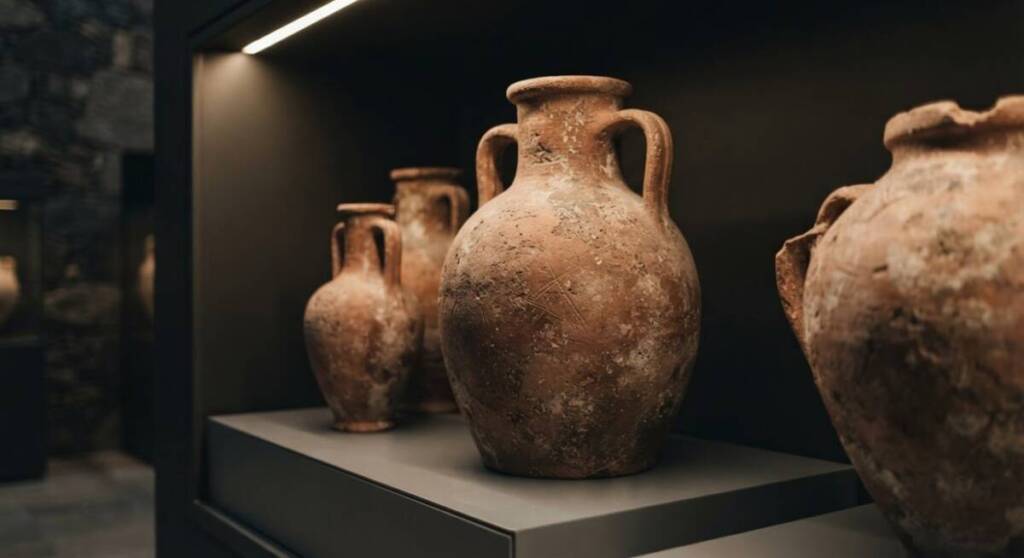
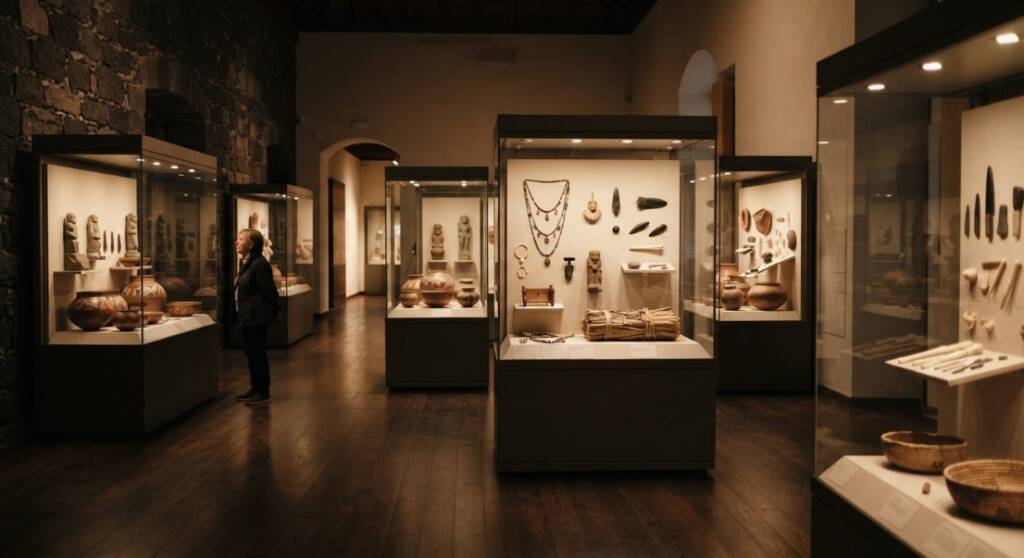
Among the archaeological holdings are wooden vessels used for fire-making, bone tools such as awls, fishing hooks and harpoons, and stone hand mills and polishers used by Tenerife's earliest inhabitants.
The natural sciences galleries include a large-scale model of Tenerife's forests using more than a thousand fibre-optic points to show how thermophilic, laurel and pine woodlands have changed over time.
The Botany hall displays close to a hundred botanical illustration plates, most from the 19th century, a period the museum describes as the "golden age" of Canarian botanical study.
The meteorite collection's centrepiece is a 232-kilogram iron siderite, described as the largest meteorite of its kind found to date in the Sahara.

FAQs about MUNA - Museum of Nature and Archaeology

What is MUNA in Santa Cruz de Tenerife?

MUNA, short for Museo de Naturaleza y Arqueología, is a museum dedicated to the natural history and archaeological heritage of the Canary Islands, including extensive collections related to Tenerife's original Guanche inhabitants.

What building does MUNA occupy?

The museum is housed in a former 18th-century hospital building, the Hospital Civil de Nuestra Señora de los Desamparados, which has been restored and expanded over more than two centuries.

When did MUNA open as a museum?

The core galleries were inaugurated by Queen Sofía of Spain on January 9, 2002, following a conversion process that began in the 1990s.

What makes MUNA's collection notable?

MUNA holds one of the most extensive collections of Guanche mummified remains and prehispanic skeletons in existence, alongside significant natural history holdings including a large Sahara meteorite.

How many floors does MUNA have?

The museum is spread across three floors, organised around two parallel exhibition circuits covering natural sciences and archaeology.

Is MUNA suitable for a family visit?

Yes, children under 8, along with school groups and teachers, enter free, and the museum's mix of natural science and archaeology tends to appeal across age groups.

Does MUNA have a research or academic role beyond being a public museum?

Yes, the museum's bioanthropological and natural sciences collections support ongoing academic study of the Canary Islands' prehispanic population and natural heritage.

Where is MUNA located?

MUNA is located at Calle Fuente Morales s/n, 38003 Santa Cruz de Tenerife, close to Plaza de España in the historic centre.

What are MUNA's opening hours?

MUNA is open Monday to Saturday from 9:00 to 19:00, and Sundays and public holidays from 10:00 to 17:00, with entry closing 30 minutes before the museum shuts.

Is MUNA accessible for visitors with disabilities?

Yes, the museum offers Braille signage, large-print labels, audio-described audioguides and sign-language-enabled guides as part of its universal accessibility approach.

Why should someone buy MUNA tickets in advance?

Booking MUNA tickets ahead of time helps avoid queues, particularly during the free-entry hours on Friday and Saturday afternoons when visitor numbers rise.

This website sells official tickets for this venue. Please note, however, that it is not the official website of the venue.
The images and videos on this website may contain visual elements that have been created or enhanced using AI technology. They are provided for illustrative purposes only.