We are processing your request.
Please, don't close or refresh the page.
Home Palmetum De Santa Cruz De Tenerife

The Palmetum of Santa Cruz de Tenerife: Tickets and Info

This website offers official tickets for this venue. Please note, however, that it is not the official website of the venue.
Smartphone tickets

Smartphone tickets

Everything you need, right in your pocket!
Why wait?

Why wait?

Skip the line and get priority access
Instant confirmation

Instant confirmation

Receive your tickets seconds after your purchase
Flexible cancellation

Flexible cancellation

Free cancellation up to 24 hours before the event available on selected experiences

Palmetum in Santa Cruz de Tenerife: Entry Ticket

Highlights

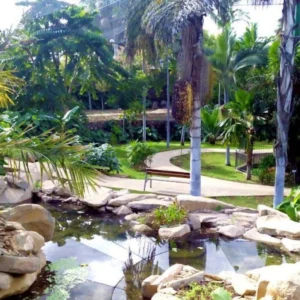
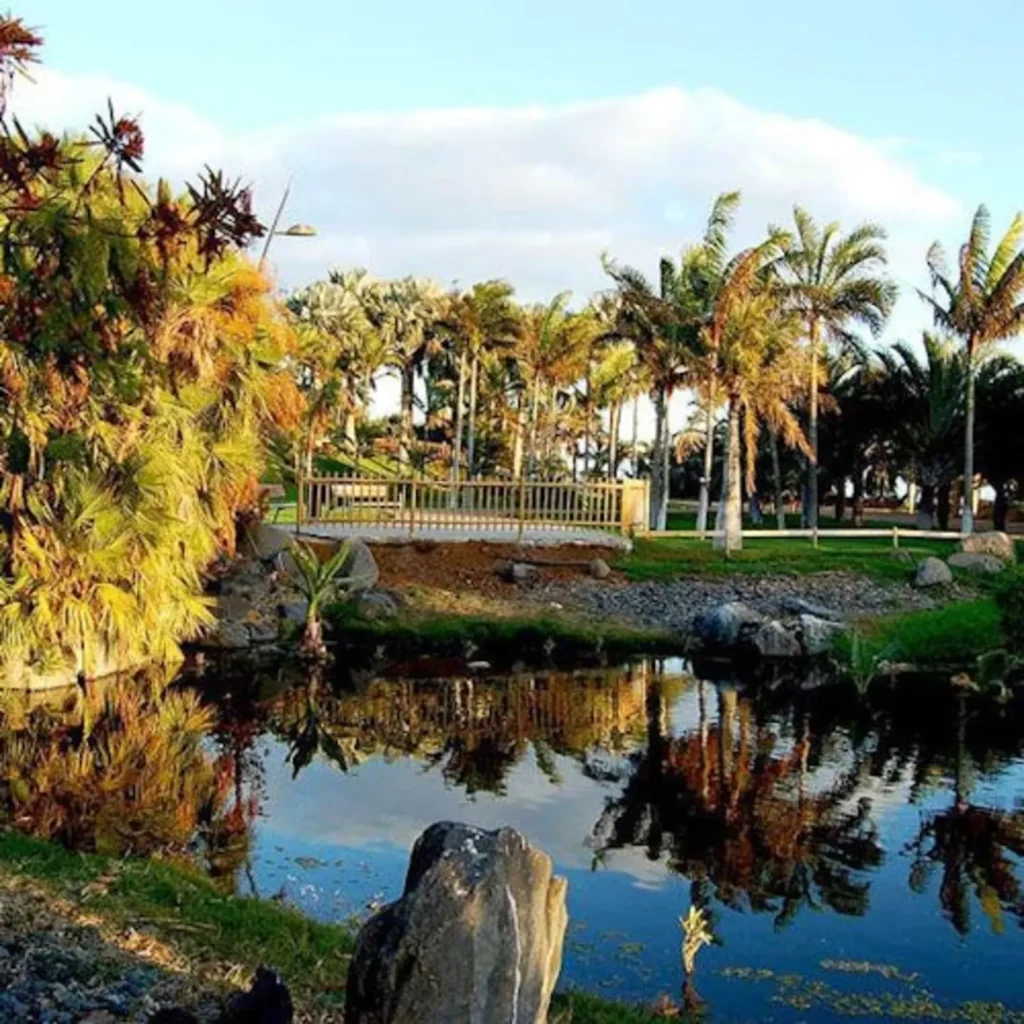
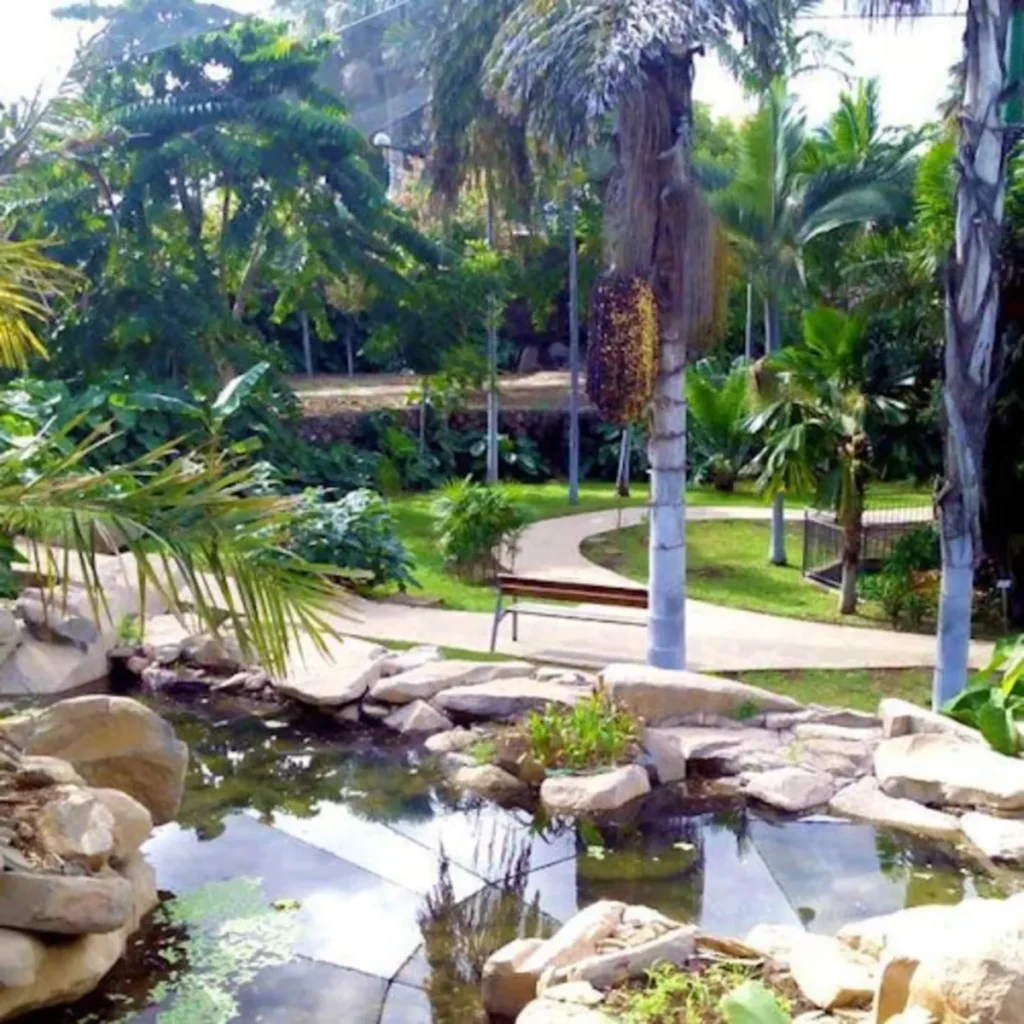
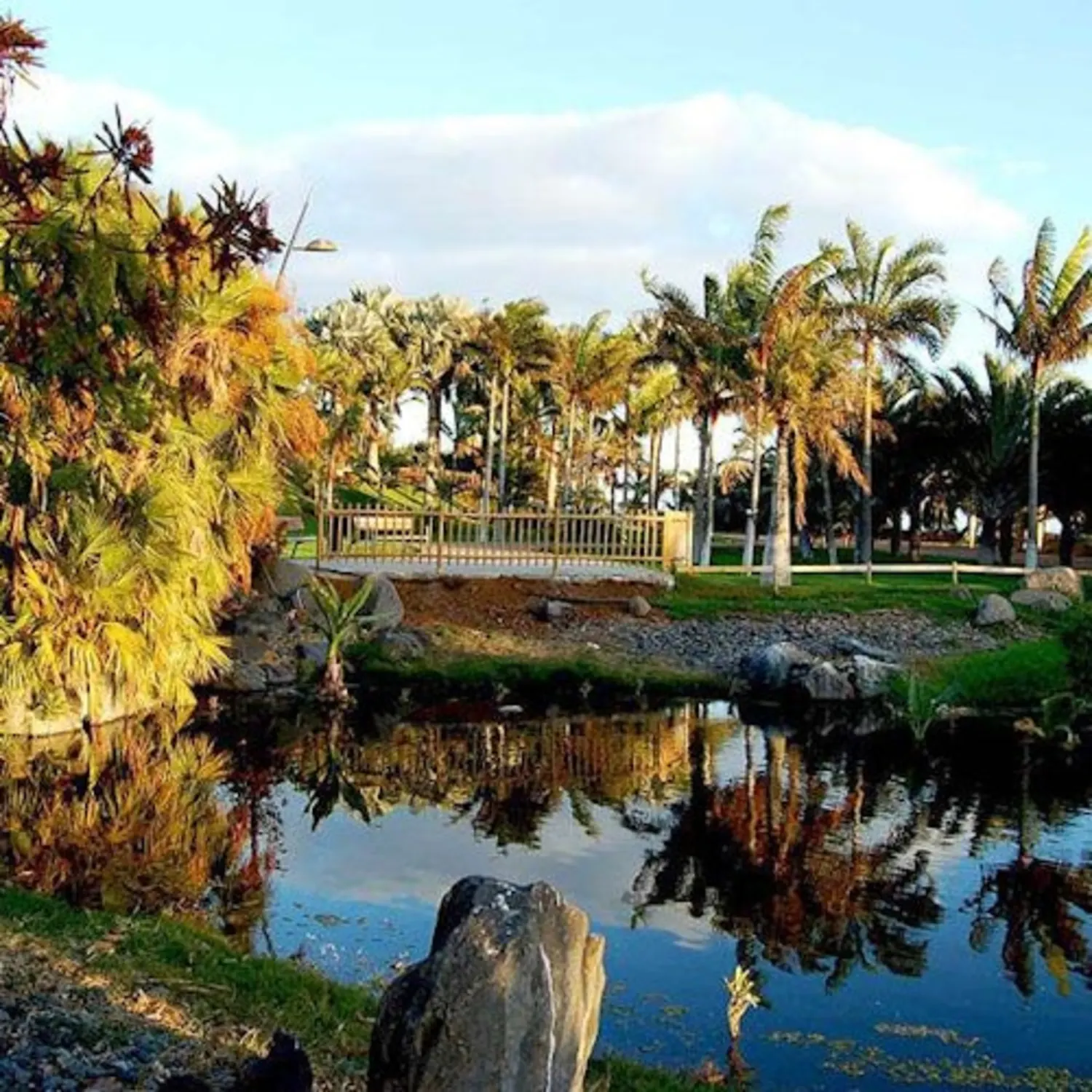
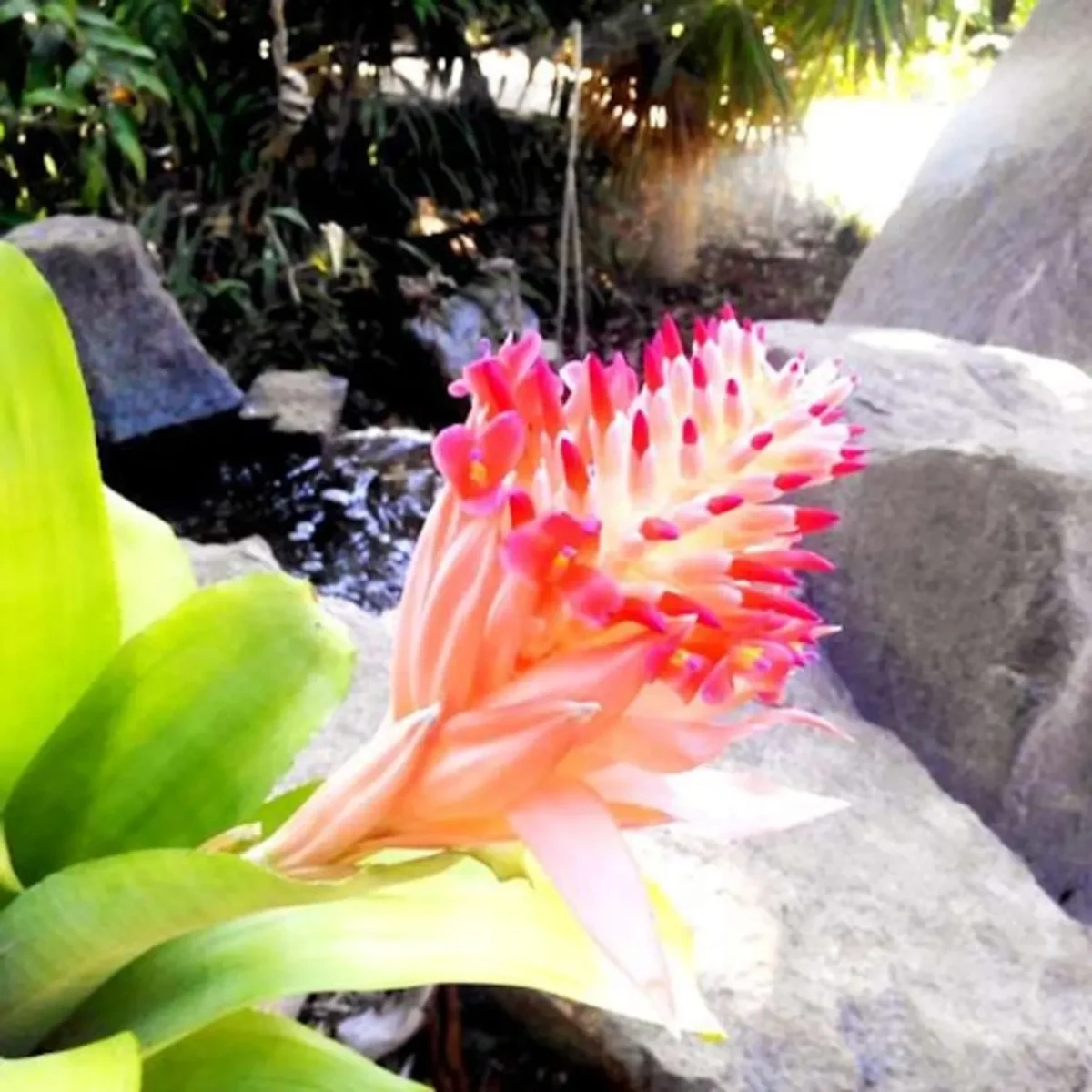
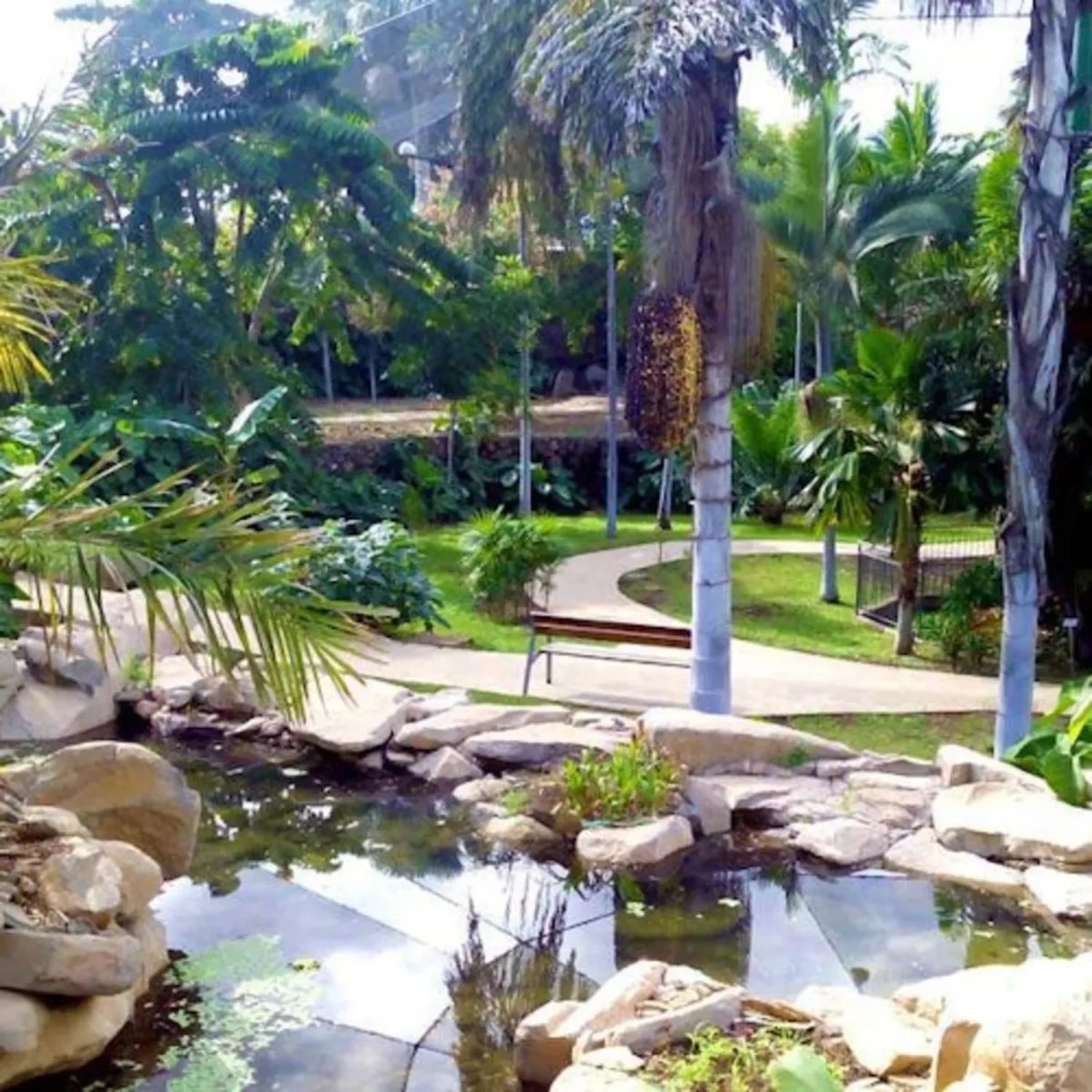
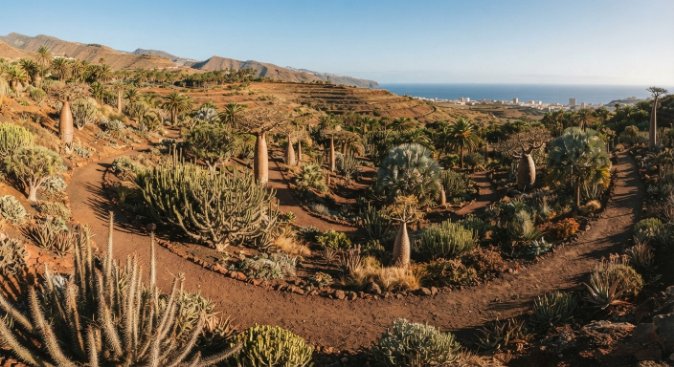
Spanning twelve hectares, this botanical garden offers a rich diversity of local and international plant life.

The garden particularly showcases a wide variety of palm species intertwined with their native vegetation.

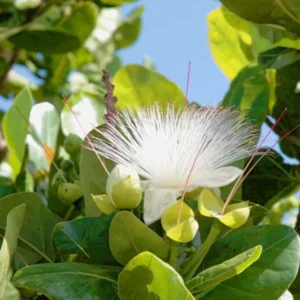
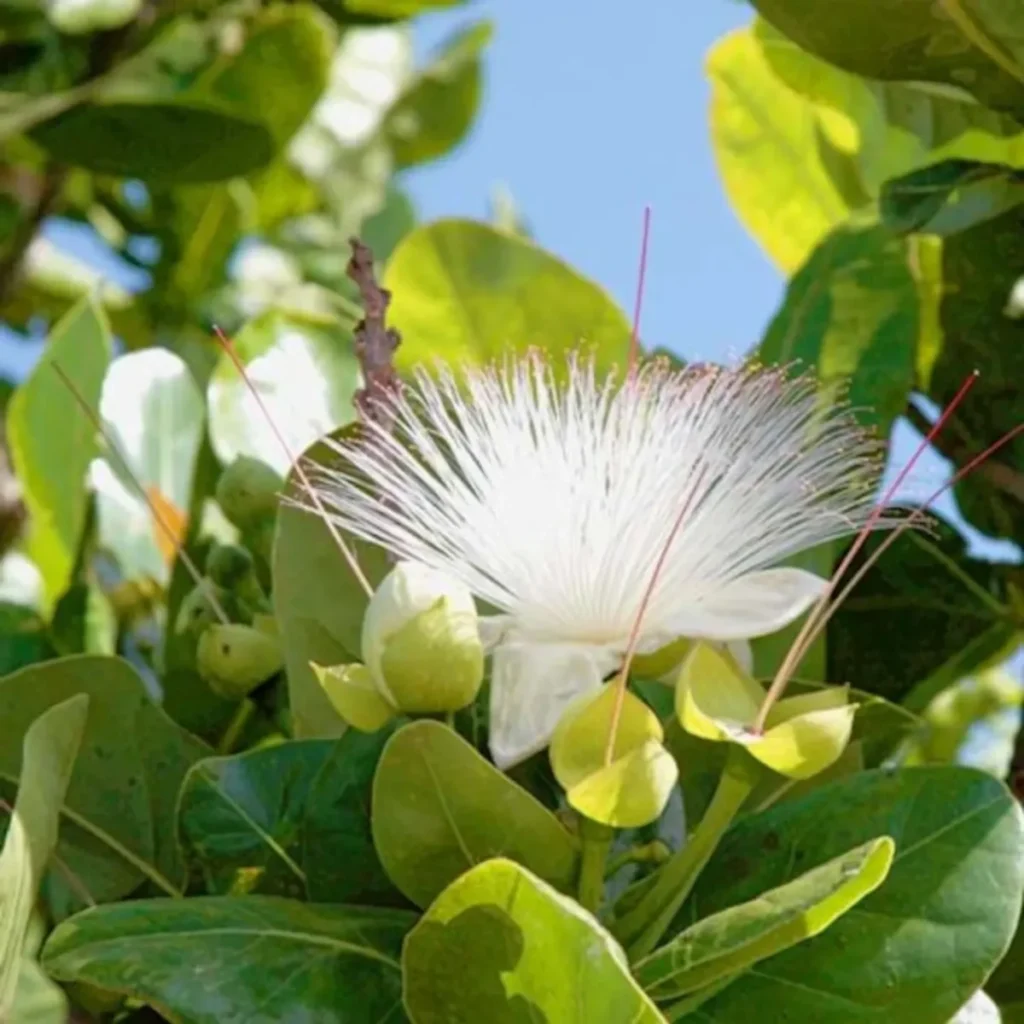
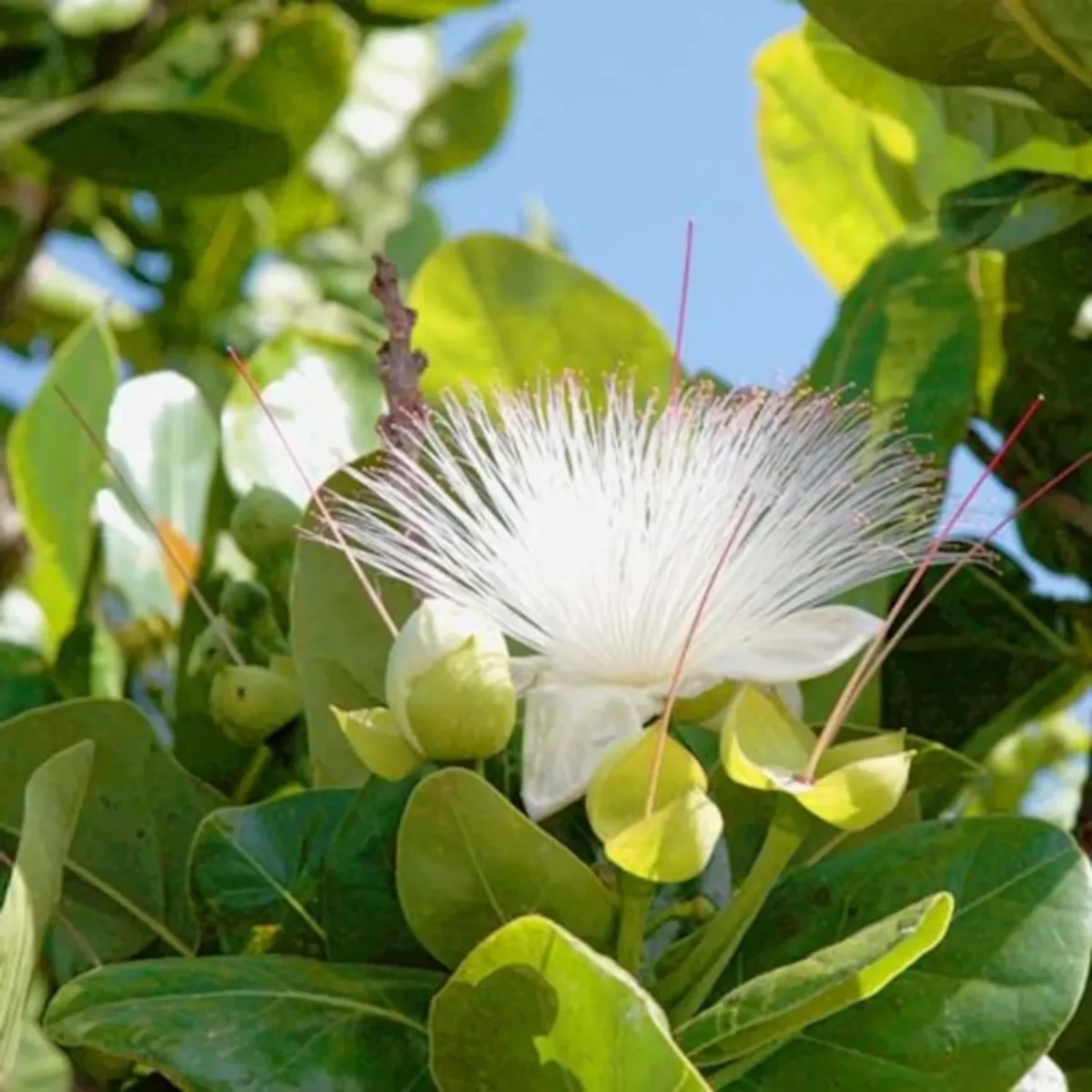
Highlights include remarkable Caribbean plant species and a consistent annual bloom of baobabs since 2012.

Visitors can enjoy tranquil surroundings away from urban noise and take in scenic views, including a coffee spot at the garden’s peak.

Good to Know Before Visiting the Palmetum in Santa Cruz de Tenerife

The garden is open every day of the year, including Sundays and public holidays, from 10:00 to 18:00, with gates closing to new entries at 17:00.
The garden covers 12 hectares built entirely on a former municipal landfill, so allow time to appreciate just how extensively the terrain was reshaped.
The garden is organized into geographic sections such as the Caribbean, New Caledonia, Madagascar, Polynesia, and the Canary Islands, so it can help to plan which zones matter most to you.
Because the site was reclaimed rather than natural, all birdlife present colonized the garden on its own rather than being introduced.
The Palmetum was formally inaugurated in January 2014 by Spain's then Prince and Princess of Asturias, now King Felipe VI and Queen Letizia.
Some of the garden's flowering events, such as its talipot palm inflorescence, happen only once every couple of decades per plant, so timing a visit around a known bloom can be a rare treat if one is currently underway.

Essential Visitor Info

The Palmetum is open every day of the year, including Sundays and public holidays, from 10:00 to 18:00.

Gates close to new entries at 17:00, so plan to arrive by then even though the garden itself stays open until 18:00.

As a general planning suggestion, a self-guided walk through the main geographic sections of a 12-hectare garden of this scope typically takes visitors somewhere in the region of one and a half to two and a half hours.

About Palmetum de Santa Cruz de Tenerife

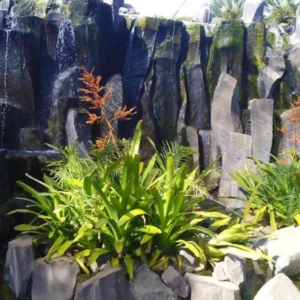
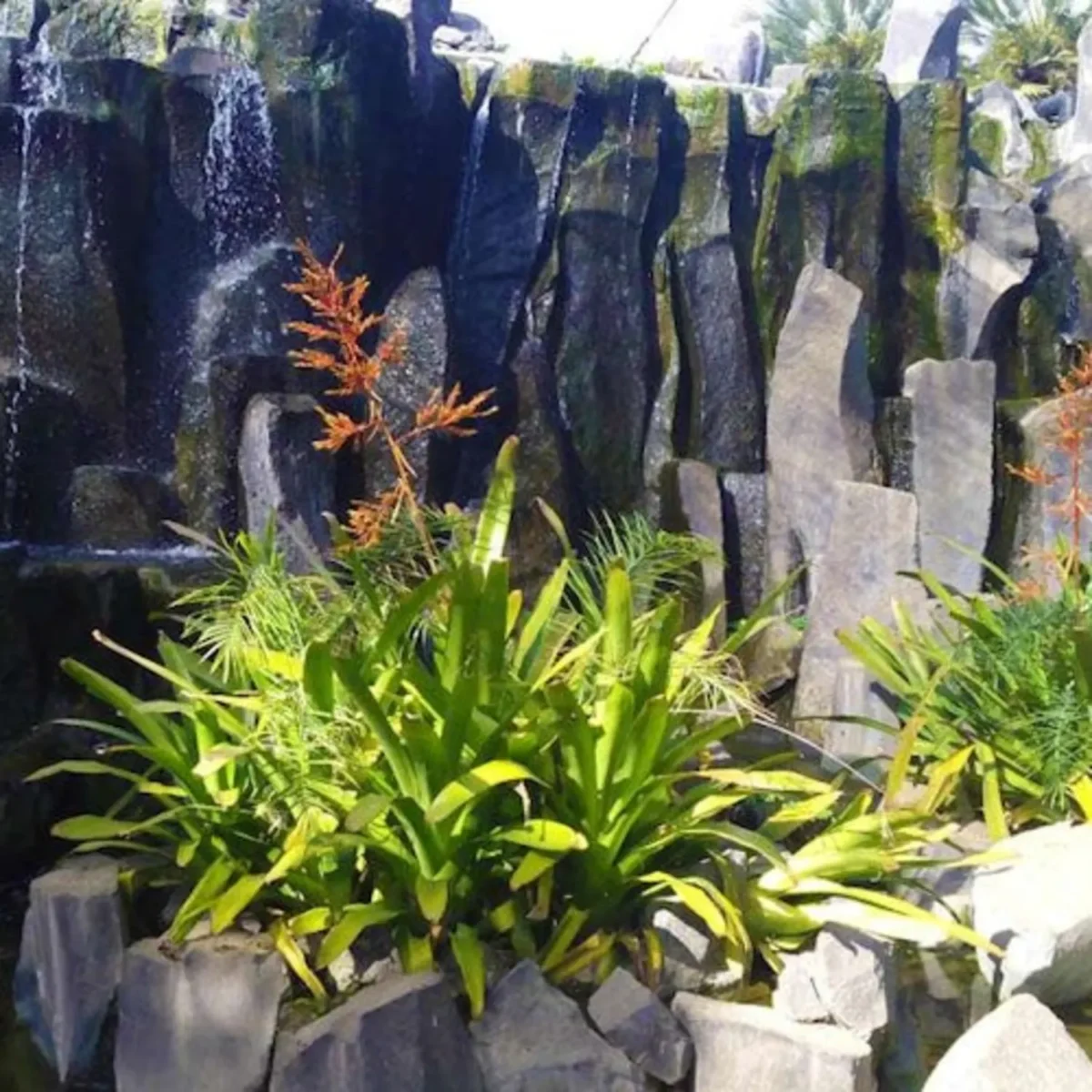
The Palmetum began as an unlikely proposal: agronomist Manuel Caballero suggested turning a 40-metre-high, decades-old municipal landfill into a public botanical garden. Construction started in 1996 with European funding and the work of engineers, a biologist, and an artist who together shaped the garden's cascades, water features, and early plant collection. Progress slowed for several years in the early 2000s before picking back up later in the decade, when the garden expanded its collection with new sections representing New Guinea, Borneo, and the Philippines, and adopted a chemical-free, recycled-water approach to cultivation that made it Spain's first fully eco-friendly public park.

Area: 12 hectares
Plant Species: approximately 3,000
Palm Species: over 600
Bird Species Recorded: over 80

Why Visit Palmetum de Santa Cruz de Tenerife?

A living record of an extraordinary transformation

What is now a 12-hectare botanical garden was, until the mid-1990s, a 40-metre-high municipal landfill. Walking its paths today, with almost no trace of that history visible, is part of what makes a visit worthwhile.

One of the world's great palm collections

The garden holds more than 600 palm species among roughly 3,000 plant species overall, organized into geographic sections such as the Caribbean, New Caledonia, Madagascar, Polynesia, and the Canary Islands themselves. It is described by the venue as home to the greatest collection of palms in Europe.

Rare botanical events you won't see everywhere

Specimens such as a 25-year-old talipot palm (Corypha umbraculifera) have produced flower structures several metres tall, and baobabs on site have bloomed every year since 2012 — the kind of infrequent flowering event serious plant enthusiasts travel for.

Unexpected wildlife in the middle of the city

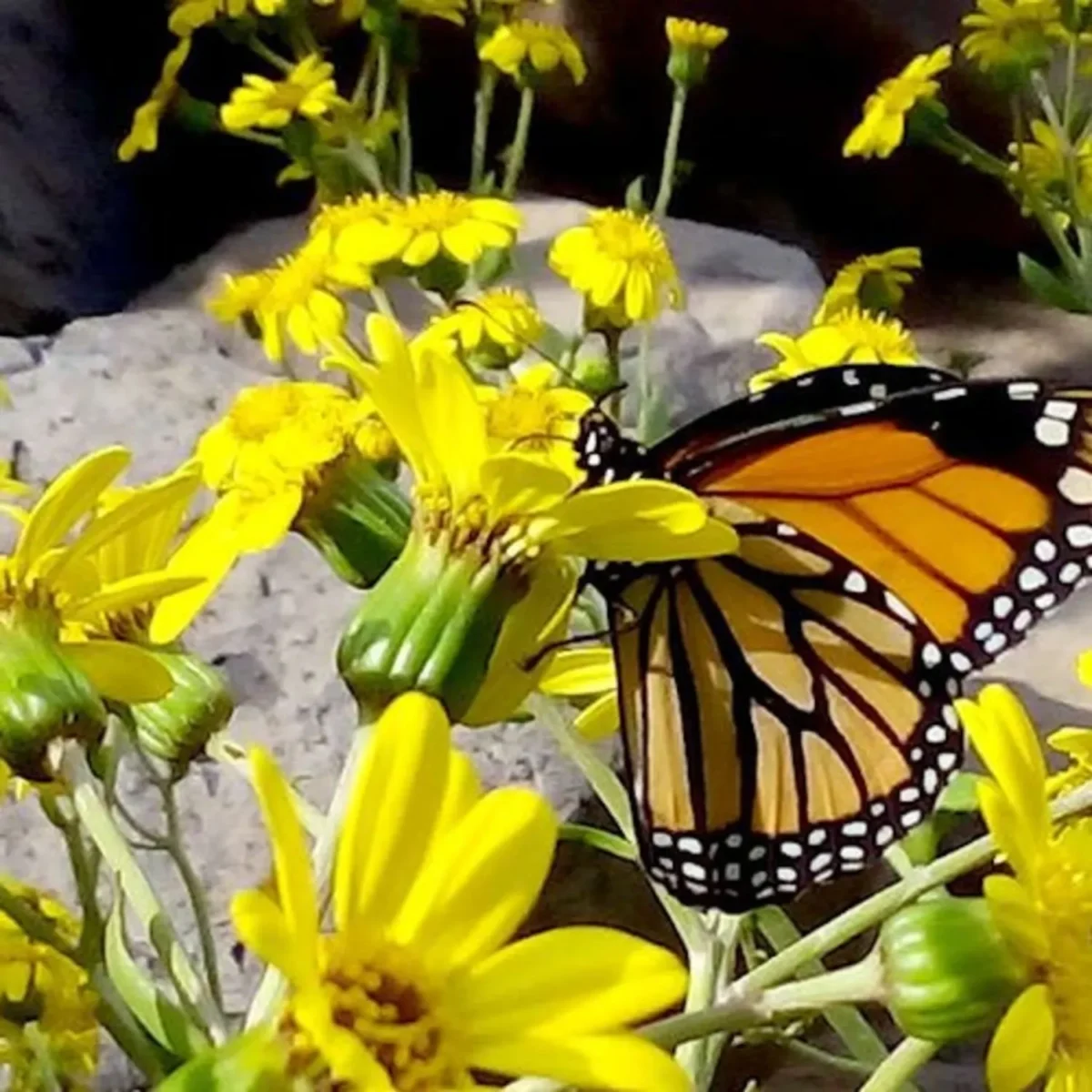
Because the garden was built from scratch on reclaimed land, every bird species present arrived and settled naturally rather than being introduced — more than 80 species have been recorded, alongside frogs and dragonflies around the water features.

A landmark with royal and international recognition

The Palmetum was officially inaugurated on 28 January 2014 by the then Prince and Princess of Asturias (now King Felipe VI and Queen Letizia), and the project has since been put forward for international sustainability and urban-regeneration awards.

Palmetum de Santa Cruz de Tenerife - Accessibility

The Palmetum, Santa Cruz City Hall, and Fundación Moeve jointly run inclusive guided visits at the garden, aimed at both education and social inclusion.

The route, duration, and format can be adapted to the specific needs of NGOs or individual visitors, including provision of a sign language interpreter where needed.

These inclusive visits take place every Saturday at 10:30, last approximately one and a half hours, and require signing up in advance rather than just showing up.

Interesting Facts about the Palmetum de Santa Cruz de Tenerife

The site was a 40-metre-high garbage dump that operated through the 1970s before its official closure in 1983.
Agronomist Manuel Caballero first proposed converting the abandoned landfill into a botanical garden.
Construction began in 1996 with around four million euros in European funding.
Engineers José Luis Olcina and Juan Alfredo Amigó, biologist Carlo Morici, and artist Carlos Simón were all involved in establishing the garden's collection and landscape features, including its cascades.
The project became Spain's first fully eco-friendly public park, using no herbicides, wood-chip mulching, and recycled municipal wastewater for irrigation.
It took more than 18 years from the project's conception to the garden's official opening.
The Palmetum holds more than 600 palm species and around 3,000 plant species overall.
Baobab trees in the garden have bloomed every year since 2012.
A 25-year-old talipot palm (Corypha umbraculifera) produced its first flowering in December 2021, forming an inflorescence 5 to 7 metres tall — reportedly the largest of any flowering plant in the world.
A gardener at the Palmetum identified a previously unrecorded Etruscan shrew (Suncus etruscus) on site, one of the smallest mammals in the world.

FAQs about The Palmetum of Santa Cruz de Tenerife

What is the Palmetum de Santa Cruz de Tenerife?

It is a 12-hectare botanical garden in Santa Cruz de Tenerife specializing in palm trees, built entirely on the site of a former municipal landfill.

Why is the Palmetum considered unusual among botanical gardens?

Because the entire garden was created on reclaimed landfill land rather than natural terrain, making its transformation from waste site to garden central to its identity.

When did the Palmetum open to the public?

It was officially inaugurated on 28 January 2014, after guided tours had already begun in autumn 2013.

Who first proposed the idea for the Palmetum?

Agronomist Manuel Caballero conceived the idea of converting the landfill into a botanical garden.

How many plant and palm species does the Palmetum hold?

The garden holds around 3,000 plant species overall, including more than 600 species of palm.

Is the Palmetum an eco-friendly garden?

Yes, it became Spain's first fully eco-friendly public park, cultivated without herbicides and irrigated using recycled municipal wastewater.

Where is the Palmetum located?

It is located at Avenida de la Constitución, 5, in Santa Cruz de Tenerife, close to the Auditorio de Tenerife and Parque Marítimo César Manrique.

What are the Palmetum's opening hours?

It is open every day of the year, including Sundays and public holidays, from 10:00 to 18:00, with gates closing to new entries at 17:00.

Why should someone visit the Palmetum?

It combines a rare palm collection, an extraordinary landfill-to-garden transformation story, unusual flowering events, and naturally occurring wildlife in a compact, walkable space.

Is the Palmetum walkable from the city centre or cruise port?

Yes, it sits within easy walking distance of central Santa Cruz along the waterfront.

This website sells official tickets for this venue. Please note, however, that it is not the official website of the venue.
The images and videos on this website may contain visual elements that have been created or enhanced using AI technology. They are provided for illustrative purposes only.